Shed Hunting on Mississippi Public Land
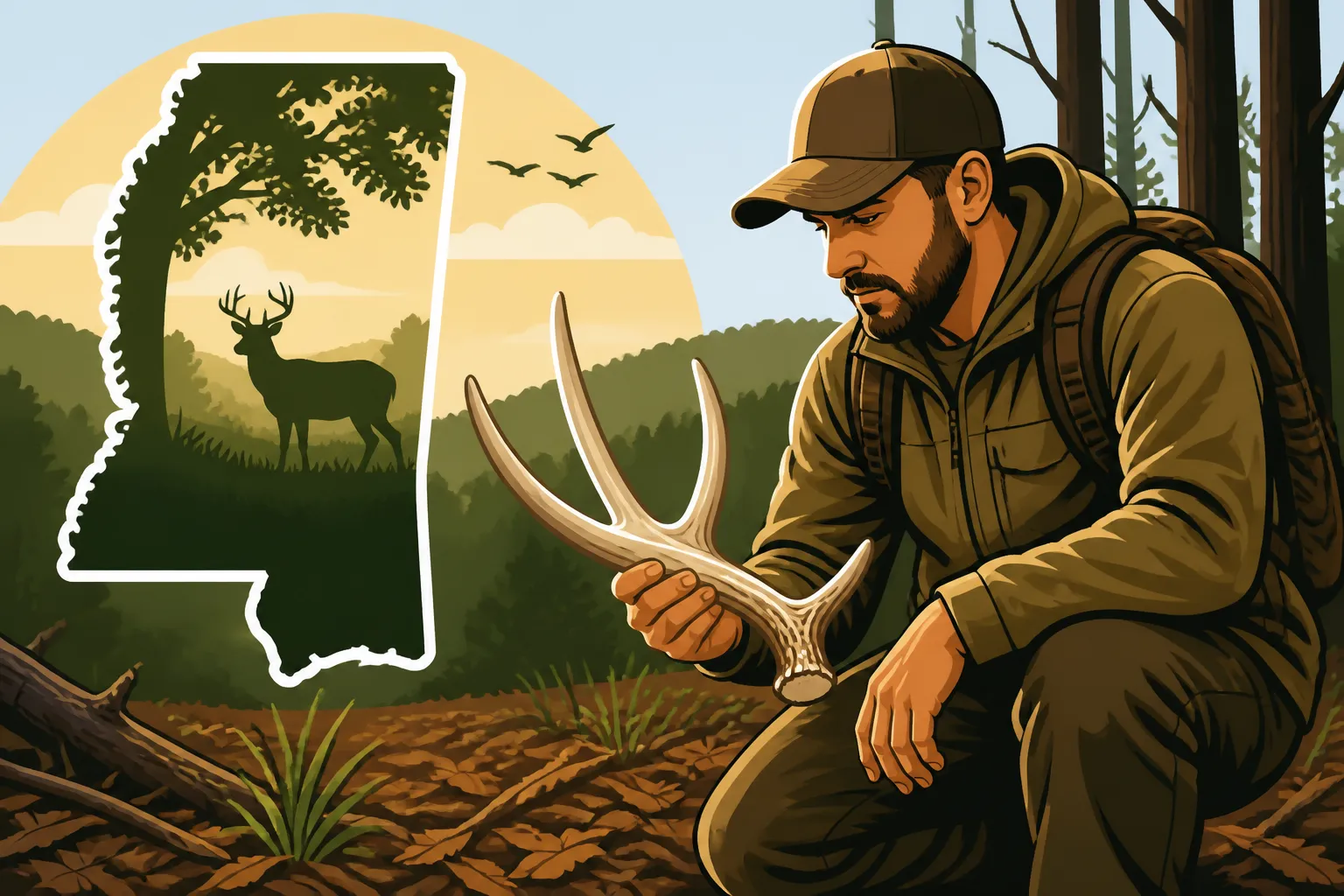
The search for shed antlers on Mississippi’s public lands can be one of the most frustrating, yet rewarding, pursuits for any deer hunter. Unlike private land where you might have intimate knowledge of deer patterns, public tracts often present a daunting challenge, with vast acreages and varying pressure making those elusive bone treasures feel impossible to find. This guide aims to demystify shed hunting in the Magnolia State's public domains, giving you a roadmap to increase your odds and enjoy the process.
Decoding Mississippi's Public Land for Shed Antlers
Shed hunting on public land in Mississippi isn't just a walk in the woods; it's a strategic endeavor that requires understanding deer behavior, land features, and the unique pressures of public access. It’s easy to feel overwhelmed by the sheer size of some of our public tracts, but with a focused approach, you can significantly improve your chances.
The Unique Challenges of Public Land Shed Hunting
Let's be honest, public land is called "public" for a reason – everyone has access. This means more boots on the ground, more ATVs on designated trails, and often, more disturbance for deer. Unlike a private lease where you might be the only one checking certain areas, on public land, you're competing with other shed hunters, hikers, squirrel hunters, and even late-season trappers. This constant human presence can alter deer movement patterns, pushing them into thicker, harder-to-reach cover sooner than on private ground. You might find fewer "easy" sheds lying in open fields, as deer are often seeking sanctuary where they feel safe enough to drop their antlers without being immediately noticed. The vastness also means a lot of ground to cover, making efficiency crucial.
Identifying High-Probability Areas
Despite the challenges, public lands hold plenty of sheds. The key is to think like a deer under pressure. Focus on areas that offer both food and security cover, especially near travel corridors connecting the two. Look for thickets, pine plantations with dense undergrowth, creek bottoms, and briar patches – places deer feel safe bedding down. Water sources are also critical, particularly during drier periods, acting as natural magnets. Old logging roads or faint trails through dense woods often serve as preferred travel routes, and deer frequently rub and drop antlers along these paths. Don't overlook changes in topography, like saddlebacks or ridge lines, which can funnel deer movement. For specific areas, places like the Delta National Forest's expansive bottomlands or the hilly terrain of the Homochitto National Forest offer distinct types of habitat that concentrate deer. Understanding the overall Mississippi Deer Herd Size can help you gauge general deer populations in various regions.
Seasonal Timing and Deer Movement
Knowing when to go is just as important as knowing where. In Mississippi, most bucks will typically shed their antlers from late January through March, though some might drop earlier or later depending on factors like their health, nutrition, and stress levels. A tough winter, for example, might see bucks shedding earlier due to physical strain. The peak often occurs in mid-February across much of the state. It's crucial to give deer time to drop their antlers naturally. Going out too early can push them off their normal ranges, making it even harder to find sheds later. Wait until you know the majority of bucks in your target area have likely dropped their headgear. You can also monitor deer movement by checking trail camera photos from the late season; if you start seeing bald bucks, it's a good sign. Understanding When Mississippi Bucks Shed Antlers can help fine-tune your timing.
Crafting Your Shed Hunting Strategy in the Magnolia State
A successful shed hunt on Mississippi public land isn't about aimless wandering; it's about meticulous planning and execution. You need a strategy that leverages technology, understands deer habits, and maximizes your time in the field.
Focusing on Food Sources and Bedding Areas
Deer, even after the season ends, are constantly seeking food and security. On public land, identifying these zones can be tricky but rewarding. In late winter, look for remaining food sources like acorns (if any are left from a good year), honeysuckle patches, green browse, or unharvested agricultural fields bordering public land. Think about how deer will travel from a safe bedding area in a thick clear-cut or dense swamp to these food sources. The transition zones between these two vital areas are shed hotspots. Bucks will often drop antlers when making quick movements, jumping fences, or navigating heavy cover. If you can locate a prime bedding area – often the nastiest, thickest cover on the landscape – systematically grid search the edges and immediate travel lanes leading out of it. Consider how bucks move along a creek bottom or up a ridge after a long night of feeding. If you're hunting in the Hills Unit, Reading a Ridge for Hills Unit Deer can offer clues to preferred travel routes.
Scout Travel Corridors and Fences
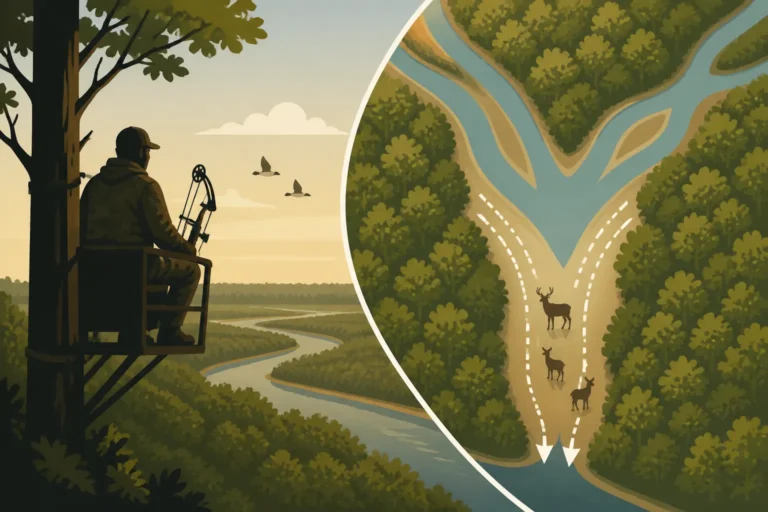
Deer are creatures of habit, and they will use the paths of least resistance, or conversely, areas of maximum security, to move between food, water, and bedding. On public land, these travel corridors might be obvious old logging roads, powerline cuts, or subtle deer trails through dense woods. Pay close attention to pinch points, creek crossings, and natural funnels where deer traffic is concentrated. Fences are absolute goldmines for shed antlers. Bucks often exert themselves when jumping fences, causing antlers to pop off. Look along property lines where public and private lands meet, especially where fence crossings occur. These areas see a lot of deer activity moving between perceived safety on private land and food/cover on public. Even small, seemingly insignificant obstacles like blowdowns or narrow gaps in thick brush can be places where an antler gets knocked loose.
Utilizing Mapping Tools and Aerial Imagery
Modern technology is your best friend when shed hunting public land. Before you ever step foot in the woods, spend hours poring over aerial imagery and topographic maps. Tools like GoHunt are invaluable for this pre-season scouting. Use GoHunt to identify potential bedding areas (dense, dark green patches), food sources (open areas, old fields, edges), water, and likely travel corridors. You can mark waypoints for areas you want to check, plan your routes, and measure distances. This allows you to hunt smarter, not harder. Look for historical harvest patterns or natural features that funnel deer. For instance, in the Delta, you might look for slight rises in elevation or slough edges that define deer movement. In the Hills, focus on saddles and draws. Knowing how to use the MDWFP App Without Cell Service is also crucial, as many public lands have spotty reception.
Essential Gear and Smart Tactics for the Shed Hunter
Just like any hunting endeavor, being properly equipped and employing smart tactics can make all the difference in filling your pack with bone.
Essential Equipment for the Trail
Shed hunting on public land can be physically demanding, covering miles over rough terrain. Dress in layers appropriate for late winter/early spring Mississippi weather, which can be unpredictable. Comfortable, waterproof boots are non-negotiable; you'll be crossing creeks, navigating muddy bottoms, and pushing through dew-laden briars. Bring plenty of water and snacks to keep your energy up. A good pair of binoculars can save you miles, allowing you to scan distant thickets, open fields, or creek beds for that tell-tale white gleam. A sturdy backpack is essential for carrying your finds, water, and other gear. A walking stick or trekking pole can help with stability in uneven terrain and can be used to poke through leaf litter or thick brush without bending over constantly. And, of course, a fully charged phone with your GoHunt maps downloaded for offline use is paramount.
Effective Grid Search Techniques
When you hit a high-potential area, don't just wander around. Employ a systematic grid search pattern. Imagine the area divided into parallel lines and walk each line, slowly and deliberately, scanning left and right. Then, shift over and walk back, slightly overlapping your previous path. This ensures thorough coverage. When you find a shed, don't just pick it up and leave; slow down and intensively search the immediate vicinity. Where there's one, there's often another! Bucks frequently drop both antlers close together, or within a hundred yards or so, especially if they were bedding down. Look for other deer sign like rubs, scrapes, and droppings – these indicate active deer use and could lead you to more sheds. Persistence is key; sometimes that hidden gem is just a few more steps away. If you know you're in an area where bucks are common, such as one of the Best Mississippi Counties for Big Bucks, your diligence will likely pay off.
Bringing a Shed Dog
If you're serious about increasing your shed count, especially on vast public lands, consider training a shed dog. A well-trained dog, typically a retriever breed, can cover significantly more ground than a human and has an unparalleled sense of smell that allows them to locate sheds hidden under leaves, in thick brush, or even partially buried. Training takes dedication, but the results can be incredible. A dog can locate sheds that you would walk right past, making them invaluable assets. Always ensure your dog is on a leash in designated areas or under strict voice control, and clean up after them. Respecting other public land users and wildlife is paramount. A shed dog makes the experience even more enjoyable, turning it into a true team effort.
| Primary Shed Drop Period (General) | Habitat Type | Shed Potential (Difficulty) | Key Scouting Focus |
|---|---|---|---|
| Late January – March | Delta Bottomland Hardwoods | Medium | Cypress sloughs, levees, bedding in thick cane |
| Late January – March | Hills Unit Pine & Mixed Hardwoods | Medium-Hard | Ridge tops, creek drains, clear-cuts, old logging roads |
| Mid-February – Early March | Southeast Unit Pine Plantations | Medium-Hard | Dense pines, prescribed burn areas, transition zones |
| Early February – Mid-March | North Central Unit Hardwood Draws | Medium | Creek bottoms, acorn flats, bedding in cedars |
Staying Legal and Ethical While Shed Hunting
As a public land user, you have a responsibility to know and abide by all regulations and to always act ethically. This protects the resource and ensures access for everyone.
MDWFP Rules on Public Land
Before heading out, always check the Mississippi Department of Wildlife, Fisheries, and Parks (MDWFP) regulations for the specific public land you plan to visit. While shed hunting is generally permitted on most public lands, some WMAs or national wildlife refuges might have specific rules, restricted access times, or areas where shed hunting is prohibited. For instance, some WMAs might require a WMA Permit Requirement even for non-hunting activities like shed hunting. It's rare, but sometimes areas are temporarily closed for management activities. Always ensure you're not disturbing deer that haven't shed yet, and avoid any activity that could be construed as harassing wildlife. Remember that some units have specific antler restrictions, like the Delta Unit Twelve-Inch Spread Rule Explained, which might influence where bucks might drop larger sheds.
Respecting Wildlife and Other Users
One of the biggest frustrations on public land is dealing with other users, but it goes both ways. Be mindful and respectful of everyone you encounter. If you see someone else shed hunting, give them space. Don't crowd their area or try to "cut them off." If you're using an ATV, stick to designated trails and respect private land boundaries. Most importantly, do not disturb deer that are still carrying antlers. Pushing deer hard in late winter when their energy reserves are low can stress them unnecessarily and impact their health going into spring. The goal is to find sheds that have been naturally dropped, not to force them off. This respectful approach extends to all wildlife; if you encounter other animals, observe from a distance and do not interfere. Finding Ground Others Walk Past can often lead to less pressured areas and more success.
Leaving No Trace
The "Leave No Trace" principle is paramount on public land. Pack out everything you pack in, and if you find any trash, pack that out too. Leave the area cleaner than you found it. This includes any flagging tape or markers you might use to mark potential spots or sheds you plan to retrieve later. Do not cut trees, damage vegetation, or otherwise alter the natural environment. The goal is to enjoy the resource without leaving any lasting impact. This ensures that the public lands remain beautiful and accessible for future generations of hunters and outdoor enthusiasts. Always follow Treestand Rules on Mississippi Public Land even if just scouting, as old stands can be good indicators of past deer activity.
Disclaimer
The information provided in this guide is for general informational purposes only and does not constitute legal advice. Hunting regulations, seasons, and licensing requirements are subject to change. Always consult the official Mississippi Department of Wildlife, Fisheries, and Parks (MDWFP) regulations and local ordinances before engaging in any hunting or outdoor activity.