Jump-Shooting Mississippi Beaver Ponds for Wood Ducks
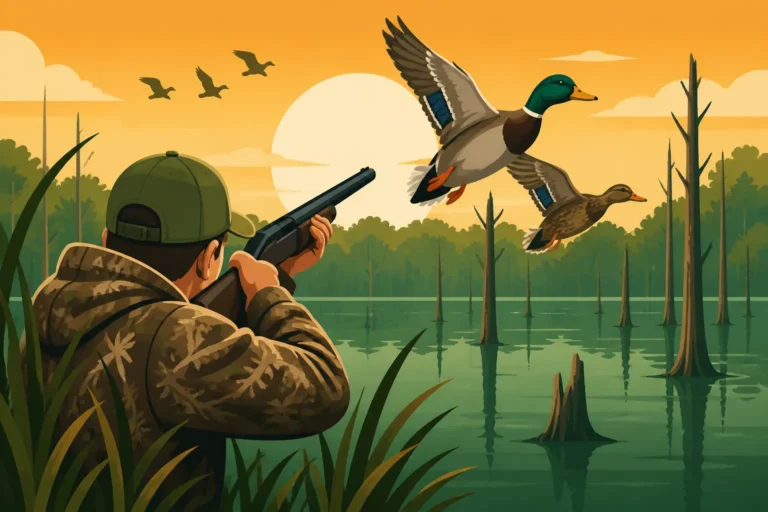
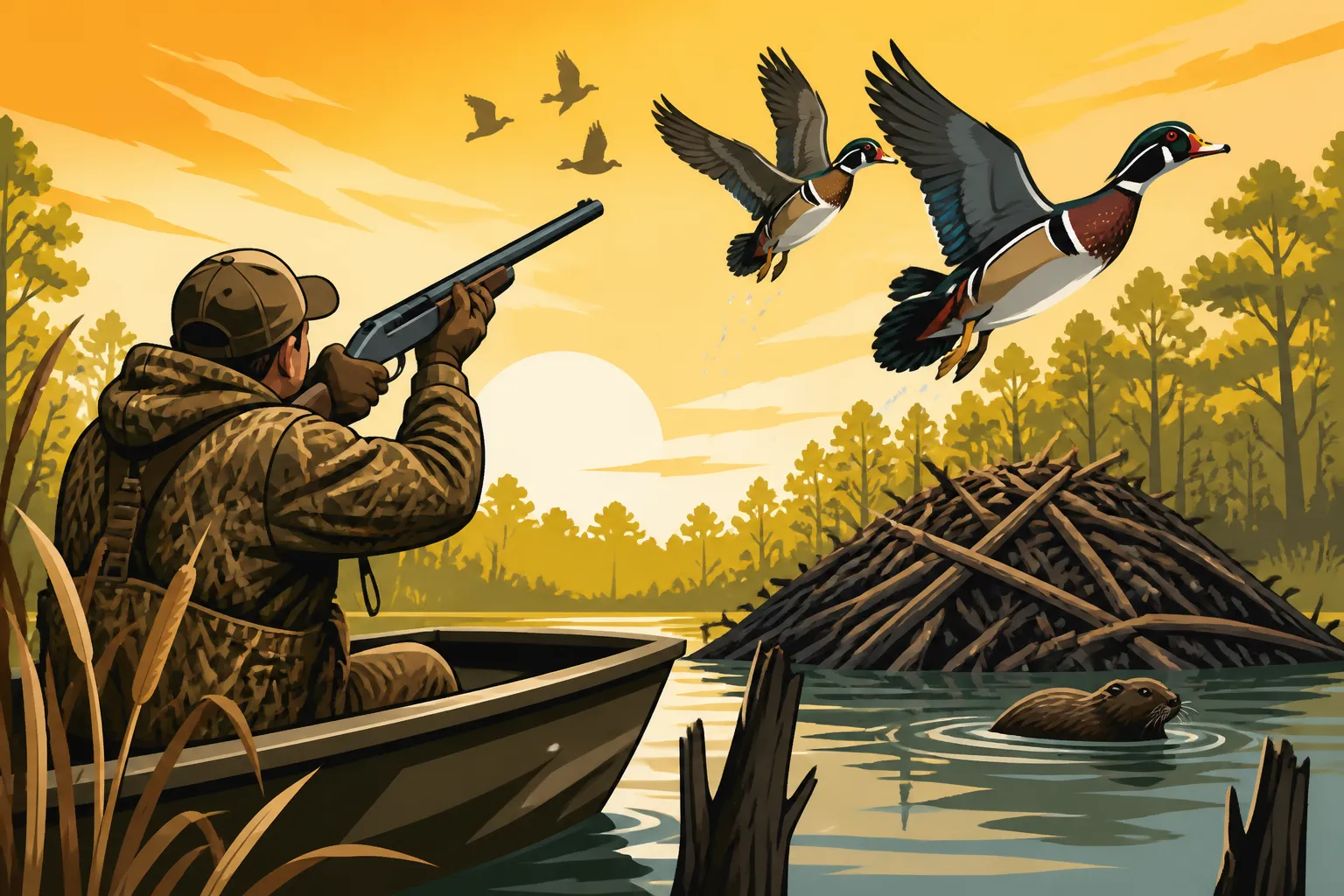
There’s nothing quite like the sudden, heart-stopping flush of a wood duck bursting from a Mississippi beaver pond, its iridescent wings beating a drum against the still morning air. Many hunters find themselves frustrated trying to locate these elusive, beautiful birds, often spooking them before they even get a shot. This guide is your in-depth resource for mastering the art of jump-shooting wood ducks in Mississippi’s abundant beaver ponds, giving you the tactics, gear insights, and local knowledge you need to find success and fill your strap.
Understanding Wood Duck Behavior on Mississippi Beaver Ponds
Wood ducks are truly unique birds, preferring the tight, timbered confines of swamps and backwaters over open fields or large impoundments. In Mississippi, beaver ponds are absolute magnets for them, offering a perfect blend of food, cover, and quiet seclusion.
Why Wood Ducks Love Beaver Ponds
Beaver ponds create a dynamic and rich ecosystem that wood ducks simply can’t resist. Unlike larger, more exposed water bodies, these ponds are often tucked away in dense timber, providing ample overhead cover from aerial predators like hawks and owls. The complex network of downed trees, submerged logs, and emergent vegetation offers a labyrinth of hiding spots. More importantly, beaver ponds are teeming with the very things wood ducks love to eat. They are dabblers, and they thrive on a diet rich in acorns, seeds, aquatic vegetation, and a variety of insects and larvae found in these shallow, nutrient-rich waters. Specifically, you’ll often find them gorging on duckweed, smartweed, and the seeds from cypress and tupelo trees, all of which flourish in the slow-moving, shallow water behind a beaver dam. This abundance of food and cover makes these hidden oases prime real estate for wood ducks, especially during the colder months.
Peak Times for Wood Duck Activity
Just like any other wild game, wood ducks have routines, and understanding them is crucial for successful jump-shooting. Generally, the earliest hours of dawn and the last hour before dusk are prime times. During these low-light periods, wood ducks are actively flying in and out of ponds, often making their way to feeding areas or roosts. If you can position yourself for a silent approach right at first light, you might catch them still loafing or actively feeding. However, don't dismiss the mid-day hours entirely, especially in secluded ponds that receive less pressure. Sometimes, on overcast days or after a significant weather change, woodies will feed sporadically throughout the day. A sharp cold front rolling through Mississippi can also trigger increased activity, pushing more birds south and making them more eager to find sheltered feeding grounds. It’s a lot like how Hunting Deer After a Cold Front can drastically change their movement patterns; ducks respond similarly to plummeting temperatures and strong winds.
Reading the Water and Habitat
Before you even think about loading your shotgun, you need to become a detective of the wetlands. Reading the water and the surrounding habitat is paramount to locating wood ducks without spooking them. Look for subtle signs: slick spots on the water from their oil glands, clusters of droppings on logs or stumps, or even faint feather trails along muddy banks. Pay close attention to the general lay of the land; wood ducks prefer areas with standing timber, especially cypress and tupelo, which provide excellent roosting and escape cover. Identify natural funnels created by dense tree lines or changes in elevation that might guide their flight path. Submerged logs and beaver lodges themselves often serve as resting spots. Understanding the current water flow and depth can also tell you where food sources are most concentrated, as wood ducks prefer shallower areas where they can easily dabble.
Essential Gear and Setup for Jump-Shooting
Jump-shooting is a dynamic style of hunting that rewards mobility, stealth, and preparedness. Having the right gear isn't just about comfort; it's about increasing your odds of success.
Shotguns and Ammunition Selection
When it comes to shotguns for jump-shooting wood ducks, versatility and reliability are key. Most hunters opt for a 12-gauge or 20-gauge pump-action or semi-automatic shotgun. A 12-gauge offers a wider pattern and more knockdown power, which can be advantageous for those quick, unexpected flushes. However, a 20-gauge is lighter and often quicker to shoulder, making it a favorite for navigating thick cover. As for choke selection, an Improved Cylinder or Modified choke is usually ideal. These chokes offer a good balance, providing a wide enough pattern for close-range shots in tight cover, but still enough density for slightly longer shots on flushing birds.
Now, for ammunition, this is where it gets crucial. All waterfowl hunting in Mississippi, as per federal regulations, requires the use of non-toxic shot. Steel shot is the most common and affordable option, but it performs differently than traditional lead. You'll want to go up a shot size or two compared to lead to achieve similar energy transfer. So, where you might use 6-shot in lead for small game, you'd probably opt for 4-shot or even 3-shot in steel for wood ducks. Bismuth shot is another excellent non-toxic alternative, offering performance much closer to lead, but it comes at a higher price. Brands like Kent Cartridge and Federal Ammunition offer reliable non-toxic loads that perform well. Always choose loads designed specifically for waterfowl.
Waders, Camouflage, and Personal Gear
Stealth and comfort are paramount when jump-shooting beaver ponds. A good pair of chest waders is non-negotiable. You'll be wading through mud, navigating beaver runs, and potentially retrieving birds from deeper water. Choose durable, puncture-resistant waders, preferably in a camouflage pattern that blends with the local Mississippi flora. Neoprene waders offer excellent insulation for colder hunts, while breathable models are better for warmer early season days. Your outer clothing should also be camouflage, allowing you to blend seamlessly with the wooded surroundings. Think greens, browns, and grays that mimic the natural shadows and bark of cypress and oak trees. A face mask or face paint can also make a huge difference, as a duck’s keen eyesight can pick up an exposed face very easily.
Beyond your clothing, consider a small, waterproof backpack to carry essentials. This might include extra shells, a rangefinder (to judge distances for ethical shots), a small pair of binoculars for scouting distant activity, and a thermos of coffee on chilly mornings. Some hunters like to carry a small wood duck call; while not strictly necessary for jump-shooting, it can sometimes be used to get a second look from a bird, or perhaps even work in a follow-up shot if a bird seems confused. Remember, silent movement is key, so avoid anything that rattles or snags easily.
Scouting Tools and Techniques
Before you even step foot in the water, effective scouting is your best friend. Modern mapping tools are invaluable here. Digital platforms like GoHunt or onX offer incredibly detailed aerial imagery and topographic maps that allow you to identify potential beaver pond locations from the comfort of your home. You can pinpoint isolated ponds, map out your approach routes, and even identify potential pinch points or deeper channels. These tools, like onX Layers for Mississippi Land Status, can also help you confirm land ownership, ensuring you’re on public ground or have proper permission for private land.
Once you’re in the field, ground scouting becomes critical. Look for active beaver sign—fresh cuttings, well-worn runs, and recently patched dams. These indicate a healthy, active pond. Drive or walk roads adjacent to potential areas, listening for the distinctive squeal of wood ducks at dawn or dusk. When approaching a pond on foot, move slowly and deliberately. Look for fresh tracks in the mud, droppings on logs, and disturbed vegetation. Pay attention to the water's surface for any ripples or subtle movements that indicate a bird. Often, the best way to scout is to observe from a distance using binoculars during non-hunting hours, noting where birds enter and exit, and where they seem to congregate. The more time you spend scouting, the better your chances of finding unpressured birds. This ties in directly with the importance of Scouting Mississippi Public Land Before Season for any game animal.
Mastering the Jump-Shooting Approach
Jump-shooting is an active and exhilarating form of duck hunting. It's less about static waiting and more about calculated movement and swift action.
Stealth and Approach Tactics
The core principle of jump-shooting wood ducks is stealth. These birds are incredibly wary, especially in the tight confines of a beaver pond where escape options are limited. Your approach needs to be slow, quiet, and deliberate. Always use available cover – dense brush, standing timber, or even the natural contours of the bank – to conceal your silhouette. Stay low, move slowly, and avoid any sudden movements or loud noises. A common mistake is walking too fast or talking too loudly, sending ripples of warning ahead of you.
When working a pond, try to approach from downwind, if possible. This helps to muffle any sounds you might make and also prevents your scent from carrying to the birds. If hunting with a partner, communicate silently through hand signals. Often, it's best to work one side of the pond systematically, moving slowly along the bank or wading through the shallows. Identify potential flushing zones – tight bends, islands of thick vegetation, or sections of the pond where wood ducks are likely to be hiding. When you approach these spots, slow down even further, anticipating a sudden flush. This method is all about making yourself invisible and becoming part of the environment, much like Finding Ground Others Walk Past in deer hunting relies on a keen eye and quiet approach.
Flushing and Shooting Strategy
The moment of truth in jump-shooting is the flush. Wood ducks explode from the water or thick cover with surprising speed, often presenting a challenging shot in tight quarters. The key is to be ready. Carry your shotgun at the ready, pointed in a safe direction but prepared to swing. As birds flush, quickly identify a safe shooting lane, mount your gun, and swing through the bird, pulling the trigger as you follow its flight path. Don't be too eager; let the bird get clear of the immediate timber, but don't wait too long for it to put too much distance between you.
In a group setting, it can be advantageous to have one hunter push through thick cover while others position themselves on the flanks or slightly ahead, ready to take shots at birds that peel off to the sides. However, safety is paramount. Always know where your hunting partners are and maintain clear shooting lanes. Avoid "sky-busting" or taking shots that are too far, as this often leads to wounded birds and ethical concerns. Wood ducks tend to fly in straight lines for short bursts when flushed, so anticipate their trajectory and lead them appropriately.
Retrieval and Ethical Considerations
After a successful shot, immediate and efficient retrieval is critical, especially in the challenging environment of a beaver pond. Mark the exact spot where the bird fell with your eyes, noting a distinctive tree or landmark. Wood ducks, being smaller birds, can vanish quickly into thick cover, making retrieval difficult if not handled promptly. If hunting with a dog, this is where a well-trained retriever truly shines, able to navigate the mud and vegetation to bring the bird back.
If hunting without a dog, you’ll need to wade directly to the fall. Be prepared for mud, submerged logs, and potentially deep water. Wear gloves to protect your hands from briars and sharp debris. Always prioritize retrieving downed birds, even if it means interrupting your hunt. Losing a bird is a tragedy, and it's our ethical responsibility as hunters to ensure every animal taken is recovered. Respecting the Mississippi Duck Daily Bag Limit and only taking shots you're confident in will contribute to ethical hunting practices and healthy populations.
Advanced Tips and Troubleshooting
Even with the right gear and basic tactics, jump-shooting beaver ponds can present unique challenges. Learning to adapt and refine your approach will elevate your success.
Utilizing Natural Cover and Terrain
The beauty of hunting Mississippi’s beaver ponds is the abundance of natural cover. You’re not typically dealing with wide-open spaces; instead, you’re navigating a maze of standing timber, downed logs, and thick underbrush. Learn to use every bit of this to your advantage. Blowdowns create natural screens, allowing you to move unseen. Cypress knees and tupelo bases offer excellent places to pause and observe without being silhouetted. Sometimes, slowly wading through the deeper water, using the standing timber as cover, is more effective than trying to fight through dense bankside vegetation.
Consider how the terrain influences the ducks' movement. If a pond has a narrow section or a slight bend, wood ducks might funnel through that area when flushed. Positioning yourself to intercept them there can be highly effective. Pay attention to changes in elevation around the pond. A slightly elevated bank might give you a better vantage point for spotting birds before they flush, allowing for a more strategic approach. Think about how ducks might react: do they fly along the main channel, or do they try to sneak out through the thickest parts of the timber? Adjust your movements to anticipate these escape routes.
Dealing with Difficult Conditions
Mississippi weather can be unpredictable, and conditions on a beaver pond can change rapidly. Heavy rains can raise water levels, making wading more challenging and potentially pushing ducks into new areas or making them less visible against a turbulent surface. Conversely, periods of drought or low water can concentrate ducks in dwindling pockets of water, but also make them warier due to less escape cover. Fog can reduce visibility, making shooting unsafe, but it can also allow for incredibly close approaches.
Strong winds, particularly out of the north, can make ducks act skittish and fly lower, often hugging the protection of timberlines. Understanding factors like Wind and Thermals in Delta Bottomland can give you an edge, as ducks will often use these air currents to their advantage or seek shelter from them. Always be prepared for varied conditions: bring extra layers, waterproof gear, and be willing to adjust your hunt if conditions become too difficult or unsafe. Sometimes the best decision is to call it a day and return when conditions are more favorable.
Learning from Each Outing
Every trip to a beaver pond is a learning experience. Don't get discouraged by slow days or missed shots. Instead, treat each outing as an opportunity to refine your techniques and deepen your understanding of wood duck behavior. After each hunt, take a few minutes to reflect. What worked well? What didn’t? Did you approach from the right direction? Were the birds in a spot you didn't expect?
Consider keeping a small hunting journal. Document the date, time, weather conditions, water levels, and most importantly, the specific locations where you found (or didn't find) birds. Note their behavior: where they flushed from, which direction they flew, and how they reacted to your presence. Over time, this detailed log will help you build a comprehensive understanding of the wood duck patterns in your local area. This continuous learning process is what turns a novice hunter into a seasoned veteran, and it’s a critical part of developing your own personal approach, just like learning the nuances of Hunting Flooded Timber for Wood Ducks or any other specialized method. It's about accumulating knowledge about your specific hunting grounds and the game you pursue.
| Shotgun Gauge | Recommended Choke | Preferred Shot Size (Steel) | Advantages for Jump-Shooting | Disadvantages for Jump-Shooting |
|---|---|---|---|---|
| 12-Gauge | Modified (MOD) | #3 or #4 | More pellets, wider pattern | Heavier, can be slower to mount |
| 20-Gauge | Improved Cylinder (IC) | #4 or #5 | Lighter, quicker to shoulder | Smaller pattern, less knockdown energy |
| .410 Gauge | Full (F) | #6 | Very light, highly portable | Limited range, very small pattern, requires extreme precision |
Disclaimer
Hunting is an inherently dangerous activity. Always prioritize safety, understand and obey all local, state, and federal hunting regulations, and ensure you have all necessary licenses and permits, including your Mississippi Hunting Licenses and What They Cost, Mississippi Federal Duck Stamp Requirement, and Mississippi HIP Certification for Bird Hunters. This guide provides information for educational purposes only and is not a substitute for proper hunter education, training, or professional guidance. Always check the current Mississippi Waterfowl Zones and Seasons before planning your hunt.