Mississippi Deer Season Structure Explained
Trying to make sense of Mississippi's deer season can feel like trying to untangle a ball of fishing line after a long day on the water – it's a mess, and you're not quite sure where to begin. With different zones, varying weapon types, and a constantly evolving set of regulations, it’s easy to get overwhelmed and even miss out on prime hunting opportunities. This comprehensive guide is here to cut through the confusion, clearly laying out the Mississippi deer season structure so you can spend less time scratching your head and more time in the stand.
Understanding Mississippi's Deer Management Units
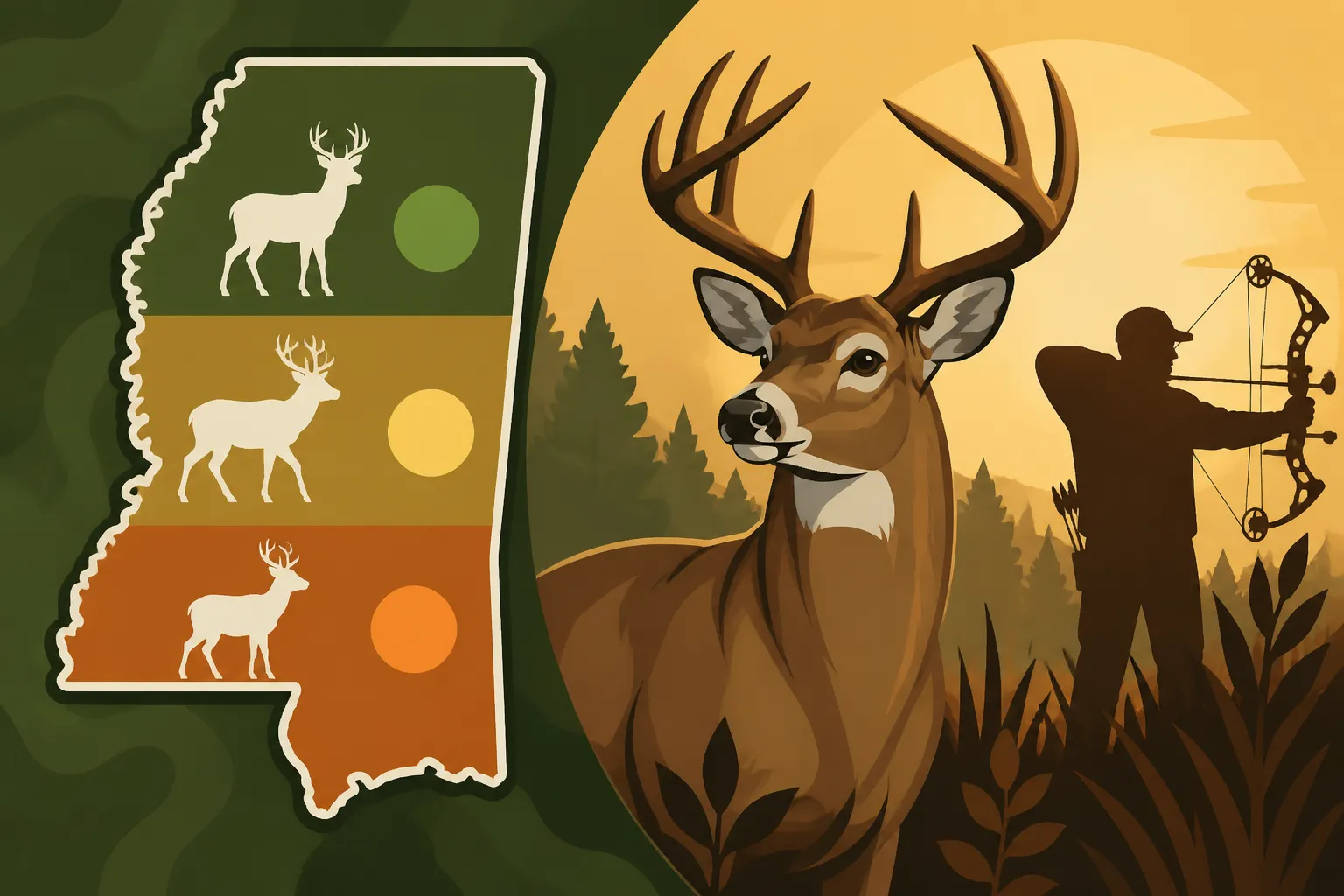
One of the biggest keys to unlocking Mississippi's deer season is understanding the state's four distinct Deer Management Units (DMUs). These aren't just arbitrary lines on a map; they represent significant differences in habitat, deer populations, and, crucially, hunting regulations. What's legal in one unit might get you a ticket in another, so knowing your unit is non-negotiable.
The Delta Unit: Home of Big River Bucks
The Delta Unit, stretching across the rich, alluvial plains of the Mississippi River, is renowned for its fertile soils and agricultural abundance. This region provides an incredible food source for deer, leading to larger body sizes and impressive antler growth, making it a dream destination for many trophy hunters. However, this prime habitat also comes with specific antler restrictions designed to promote older age class bucks. Hunters here often deal with bottomland hardwoods, cypress swamps, and vast agricultural fields, which can make scouting and access a unique challenge. Knowing where to hang a stand on a Delta bottomland funnel can make all the difference, as deer use these natural corridors to move between feeding and bedding areas.
The Mississippi Delta is a truly unique ecosystem, a mosaic of natural forests, CRP lands, and working farms. Deer thrive here, but their movement patterns are heavily influenced by the seasonal flooding of the Mississippi River and its tributaries, as well as crop rotations. This unit requires a different approach to scouting and hunting compared to other parts of the state, focusing on pinch points, levee systems, and areas with diverse cover.
The Hills Unit: Diverse Terrain, Diverse Hunting
Moving east from the Delta, you encounter the Hills Unit, which covers a vast portion of central and northern Mississippi. This unit is characterized by rolling hills, mixed pine and hardwood forests, and a greater prevalence of smaller, private land holdings. While the deer here might not always reach the sheer size of their Delta cousins, the hunting can be incredibly consistent and rewarding. The varied topography offers different hunting strategies, from still-hunting ridges to setting up on creek bottoms. It’s also home to some of the most consistent deer populations in the state, offering solid opportunities for both meat hunters and those seeking a respectable buck. Reading a ridge for Hills Unit deer is an art form, understanding how they travel the contours and saddles.
The Hills Unit encompasses a wide range of habitats, from dense pine plantations in the north to more mature hardwood stands further south. This diversity means that deer behavior can vary significantly even within the unit. Hunters here often rely on acorns in the fall, moving to browse and supplemental food plots later in the season. Understanding the specific habitat you're hunting within the Hills can greatly influence your success.
The Southeast Unit: Longer Archery and Unique Challenges
The Southeast Unit, as its name suggests, covers the southeastern portion of Mississippi, characterized by its extensive pine forests, flatwoods, and coastal plain habitats. What truly sets this unit apart is its significantly longer archery season, providing an extended window for bowhunters. This unit can be a bit more challenging due to the dense piney woods, but it also offers a fantastic opportunity for hunters willing to put in the work. The deer here are often accustomed to thick cover, and hunters frequently employ still-hunting tactics or well-placed stands along travel corridors. This longer archery run is a huge draw for dedicated bowhunters who want more time afield.
The longer archery window in the Southeast Unit provides a unique advantage, especially for those who prefer to hunt during warmer weather or wish to extend their season well into the late fall. While the deer density might not be as high as in other units, the consistent opportunity can make up for it. Hunters should focus on understanding pine flat deer behavior, looking for rubs and scrapes along planted pine rows and natural drainage areas.
The North Central Unit: A Mix of Hills and Delta Influences
The North Central Unit is a smaller, often overlooked region that shares characteristics of both the Hills and the Delta. It sits geographically between the two, offering a blend of rolling terrain and fertile river bottoms. This unit can be a hidden gem for hunters who understand its unique blend of habitats. Regulations here often mirror those of the Hills Unit, but local conditions can certainly create exceptional hunting. This area often sees deer that move between different habitat types, adapting to both agricultural pressures and timberland management.
The North Central Unit’s landscape can shift dramatically within a few miles, from steep ravines and hardwood draws to flat agricultural fields bordering major rivers. This creates complex deer movement patterns, making scouting even more critical. Hunters who spend time learning the specific nuances of a North Central property can find themselves with excellent opportunities, especially where these varied habitats converge.
Archery Season Across the Magnolia State
For many, the whisper of fletchings and the silent draw of a bow signals the true start of deer season. Mississippi’s archery season offers a long, often challenging, but incredibly rewarding period for hunters. It demands patience, precision, and an intimate understanding of deer behavior, especially in the state’s often warm early fall.
Statewide Archery Kick-Off
Typically, Mississippi's archery season kicks off statewide in early October, offering hunters the first crack at whitetails before the gun seasons begin. This early season can be warm, even hot, and deer are often still on summer patterns, heavily relying on acorns and early fall food sources. It’s a time when you really need to be aware of the wind and thermals, especially in Delta bottomland, as deer movement is often nocturnal or crepuscular to avoid the heat. This is also when bucks are still bachelor-grouped or just starting to disperse, making rubs and scrapes appear but not yet indicating peak rut activity.
The early archery season is a great time to focus on natural food sources like white oak acorns, which deer will key in on as soon as they drop. Scouting efforts during late summer become crucial to locate these prime feeding areas. Patience is paramount, as deer may not move consistently during daylight hours, but the advantage of the longer season means you have more chances to connect.
Unit-Specific Archery Variations
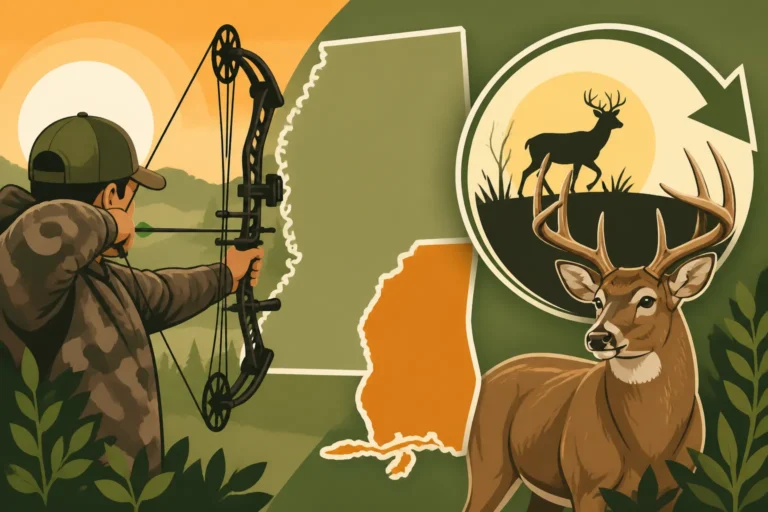
While the statewide archery season provides a general framework, remember that the Southeast Unit stands out with a significantly extended archery window, often running an extra month or more into January. This means bowhunters in the Southeast Unit get a crack at deer during times when other units are already in full gun season. This extended window can be particularly appealing for hunters who want to experience late-season archery in cooler weather, when deer patterns might be more predictable around dwindling food sources. You can learn more about hunting the Southeast Unit's longer archery run for strategic insights.
These unit-specific variations mean you absolutely must check the current year’s regulations for your specific hunting location. What might be an extended archery season in one area could be general gun season just a few miles away. Using tools like the MDWFP app or the GoHunt platform can help you keep these dates straight and ensure you're hunting legally.
Crossbows and Equipment Considerations
For a long time, crossbows were a point of contention in the archery community, but Mississippi has embraced them, allowing their use during the entire archery season. This opens up bowhunting to a wider range of individuals, including those with physical limitations or those who simply prefer the stability and precision a crossbow offers. There are specific crossbow rules during Mississippi archery season that dictate minimum draw weight and bolt length, so always double-check those requirements.
Beyond crossbows, traditional bowhunters need to ensure their equipment is up to snuff. This includes proper broadhead selection, arrow tuning, and practicing at various ranges. No matter your chosen archery equipment, ethical hunting means knowing your effective range and sticking to it. Investing in quality gear and consistent practice will improve your chances and ensure a clean harvest.
Muzzleloader Season: A Bridge Between Archery and Gun
Muzzleloader season often serves as a fantastic bridge season, falling between the archery and general gun openers. It offers hunters a chance to use a powerful firearm, but with the added challenge and tradition of a single-shot, black powder weapon. For many, it's a cherished opportunity to slow down, embrace the historical aspect of hunting, and connect with the land in a unique way.
Muzzleloader Opportunities by Unit
Similar to archery, muzzleloader seasons can have specific dates that vary by deer management unit. Generally, these seasons provide a several-week window in late October or early November, often overlapping with the tail end of archery and leading directly into the gun season. This timing can be excellent, as bucks are often becoming more active as the rut approaches, but they haven't yet been heavily pressured by the full force of general gun hunters. It’s a great time to be in the woods, especially if you’re looking for a quieter hunting experience with a more primitive weapon. You'll want to check the specific Mississippi Muzzleloader Tactics for your unit to maximize your chances.
For example, some units might have a slightly longer or earlier muzzleloader season, reflecting local deer population dynamics or management objectives. Always confirm the exact dates for your chosen unit through the Mississippi Department of Wildlife, Fisheries, and Parks (MDWFP) official regulations. This attention to detail is crucial for a legal and successful hunt.
Equipment Requirements for Muzzleloader Hunters
Mississippi has clear rules regarding what constitutes a legal muzzleloader for deer hunting. This typically includes traditional front-loading firearms using black powder or approved substitutes, and a single projectile. Sabots are usually allowed, which significantly improves accuracy and range. Modern inline muzzleloaders are very popular, offering greater reliability and ease of cleaning compared to their traditional counterparts. However, electronics or scopes that provide rangefinding capabilities are often prohibited, maintaining the "primitive weapon" spirit.
A crucial aspect of muzzleloader hunting is understanding the ballistics and capabilities of your chosen firearm. Practice at the range with the exact load you plan to hunt with to ensure accuracy and confidence. Learning to load and handle your muzzleloader efficiently and safely is just as important as knowing the season dates.
Strategic Advantages of Muzzleloader Season
The muzzleloader season presents several distinct strategic advantages. First, it's typically less crowded than the general gun season, especially on public lands. This means less competition and potentially more undisturbed deer. Second, the timing often coincides with the pre-rut or early rut phases, when bucks are beginning to search for does, making them more active during daylight hours. This increased movement can offer fantastic shot opportunities that might not be available during the archery season or when bucks go fully nocturnal under heavy gun pressure.
Hunters can leverage the quieter woods to still-hunt more effectively or focus on rattling and grunting in Mississippi, which can be highly effective during this transitional period. The ability to cover more ground with a muzzleloader compared to a bow, while still experiencing a somewhat primitive hunt, makes it a favorite for many.
General Gun Season: The Main Event
When the general gun season rolls around, Mississippi's deer woods truly come alive. This is the period most hunters eagerly anticipate, marked by the roar of rifles and shotguns, the camaraderie of deer camp, and the highest deer harvest numbers of the year. It's a time for action, but also a time when understanding deer behavior under pressure becomes paramount.
Opening Days and Peak Pressure
The opening day of general gun season in Mississippi is a rite of passage for countless hunters. It’s a day characterized by excitement, anticipation, and often, significant hunting pressure, especially on public lands and easily accessible private tracts. Deer, which may have been relatively unpressured during archery and muzzleloader seasons, suddenly become much warier. They quickly learn to move nocturnally or seek out the thickest, nastiest cover they can find. This is why Mississippi's gun opener draws the biggest crowds, and scouting hidden pockets of cover or less-pressured areas becomes critical for success.
For hunters venturing out on opening day, having a strategy is key. This might involve setting up early in known bedding areas, focusing on escape routes, or participating in organized deer drives on Mississippi public land. Understanding how deer react to pressure in your specific hunting area can give you a significant advantage.
Unit-Specific Gun Season Windows
Just like other seasons, the general gun season dates are staggered and vary by deer management unit. This means that while one unit might be in the thick of gun season, another could still be enjoying an extended archery period. These variations are designed to align with the unique rut timing and deer population dynamics of each unit. For instance, the Delta Unit might have a later start to its gun season compared to the Hills Unit, reflecting the later rut peak in the Delta. Checking the Mississippi Gun Season Dates by Unit is essential to ensure you're hunting legally and strategically.
These unit-specific windows also allow for varied hunting strategies. In units with earlier gun seasons, deer might be less wary. In units with later starts, you might be catching the tail end of the rut or focusing on late-season food sources like planted green fields. This diversity offers hunters flexibility but demands careful planning.
Legal Firearms and Ammunition
Mississippi is fairly liberal when it comes to legal firearms for deer hunting, allowing centerfire rifles, shotguns, muzzleloaders (during the designated season, of course), and even handguns of certain calibers. For rifles, there are specific Mississippi minimum rifle caliber rules to ensure humane harvesting, typically requiring calibers of .243 or larger. Shotguns are popular, especially in areas with dense cover or where safety concerns dictate a shorter range. Modern slugs in rifled barrels can be incredibly effective.
When selecting ammunition, always prioritize ethical shot placement and projectile performance. Choose bullets that are known for good expansion and penetration on deer-sized game. Familiarity with your chosen firearm and ammunition through consistent range practice is crucial. This not only builds confidence but also ensures you can make a clean, ethical shot when the moment arrives.
Youth Hunting Opportunities in Mississippi
Mississippi recognizes the vital role youth hunters play in the future of conservation and has established dedicated opportunities to encourage their participation. These special seasons and rules are designed to provide a safe, educational, and exciting environment for young hunters to learn the ropes and develop a passion for the outdoors.
The Dedicated Youth Gun Weekend
One of the most anticipated events for young hunters is the Mississippi Youth Gun Weekend Dates. This special weekend, typically occurring in early November, allows youth hunters (usually under 16, accompanied by a licensed adult mentor) to harvest deer with a firearm before the general gun season opens. It’s a fantastic opportunity for kids to experience the thrill of a gun hunt with reduced pressure from other hunters and often more active deer. This creates an ideal learning environment, focusing on safety, ethics, and basic hunting skills without the overwhelming crowds.
The youth gun weekend is often the first real hunting experience for many young people, making it a powerful tool for hunter recruitment and retention. Mentors play a critical role, teaching not just how to hunt, but also the importance of conservation, wildlife identification, and responsible firearm handling.
General Season Youth Privileges
Beyond the dedicated youth weekend, young hunters also enjoy specific privileges during the general hunting seasons. For instance, youth under 16 may not be required to purchase a state hunting license, although they must still abide by bag limits and other regulations. They also often have more flexibility regarding weapon choice, and their harvests contribute to the overall bag limit in the same way an adult's would. This continuous integration into the regular season helps foster a lifelong love for hunting.
It’s important that mentors accompanying youth hunters are fully aware of all regulations, including the Mississippi Apprentice Hunter License Rules, which outline requirements for supervision and distance between mentor and apprentice. The goal is to provide a safe and supportive learning environment at all times.
Mentorship and Hunter Education Requirements
While youth hunters often have relaxed licensing requirements, the importance of mentorship and hunter education cannot be overstated. All hunters born on or after January 1, 1972, are generally required to complete a hunter education course to purchase a hunting license in Mississippi. While youth under 12 may be exempt from the course if hunting under direct supervision, the knowledge gained from hunter education is invaluable for safety and ethical conduct. Taking Mississippi Hunter Education online is a convenient option for many families.
Mentors are the backbone of youth hunting, teaching everything from reading sign and tracking to field dressing and game care. They instill the values of responsible hunting and ensure that the next generation respects wildlife and the traditions of the hunt. This hands-on guidance is truly what makes these youth programs successful.
Antler Restrictions and Bag Limits
Navigating the rules around what you can legally harvest – specifically antlered bucks – and how many deer you can take requires careful attention in Mississippi. These regulations are in place to manage the deer herd effectively, promote a healthy age structure, and provide quality hunting opportunities for everyone. Failing to understand these rules can lead to legal trouble, so pay close attention.
Understanding Antler Point and Spread Rules
Mississippi utilizes antler restrictions in its various deer management units to promote the growth of older, more mature bucks. These aren't simply about trophy hunting; they're a management tool designed to allow younger bucks to reach an older age class before being harvested, improving the overall health and genetic quality of the herd.
For example, the Delta Unit has some of the strictest rules, requiring bucks to have an outside antler spread of at least 12 inches or a main beam length of at least 15 inches. This is often referred to as the "Delta Unit Twelve-Inch Spread Rule Explained," and it requires hunters to make quick, accurate judgments in the field. The Hills and Southeast Units have slightly different rules, often requiring bucks to have at least four points on one side or an outside spread of at least 10 inches. Measuring a Twelve-Inch Delta Spread by Eye or a Ten-Inch Hills Spread by Eye takes practice and familiarity. These rules often create a situation where a smaller-racked but older buck might be legal in the Hills, but not in the Delta.
Statewide and Unit-Specific Bag Limits
Beyond antler restrictions, Mississippi also imposes specific bag limits on deer, which can vary depending on the unit you're hunting and whether the deer is antlered or antlerless. Typically, hunters are allowed a statewide deer bag limit of one antlered buck per day, not to exceed three per annual season. For antlerless deer (does), limits are often more generous, especially in areas with higher deer densities or where doe harvest is encouraged for population control.
It’s not uncommon for antlerless limits to be open for extended periods, or for specific days within a unit's season. Always consult the current year's MDWFP regulations for the exact bag limits for your specific unit. These numbers are carefully calculated to maintain a healthy deer population and balance herd numbers with available habitat.
Mandatory Deer Reporting and CWD Zones
Mississippi implemented mandatory deer reporting requirements, making it crucial for every hunter to log their harvest. This data is vital for wildlife biologists to monitor deer populations, assess management strategies, and detect potential issues like disease outbreaks. Reporting a deer through Mississippi's App is typically the easiest and most common method, and it must be done by the Mississippi deer reporting deadline. This simple act provides crucial information that benefits all hunters.
Furthermore, Mississippi's Chronic Wasting Disease (CWD) Zones come with additional regulations, including mandatory CWD testing for deer harvested within certain zones and carcass movement restrictions. These measures are designed to monitor and hopefully contain the spread of this fatal neurological disease in deer. Understanding which eleven counties sit in the North CWD Zone, for example, is critical for any hunter planning to hunt in those areas.
| Deer Management Unit | Antlered Buck Minimum (Choose One) | Antlerless Deer Bag Limit | Archery Season Length | Gun Season Length |
|---|---|---|---|---|
| Delta Unit | 12" Outside Spread OR 15" Main Beam Length | 1 per day, 3 per season | Standard (~3 months) | Standard (~2 months) |
| Hills Unit | 10" Outside Spread OR 4 pts on one side | 1 per day, 3 per season | Standard (~3 months) | Standard (~2 months) |
| Southeast Unit | 10" Outside Spread OR 4 pts on one side | 1 per day, 3 per season | Extended (~4 months) | Standard (~2 months) |
| North Central Unit | 10" Outside Spread OR 4 pts on one side | 1 per day, 3 per season | Standard (~3 months) | Standard (~2 months) |
Note: Always consult current MDWFP regulations for precise and up-to-date dates and rules, as they are subject to change annually. Bag limits can also have bonus antlerless tag purchase rules that affect overall take.
Special Seasons and Considerations
Beyond the main archery, muzzleloader, and general gun seasons, Mississippi offers a few additional windows and specific considerations that hunters need to be aware of. These special seasons often aim to extend opportunities, manage specific populations, or address unique challenges within the state.
Primitive Weapons Season After Gun
In some units, after the general gun season concludes, there's often a "primitive weapons" season, which allows hunters to continue pursuing deer with muzzleloaders, crossbows, and sometimes even traditional archery gear. This can be a fantastic opportunity for late-season hunting in cooler weather, when deer might be concentrating around specific food sources or moving more predictably due to the cold. This season is particularly appealing for hunters who enjoy the challenge of primitive weapons but missed out on earlier opportunities, or for those simply looking to extend their time in the woods.
The primitive weapons season also tends to see reduced pressure compared to the peak gun season, offering a more serene hunting experience. It's a great time to focus on scouting for late-season food sources for Mississippi whitetails, like remaining acorns, browse, or planted green fields, as deer will be highly dependent on these dwindling resources.
Private Land Extended Seasons
Mississippi provides some flexibility for private landowners, often allowing for extended seasons for antlerless deer on private lands. These extended opportunities are designed to help landowners manage their local deer populations more effectively, especially in areas where deer numbers are high or crop damage is a concern. To participate, landowners typically need to meet certain criteria and follow specific reporting guidelines. This also ties into Mississippi Landowner Deer Permit Rules, which can offer additional harvest opportunities.
For hunters with access to private land, these extended seasons can be incredibly valuable, providing additional time to fill doe tags and contribute to herd management. It's crucial for hunters on private land to verify with the landowner that they are approved for any extended season participation and understand all associated rules.
CWD Management Zone Regulations
As mentioned earlier, Mississippi's Chronic Wasting Disease (CWD) Zones introduce a layer of specific regulations that hunters must meticulously follow. These zones are designated around areas where CWD-positive deer have been detected, such as the North CWD Zone, the Warren-Claiborne CWD Zone, and the Hancock County CWD Zone. Regulations typically include mandatory CWD testing for harvested deer, carcass movement restrictions (meaning you can't move certain parts of a deer out of the zone), and sometimes even altered bag limits or additional harvest opportunities to reduce deer density.
Hunters in these areas have a critical role to play in monitoring and potentially limiting the spread of CWD. Finding a Mississippi CWD Sampling Location and adhering to all carcass movement rules are not just legal requirements but ethical responsibilities for the health of the deer herd. Failure to comply can result in fines and the further spread of this devastating disease.
Important Regulations Beyond Season Dates
While knowing season dates and bag limits is crucial, successful and legal hunting in Mississippi involves adhering to a broader set of regulations. These rules cover everything from how you obtain your license to how you present yourself in the field, ensuring safety, ethical conduct, and the continued health of wildlife populations.
Licensing and Permit Requirements
Before you even step foot in the woods, you'll need the proper licensing. Mississippi Hunting Licenses and What They Cost can vary significantly depending on whether you're a resident or nonresident, and what type of game you plan to pursue. Most deer hunters will need a basic hunting license, and often a deer permit, to legally harvest deer. Nonresidents also have specific Mississippi Nonresident License Options, including multi-day and annual choices. It’s imperative to carry proof of license on your person at all times while hunting, whether it’s a physical copy or stored on your phone.
Furthermore, if you plan to hunt on one of Mississippi's many Wildlife Management Areas (WMAs), you'll likely need an additional WMA Permit Requirement, which often comes with its own set of rules and sometimes quota hunt applications. Always check these specific requirements well in advance of your hunt.
Blaze Orange and Safety Rules
Safety is paramount in any hunting endeavor, and Mississippi has clear regulations regarding blaze orange. The Mississippi Blaze Orange Requirements mandate that during general gun seasons, or anytime firearms are being used to hunt deer, hunters must wear a minimum amount of unbroken blaze orange or blaze pink on their outermost layer, above the waist. This is typically a cap, vest, or jacket, ensuring maximum visibility to other hunters. This rule is designed to prevent accidental shootings by making hunters highly visible to one another, especially in dense cover.
Beyond blaze orange, general firearm safety rules are always in effect. This includes treating every firearm as if it's loaded, never pointing a firearm at anything you don't intend to shoot, keeping your finger off the trigger until ready to fire, and being absolutely sure of your target and what's beyond it. These are fundamental principles of responsible hunting.
Public Land vs. Private Land Access
Access to hunting land is a critical consideration in Mississippi, which offers a mix of public and private opportunities. Hunting on Mississippi public land, such as National Forests (like Delta National Forest Hunting or Homochitto National Forest Hunting) and Wildlife Management Areas, means adhering to all state and WMA-specific regulations. These can include rules on ATV use, treestand placement, camping, and even trail cameras. Getting a Mississippi Public Land Map or using scouting apps like GoHunt can help you navigate these areas.
If you're hunting on private land, you must have permission from the landowner. While Mississippi Trespass and Permission Law generally requires verbal permission, having written permission is always a good idea to avoid any misunderstandings. Respecting private property, leaving no trace, and abiding by any specific requests from the landowner are crucial for maintaining good relationships and securing future hunting access. Remember, some of the best hunting experiences come from good landowner relationships, so always be courteous and grateful.
Disclaimer
Please be aware that hunting regulations, season dates, and license requirements are subject to change. While this guide aims to provide comprehensive and accurate information, it is not a substitute for the official regulations published by the Mississippi Department of Wildlife, Fisheries, and Parks (MDWFP). Always consult the most current MDWFP Hunting Guide and any applicable local ordinances before planning and executing your hunt. We assume no liability for outdated or inaccurate information.