Yazoo Refuge Waterfowl Access
Finding consistent, quality waterfowl access on public land in Mississippi can feel like trying to hit a fast-flying teal in a hurricane. It's a real challenge, with pressure, changing conditions, and often complex regulations. But for those willing to put in the effort, places like the Yazoo National Wildlife Refuge offer a chance at some truly memorable duck and goose hunting. This guide is all about helping you understand the ins and outs of accessing and hunting waterfowl at Yazoo NWR, cutting through the confusion to help you plan your next Delta adventure.
Understanding Yazoo National Wildlife Refuge for Waterfowl
Yazoo National Wildlife Refuge, nestled right in the heart of Mississippi's legendary Delta, is a jewel for migratory waterfowl. It’s a place that was established specifically to provide wintering habitat for ducks and geese, and it does a phenomenal job of drawing birds down the Mississippi Flyway. But because it’s a National Wildlife Refuge, hunting access isn’t always as straightforward as walking into a nearby WMA or national forest. It’s a carefully managed resource, and understanding its unique character is the first step to a successful hunt.
The Landscape and Its Appeal to Ducks and Geese
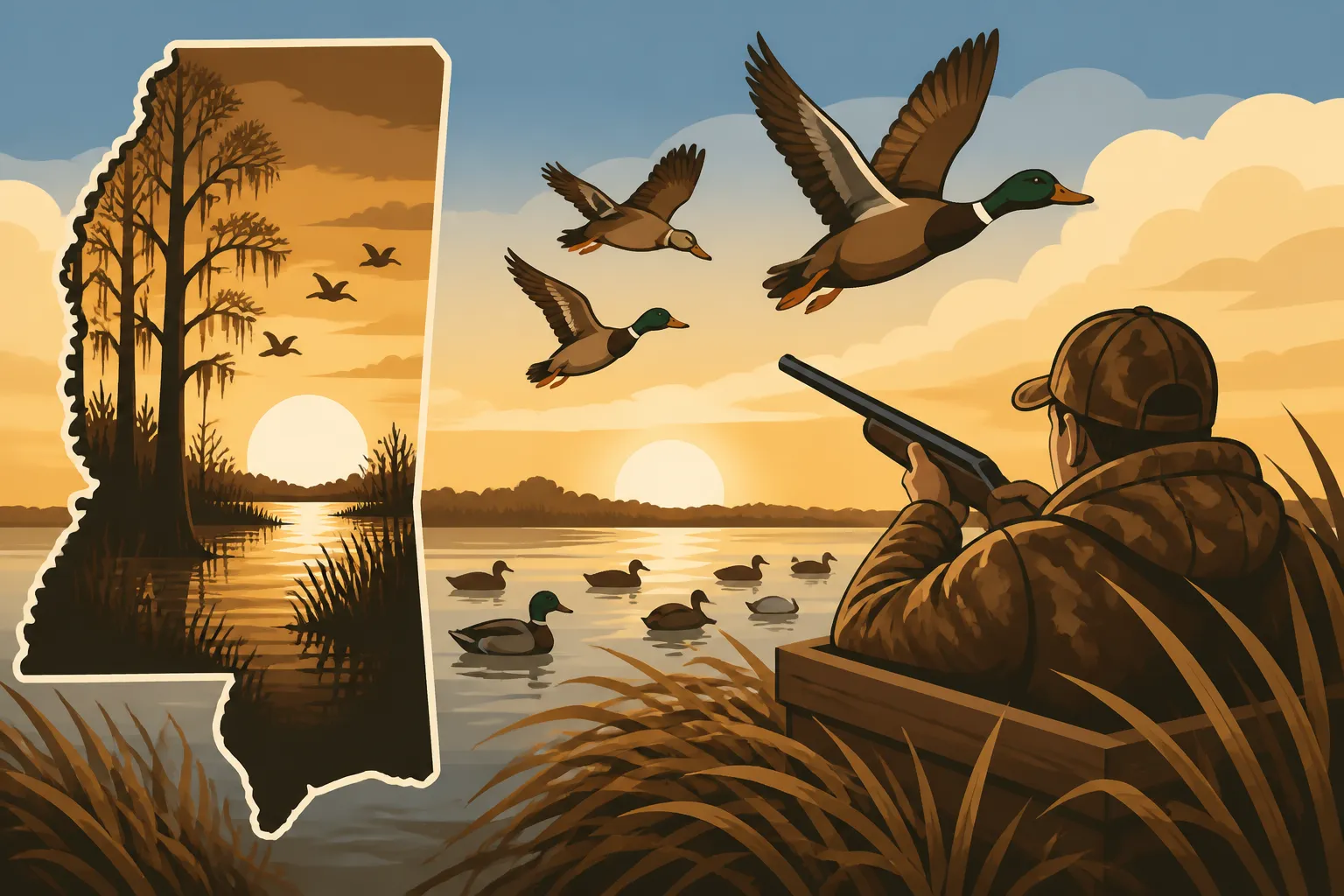
Imagine vast expanses of agricultural fields – think rice, corn, and soybeans – that are strategically flooded during the winter months. Now picture interspersed bottomland hardwood forests, cypress-tupelo sloughs, and managed impoundments. That's the typical mosaic that makes up Yazoo NWR, and it’s a duck magnet. This diverse habitat provides everything migratory waterfowl need: abundant food sources in the form of waste grain, safe roosting areas, and protected loafing spots. When those cold fronts push down from the north, birds pile into places like Yazoo by the tens of thousands.
You'll encounter a variety of species here, with mallards often being the prize bird for many hunters, especially when they're working flooded timber. But don't overlook gadwall, wigeon, shovelers, teal, and pintails, which are also regular visitors. Greater and lesser white-fronted geese (specklebellies) are also common, as are Canada geese. The refuge's management practices are specifically tailored to hold these birds, making it a critical wintering ground that draws them year after year. The sheer volume of birds can be astounding, a testament to the refuge's vital role in conservation.
General Regulations and Access Philosophy
Unlike state-run Wildlife Management Areas (WMAs) which might have more open access, National Wildlife Refuges operate under federal guidelines in conjunction with state regulations. This often means stricter rules regarding entry, hunting methods, and even the times you can be on the property. The core philosophy of a National Wildlife Refuge is preservation and providing undisturbed habitat for wildlife, with hunting often being a managed recreational activity that aligns with those conservation goals. This is why you'll often find specific areas designated for hunting, while others are strictly sanctuaries.
At Yazoo NWR, this translates into a highly structured approach to waterfowl hunting. You won't just drive up and find a spot. Instead, access is typically granted through a permit system, often involving a drawing or quota hunt. This helps manage hunter numbers, reduce pressure on the birds, and ensure a quality experience for those who are successful in securing a permit. It's crucial to understand that these regulations are subject to change annually, so always consult the latest information directly from the U.S. Fish and Wildlife Service (USFWS) and the Mississippi Department of Wildlife, Fisheries, and Parks (MDWFP) before making any plans. Patience and thorough research are your best allies when planning a hunt on a federal refuge.
Navigating the Permit and Application Process
Hunting at Yazoo NWR isn't a spur-of-the-moment decision; it requires foresight and participation in a specific application process. This structured approach helps the refuge manage hunter impact and maintain the quality of the hunting experience, but it also means you need to be on top of deadlines and requirements.
The Quota Hunt System Explained
Like many National Wildlife Refuges and some of Mississippi's most popular WMAs, Yazoo NWR typically employs a quota hunt or drawing system for waterfowl. This means there's a limited number of spots available, and hunters must apply in advance for a chance to be selected. It’s not first-come, first-served on hunt day; it's a lottery, and sometimes the odds can feel long, especially for prime dates.
The application period usually opens well in advance of the hunting season, often in late summer or early fall. You'll need to submit an application, usually online through the MDWFP website or directly through the refuge's portal, within a specified window. This application will ask for your personal details, and you might have options to apply for specific hunt dates or areas within the refuge. When you apply, be prepared to wait for the results. Successful applicants are usually notified by email or mail, often several weeks before the season opens. If you're drawn, you'll receive a permit with specific instructions, rules, and boundaries for your hunt day. It's vital to read every detail of that permit, as it contains all the information you'll need to know. Don't assume anything; what applies to one hunt area or even one day might not apply to another.
Essential Licenses and Stamps
Before you even think about applying for a quota hunt at Yazoo NWR, you need to ensure all your foundational licenses and stamps are in order. This isn't just for federal land; it's standard across Mississippi for migratory bird hunting. First, you'll need your basic Mississippi hunting license. For residents, this might be a Mississippi Resident Sportsman's License or an all-game license. Nonresidents will need a Mississippi Nonresident All-Game License Cost or a specific migratory bird license. Always check the current regulations for exact requirements.
Beyond the state hunting license, waterfowl hunters have a few more critical items to secure. You absolutely must purchase a Mississippi Federal Duck Stamp Requirement. This isn't just a federal requirement for hunting ducks and geese nationwide, but the funds generated from these stamps go directly back into wetlands conservation, benefiting the very birds you're pursuing. Additionally, you'll need a Mississippi Migratory Bird Stamp, often referred to as a state duck stamp. Finally, anyone hunting migratory birds in Mississippi must register with the Harvest Information Program (HIP). This involves answering a few simple questions about your previous year's hunting success and contributes crucial data for migratory bird management. You can often complete your Mississippi HIP Certification for Bird Hunters right when you purchase your state license. Having all these in order before the draw even opens is key, as you don't want to be scrambling if you get that coveted permit.
Key Waterfowl Hunting Areas and Specific Access Points within Yazoo NWR
Once you've navigated the permit process and, hopefully, received a coveted spot, the next challenge is understanding where you can actually hunt within Yazoo NWR and how to get there. Refuges are large, complex systems, and access is often tightly controlled to protect sensitive areas and ensure safety.
Designated Hunting Units and Their Characteristics
Yazoo NWR typically divides its open hunting areas into specific units, each with its own characteristics and access rules. These might include flooded agricultural fields, managed greentree reservoirs (flooded timber), or natural sloughs and swamps. For instance, some units might be primarily walk-in only, requiring hunters to haul all their gear, decoys, and possibly a dog, a significant distance from designated parking areas. These areas can offer an incredibly immersive experience, feeling truly wild and remote, but they demand physical fitness and a willingness to pack light.
Other units might allow limited boat access, particularly in areas with deeper water or extensive flooded timber. However, even where boats are permitted, there are often restrictions on motor size (e.g., electric motors only) or launch sites. Field hunting units, which focus on waste grain in agricultural areas, might be accessible by vehicle to a certain point, with hunters then setting up blinds on field edges or in strategic locations. The type of hunting experience varies greatly by unit, so it's critical to know which unit your permit is for and what that unit offers. Before your hunt, study the refuge's maps closely – tools like onX Hunt can be incredibly valuable for overlaying refuge boundaries, identified hunt units, and potential access points with satellite imagery. This can give you a crucial advantage in understanding the terrain and planning your approach.
Scouting and Preparation for a Yazoo NWR Hunt
Scouting is paramount for any successful waterfowl hunt, and it's even more critical on a public land quota hunt where you often have limited opportunities. While direct "boots-on-the-ground" scouting within refuge hunt units might be restricted before your assigned hunt day, there's still plenty you can do. Start with aerial imagery from tools like onX Hunt or even Google Earth to identify potential water features, timber lines, field layouts, and access roads. Look for subtle changes in elevation, old slough beds, or areas where water might naturally accumulate. Pay attention to how the land funnels birds.
Beyond digital scouting, consider driving the perimeter roads of the refuge (where allowed) during the weeks leading up to your hunt. Observe bird activity from a distance. Are they concentrated in certain areas? Are they using specific flight paths? This can give you clues about where they're feeding and roosting. Talk to local hunters or check online forums for general reports, but take them with a grain of salt, as conditions and bird movements change rapidly. Equip yourself with the right gear – reliable waders, a sturdy decoy bag, and a comfortable blind bag are essential. If you know you'll be wading long distances or dealing with flooded timber, practicing with your gear beforehand can save you a lot of discomfort and ensure you're ready for the physical demands of the hunt. Websites like GoHunt often compile regulation summaries, which can be a good starting point for your research, but always cross-reference with official refuge documents.
Practical Tips and Strategies for Success
You've got your permit, done your homework, and now it's hunt day at Yazoo NWR. But the Delta can throw a lot at you – from fickle birds to changing weather. Having a few strategies in your back pocket can make all the difference between a frustrating morning and a limits-filled memory.
Decoy Spreads and Calling Techniques
When you're hunting public land like Yazoo NWR, you're often dealing with birds that have seen a lot of pressure. This means your decoy spread and calling need to be top-notch, but also adaptable. For mallards in flooded timber, a smaller, more realistic spread of a dozen or two decoys can often be more effective than a massive spread. Focus on creating an inviting landing zone, perhaps using a few feeder decoys near the edge and a pair of resting ducks further back. Don't forget your spinners – movement is key, especially on calm days. For field hunting or open water, you might need a larger spread, but still aim for realism. Mixing in a few pintail or gadwall decoys can sometimes entice wary birds who are tired of looking at nothing but mallards.
Calling, especially on pressured birds, is an art. It’s not about how loud or how much you call, but how effectively you communicate. Start with soft greeting calls, building intensity only if the birds respond. Learn to read the birds: if they're cupping their wings and coming in, shut up! Over-calling is a common mistake that sends more ducks away than it brings in. Having a variety of calls – a good mallard hen call, a drake whistle, and maybe a specklebelly call if geese are around – will give you options. The goal is to sound natural and inviting, not like a desperate amateur. If you're new to the area, Rattling Volume in Thick Cover or Grunt Calls in Mature Mississippi Timber (though for deer, the principle of volume applies) can give you ideas about how to adapt your calling to the specific environment.
Wading and Boat Access Considerations
Many of the prime waterfowl areas in Yazoo NWR are accessed on foot, often through flooded timber or across muddy fields. This means high-quality, comfortable waders are non-negotiable. Breathable chest waders are often preferred as they allow for more strenuous activity without overheating, and they provide maximum protection. Always wear a PFD (Personal Flotation Device) if you're venturing into deeper water or areas with unknown depths, especially if you're alone. The water can be deceptively deep in some sloughs and impoundments, and hidden stumps or uneven bottoms are a real hazard.
If your permit allows for boat access, pay close attention to the specific rules. Are only electric motors allowed? What size boat is permissible? How far can you travel by boat? Often, boat access is restricted to certain channels or impoundments, and then you'll transition to wading or setting up a bank blind. Remember that hauling decoys, a gun, a dog, and all your gear can be exhausting, especially through thick mud or knee-deep water. Plan your route, pace yourself, and consider what you truly need versus what would be nice to have. Don't overload yourself, and always tell someone where you're going and when you expect to return.
Dealing with Hunting Pressure and Weather
Let's be realistic: public land, especially a renowned spot like Yazoo NWR, is going to see hunting pressure. This is simply a fact of life for hunters on federal land. The key isn't to avoid it entirely, but to strategize around it. One approach is to go deeper than most hunters are willing to go. While everyone might stop at the first bend, if you push another half-mile, you might find birds that haven't been harassed as much. Using tools like onX Hunt can help you identify remote pockets or areas that are harder to access, increasing your chances of finding undisturbed waterfowl.
Weather plays a massive role in Delta duck hunting. A strong north wind can bring in fresh waves of birds, while a warm spell can make them lethargic and less responsive. Be prepared for anything: cold, wet, windy conditions are common during the heart of duck season. Pack layers of clothing, including waterproof outerwear, and always have dry clothes back at the truck. Water levels are another critical factor. A sudden drop in water can leave birds without their preferred feeding grounds, pushing them to other areas. Conversely, rising water can open up new habitat. Stay aware of local conditions and be flexible. If one spot isn't producing, and your permit allows, be willing to move and explore other options, always within your designated hunt area. Understanding What Happens If Water Levels Drop Mid-Season can help you predict bird movements.
| Feature | Description |
|---|---|
| Primary Habitat | Flooded agricultural fields (rice, corn, soybeans), bottomland hardwoods, cypress-tupelo sloughs, managed impoundments. |
| Key Waterfowl Species | Mallards, Wood Ducks, Gadwall, Wigeon, Pintails, Teal, Specklebellies (Greater/Lesser White-fronted Geese), Canada Geese. |
| Access Method | Primarily through a quota hunt or lottery drawing system. Limited number of permits issued for specific hunt dates/units. Applications usually open in late summer/early fall. |
| Hunting Style | Varies by unit: walk-in flooded timber, field edge blinds, limited boat access in certain impoundments/sloughs (often electric motors only). Requires packing in gear. |
| Required Licenses | Valid Mississippi Hunting License (Resident/Nonresident), Mississippi Migratory Bird Stamp, Federal Duck Stamp, HIP Certification. |
| Key Considerations | High hunting pressure on public land, dynamic weather and water levels, strict federal refuge regulations, need for thorough pre-scouting (digital), physical demands of wading/hauling gear. Always check current USFWS and MDWFP regulations for Yazoo NWR specifically. |
Disclaimer
This article is for general informational purposes only and does not constitute professional advice. Laws, prices and regulations vary by location and change over time. Consult a qualified professional for guidance on your specific situation.