Panther Swamp National Wildlife Refuge Hunting
Hunting public land in Mississippi can sometimes feel like trying to solve a complicated riddle, especially when you venture into unique areas like the Panther Swamp National Wildlife Refuge. It's not just another patch of woods; it's a vast, challenging, and incredibly rewarding bottomland ecosystem that demands respect and preparation. This guide will walk you through everything you need to know to successfully navigate and hunt this truly special part of Mississippi, from understanding its unique character to decoding its specific rules and crafting effective hunting strategies.
Understanding Panther Swamp National Wildlife Refuge
Panther Swamp National Wildlife Refuge is a jewel in the crown of Mississippi's public lands, but it's unlike many other hunting areas. Nestled in the heart of the Mississippi Delta, it's a sprawling expanse of bottomland hardwoods, cypress-tupelo swamps, and winding sloughs that define its character and dictate how you hunt it. This isn't your typical pine plantation or rolling hills country; this is a wild, wet, and often dense environment that requires a specific approach and a deep appreciation for its untamed beauty.
Location and Unique Habitat
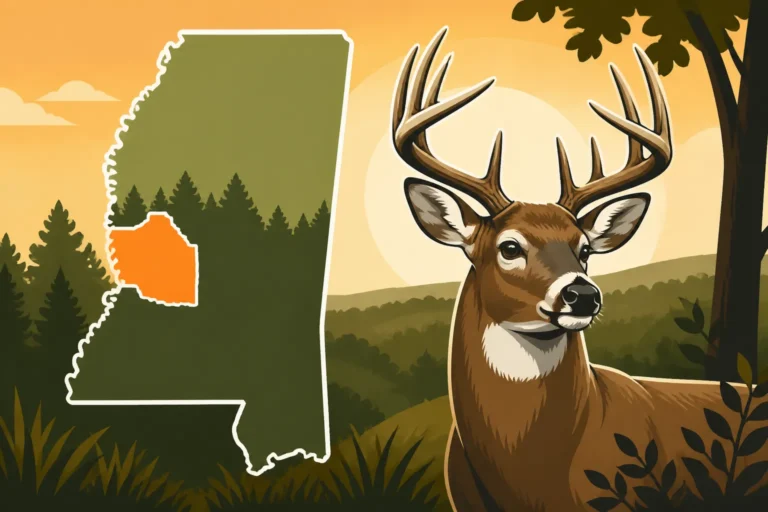
Panther Swamp NWR is primarily located in Yazoo County, but its influence stretches across a significant portion of the Delta. When you look at an aerial map, perhaps on an application like onX Hunt, you'll immediately notice the intricate network of waterways, dense timber, and open sloughs that crisscross the refuge. This isn't just forest; it's a mosaic of habitats. You have towering cypress and tupelo trees standing in water for much of the year, vast sections of mature bottomland hardwoods like oak and pecan, and areas of dense cane or thickets that offer impenetrable cover for wildlife.
The refuge is fundamentally shaped by the Yazoo River basin and its historical flooding patterns. This constant interaction with water creates dynamic conditions—what might be dry ground in October could be under several feet of water by December, completely changing access routes and wildlife behavior. Navigating this terrain requires more than just good boots; it demands a readiness for mud, water, and sometimes thick, unforgiving vegetation. It’s a place where a small jon boat or a dependable set of chest waders can be as important as your rifle or bow.
Wildlife and Ecosystem Dynamics
The primary draw for hunters to Panther Swamp is its reputation for quality whitetail deer and exceptional waterfowl hunting. The rich bottomland soils and abundant water sources provide a fantastic food base, from various acorns in the hardwoods to aquatic vegetation in the sloughs. This allows deer to grow to impressive sizes, particularly bucks, though they can be incredibly elusive in such dense cover. Why the Delta Grows Older Bucks is a concept truly on display here; the refuge provides the habitat and security these animals need to mature.
Beyond deer and ducks, the refuge supports a diverse array of other game species. Wild hogs are prevalent and offer a year-round hunting opportunity that can often be combined with other pursuits. Squirrels thrive in the mast-heavy hardwoods, and the dense cover offers good habitat for rabbits as well. Even predators like coyotes find a home here, offering another potential target. The sheer biodiversity is part of what makes Panther Swamp so captivating. It's a living, breathing ecosystem where every element plays a crucial role, and understanding these dynamics is key to successful hunting.
Regulations and Permits for Panther Swamp
Hunting on a National Wildlife Refuge carries a different set of rules than state Wildlife Management Areas (WMAs) or private land. You can't just show up with your general Mississippi hunting license and expect to be good to go. Panther Swamp National Wildlife Refuge has its own specific regulations, often layered on top of state rules, and typically requires special permits or participation in quota hunts. Failing to understand these can turn a promising hunt into a frustrating, or even unlawful, experience.
Federal Versus State Regulations
The most important thing to grasp about Panther Swamp NWR is that it's managed by the U.S. Fish and Wildlife Service, which means federal regulations are paramount. While state law applies to many aspects of hunting, the refuge can—and often does—implement stricter rules regarding season dates, weapon types, access, and bag limits. For instance, specific units within the refuge might have different season structures or antler restrictions than the general Mississippi Delta Unit guidelines. It's crucial to consult the annual Panther Swamp NWR hunting brochure, which is usually available on the refuge's official website or at local MDWFP offices, before you even think about planning a trip.
These federal overlay rules are designed to manage wildlife populations and preserve habitat specifically within the refuge boundaries. This might mean more restrictive legal buck definitions, different turkey harvest dates, or limitations on hunting methods not seen elsewhere in the state. Always double-check both the Mississippi Department of Wildlife, Fisheries, and Parks (MDWFP) regulations and the specific refuge brochure to ensure full compliance. This layered approach is common on federal lands, and it's a mistake many hunters make by only reviewing state regulations.
Special Quota Hunts and Application Process
For many of the prime hunting opportunities within Panther Swamp NWR, particularly for deer and turkey, you'll often encounter a quota hunt system. This means access is limited, and hunters must apply for a permit and be drawn to participate. These quota hunts are implemented to manage hunting pressure and ensure a high-quality experience while protecting the wildlife resource. The application periods are typically well in advance of the hunting season, so proactive planning is essential.
The MDWFP usually facilitates these quota hunt applications, often through their online portal. You'll need to pay attention to deadlines, application fees, and specific hunt types (e.g., archery, muzzleloader, modern gun). The odds of drawing a permit can vary greatly depending on the popularity of the hunt and the number of available spots. While frustrating for those who don't draw, it ensures that those who do get a chance to hunt in areas with lower pressure and potentially higher success rates. Make sure you understand all the rules for Mississippi WMA Quota Hunt Sign-In Process if you are lucky enough to draw a tag for a hunt.
General Season Dates and Bag Limits
Even for general open hunting periods (which sometimes exist for species like squirrels or hogs without a draw), the season dates and bag limits might differ from statewide regulations. For instance, if Mississippi's general archery season runs for a certain period, Panther Swamp might open later or close earlier, or have specific days of the week designated for hunting. This is particularly true for waterfowl, where refuge-specific zones and dates often apply, sometimes to manage migrating birds or to reduce disturbance during certain periods.
A common oversight is assuming the statewide bag limit applies. The refuge may have a more conservative limit on deer or turkey, especially on quota hunts, to align with their specific management goals. Always carry a copy of the refuge's current regulations with you, even if it's just on your phone (though relying on cell service in parts of Panther Swamp might be risky). Knowing these precise details is critical to avoiding violations and making the most of your hunting time in this unique federal area.
Deer Hunting Strategies in the Bottomlands
Deer hunting in Panther Swamp National Wildlife Refuge is an experience unlike many others in Mississippi. Forget wide-open fields or easily walkable pine plantations; here, you're dealing with dense, often wet, bottomland hardwoods. The deer are present, and often impressive, but they are masters of this challenging environment. Success in these woods hinges on understanding deer movement in relation to water, cover, and subtle terrain changes, and being prepared for the physical demands of navigating such an untamed landscape.
Scouting the Bottomlands
Scouting is paramount in Panther Swamp, perhaps even more so than in other areas. Before the season opens, dedicate significant time to exploring the refuge. Look for higher ground, even slight rises that might be mere inches above standing water. These "islands" become crucial bedding and travel areas for deer, especially during wetter periods. Focus on identifying natural funnels—strips of dry ground between sloughs, narrow bands of hardwoods, or pinch points caused by dense cane thickets. These areas will concentrate deer movement, offering better ambush opportunities. Using a robust mapping app like onX Hunt is invaluable here. It allows you to mark potential bedding areas, identify travel corridors, and visualize the intricate network of sloughs and dry ridges from an aerial perspective. You can even use it to mark potential stand trees or ground blind locations, saving time during the actual hunt.
Look for classic deer sign: rubs, scrapes, and tracks. In the soft, damp soil of the bottomlands, tracks can be particularly telling, indicating size and frequency of travel. Pay close attention to trails that parallel sloughs or connect patches of dry ground. During the late summer and early fall, locate mast crops, especially white oaks and red oaks, as these will be primary food sources once acorns drop. Knowing where the food is will help you predict where deer will be feeding, particularly if you're hunting during periods when the water levels are lower. This pre-season reconnaissance, coupled with a good understanding of Scouting Mississippi Public Land Before Season, will be your greatest asset.
Stand Selection for Swampland Deer
Choosing the right stand location in Panther Swamp involves a unique set of considerations. Given the prevalence of water and thick cover, traditional ladder stands or bulky hang-ons can be difficult to transport and set up. Often, lighter, more portable climbing stands are preferred, allowing you to adapt to changing conditions and follow the deer sign. When selecting a tree, prioritize those on higher ground or along the edges of sloughs and waterways. These locations offer clear shooting lanes and often overlook natural travel corridors.
Ground blinds are another excellent option, especially if you can brush them in effectively. The dense undergrowth in many parts of the refuge provides ample natural camouflage. Placing a ground blind along a subtle ridge, at a funnel between two sloughs, or overlooking a patch of mast-producing trees can be highly effective. The key is to get in early, minimize your disturbance, and let the deer become accustomed to its presence. Always check refuge rules regarding Treestand Rules on Mississippi Public Land and ground blind usage, as some federal lands have specific regulations on how long stands can be left up or what materials can be used.
Hunting the Rut in the Bottomland
The rut in Panther Swamp can be absolutely electric, but it requires patience and a good understanding of deer behavior in this specific habitat. When the bucks start chasing, they'll cover ground, often utilizing those same subtle ridges and dry strips that connect larger blocks of timber. Calling, such as rattling and grunting, can be particularly effective in the dense cover, as it helps project the sound through the thick foliage and can draw curious bucks right into your lap. Rattling Volume in Thick Cover here might need to be a bit louder to penetrate the dense woods.
Focus your rut hunting efforts on those critical transition areas and natural funnels. Bucks will cruise these zones looking for does, and a well-placed stand can offer a shot opportunity at a mature animal. Consider hunting throughout the day, as bucks will often move during midday hours when human pressure might be lower. Understanding Hunting the Rut in the Delta Unit, which encompasses Panther Swamp's general region, will provide valuable insight into peak activity times and what to expect from the deer. The challenges of the terrain might deter some hunters, but those willing to put in the effort during the rut often find some of the best opportunities for a trophy buck in the refuge.
Waterfowl Hunting Opportunities
Panther Swamp National Wildlife Refuge is a magnet for migratory waterfowl, offering some of the most exciting duck and goose hunting experiences in the state. The refuge's intricate network of flooded timber, cypress swamps, and open water provides ideal resting, feeding, and staging areas for thousands of birds annually. However, successful waterfowl hunting here demands specialized gear, a keen understanding of bird behavior, and often, an adventurous spirit to reach the best spots.
Flooded Timber and Greentree Reservoirs
The most iconic waterfowl hunting experience in Panther Swamp involves hunting flooded timber. Imagine standing knee-deep (or deeper!) in an ancient hardwood forest, decoys bobbing among the tree trunks, as mallards and wood ducks cup their wings through the canopy. The refuge manages several greentree reservoirs (GTRs), which are areas of timber deliberately flooded in the fall to create prime duck habitat. These GTRs are often highly productive, drawing in large numbers of ducks.
Hunting flooded timber is an art. It requires patience, stealth, and knowing how to call birds through the trees. Access to these areas often necessitates a boat or long wades, and setting decoys among the stumps and snags can be a workout. The reward, however, is unparalleled: the sound of whistling wings overhead, the splash of ducks landing in your spread, and the unique ambiance of a Delta flooded timber hunt. Understanding Hunting Flooded Timber for Wood Ducks specifically can really boost your success, as these birds are a common sight in the refuge.
Accessing Waterfowl Spots
Getting to your desired waterfowl spot in Panther Swamp can be a significant challenge. Many areas are boat-access-only, requiring a small jon boat or kayak to navigate sloughs and flooded trails. Shallow water drive areas might be restricted, so carrying your boat or paddling in can be the only option. Other areas might be accessible via long, arduous wades, often through thick mud and tangled vegetation. This isn't a place for casual strolls to a blind on a field edge.
Preparation is key. Scout potential access routes during lower water periods to identify hidden obstacles or deeper channels. Carry all necessary safety gear, including life preservers, extra paddles, and a dry bag for your electronics. A GPS device or a robust mapping app like onX Hunt is absolutely essential for navigating the maze of sloughs and timber, especially in the pre-dawn darkness. Losing your way in the swamp is a real possibility without reliable navigation. Familiarize yourself with all rules regarding Mississippi Public Land Hunting Hours to ensure you're entering and exiting legally and safely.
Decoy Spreads and Calling Tactics
Waterfowl in Panther Swamp, especially in heavily hunted areas, can become wise to common calling and decoy tactics. A successful spread often involves a mix of mallard and wood duck decoys, placed naturally to mimic resting or feeding birds. In flooded timber, fewer decoys can sometimes be more effective, creating a more intimate, believable scene. The key is to make it look inviting and safe. Consider adding movement to your spread with jerk strings or spinning-wing decoys (where permitted) to attract attention through the dense canopy.
Calling should be realistic and varied. Aggressive calling can sometimes flare wary birds, especially later in the season. Focus on softer, more inviting quacks and greetings, reserving louder calls for distant birds. Pay attention to how the birds are responding. If they're flaring, scale back your calling. If they're cupping their wings, keep doing what you're doing. Remember, consistency and observation are key to adapting your calling and decoy strategy to the specific conditions and bird behavior on any given day in Panther Swamp.
Small Game and Furbearer Hunting
While deer and waterfowl often grab the headlines, Panther Swamp National Wildlife Refuge also offers excellent opportunities for small game and furbearer hunting. These pursuits can be incredibly rewarding, offering a different pace and a chance to explore more of the refuge's diverse habitats. Plus, for species like feral hogs, it's often a year-round proposition that can add excitement to any trip.
Squirrel Hunting Delta Bottomland Hardwoods
The mature bottomland hardwoods of Panther Swamp are absolutely teeming with squirrels, primarily fox and gray squirrels. During the fall and winter months, when the acorn crop is abundant, you can find fantastic hunting here. It's a classic Mississippi tradition, offering a chance to hone your stalking skills and enjoy the tranquility of the woods without the intense pressure often associated with deer or duck season. Squirrel Hunting Delta Bottomland Hardwoods is a perfect description of the experience.
Hunting squirrels in Panther Swamp usually involves still-hunting or slow stalking through the woods, pausing frequently to listen for the chatter, cutting of nuts, or rustling of leaves that betray a squirrel's presence. A good .22 rifle or a shotgun with light loads are ideal. Pay attention to the types of trees producing mast—oaks, pecans, and hickories will be hot spots. Early mornings and late afternoons are typically the most productive times, as squirrels are actively feeding. It’s a great way to introduce new hunters to the field or simply enjoy a relaxing day in some of Mississippi's most beautiful forests.
Feral Hogs Across Mississippi
Feral hogs are an undeniable presence in Panther Swamp NWR, as they are Feral Hogs Across Mississippi. These intelligent and destructive animals are considered an invasive species, and hunting them is not only allowed but encouraged as a management tool. They offer a unique hunting challenge, given their wary nature and ability to disappear into the thickest cover. While specific regulations vary (always check the refuge brochure), hog hunting is often permitted during other open seasons or even on special dedicated hunts.
Hunting hogs in Panther Swamp can be done in several ways. Still-hunting the edges of sloughs or dense thickets can yield opportunities, especially early in the morning or late in the evening when hogs are most active. You might stumble upon them while deer hunting, adding an exciting bonus to your trip. Trapping can also be an effective control method if permitted by the refuge. Due to their rapid reproduction and destructive impact on the ecosystem, removing hogs is a service to the refuge and often provides excellent table fare. Be prepared for any encounter; hogs are tough animals, and a well-placed shot is essential.
Logistics and Preparation for a Panther Swamp Hunt
Hunting Panther Swamp National Wildlife Refuge is an adventure that requires careful planning and preparation. Its wild, wet character means you can't just throw your gear in the truck and go; you need to anticipate the challenges of the terrain, navigate complex regulations, and equip yourself for a demanding outdoor experience. Thinking through these logistical elements beforehand can make the difference between a successful, enjoyable hunt and a frustrating, uncomfortable one.
Access Points and Navigation
One of the biggest hurdles in Panther Swamp is simply getting where you need to go and knowing where you are. The refuge has various designated access points, often gravel roads or boat ramps, but once you leave these main arteries, the landscape can become disorienting. Flooded roads, overgrown trails, and the absence of clear landmarks are common. This is where modern navigation tools become non-negotiable.
A GPS unit or a high-quality mapping app like onX Hunt is absolutely essential. Download offline maps before you go, as cell service is notoriously spotty or non-existent in much of the refuge. Use the app to mark your truck, your stand locations, and any significant features like sloughs, dry ridges, or game trails. This digital breadcrumb trail can literally be a lifesaver when trying to find your way back in the dark or through thick cover. Always have a backup, whether it's a compass and paper map or a second GPS device. Understanding Using the MDWFP App Without Cell Service can be another valuable tool in your arsenal for land navigation.
Safety Considerations
The inherent wildness of Panther Swamp means safety should always be your top priority. Hunting near water brings its own risks: cold temperatures, swift currents, and the potential for capsizing a boat. Always wear a life preserver when on the water, and let someone know your float plan and expected return time. The dense cover can also make tracking wounded game challenging, increasing the risk of getting lost or having to retrieve an animal from difficult terrain.
Beyond the environment, be mindful of other hunters, especially during peak seasons. Public land means shared space, so practice good hunter etiquette. Wear appropriate blaze orange or pink during gun seasons, as required by state and refuge regulations. Be aware of your surroundings, identify your target definitively, and always know what lies beyond it. Lastly, the Delta's climate can be extreme. Be prepared for sudden weather changes, from torrential downpours to unexpected cold snaps. Carry extra layers, rain gear, and plenty of water, even on short hunts.
Essential Gear for Swamp Hunting
Your gear choices for Panther Swamp will significantly impact your comfort and effectiveness. Forget your fair-weather hunting clothes; this environment demands durable, water-resistant, and versatile equipment. Here's a quick rundown of some non-negotiable items:
| Category | Essential Gear | Why It's Crucial |
|---|---|---|
| Footwear | Chest waders, knee boots, or hip waders | Navigate flooded timber, sloughs, and muddy trails. |
| Navigation | GPS device or phone with offline maps (onX Hunt) | Prevents getting lost in the confusing terrain and dense cover. |
| Water Access | Jon boat, kayak, or canoe | Required for reaching many prime waterfowl and deer hunting areas. |
| Clothing | Layered, moisture-wicking, waterproof outerwear | Adapts to changing Delta weather; keeps you dry and warm in wet conditions. |
| Safety | Life preserver, first-aid kit, whistle, flashlight | Critical for water safety, emergencies, and navigating in the dark. |
| Insect Repel | Strong bug spray with DEET or permethrin | Mosquitoes, ticks, and gnats can be relentless in the swamp. |
| Game Retrieval | Game cart, sled, or sturdy rope | Dragging deer or hogs through mud and water is extremely difficult without assistance. |
| Optics | Binoculars (8x or 10x) | Spotting game in thick cover and identifying subtle terrain features. |
Always pack more water and snacks than you think you'll need. A good waterproof backpack is also a must for keeping your essentials dry. The sheer physical effort required to hunt Panther Swamp can be draining, so staying hydrated and fueled is important. Embrace the challenge, prepare thoroughly, and you'll find that Panther Swamp National Wildlife Refuge offers a truly wild and unforgettable hunting experience.
Disclaimer
This article is for general informational purposes only and does not constitute professional advice. Laws, prices and regulations vary by location and change over time. Consult a qualified professional for guidance on your specific situation.