Pascagoula Marsh Public Hunting Ground
Hunting the vast, often intimidating stretches of coastal marshland can feel like an entirely different world compared to the familiar piney woods or Delta hardwoods. If you've ever felt overwhelmed by the sheer scale of the Mississippi coast, or wondered how to even begin tackling such an immense, water-logged landscape for game, then you're not alone. This guide is dedicated to breaking down everything you need to know about accessing and successfully hunting the Pascagoula Marsh Public Hunting Ground, helping you unlock some truly unique and rewarding opportunities along Mississippi's beautiful Gulf Coast.
Understanding the Pascagoula Marsh Ecosystem
The Pascagoula Marsh is a truly unique public hunting ground, starkly different from almost anywhere else in Mississippi. It's not about treestands in dense timber or scouting ridge lines; it's a world of salt marsh, brackish water, and ever-shifting tides. For hunters used to inland terrain, this environment presents its own set of challenges and rewards. Understanding this ecosystem is the first step to becoming a successful marsh hunter.
The Dynamic Nature of the Marsh Habitat
Imagine miles of spartina grass swaying in the coastal breeze, intersected by countless bayous, sloughs, and shallow ponds. That's the heart of the Pascagoula Marsh. This isn't static land; it's a dynamic interface between land and sea, constantly influenced by the daily ebb and flow of tides and seasonal weather patterns. The water levels can change dramatically, impacting everything from travel routes to where game animals feed and seek cover. A spot that's an accessible mudflat at low tide might be a deep channel a few hours later, and vice-versa. This constant flux means that understanding tide charts and observing water movement is just as important, if not more so, than reading deer sign in the woods. Hunters often find themselves navigating through thick, boggy terrain or poling through incredibly shallow water, making specialized gear and a patient mindset essential.
The vegetation here is hardy and salt-tolerant, dominated by various marsh grasses. While it might look uniform from a distance, there are subtle differences in elevation and plant density that create diverse micro-habitats. Higher ground, even just a few inches above the average water line, can become crucial bedding and resting areas for animals like deer and hogs during high tides or storm surges. Knowing how to identify these slightly elevated "islands" or dense thickets within the marsh is key to finding game.
Navigating the Maze: Channels, Bayous, and Open Water
The Pascagoula Marsh is a natural labyrinth. Without proper navigation tools, it's incredibly easy to get turned around, especially when the weather rolls in or fog settles over the water. The main artery is the Pascagoula River, which feeds into countless smaller bayous, canals, and creeks that snake through the marsh. These waterways are your highways, but not all are navigable by larger boats, and many dead-end into shallow mudflats.
Most successful marsh hunters rely heavily on shallow-draft boats – skiffs, jon boats, or even kayaks and canoes – to access the interior. An airboat might be ideal, but it's not a common piece of equipment for the average hunter. Even with a good boat, you'll encounter areas that are simply too shallow or choked with vegetation, requiring you to get out and push, or even paddle. This is where a reliable GPS unit or mapping app like onX Hunt becomes invaluable. You can mark your entry points, track your routes, and identify deeper channels or potential hazards before you even set foot (or hull) in the water. Having a clear understanding of the designated navigation channels versus smaller, unmarked waterways is critical for both safety and effectiveness.
Hunting Opportunities and Target Species
The Pascagoula Marsh Public Hunting Ground offers a truly unique hunting experience, primarily known for its incredible waterfowl opportunities, but also holding a respectable population of feral hogs and even some deer adapted to the coastal environment. It’s a diverse landscape that rewards specialized tactics.
Waterfowl Hunting: A Marsh Hunter's Paradise
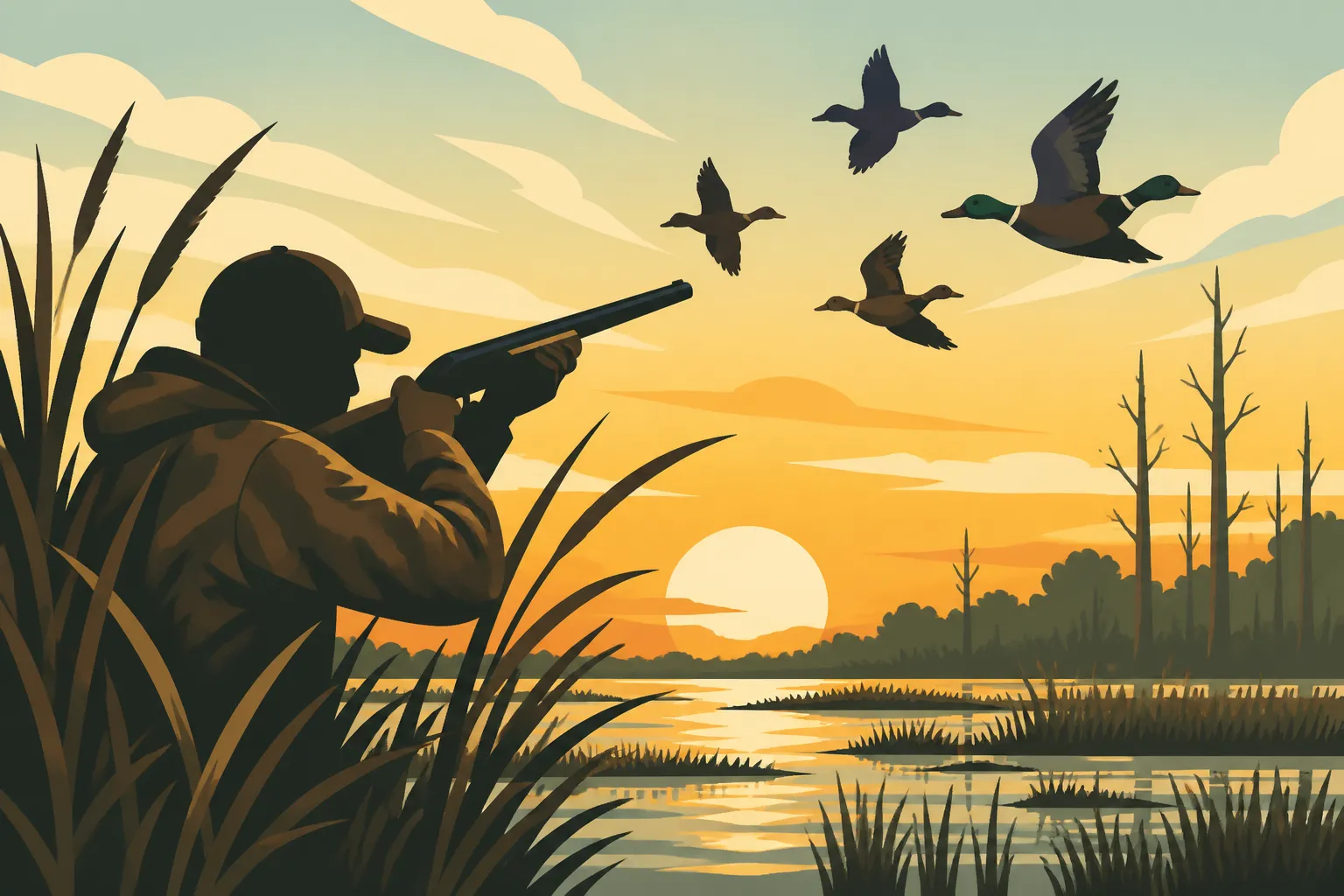
For many, the Pascagoula Marsh is synonymous with duck hunting. Located along the Mississippi Flyway, this area is a critical wintering ground for a variety of migratory waterfowl. You'll find a mix of dabbling ducks like mallards, gadwall, wigeon, and pintails, alongside diving ducks such as scaup, redheads, and buffleheads. Wood ducks also frequent the more brackish and freshwater fringes of the marsh. The sheer expanse of shallow, food-rich water makes it an ideal stopover and winter habitat.
Hunting waterfowl here often involves setting up in secluded ponds or along the edges of bayous, using decoys and calling to entice birds. Access is key; hunters typically scout out hidden potholes or small open-water areas that are hard for others to reach. This usually means a long boat ride, followed by a haul of decoys and gear to a strategically chosen blind site, which could be natural vegetation you brush up or even just hunkering down in thick marsh grass. Mississippi Waterfowl Zones and Seasons provides a great overview of the regulatory framework for planning your duck hunt, while Hunting Greentree Reservoirs for Mallards offers insights into specific tactics, though you'll need to adapt them to the marsh's unique open-water environment. Early morning flights can be spectacular, with birds working the abundant food sources across the marsh. Understanding wind direction and how it affects bird movement is paramount, as is the tide, which can either bring ducks closer to your spread or push them out of reach.
Feral Hogs and Deer: Surviving the Coastal Edge
While ducks might be the main draw, the Pascagoula Marsh also supports a healthy population of feral hogs and a surprising number of white-tailed deer. These animals are incredibly adapted to the marsh environment, using the dense cover of marsh grasses and higher ground for bedding and foraging. Hunting hogs here can be a year-round pursuit, offering a different kind of challenge than a typical woodland hunt. Hogs are often found rooting along the slightly elevated ridges or "islands" within the marsh, or along the natural levees of the larger bayous, searching for tubers and roots. Tracking them can be difficult in the wet, muddy conditions, but their destructive rooting sign is unmistakable. Hunting Mississippi's Year-Round Feral Hogs delves deeper into general hog hunting strategies, many of which can be adapted to this unique coastal setting.
Deer in the marsh tend to be smaller than their Delta cousins, but they are equally resilient. They navigate the marsh with surprising agility, often using the same elevated areas as the hogs. Spot-and-stalk can be effective in areas with more open visibility, but still-hunting along slightly higher ground or near dense thickets is a common tactic. During extremely high tides or floods, deer will concentrate on any available high ground, which can make them more predictable, but also more vulnerable. Hunters pursuing deer and hogs here need to be prepared for difficult retrieves, often involving mud, water, and thick vegetation. The sheer wildness of the Pascagoula Marsh offers a truly unique backdrop for hunting these resilient coastal residents.
Navigating the Marsh: Access and Gear
Venturing into the Pascagoula Marsh Public Hunting Ground requires more than just your typical hunting boots and a rifle. This isn't your grandfather's deer stand setup; it's a specialized environment that demands specific gear and a strategic approach to access. Without understanding these fundamentals, you might find yourself stuck, wet, or simply lost.
Essential Watercraft and Access Points
The biggest hurdle for most hunters in the Pascagoula Marsh is simply getting around. You absolutely need a boat, and not just any boat. A shallow-draft vessel is paramount. Think jon boats, skiffs, or even kayaks and canoes, especially if you're planning to access the shallower, more remote interior sections. A flat-bottomed jon boat with a small outboard or mud motor is probably the most versatile option, allowing you to run in relatively shallow water and then pole or paddle when it gets too thin. Airboats are fantastic but not everyone has one. For those without a specialized boat, kayaks and canoes open up a world of silent, stealthy access to areas that motorized boats can't reach, perfect for jump-shooting ducks or silently slipping into hog bedding areas.
Public boat launches are your primary gateways into the marsh. Look for designated ramps along the Pascagoula River and its larger tributaries. Places like the H.E. Corley Public Boat Launch in Pascagoula, or ramps further upriver, provide good starting points. However, understand that a launch is just that—a starting point. From there, you'll need to navigate a network of bayous and sloughs, some wide and deep, others narrow and often choked with vegetation. Using an app like onX Hunt is crucial for identifying these launches, marking channels, and understanding the property boundaries of the Pascagoula Marsh Public Hunting Ground versus adjacent private lands. Always ensure your boat is well-maintained, your fuel tank is full, and you have all required safety equipment, including paddles, life jackets, and a first-aid kit. The marsh is no place to run out of gas or be stranded.
Gear for the Coastal Environment
Your gear choices in the Pascagoula Marsh need to reflect the unique conditions: water, mud, salt, and mosquitoes. Waterproofing isn't a luxury; it's a necessity. Good quality waders are essential, as you'll likely be wading through mud and shallow water to set decoys, retrieve game, or push your boat through shallow spots. Chest waders are often preferred over hip waders for the added protection against deeper sloughs and unexpected drops. Beyond waders, consider waterproof jackets and pants, and always pack a dry bag with extra clothing, food, water, and communication devices. A reliable headlamp is also vital, especially for pre-dawn setups or navigating after dark.
Mosquitoes and biting flies can be relentless, particularly during warmer parts of the season. Strong insect repellent, and even head nets or bug suits, are not an overreaction; they are part of survival. Saltwater can be corrosive, so ensure your firearms and other metal gear are well-oiled and cleaned promptly after each trip. A GPS device or a robust mapping app on your phone, like onX Hunt, is non-negotiable. Cellular service can be spotty in remote marsh areas, so download offline maps before you go. A compass and paper map, though old-school, serve as excellent backups. Finally, a good pair of binoculars or a spotting scope can be incredibly useful for scanning the vast expanses for game movement or identifying potential hunting spots from a distance.
Planning Your Hunt and Regulations
Embarking on a hunt in the Pascagoula Marsh Public Hunting Ground isn't something you just do on a whim. It demands careful planning, a thorough understanding of regulations, and a strong emphasis on safety. This unique environment comes with its own set of rules and considerations that differ significantly from typical inland hunting.
Understanding MDWFP Regulations and Permits
Like all public lands in Mississippi, the Pascagoula Marsh is managed by the Mississippi Department of Wildlife, Fisheries, and Parks (MDWFP). Before you even think about putting a boat in the water, you absolutely must check the most current regulations for the Pascagoula River Coastal Preserve Management Area. These regulations cover everything from season dates and bag limits for various species to specific rules about vehicle access, camping, and even boat motor restrictions in certain areas. Remember that rules can change from year to year, so always consult the latest MDWFP hunting guide.
You'll need a valid Mississippi hunting license, and if you're targeting migratory birds, don't forget your Mississippi waterfowl stamp, Federal Duck Stamp, and HIP certification. Mississippi Hunting Licenses and What They Cost will give you the rundown on license requirements. For some species or specific areas within the preserve, special permits or draw hunts might be required, so it's critical to verify these details well in advance. Pay close attention to rules regarding baiting, firearm types, and blaze orange requirements if you're hunting deer or hogs during gun seasons. The penalties for violating these regulations can be severe, and ignorance of the law is never an excuse. Always carry proof of your license and permits with you, ideally in a waterproof bag, as conservation officers frequent these areas.
Safety First in the Marsh Environment
Hunting in the Pascagoula Marsh presents unique safety challenges that demand respect and preparation. The biggest factor is the water itself. Always wear a life jacket, especially when moving in your boat, and ensure everyone in your party does the same. Tides can strand you, and sudden weather changes, like afternoon thunderstorms or cold fronts, can quickly turn calm waters into dangerous conditions. Monitor weather forecasts meticulously and be prepared to cut your hunt short if conditions deteriorate. Fog can roll in swiftly, making navigation treacherous; if it does, slow down, use your GPS, and consider finding a safe spot to wait it out.
Getting lost is a very real possibility in the maze-like marsh. As mentioned earlier, a reliable GPS with pre-loaded maps (like onX Hunt or even a handheld unit) is indispensable. Tell someone reliable exactly where you're going and when you expect to return. This "float plan" is a critical safety measure. Be mindful of dehydration, especially on sunny days, and pack plenty of water. The physically demanding nature of marsh hunting means you'll expend more energy than you might realize. Finally, be aware of wildlife beyond your target species. Alligators are present in the marsh, and while generally shy, they command respect. Rattlesnakes and cottonmouths are also native to the region, so watch your step in any areas of higher ground. Mississippi Firearms Discharge Setback Rules are also important to be aware of, even in such a remote area, as accidental discharge or proximity to unintended targets can lead to serious consequences.
Considerations for a Successful Marsh Hunt
Beyond the rules and safety, there are several practical considerations that can make or break your Pascagoula Marsh hunt. Scouting is paramount, and it's best done outside of hunting season if possible, to learn the lay of the land, identify tidal influences, and locate game sign without pressure. Look for pinch points, elevated islands, and areas where fresh water mixes with saltier bayous, as these often concentrate game.
Bring enough food and water for longer than you expect, and pack it in waterproof containers. A change of dry clothes is also highly recommended, stored in a dry bag. Retrieving game in the marsh can be messy and challenging. A sturdy game cart might seem out of place, but sometimes even a modified sled can help drag a deer or hog through shallower, mucky areas. For waterfowl, a good retriever is invaluable, saving you from countless muddy wades. Don't underestimate the physical demands; marsh hunting is hard work, often requiring you to push, pull, or wade through difficult terrain. Being physically prepared will make the experience much more enjoyable. A well-planned, respectful approach to the Pascagoula Marsh Public Hunting Ground can lead to some of the most rewarding and unique hunting adventures Mississippi has to offer.
Disclaimer
This article is for general informational purposes only and does not constitute professional advice. Laws, prices and regulations vary by location and change over time. Consult a qualified professional for guidance on your specific situation.