Mississippi Waterfowl Zones and Seasons
It’s a common frustration for Mississippi waterfowl hunters: you’re trying to plan your season, eager to hit the blinds, but then you stare at the regulations and realize there are multiple zones with different dates. It feels like you need a law degree just to figure out when and where you can legally hunt. This guide is here to untangle that web, breaking down Mississippi’s waterfowl zones and seasons into plain English so you can spend less time scratching your head and more time watching ducks cup their wings.
Understanding Mississippi's Waterfowl Zones
Navigating the complexities of waterfowl seasons in Mississippi can feel like trying to call ducks in a hurricane—confusing and prone to misdirection. But once you understand the logic behind the zones, it starts to make a lot more sense. Mississippi isn't a one-size-fits-all state for duck and goose hunting, and for good reason. The Mississippi Department of Wildlife, Fisheries, and Parks (MDWFP) has strategically divided the state into distinct zones to better manage migratory bird populations and provide optimal hunting opportunities based on historical migration patterns and habitat availability. This zoning ensures that hunters across different regions can experience a productive season, even as bird movements fluctuate throughout the fall and winter.
Why the Zones Exist
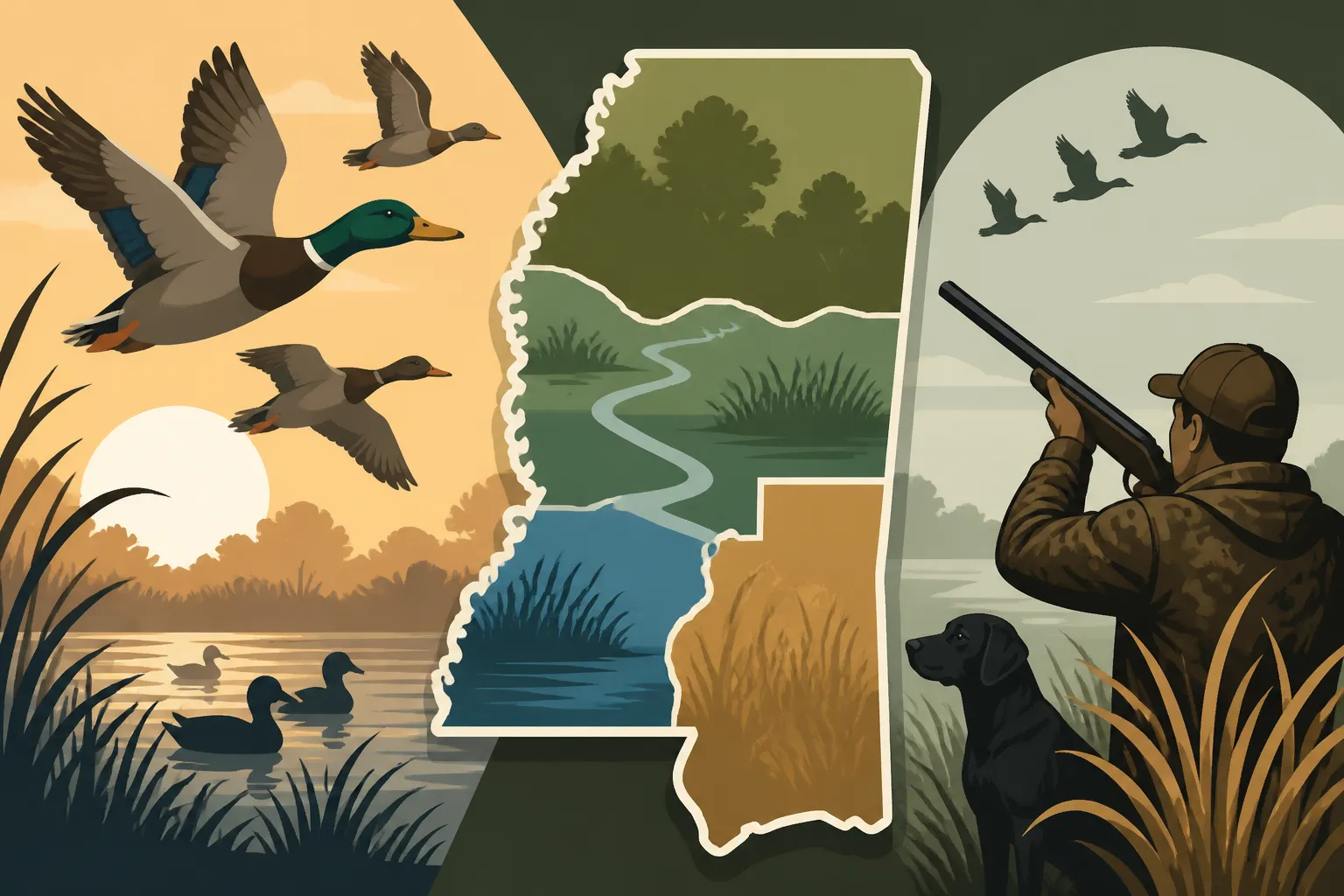
The primary reason for these distinct waterfowl zones boils down to geography, habitat, and the erratic nature of waterfowl migration. Mississippi is a long state, stretching from the fertile agricultural fields of the Delta in the north down to the coastal marshes of the Gulf. Ducks and geese don't arrive and depart on a perfectly synchronized schedule across such varied landscapes. The North Zone, for instance, often sees earlier arrivals of birds pushing down from the flyway, especially with cold fronts hitting states further north. Conversely, the South Zone might hold birds later into the season, benefitting from milder coastal temperatures and different agricultural cycles. The Mississippi River Zone has its own unique ecosystem, influenced directly by the river's ebb and flow, which attracts birds in specific patterns. Without zoning, a statewide season might be too early for some areas and too late for others, leading to either missed opportunities or overharvest.
How Zone Lines Are Drawn
The dividing lines between Mississippi’s waterfowl zones aren't arbitrary; they follow clearly defined geographical and political boundaries, making it easier for hunters to know exactly which zone they're in. For example, the dividing line between the North and South zones often follows specific highways or county lines that roughly bisect the state. This creates clear, identifiable markers that even hunters less familiar with the local geography can discern using a good map or a GPS-enabled hunting app like GoHunt. The Mississippi River Zone, as you might expect, generally encompasses a narrow strip of land adjacent to the river itself, recognizing the unique waterfowl movements and staging habits associated with this massive waterway. These lines are carefully considered to reflect significant changes in habitat, agricultural practices, and the timing of peak migration.
Impact on Hunter Strategy
Knowing which zone you're in, and understanding the nuances of its season dates, is absolutely critical for effective waterfowl hunting strategy. If you primarily hunt in the North Zone, you'll need to be ready for an earlier opening and often an earlier "split" in the season, which might mean focusing on early migrants or local birds before the big push arrives. Conversely, if your prime spots are in the South Zone, you might find later season opportunities to be more consistent as birds settle into their wintering grounds. The differing season splits, for instance, allow hunters to adjust their work and family schedules to align with the best potential hunting windows in their respective zones. It also influences scouting; an early cold snap might fill up a North Zone timber hole, while a persistent warm spell could delay good hunting in the South. Staying on top of these dates is paramount. You might find our article on Mississippi Duck Zone Split Rules to be particularly helpful in understanding these strategic implications.
Diving Deep into the North Zone
The North Zone of Mississippi is, for many, the quintessential duck hunting experience, especially if you envision flooded timber and vast agricultural fields teeming with mallards. This region, encompassing much of the Mississippi Delta and the northern tier of the state, acts as a major wintering ground and migration corridor for a significant portion of the Mississippi Flyway's waterfowl. When those big cold fronts blast through the Midwest, birds pour into this area, making for some truly memorable hunts. However, the season structure here is often marked by a split, demanding a keen understanding of dates to maximize your time afield.
Key Dates and Season Splits
The North Zone typically kicks off its duck season earlier than the South, often in late November, with an initial segment that runs for a couple of weeks. This early window can be fantastic, especially if local birds are abundant or an early push of migrators arrives. Then, there's usually a "split"—a period, often in December, where duck hunting is temporarily closed. This split is designed to rest the birds and allow for a fresh influx of migrants before the longer, second segment of the season reopens, typically right around Christmas and running into late January. Knowing these specific dates is paramount. For example, you might experience an exhilarating opening week, then need to patiently wait a few weeks for the second, often more productive, half of the season. Always check the current MDWFP regulations for the exact dates each year, as they can shift slightly. Our detailed guide on Hunting the North Zone Duck Split offers even more specific tactics for this unique period.
Common Hunting Scenarios in the North
When you think of North Zone duck hunting, several classic scenarios come to mind. The Delta's flooded timber is legendary, where hunters often sit in standing water, calling mallards through the canopy. These hunts can be incredibly exciting, especially on crisp, clear mornings. Beyond the timber, vast agricultural fields, particularly cut rice and soybean fields, attract huge numbers of ducks and geese. Layout blind hunting in these fields is a popular and effective method. You'll also find opportunities on private reservoirs, oxbow lakes, and smaller cypress brakes. The key in many of these areas is water management—farmers and landowners actively flood fields to attract birds, creating prime habitat. Hunters in this zone often scout heavily, driving miles of backroads, looking for fresh bird activity to guide their setup for the next morning.
Species Focus and Habitat
While many species of waterfowl utilize the North Zone, the undisputed king here is often the mallard. Greenheads dominate the conversations and the bag limits, especially in the flooded timber and agricultural fields. Wood ducks are also prevalent, particularly in timbered sloughs and creeks. You'll find good numbers of gadwalls, wigeon, and pintails, especially in the shallower, open water areas. Goose hunting, primarily for specklebellies (white-fronted geese) and snow geese, is also a major draw, with large concentrations often found feeding in the same agricultural fields as ducks. The habitat is rich and varied: from the deep, dark waters of the Delta bottomlands to the expansive, food-rich fields. Understanding how these diverse habitats attract specific species is key to consistently filling your strap. For a deeper dive into hunting specific habitats, consider reading about Hunting Greentree Reservoirs for Mallards or Hunting Flooded Timber for Wood Ducks.
Exploring the South Zone Opportunities
If the North Zone is famous for its Delta timber, the South Zone offers a different, yet equally exciting, flavor of Mississippi waterfowl hunting. Stretching from the central part of the state down to the Gulf Coast, this region presents diverse habitats, from large reservoirs and river systems to coastal marshes and even some agricultural landscapes further inland. The migration patterns here can be influenced by different factors, and the season structure reflects this unique dynamic.
Season Framework and Distinctive Periods
The South Zone typically has a slightly different season framework than the North, often opening a bit later and sometimes featuring different split dates. This later opening often aligns with the main migratory push reaching the lower half of the state, and the season may run consistently further into January. While splits can still occur, their timing might differ, offering hunters who live or can travel to the South Zone a distinct window of opportunity. It's not uncommon for hunters to experience excellent late-season shoots in the South as birds from the colder North push further south in search of milder weather and abundant food sources. Again, verifying the exact dates with the MDWFP regulations each year is crucial, as they can vary slightly due to biological assessments and federal frameworks. Our article on Hunting the South Zone Duck Split provides valuable insights into planning for these periods.
Unique Challenges and Rewards
Hunting in the South Zone comes with its own set of challenges and, often, unique rewards. While you might not find the same expansive tracts of flooded timber as in the Delta, you'll encounter large public reservoirs like Ross Barnett, the Pascagoula River system, and numerous smaller ponds, creeks, and coastal marsh areas. Weather can be a significant factor; milder temperatures mean you might need to adapt your calling and decoy spreads, and sometimes the birds are less concentrated than in the colder north. However, the rewards can be incredible. Coastal areas, in particular, can hold massive numbers of divers and sea ducks, offering a completely different hunting experience. The Pascagoula River, with its vast bottomland hardwoods and oxbows, offers excellent opportunities for puddle ducks. Access can sometimes be more challenging, requiring smaller boats or more legwork to reach remote areas.
Key Species and Coastal Influence
While mallards are still pursued, the South Zone often sees a more diverse mix of puddle ducks, including strong populations of wood ducks, gadwalls, teal, and wigeon. Ring-necked ducks are particularly prominent on many of the larger reservoirs and deeper swamps. Along the Gulf Coast, you'll also encounter a greater variety of diving ducks such as scaup, redheads, and buffleheads, which are less common further north. The coastal marshes, like those found around the Pascagoula River Wildlife Management Area, are crucial wintering grounds for many species, and their unique brackish water habitats attract birds that might bypass inland areas. Goose hunting is also available, with Canada geese and some specklebellies utilizing agricultural lands and larger water bodies. Understanding the preferred habitats of these varied species will greatly enhance your success in the South Zone.
The Mississippi River Zone Anomaly
Separate from the standard North and South zones, Mississippi also recognizes a distinct "Mississippi River Zone." This isn't just a geographical area; it's a specific hunting zone with its own unique set of season dates and regulations. This distinction highlights the immense importance of the Mississippi River itself as a vital artery for waterfowl migration and a critical wintering habitat. The river system, with its ever-changing sandbars, backwaters, sloughs, and batture lands, draws and holds birds in patterns that differ significantly from the more inland regions of the state.
Defining the River Zone Boundaries
The boundaries of the Mississippi River Zone are typically defined as a narrow strip of land adjacent to the main channel of the Mississippi River, often extending a specified distance inland from the ordinary high water mark or encompassing specific counties bordering the river. This usually includes areas like the batture lands—the uncultivated lands between the river levee and the river channel—which are prone to flooding and offer prime, dynamic waterfowl habitat. For a hunter, understanding these exact boundaries is crucial to ensure you're hunting under the correct regulations. These lines are clearly outlined in the MDWFP hunting guide and on official maps. Using a GPS-enabled app like GoHunt with property and zone overlays can be incredibly helpful in navigating these specific areas to avoid any accidental violations.
Special Season Dates and Regulations
The Mississippi River Zone frequently has season dates that diverge from both the North and South Zones. This is often to optimize hunting opportunities based on the concentrated migration and wintering patterns unique to the river itself. Sometimes the river zone might open earlier, or have a later closure, or even feature a different split structure. These specific regulations acknowledge that birds using the main river corridor might behave differently or arrive at different times than those dispersing into the Delta or Piney Woods. Hunters planning a trip to these river lands need to pay close attention to the specific Mississippi River Zone dates, not just the general North or South Zone dates, to ensure compliance and avoid any missteps. Special attention might also be needed for specific bag limits or shooting hours that could differ slightly from other zones.
Hunting Pressure and Opportunity
Hunting the Mississippi River Zone can be both incredibly rewarding and, at times, incredibly challenging due to the dynamic nature of the river and varying hunting pressure. Because the river is such a major flyway, it can attract huge numbers of birds, creating fantastic opportunities. However, good access points are often well-known, and certain areas can see significant pressure, especially on weekends and during peak migration. Public access might be available on some batture lands or through specific wildlife management areas adjacent to the river, but many prime spots are on private leases. The constant change in water levels, sandbar formations, and vegetation growth means that what was a hot spot one year might be barren the next, requiring constant scouting and adaptability. Yet, for those willing to put in the effort, the raw, wild nature of the Mississippi River provides some of the most authentic and exciting waterfowl hunting experiences in the state. If you're considering this unique area, checking out resources like Hunting the Mississippi River Backwaters might give you an edge.
Essential Waterfowl Species and Bag Limits
While the thrill of waterfowl hunting often centers around the challenge and the experience, understanding the specific species you're pursuing and the legal bag limits is fundamental to responsible and sustainable hunting. Mississippi's diverse habitats attract a wide array of ducks and geese, each with their own appeal and regulatory specifics. It's not just about how many birds you can shoot, but often which birds you can shoot, and how many of each.
Mallards and Wood Ducks: Mississippi Mainstays
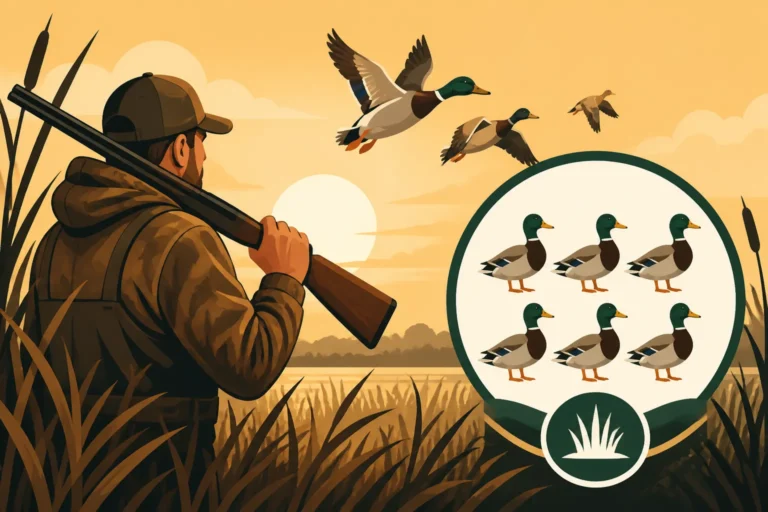
When you talk about duck hunting in Mississippi, mallards and wood ducks are usually at the top of the list for good reason. Mallards, especially the green-headed drakes, are iconic for their distinct call and challenging flight patterns, making them a favorite in flooded timber and agricultural fields. Wood ducks, with their incredible iridescent plumage and lightning-fast flight through the trees, are another highly sought-after species, particularly in swampy, wooded areas. Both species have specific bag limits. Typically, the daily bag limit for ducks will be six birds, but there will be specific sub-limits within that total for certain species. For example, you might be allowed a maximum of 4 mallards, with no more than 2 being hens, and perhaps 3 wood ducks per day within your total six-duck limit. These sub-limits are crucial for managing populations and ensuring long-term sustainability. Always refer to the current MDWFP guide for the most up-to-date Mississippi Duck Daily Bag Limit and sub-limit rules.
Geese and Other Migratory Birds
Beyond ducks, Mississippi offers exciting opportunities for goose hunting. The primary species pursued are specklebellies (greater white-fronted geese) and Canada geese. Specklebellies are highly prized for their meat and the unique challenge of calling them into range over open fields, often found alongside ducks in the Delta. Canada geese, while less abundant as true migrants in some parts of the state, have established resident populations and also migrate through, especially in the northern counties. Snow geese can also be present, sometimes in massive flocks, offering opportunities under special conservation order seasons with very liberal limits. The daily bag limits for geese are separate from duck limits and are often much higher, particularly for snow geese during their conservation order season. For instance, you might be allowed 5 specklebellies, 1 Canada goose, and 20 snow geese per day. Other migratory birds, such as mergansers and coots, also have specific season dates and bag limits that hunters should be aware of. Our guide on Mississippi Duck and Goose Bag Limits provides a complete breakdown.
Understanding Daily and Possession Limits
It's vital for every hunter to understand the difference between daily bag limits and possession limits. The daily bag limit refers to the maximum number of a species you can harvest in one calendar day. The possession limit, on the other hand, is the maximum number of harvested birds you can legally possess at any given time, including those stored at home, in camp, or in transit. This limit is typically two or three times the daily bag limit. For instance, if the daily duck limit is six and the possession limit is eighteen, you could shoot six ducks on Friday, six on Saturday, and six on Sunday, and legally possess all eighteen, as long as you don't exceed eighteen total at any point. These limits are designed to prevent excessive harvest and manage populations effectively over the entire season. Keeping accurate counts, especially over multi-day hunts, is crucial for staying within the law.
| Species Category | Daily Bag Limit (General Example) | Possession Limit (General Example) | Notes/Sub-Limits |
|---|---|---|---|
| Ducks (Total) | 6 | 18 | Includes all ducks, with specific sub-limits for certain species. |
| Mallards | 4 (no more than 2 hens) | 12 (no more than 6 hens) | Most common duck, key sub-limit. |
| Wood Ducks | 3 | 9 | Fast flyers, often found in timber. |
| Pintails | 1 | 3 | Often less common, strict limit. |
| Canvasbacks | 2 | 6 | Diver, specific limit due to population. |
| Redheads | 2 | 6 | Diver, specific limit due to population. |
| Scaup (Bluebills) | 2 | 6 | Diver, important to identify. |
| Geese (Specklebellies) | 5 | 15 | Popular for meat and calling. |
| Geese (Canada) | 1 | 3 | Resident and migratory populations. |
| Geese (Snow/Blue/Ross) | 20 (during regular season) | No limit (during Conservation Order) | Special rules for conservation order. |
| Mergansers | 5 (no more than 2 Hooded) | 15 (no more than 6 Hooded) | Often overlooked, but good table fare. |
| Coots | 15 | 45 | Plentiful, legal to harvest. |
Note: These are illustrative examples. Always consult the current official MDWFP hunting regulations for exact, up-to-date bag and possession limits before hunting, as they can change annually.
Navigating Licenses, Permits, and Stamps
Beyond knowing your zones and seasons, a critical part of being a legal and responsible waterfowl hunter in Mississippi is ensuring you have all the necessary licenses, permits, and stamps. It's not just a matter of carrying a single piece of paper; there's a layered system of requirements, both state and federal, that you need to fulfill. Missing even one component can lead to hefty fines and a ruined hunt.
State Hunting License Requirements
First and foremost, you'll need a valid Mississippi hunting license. For residents, this typically means a Resident Sportsman's License or an All-Game License. Non-residents have a few options, including annual licenses or shorter-term non-resident seven-day licenses, which can be particularly useful for those planning a quick trip to the Delta or other prime waterfowl spots. Remember, these state licenses cover your general hunting privileges but don't specifically authorize waterfowl hunting on their own. They're the foundation upon which all other permits are built. Make sure you understand the requirements, especially if you're a non-resident looking into options like the Mississippi Nonresident All-Game License Cost or the Mississippi Seven-Day Nonresident License Cost. Carrying proof of your license, whether a physical copy or on your phone via the MDWFP app, is always a good idea.
Federal Duck Stamp and HIP Certification
Here's where federal requirements come into play. Every waterfowl hunter 16 years of age or older across the United States is required to purchase and carry a valid Federal Migratory Bird Hunting and Conservation Stamp, commonly known as the Federal Duck Stamp. This stamp is an absolute must-have, and it's a fantastic investment, with 98 cents of every dollar going directly to conserve wetland habitats for ducks, geese, and countless other wildlife species. It's often affixed to your state hunting license.
In addition to the Federal Duck Stamp, all migratory bird hunters (including doves, rails, snipe, and woodcock, not just ducks and geese) must also register with the Harvest Information Program, or HIP. This is a simple, free process when you purchase your state license or through the MDWFP website. HIP certification helps wildlife agencies gather crucial data on harvest rates, which is vital for setting future season structures and bag limits. Without a current HIP certification, your federal duck stamp and state license won't be enough to legally hunt migratory birds. Don't overlook this quick but essential step; it's detailed further in our article on Mississippi HIP Certification for Bird Hunters.
WMA Permits and Special Draws
If you plan on hunting waterfowl on any of Mississippi's Wildlife Management Areas (WMAs) or National Wildlife Refuges (NWRs), there's a very good chance you'll need additional permits. Many WMAs require a WMA User Permit on top of your state hunting license and federal stamps. These permits help fund the management and maintenance of these public hunting grounds. Furthermore, some highly sought-after WMA waterfowl areas, especially those with managed impoundments or greentree reservoirs, operate on a quota hunt or draw system. This means you have to apply in advance, often weeks or months before the season, and be drawn for a specific hunting date. Missing the application window for these special opportunities is a common regret among hunters, so plan far ahead. Checking the MDWFP website for specific WMA regulations and draw deadlines is paramount. Areas like Mahannah Wildlife Management Area or Sunflower WMA, located within the Delta National Forest, often have these specialized requirements for waterfowl access.
Planning Your Waterfowl Hunt for Success
Successful waterfowl hunting in Mississippi isn't just about showing up on opening day with a gun and some shells. It's a year-round commitment that involves scouting, understanding habitat, choosing your hunting grounds wisely, and ensuring you have the right gear. Especially with the varied zones and unpredictable nature of migratory birds, a well-thought-out plan can be the difference between a memorable hunt and a frustrating cold morning.
Pre-Season Scouting and Habitat Assessment
The real work for waterfowl season starts long before the first duck opener. Pre-season scouting is absolutely critical. This isn't just about looking for birds, as many might not have arrived yet. Instead, you're looking for prime habitat: areas with good water levels, abundant food sources, and suitable cover. Drive or boat through potential hunting spots, noting water depths, the presence of smartweed, millet, or other duck foods, and potential roosting or loafing areas. Observe agricultural fields to see what crops are being planted and harvested, as these will dictate where birds will feed once they arrive.
Utilize tools like aerial maps and satellite imagery (many hunters find mapping tools like GoHunt invaluable for pinpointing optimal locations and identifying bottlenecks or travel corridors) to identify hidden sloughs, flooded timber pockets, or potential field edges that might hold birds. Pay attention to how different water control structures operate, especially on public lands like WMAs or National Forests that feature managed greentree reservoirs. Understanding how water levels are managed will inform your access and setup once the season begins. A keen eye during the off-season can pay huge dividends when the migration kicks into gear.
Public Land vs. Private Land Access
Mississippi offers both public and private land opportunities for waterfowl hunters, each with its own set of advantages and challenges. Private land, often leased or owned by hunting clubs, can provide highly controlled environments with managed food plots, exclusive access, and sometimes less pressure. However, securing private land access can be expensive and competitive. Many hunters rely on public lands, such as Wildlife Management Areas (WMAs), National Wildlife Refuges (NWRs), and portions of National Forests that allow hunting.
Hunting on public land often means navigating more competition and less predictable bird patterns, as birds are pressured from multiple directions. However, it also offers democratic access to diverse habitats across the state. When hunting public lands, always research specific WMA rules, which can vary greatly, regarding blind construction, boat use, and hunting hours. Some WMAs may have designated walk-in-only areas that can be less pressured. Consider exploring opportunities on areas like Mahannah Wildlife Management Area or Panther Swamp National Wildlife Refuge Hunting for public land duck experiences. Being able to read the landscape, understand current regulations, and adapt to changing conditions are paramount for success on public ground.
Gear Essentials and Ethical Considerations
Beyond your shotgun and ammunition, certain gear is essential for a productive and safe waterfowl hunt. Decoys are a must, with quantities and types varying based on your target species and hunting environment (e.g., large spreads for open fields, smaller, more natural spreads for timber). Good quality calls are crucial, and practicing your calling throughout the off-season will make a huge difference. Waders, waterproof clothing, and appropriate layers are non-negotiable for staying warm and dry in often harsh conditions. A reliable boat (or kayak/canoe for smaller waters), well-maintained blinds, and a good retrieving dog can also be invaluable assets.
Equally important are the ethical considerations. Always identify your target before shooting, ensure you're within legal shooting hours, and adhere strictly to bag limits. Make every effort to retrieve all downed birds, no matter how difficult. Be respectful of other hunters, especially on public lands, giving them ample space and avoiding sky-busting. Following these ethical guidelines not only ensures a positive experience for everyone but also upholds the proud tradition of waterfowl hunting.
Adapting to In-Season Changes and Conditions
Waterfowl hunting is inherently unpredictable. The birds are constantly on the move, responding to a myriad of factors from weather fronts to changing water levels and hunting pressure. A successful hunter isn't just one who knows the rules, but one who can adapt their strategy on the fly. What worked yesterday might not work today, and staying flexible and informed is key to consistent success throughout the season.
Weather's Impact on Bird Movement
The single biggest driver of waterfowl migration and local bird movement is often the weather. Cold fronts pushing down from the north typically bring fresh waves of migratory birds into Mississippi. These new arrivals are often less wary and more eager to feed, leading to some of the best hunting opportunities. Conversely, prolonged warm spells can cause birds to linger further north or become less active, making for tougher hunting.
Wind is another critical factor. Ducks almost always land into the wind, so understanding its direction is vital for decoy placement and blind orientation. A strong gusty wind can make birds fly lower and faster, while a calm day might mean they circle higher, giving you more time to work them. Precipitation, especially rain or snow (rare but impactful in Mississippi), can also affect bird behavior, sometimes grounding them or pushing them into specific feeding areas. Keeping an eye on the long-range forecast and adjusting your plans accordingly is a hallmark of an experienced waterfowler.
Water Levels and Habitat Availability
In a state like Mississippi, particularly in the Delta, water levels are paramount to waterfowl habitat. Whether it's the natural flooding of rivers and sloughs or the managed flooding of agricultural fields and greentree reservoirs, the availability and depth of water directly dictate where ducks and geese will feed, loaf, and roost. A sudden drop in water levels can completely dry up a previously productive spot, forcing birds to move. Conversely, heavy rains can create new sheet water feeding areas in fields that were previously dry.
Many public lands and private leases actively manage water levels, opening and closing gates to flood or drain impoundments. Staying informed about these changes, either through MDWFP updates for public lands or direct communication with landowners for private spots, is crucial. If your preferred timber hole is dry, you might need to shift to a flooded field. If a river is rising rapidly, backwater sloughs might suddenly become accessible and attractive to birds. Flexibility in choosing your hunting location based on current water conditions is a key skill.
Staying Informed with MDWFP Updates
The MDWFP is your primary resource for all things waterfowl in Mississippi, beyond just regulations. They often provide valuable in-season updates, surveys of bird numbers, and information on public land conditions. Keep an eye on their website, social media channels, and any email newsletters they offer. These updates can give you a critical edge, informing you of major bird movements, changes in WMA water levels, or even unexpected closures.
Beyond official channels, networking with other ethical hunters, checking local reports, and observing conditions yourself are all part of the continuous learning process. Hunting forums and local sporting goods stores can sometimes offer anecdotal evidence of bird activity. Never rely solely on outdated information or rumors. Combine your knowledge of the zones and seasons with real-time intelligence to ensure you're always putting yourself in the best possible position for a successful and enjoyable Mississippi waterfowl hunt. This continuous learning and adaptation are what truly define a veteran waterfowler.
Disclaimer
Please note that hunting regulations, season dates, and license requirements can change annually. It is the hunter's sole responsibility to consult the most current official Mississippi Department of Wildlife, Fisheries, and Parks (MDWFP) hunting regulations before engaging in any hunting activities. This article is intended for informational purposes only and should not be considered a substitute for the official state regulations.