Greentree Reservoir Day Rate Pricing
Navigating the world of guided waterfowl hunts in Mississippi, especially when you're looking at specific experiences like greentree reservoir hunting, can feel like trying to hit a fast-flying teal with a slingshot. It's tough to get a clear shot at what things really cost, what's included, and what you might still need to bring to the table. This guide aims to pull back the curtain on greentree reservoir day rate pricing, helping you understand the factors involved so you can book your next Mississippi duck adventure with confidence.
The Unique Appeal of Greentree Reservoir Hunts
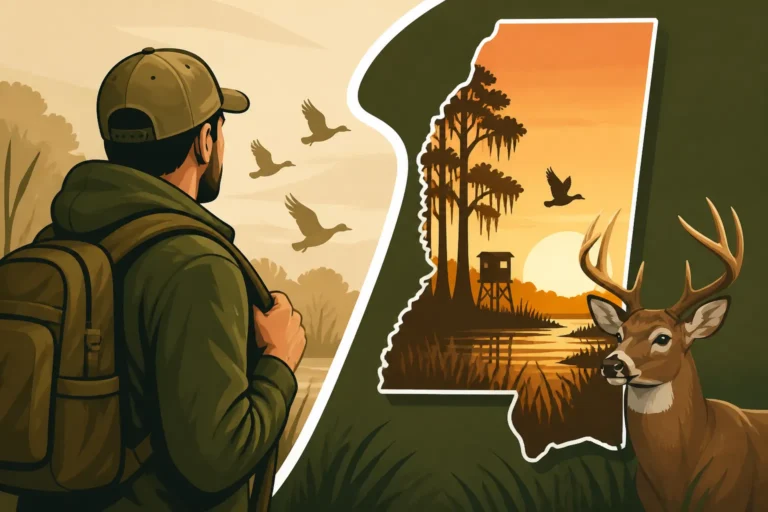
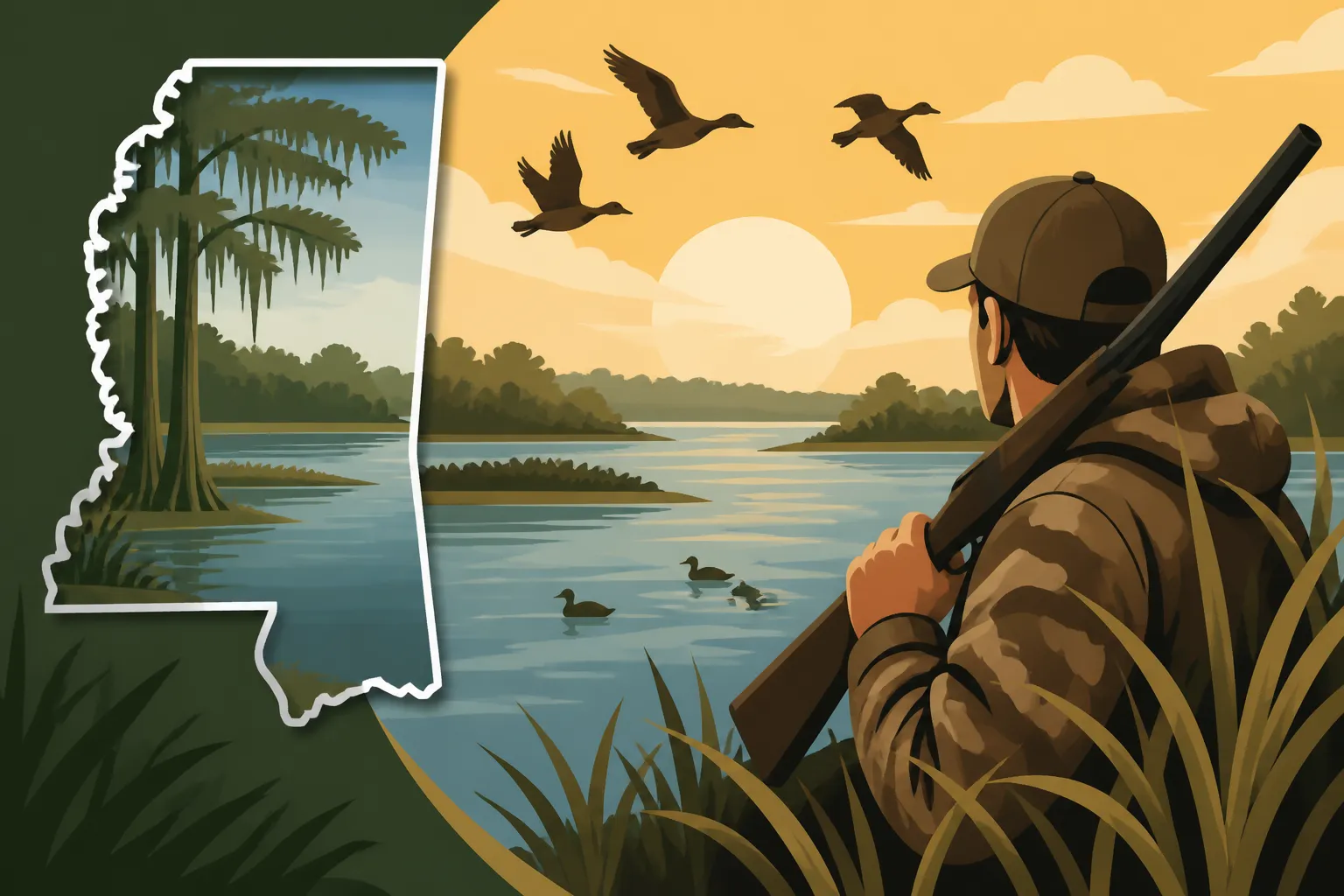
There's just something magical about hunting ducks in flooded timber, isn't there? It’s an experience that really sets itself apart from hiding in a field edge or sitting in a blind over open water. Greentree reservoirs (GTRs) offer a prime example of this unique Mississippi tradition, drawing waterfowl hunters from all corners for their distinctive challenge and often incredible rewards. Understanding what makes them special is the first step to appreciating their guided hunt pricing.
What Defines a Greentree Reservoir?
A greentree reservoir, often affectionately called a "GTR" by those in the know, is essentially a forested area, usually bottomland hardwoods, that has been intentionally flooded during specific times of the year to create prime waterfowl habitat. Think towering oaks, cypress, and other deciduous trees, now standing in several feet of water. These areas are managed with precision, often by impounding water from nearby rivers or by actively pumping water in, timing it just right for the fall and winter migration. The water levels are carefully controlled, sometimes dropped and reflooded multiple times in a season, to mimic natural flooding cycles and make acorns and other food sources accessible to ducks. It’s a delicate dance of hydrology and wildlife management, all designed to create a magnet for birds, particularly mallards and wood ducks. This kind of managed habitat is a significant investment in time and resources, which naturally influences the guided hunt offerings.
Why Hunters Seek Out Flooded Timber for Waterfowl
The draw of flooded timber is undeniable. First, there's the aesthetic: the sun filtering through bare branches, the stillness of the water, and the sudden rush of wings as ducks cup into the timber. It’s a sensory experience far removed from many other forms of hunting. Second, the close-quarters action is thrilling. When ducks commit to a timber hole, they often drop right into your spread, offering shots at incredibly close range. The sound of whistling wings overhead, the splash of a landing duck, and the echoing reports of shotguns in the woods are indelible memories. Lastly, GTRs often hold good numbers of highly sought-after species like mallards, especially later in the season when colder weather pushes them south into the Delta. It’s not just about harvesting birds; it's about the entire immersive experience, making it a bucket-list hunt for many. The sheer effort of managing these properties, maintaining access, and providing a top-tier hunting experience contributes to the structure of What a Guided Mississippi Deer Hunt Costs and similar waterfowl pricing models.
Understanding Greentree Reservoir Day Rate Structures
When you start looking at guided greentree reservoir hunts, you'll quickly notice that day rates are a common way for outfitters to package their services. But what exactly does that "day rate" cover? And what might you still need to factor into your personal hunting budget? It’s crucial to understand these details to avoid any surprises down the line.
Components of a Standard Day Rate Package
A typical greentree reservoir day rate often includes the core elements needed for a successful hunt. This usually means a professional guide who knows the specific GTR property like the back of their hand, including where the ducks are loafing, feeding, and flying. They'll handle the decoys, often setting large, realistic spreads that are critical for attracting birds in flooded timber. Transportation to and from the hunting location is usually part of the deal, which can involve ATV rides, boat trips through winding sloughs, or even long walks through tough terrain. You'll likely be provided with a comfortable and well-brushed blind, designed to keep you hidden while offering optimal shooting lanes. Many outfits also include trained retriever dogs, which are indispensable for efficiently finding and recovering downed birds in the thick timber and deep water. Finally, the guide will often take care of retrieving and bundling your birds, making the end of the hunt much smoother. Some higher-end packages might even offer a mid-day meal or hot coffee in the blind. Mississippi Lodge and Package Hunts often build on these day-rate fundamentals, adding accommodations and multiple hunts.
What's Typically Not Included in the Base Price
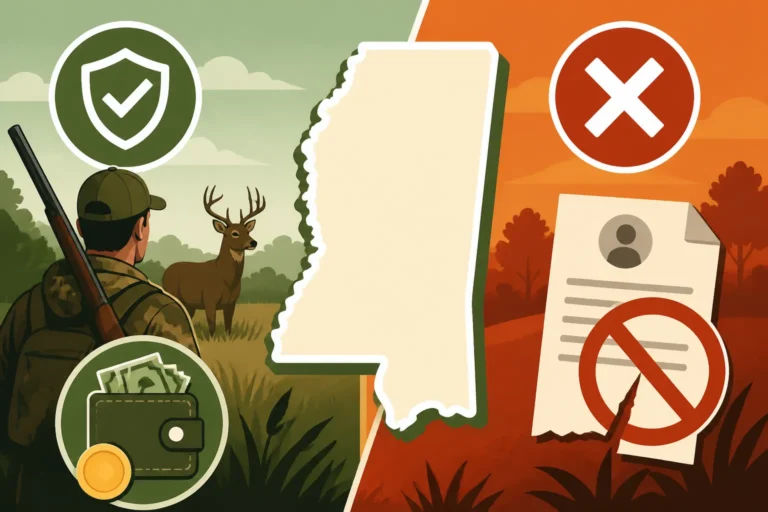
While a day rate covers the essentials, there are almost always additional costs you need to anticipate. First and foremost, your hunting license and any required state or federal stamps (like the Federal Duck Stamp or Mississippi's Wild Turkey Stamp if you're mixing hunts) are never included in the outfitter's price. You're responsible for purchasing these yourself before the hunt. Mississippi Hunting Licenses and What They Cost is a great resource for understanding these requirements. Ammunition is another common exclusion; you'll need to bring your own supply of non-toxic shot, as lead shot is illegal for waterfowl hunting.
Other potential exclusions might include:
- Meals and Lodging: While some multi-day packages bundle these, a pure "day rate" typically implies you're responsible for your own food and accommodation.
- Waders and Rain Gear: You'll need quality waterproof gear suitable for wading in potentially cold water and staying dry in unpredictable Mississippi weather.
- Bird Processing: The outfitter might retrieve and collect your birds, but cleaning, breasting, and packaging them for transport is often an extra service or something you're expected to do yourself.
- Gratuities for Guides and Dog Handlers: Tipping is customary in the guiding industry and a significant part of a guide's income. It's essential to budget for this, typically a percentage of your hunt cost, to show appreciation for their hard work.
- Rental Equipment: If you need a shotgun or other specialized gear, don't assume it's included; inquire about rental options and costs.
- Transportation to the Meeting Point: The guide will transport you from a designated meeting point to the hunting area, but getting to that meeting point is your responsibility.
Always ask for a clear, itemized breakdown of what's included and excluded when you're booking. Transparency is key.
Here's a quick look at typical inclusions and exclusions:
| Feature | Often Included in GTR Day Rate | Often Excluded from GTR Day Rate |
|---|---|---|
| Professional Guide | Yes | No |
| Decoys and Spreads | Yes | No |
| Transportation to Hunt Site | Yes | No |
| Hunting Blind / Setup | Yes | No |
| Retriever Dogs | Yes | No |
| Bird Retrieval | Yes | No |
| Hunting Licenses | No | Yes |
| Federal & State Stamps | No | Yes |
| Ammunition | No | Yes |
| Meals & Lodging (Day Rate) | No | Yes |
| Bird Processing | No | Yes (often extra service) |
| Guide Gratuity | No | Yes |
| Waders / Rain Gear | No | Yes |
| Firearm Rentals | No | Yes (often extra service) |
Key Factors Driving GTR Day Rate Costs
It's tempting to just look at the bottom line when comparing guided hunt prices, but that number is influenced by a whole host of factors. Understanding these elements can help you discern value and find an experience that truly matches your expectations and budget for hunting Waterfowl Hunting the Mississippi Delta.
Location, Reputation, and Guide Expertise
Just like real estate, location plays a huge role in hunting costs. Prime greentree reservoirs, especially those known for consistently holding large numbers of ducks or attracting trophy mallards, will naturally command higher prices. The famous Delta region of Mississippi, with its rich history of waterfowl hunting and extensive managed lands, is often at the top of the price scale due to its reputation as a waterfowl mecca. An outfitter's long-standing reputation for quality hunts, ethical practices, and high success rates also contributes significantly to their pricing. Guides with decades of experience, who can "read" the ducks, call them in precisely, and adapt to changing conditions, are invaluable. They've invested years in honing their craft, understanding bird behavior, and often in cultivating relationships for access to prime private lands. You're not just paying for a day of hunting; you're paying for their expertise, their knowledge of Mississippi Waterfowl Zones and Seasons, and their ability to put you on birds. Websites like BookYourHunt can help you research outfitters and read reviews to gauge their reputation.
Seasonality, Demand, and Group Size
The time of year you want to hunt can heavily influence the day rate. Early season hunts, while exciting, might not have the same volume of migrating birds as peak season. The true peak of the migration, usually when colder weather pushes more ducks south into Mississippi, tends to be the most expensive and sought-after period. Opening weekend for Waterfowl Hunting the Mississippi Delta or holidays often see a surge in demand, which can drive up prices. If you're flexible with your dates, you might find more competitive rates during less popular windows.
Group size is another major factor. Most day rates are priced per person, but some outfitters might offer a slight discount for larger groups, or conversely, charge a premium for a truly private, one-on-one guiding experience. A smaller group often means more personalized attention from the guide and less competition for shooting opportunities. Conversely, a larger group might mean splitting the guide's attention or having more hunters in the blind, which can sometimes impact the overall experience. Always clarify the minimum and maximum group sizes with an outfitter.
Smart Strategies for Booking a GTR Day Hunt
So, you’ve got a better handle on the ins and outs of greentree reservoir day rates. Now, how do you put that knowledge to work to book a hunt that meets your expectations without breaking the bank? It comes down to asking the right questions, doing your homework, and comparing your options wisely.
Essential Questions to Ask Potential Outfitters
Before you commit to a booking, picking up the phone and having a detailed conversation with an outfitter is absolutely critical. Don't be afraid to ask plenty of questions; a reputable guide will appreciate your thoroughness. Here’s a list to get you started:
- What is the exact total cost of the day rate per hunter, and what payment methods do you accept? Get it in writing if possible.
- What is explicitly included in the day rate? Go beyond the basics – ask about bird retrieval, processing, any provided snacks or beverages, and dog use.
- What is NOT included? Confirm expectations regarding licenses, ammunition, meals, lodging, and tips.
- What are your typical hunt times? Knowing if it's a morning-only hunt, a split day, or a full day can help manage expectations.
- What is your policy on bad weather or low bird numbers? Do they offer rain checks, discounts, or rescheduling options?
- What kind of gear do I need to bring? Specifically ask about waders, rain gear, camo patterns, and shotgun recommendations.
- What is your typical success rate for a GTR hunt? While no one can guarantee birds, they should be able to provide a realistic outlook.
- How many hunters are typically in a blind? This helps you gauge the comfort level and shooting opportunities.
- Can you provide references from recent clients? A good outfitter will gladly connect you with past hunters.
- What are your cancellation and refund policies? Understand this thoroughly, especially for deposits.
Platforms like GoHunt or BookYourHunt often provide a starting point for finding outfitters and some initial information, but a direct conversation is always best for these crucial details.
How to Compare Offers and Secure the Best Value
Once you've gathered information from a few different outfitters, it's time to compare. Don't just look at the lowest price; consider the overall value. Is a slightly higher day rate offering more inclusions, like lodging, which might save you money elsewhere? Does one outfitter have a significantly better reputation for successful hunts, making the extra cost worth it?
Consider things like:
- Reputation vs. Cost: Sometimes paying a little more for a highly recommended outfitter with a proven track record is a better investment than saving a few bucks on an unknown.
- Location Convenience: How far do you have to travel to reach the meeting point? Factor in gas and travel time.
- Flexibility: Does the outfitter seem willing to work with your schedule or offer alternative dates if conditions aren't ideal?
- Personal Connection: Did you feel comfortable talking to the guide? A good rapport can make a huge difference in your hunting experience.
Booking well in advance, especially for prime dates, is another key strategy. Popular GTR guides fill up fast, particularly around the peak of the season. If you wait until the last minute, you might find yourself with limited options or paying a premium. Don't forget to ask about any off-season specials or discounts if your schedule allows for less conventional timing. By taking a thoughtful approach and doing your due diligence, you can navigate the nuances of What a Day of Guided Delta Ducks Costs and secure a fantastic greentree reservoir hunt in Mississippi that lives up to its legendary status.
Disclaimer
This article is for general informational purposes only and does not constitute professional advice. Laws, prices and regulations vary by location and change over time. Consult a qualified professional for guidance on your specific situation.