Specklebelly Guide Rates in the Delta
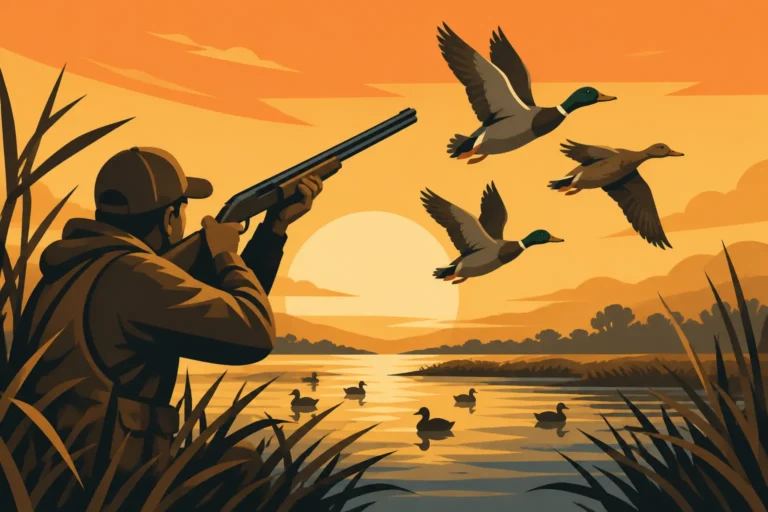
The thought of a Mississippi Delta specklebelly hunt fills many waterfowlers with anticipation. The sight of those "laughing geese" cupping their wings over a perfectly set spread is a bucket-list experience. But for those unfamiliar with the vast fields and intricate logistics of the Delta, turning that dream into reality can feel overwhelming. Finding a quality guide who understands the subtle art of specklebelly hunting is paramount, and understanding the investment involved helps immensely. This guide will clarify what goes into the rates for a guided specklebelly hunt in the Mississippi Delta, giving you a clearer picture of the services, factors, and expectations so you can plan your ultimate hunt.
The Allure and Challenge of Delta Specklebelly Hunting
Mississippi's Delta region is legendary among waterfowl hunters, primarily for its duck hunting. But beneath that fame, the specklebelly, or greater white-fronted goose, has quietly carved out its own niche as a highly coveted prize. These birds offer a distinctly different challenge than their duck counterparts, and understanding that difference is key to appreciating the value a good guide brings.
Why Specklebellies Are a Prize in Mississippi
Specklebellies are renowned for their intelligence and wariness. Unlike some ducks that might pitch into a spread with less scrutiny, specks are highly suspicious. They circle high, scrutinize the setup with eagle eyes, and demand a near-perfect presentation before committing. Their distinct "laughing" call is iconic, and calling them effectively takes skill and practice that many duck hunters simply don't possess to the same degree. The Mississippi Delta, with its vast agricultural fields—corn, soybeans, rice—provides ideal wintering habitat for these geese, offering abundant food sources that draw them in by the thousands during their migration along the Mississippi Flyway. Witnessing a flock of specklebellies working your spread, with their keen eyes and cautious approach, before finally committing is an exhilarating experience that hooks many hunters for life. This isn't just a hunt; it's a chess match in feathers, and winning it feels incredibly rewarding.
The Specialized Tactics Required for Specks
Hunting specklebellies successfully requires a completely different playbook compared to ducks, especially when you're talking about the wide-open spaces of the Delta. First and foremost is the decoy spread. You can't just toss out a few dozen duck decoys and expect specks to commit. Specklebellies require a large, realistic spread, often consisting of full-body goose decoys or highly detailed silhouettes, strategically placed to mimic a feeding flock. These aren't cheap to acquire or transport, and setting up a couple hundred decoys in the dark before sunrise is a monumental task.
Beyond the decoys, concealment is king. Specks have incredible eyesight, and hunting them often means lying flat on your back in layout blinds in the middle of a cut field. These blinds need to be perfectly brushed in with local vegetation to become virtually invisible from above. Then there's the calling. Mastering the various barks, clucks, and "laughs" of a specklebelly takes years of dedication. A good guide doesn't just call; they converse with the birds, adjusting their cadence and volume based on how the flock is reacting. Finally, the logistical challenges are considerable. Scouting fields for feeding birds, securing permission (often critical on private farm ground), transporting all the gear, and setting up in sometimes muddy or frozen conditions requires immense effort and local knowledge. This level of specialization is precisely why many hunters, even seasoned waterfowlers, opt for a guided specklebelly hunt. It eliminates the guesswork and provides access to prime ground and expertise that would be nearly impossible to replicate on your own. Waterfowl Hunting the Mississippi Delta is a great resource if you're looking for more general information on the region's waterfowl scene.
Deconstructing Specklebelly Guide Rates in the Mississippi Delta
Understanding the cost of a guided specklebelly hunt in the Delta involves looking past a single number and breaking down what services are typically included and what factors influence the overall price. It's not just about the guide; it's about the entire experience and the immense effort that goes on behind the scenes.
Core Services and Inclusions
When you book a guided specklebelly hunt in the Mississippi Delta, you're generally paying for a comprehensive package designed to maximize your chances of success and minimize your personal logistical burden. The absolute core of any reputable guide service will include:
- Expert Guide: This is the heart of the service. Your guide provides invaluable local knowledge, scouting reports on bird movements, and expertise in calling and decoy placement. They're the one leading the charge and making critical decisions in the field.
- Decoys and Blinds: As mentioned, specklebelly hunting requires an extensive spread of high-quality decoys and excellent concealment. Guides provide all of this specialized, expensive equipment, saving you thousands of dollars and countless hours of setup.
- Field Transportation: Getting to those remote Delta fields, often across muddy terrain or through private land, requires specialized vehicles like ATVs, UTVs, or sturdy trucks. Guides handle this, getting you safely to and from the hunting location.
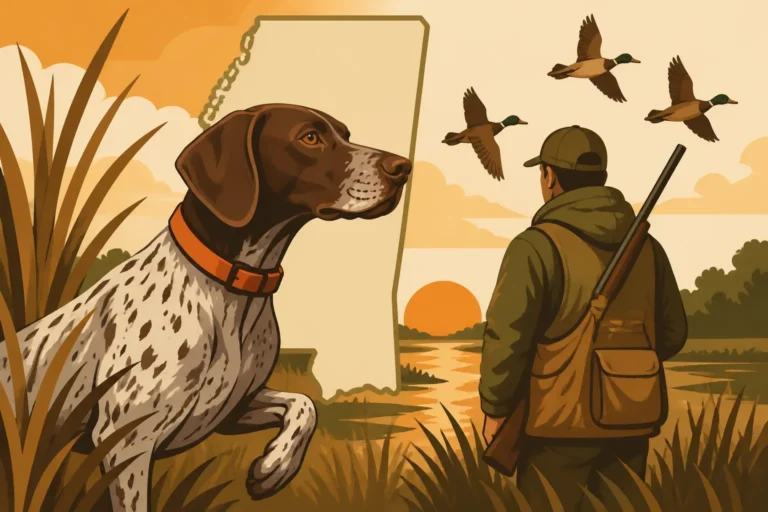
- Retriever Dogs: Many guides employ well-trained retriever dogs to quickly and efficiently fetch downed birds, minimizing losses and enhancing the experience.
Beyond these essentials, some outfits might include additional amenities in their standard rate. This could range from a hearty breakfast or lunch in the field, which is a real morale booster on a cold morning, to professional bird cleaning services at the end of the day. It's always crucial to clarify these details upfront, as what's included can significantly impact the perceived value and overall experience.
Factors That Influence the Price Point
The exact "rate" for a guided specklebelly hunt isn't a fixed figure; it's a dynamic number shaped by several key variables. Being aware of these helps you understand where different outfits might price themselves and what you're truly paying for.
- Duration of the Hunt: This is perhaps the most significant factor. A single half-day hunt will naturally be less expensive than a full-day excursion. Multi-day packages, which often include lodging and meals, escalate the cost but also offer a more immersive experience. For an in-depth look at longer stays, check out Delta Duck Lodge Multi-Day Rates.
- Group Size: Most guide services operate on a per-person rate, often with a minimum group size. Some outfits may offer private group rates, which might seem higher upfront but can be more cost-effective for larger parties seeking exclusive access.
- Reputation and Expertise of the Outfitter: Just like any other service, guides with a long-standing reputation for consistent success, exceptional customer service, and access to prime hunting ground will command higher rates. Their experience truly pays dividends in the field.
- Level of Amenities and Inclusions: A bare-bones field hunt might get you in front of birds but leaves you to handle all other logistics. Packages that include lodge accommodations, chef-prepared meals, bird processing, and other "all-inclusive" perks will naturally come with a premium price tag. All-Inclusive Delta Duck Packages offers insight into what these higher-tier offerings typically involve.
- Season Timing: Sometimes, hunts booked during the absolute peak of the migration or during opening weekend might carry a slightly higher price due to demand. Conversely, late-season hunts might offer better value if the birds are still present and conditions remain favorable. Planning your trip around specific times, like Booking a Late-Season Delta Duck Hunt, can sometimes offer different price points.
Understanding these variables means you can better compare guide services and choose one that aligns with your budget and desired experience. Don't be afraid to ask outfits about their specific inclusions and how these factors play into their pricing.
What to Expect from Your Guided Specklebelly Experience
Embarking on a guided specklebelly hunt is an adventure from start to finish. Knowing what the day-to-day experience entails, from the pre-dawn preparations to the post-hunt care of your birds, helps set realistic expectations and ensures you can fully enjoy every moment.
The Day of the Hunt: From Pre-Dawn to Field
Your guided specklebelly hunt will likely kick off well before sunrise, often in the deep predawn darkness that is characteristic of serious waterfowl pursuits. The guide will typically arrange a meeting point, which could be at their lodge, a local gas station, or a designated rendezvous spot near the hunting fields. This is your chance to get acquainted, go over a brief safety discussion, and receive any last-minute instructions or gear checks.
From there, you'll travel to the field, often in the outfitter's vehicle, which could be a four-wheel-drive truck, UTV, or ATV, designed to navigate rough terrain. Once at the field edge, the real work (for the guide, mostly!) begins. You'll witness the methodical setup of a vast decoy spread, often hundreds of high-quality full-body or silhouette decoys meticulously placed to create a realistic feeding scene. Your job as the hunter will be to get settled into your layout blind, which the guide or their assistants will have already brushed in perfectly with natural vegetation, ensuring you are as invisible as possible.
As shooting light approaches, the guide will be scanning the skies, listening for the telltale sounds of approaching specklebellies, and preparing to work their magic on the call. They'll instruct you on when to call, when to be absolutely still, and when to be ready to shoot. It's a symphony of anticipation, expert calling, and calculated movements, all orchestrated by your guide to bring those wary birds into range. It's a dynamic experience, as the guide adapts to changing bird behavior and wind conditions throughout the morning.
Beyond the Shot: Bird Care and Lodge Amenities
The excitement doesn't end with the shot. Once birds are down, a well-trained retriever dog, a hallmark of many quality Delta waterfowl operations, will often spring into action, quickly and efficiently bringing your geese back to the blind. This not only minimizes lost birds but also adds an incredible dimension to the hunt, showcasing the bond between handler and dog.
After the hunt concludes, typically in the late morning, your guide will lead the charge in breaking down the spread and packing up the gear. Back at the lodge or meeting point, the discussion often turns to bird cleaning. Many outfits offer bird cleaning services, sometimes as part of the package, and sometimes for an additional fee. This is a huge convenience, saving you the time and mess of processing your harvest yourself. They'll often breast out the birds or clean them whole, preparing them for your journey home.
If you've opted for a multi-day package, the lodge experience often becomes a significant part of the overall adventure. These lodges can range from rustic and comfortable to luxurious, offering amenities like delicious home-cooked meals, comfortable beds, common areas for sharing stories, and even game rooms. These social aspects are often as memorable as the hunting itself, fostering camaraderie among hunters. It’s an opportunity to relax, recharge, and prepare for the next day's outing. For more on what lodges offer, exploring What's Included in a Delta Lodge Stay can be very insightful.
| Feature | Basic Field Hunt (Day Rate) | All-Inclusive Lodge Package (Multi-Day) |
|---|---|---|
| Guide Service | Included | Included |
| Decoys & Blinds | Included | Included |
| Field Transport | Typically Included | Typically Included |
| Meals | Often not included, bring your own | Generally included (breakfast, lunch, dinner) |
| Lodging | Not included, arrange separately | Included in package |
| Bird Cleaning | Often available for additional cost | Sometimes included, otherwise additional cost |
| Licenses/Stamps | Hunter's responsibility | Hunter's responsibility |
| Ammunition | Hunter's responsibility | Hunter's responsibility |
| Waders/Gear | Hunter's responsibility | Hunter's responsibility |
| Tipping | Customary for good service | Customary for good service |
Finding the Right Delta Specklebelly Outfitter for Your Trip
Choosing the right outfitter is crucial for a successful and enjoyable specklebelly hunt. The Mississippi Delta has many options, but taking the time to research and ask the right questions will ensure you find a guide service that matches your expectations and budget.
Researching Reputable Guides
The first step in finding a quality specklebelly guide is thorough research. Start by looking for outfitters specifically advertising specklebelly hunts in the Mississippi Delta. Many waterfowl guides might focus primarily on ducks, so ensure their expertise extends to geese. Online platforms can be incredibly useful here. Websites like BookYourHunt offer a wide selection of guided hunt packages across various species and locations, allowing you to filter for waterfowl hunts in Mississippi and compare different outfitters' offerings. You can often see photos, read client reviews, and get a general idea of what's included in different packages.
Beyond booking platforms, look for independent reviews on hunting forums, social media, and dedicated outdoor websites. Pay close attention to consistency in positive feedback regarding bird numbers, guide professionalism, and overall experience. Don't just read the glowing testimonials; look for common themes and any recurring concerns that might be mentioned. Sometimes, hunting communities found through resources like GoHunt can provide forums and articles that indirectly help you vet a guide by understanding the local conditions and what constitutes a good operation. A reputable guide will have a strong online presence and positive word-of-mouth.
Once you have a shortlist, reach out directly to the outfitters. A quick phone call can tell you a lot about their communication style and willingness to answer questions thoroughly. Ask for references from past clients—a good outfitter will be happy to provide them. Speaking with someone who has actually hunted with the guide can offer invaluable, firsthand insights that no website can convey.
Key Questions to Ask Before Booking
When you're ready to make contact, have a list of specific questions prepared. This helps ensure there are no surprises down the line and that both parties are clear on expectations.
- What exactly is included in the stated rate? Be specific. Does it cover just the guide and field setup, or are meals, lodging, bird cleaning, or even ammunition part of the package? It’s common for licenses, stamps, and ammunition to be the hunter's responsibility. Also, confirm what gear you need to bring, such as waders, waterproof outerwear, and shotguns.
- What is the typical guide-to-hunter ratio? This impacts the personalized attention you receive. A smaller ratio generally means a more intimate and tailored experience.
- What is the cancellation policy, especially regarding weather? Mississippi weather can be unpredictable, and high winds or severe storms can impact waterfowl hunts. Understand how bad weather might affect your hunt and what your options are for rescheduling or refunds. For insights on booking around specific dates, consider Booking a Mississippi Opening Weekend or Booking a Late-Season Delta Duck Hunt.
- What are the average harvest rates for specklebellies on your hunts? While hunting isn't about guarantees, a guide should be able to provide realistic expectations based on past performance and current bird patterns.
- What is the typical start and end time for a day's hunt? This helps you plan your travel and other activities.
- Do you use live or electronic calling? Most specklebelly guides will rely on their exceptional mouth calling skills, but it's worth clarifying.
Asking these questions helps you compare different operations on an even playing field and find the best fit for your hunting style and budget.
Understanding Licensing and Logistics
Before you even step foot in a blind, remember that certain legal and logistical requirements are solely the hunter's responsibility. Your guide will provide the expertise and access, but you need to come prepared with the proper paperwork.
- Hunting Licenses and Stamps: You will need a valid Mississippi hunting license, specific to residents or non-residents. On top of that, you'll need both a state migratory waterfowl stamp and a federal duck stamp. Additionally, participation in the Migratory Bird Harvest Information Program (HIP) is mandatory for all migratory bird hunters in Mississippi. These are not typically included in guide rates and must be purchased separately, often online through the MDWFP website or at authorized vendors. You can learn more about costs and requirements in Mississippi Hunting Licenses and What They Cost and Mississippi Federal Duck Stamp Requirement.
- Transportation to Mississippi: For out-of-state hunters, this involves planning flights into regional airports like Jackson (JAN) or Memphis (MEM), or driving directly into the Delta. Consider rental cars for local travel, especially if your lodge or meeting point is in a more rural area.
- Local Travel Logistics: Clarify with your outfitter how you will get from your lodging to the meeting point, and then from the meeting point to the actual hunting field. While field transport is usually covered by the guide, the journey to the lodge or rendezvous spot is typically yours.
- Gear Preparation: Ensure you have all the necessary clothing for varying Mississippi weather – layers are key, along with quality waterproof outerwear and waders. Pack your shotgun (confirm gauge and choke recommendations with your guide) and ample non-toxic ammunition. Your guide can often provide recommendations on specific loads that perform well on specklebellies.
Taking care of these details in advance allows you to focus purely on the excitement of the hunt when your trip finally arrives. Being well-prepared makes for a smoother, more enjoyable, and ultimately more successful Delta specklebelly experience.
Disclaimer
This article is for general informational purposes only and does not constitute professional advice. Laws, prices and regulations vary by location and change over time. Consult a qualified professional for guidance on your specific situation.