Weather Contingency Policies for Duck Guides
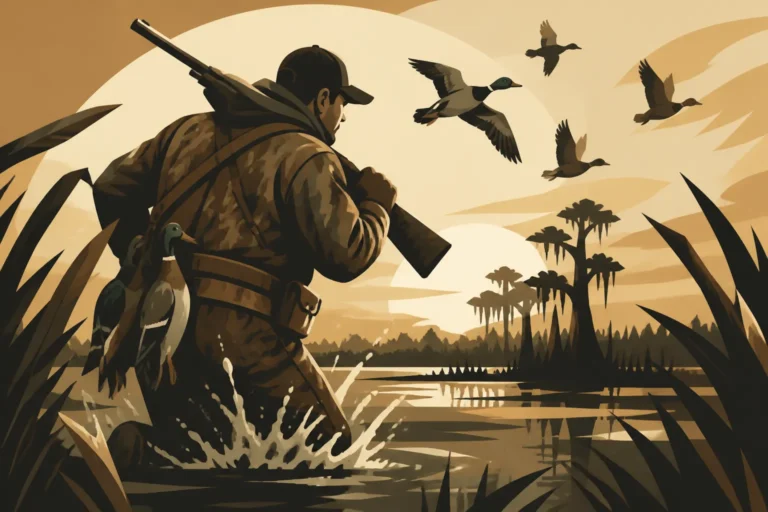
There's nothing quite like planning a Mississippi duck hunt, envisioning those crisp, cold mornings and whistling wings, only to find Mother Nature has other plans. From unexpected warm fronts to torrential downpours that make the journey to the blind impossible, the weather is often the biggest variable in a waterfowl hunter's world. This guide will walk you through what weather contingency policies for duck guides typically entail, helping you understand your options and prepare for the unpredictable elements of a Mississippi waterfowl adventure.
The Unpredictable Nature of Mississippi Duck Hunting Weather
Mississippi's duck season, especially in the Delta, is a dance with the weather. We all dream of those perfect cold fronts that push new birds down the flyway and ice-skate mornings in the flooded timber. But the reality can be a lot more nuanced, and sometimes, downright frustrating. Understanding how weather truly impacts a hunt is the first step in appreciating why contingency plans are so important.
Hunting the Mississippi Flyway means dealing with a wide range of conditions, from balmy 70-degree December days to bone-chilling single-digit mornings. Ducks are incredibly sensitive to these changes, and what seems like "just a little rain" to us can completely shut down a flight or make fields inaccessible. It’s not just about comfort; it's about bird behavior and logistics. Mississippi Waterfowl Migration Timing is heavily dictated by these fronts.
The Impact of Warm Fronts and Bluebird Days
When a warm front rolls through Mississippi during duck season, it can feel like a punch to the gut. Those beautiful, clear blue skies we often enjoy in the South might be great for golf, but they're terrible for duck hunting. High pressure and warm temperatures tend to make ducks loaf around on large, open water refuges, making them far less likely to move into our more intimate hunting spots like flooded timber or small private fields. They just don't need to feed as aggressively or seek shelter from harsh winds.
For a duck guide, a prolonged stretch of warm, clear weather can mean slow hunting, fewer decoying birds, and a general lack of enthusiasm from the ducks. If you've booked a hunt and this happens, you might find yourself sitting through a quiet morning. While it's certainly not the guide's fault, it’s a scenario where you might wish for a different outcome, and this is precisely where understanding policies comes into play. You’re paying for an experience, and while no one can guarantee birds, you want to know what happens if the conditions become truly un-huntable due to adverse weather.
How Cold Fronts and Rain Influence Duck Movement
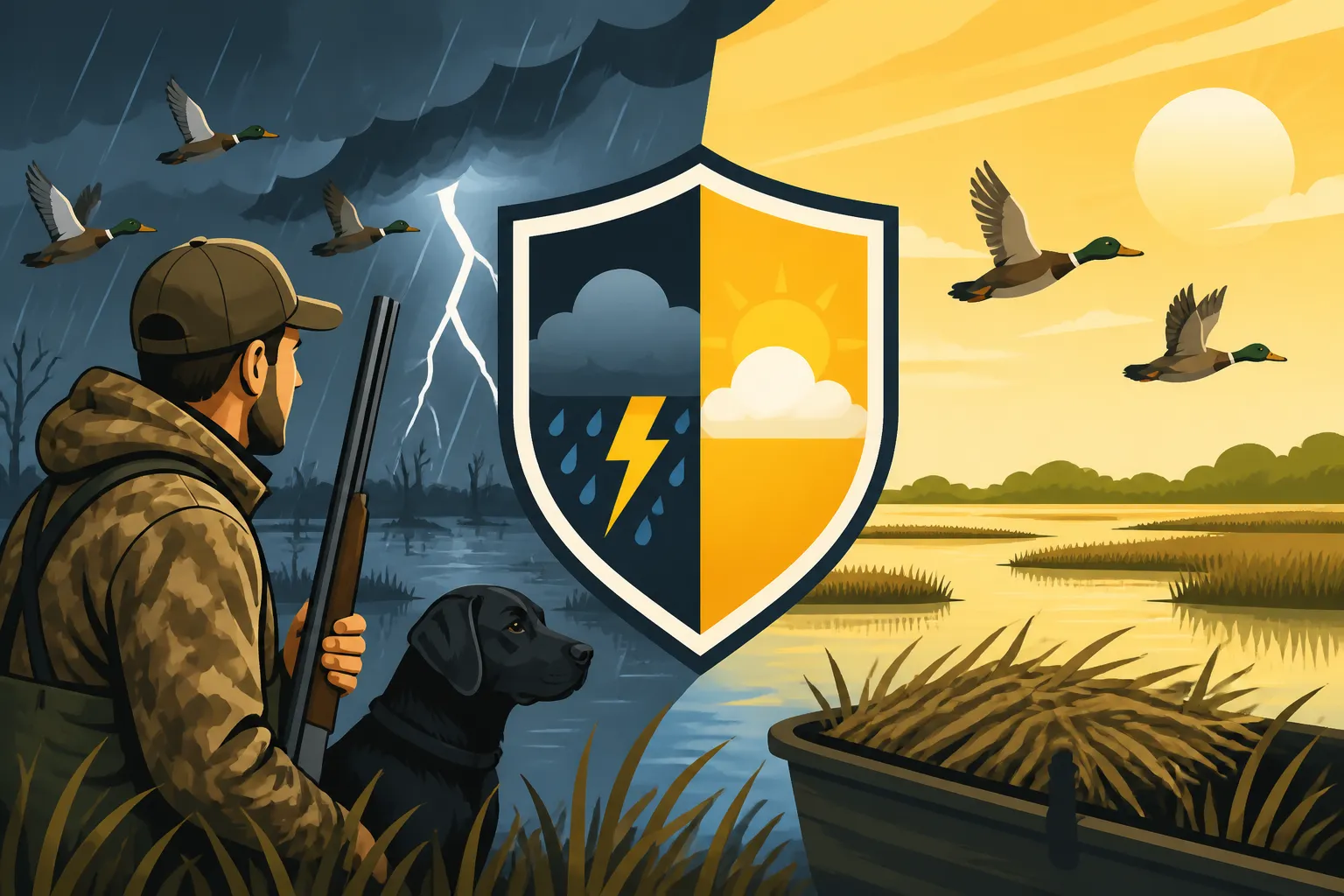
On the flip side, cold fronts and accompanying precipitation are usually what every Mississippi duck hunter prays for. A strong cold front often brings high winds, cloudy skies, and dropping temperatures, all of which get ducks moving. They need to feed more to maintain energy, and the nasty weather pushes them off large water bodies into more sheltered feeding areas – precisely where our blinds are often located. Mallards in Delta Flooded Timber often respond well to these changes. Rain, especially a steady drizzle or light snow (rare but glorious in Mississippi), can offer excellent cover for ducks to fly, breaking up their silhouettes and making them more susceptible to decoys.
However, too much of a good thing can be problematic. Torrential rains can lead to flooded roads, making access to blinds impossible, especially in low-lying Delta fields or backwater swamps. A severe winter storm might bring ice that locks up hunting grounds or creates dangerous travel conditions. In these situations, even the most dedicated guide might have to call off a hunt for safety or logistical reasons. It’s important to distinguish between "bad hunting weather" (warm, clear) and "un-huntable weather" (dangerous, inaccessible), as guides typically only invoke contingency plans for the latter.
Understanding Standard Weather Contingency Policies
Booking a guided duck hunt is an investment, both in time and money. It's only natural to want to know what happens if the weather decides to throw a wrench in your plans. Most reputable Mississippi duck guides and lodges will have clear policies in place, but they can vary significantly. Never assume; always ask for explicit details before you put down a deposit. Many hunters find guides through platforms like BookYourHunt, where policies might be outlined, but a direct conversation is always best.
The core of most weather policies revolves around whether a hunt is deemed "un-huntable" by the guide. This isn't just about whether you catch ducks, but whether it's safe and practical to even attempt hunting. This might include severe weather warnings, impassable roads, or conditions that would genuinely put clients or guides at risk.
Rescheduling vs. Refund Policies
This is often the most critical distinction in a guide's weather policy. If a hunt is canceled due to weather, will you get your money back, or will you be offered a chance to reschedule?
- Rescheduling: Many guides, especially smaller operations or those with limited availability, prefer to offer a credit for a future hunt. This keeps the booking on their calendar and allows them to fulfill their commitment when conditions improve. They might offer specific dates later in the season, or even the following year. This can be great if you have flexibility, but if you're traveling from out of state or have a rigid schedule, it might not be ideal. For example, if you planned a multi-day trip for Waterfowl Hunting the Mississippi Delta and the first day is canceled, you might get a credit for a future single day, not necessarily a full refund for that day.
- Refunds: Some guides, particularly larger lodges or those with more fluctuating demand, may offer a partial or full refund for canceled days. A full refund is often only given if a replacement booking can be made for that slot, or if the conditions are truly catastrophic. Partial refunds might apply if a hunt is cut short but not fully canceled. It's rare for a guide to offer a full refund simply because the hunting was slow due to warm weather; generally, a refund is reserved for situations where the hunt literally couldn't happen.
It's paramount to get this in writing or at least a clear email confirmation. Don't just rely on a verbal agreement. This is also where checking a guide's reputation on sites or forums can give you an idea of how they handle these situations in practice.
Minimum Hunter Requirements for a Trip to Run
Another aspect of contingency policies that often flies under the radar for hunters is the guide's minimum hunter requirement. Duck guiding is a business, and guides have operational costs whether they have one client or a full boat. If you book as a single hunter or a small group, some guides might have a clause stating that they need a certain number of clients (e.g., three or four hunters) to make the trip financially viable.
If severe weather causes other hunters in a mixed group to cancel, or if other bookings fall through, your guide might contact you to say that the trip won't run as planned due to not meeting the minimum. In such cases, the policy will dictate whether you get a refund, a chance to reschedule, or if you can pay an additional fee to cover the minimum for your smaller group. This is more common with day hunts rather than multi-day lodge packages. When planning a hunt, especially if it's not a private group booking, always clarify if there's a minimum hunter threshold and what happens if it's not met, especially if inclement weather impacts participation. What Happens If Water Levels Drop Mid-Season could also influence minimums if the accessible hunting areas become limited.
Key Questions to Ask Your Duck Guide Before Booking
Before you commit to a Mississippi duck hunt, proactive communication with your guide is your best friend. Don't be shy about asking direct questions about their weather contingency policies. A professional guide will appreciate your thoroughness and should be able to provide clear answers. This due diligence can save you a lot of headache and potential disappointment later on. When researching guides, platforms like GoHunt might offer reviews, but a direct conversation remains essential.
Having a clear understanding of their specific terms will help manage your expectations and prevent misunderstandings if a weather event occurs. Here’s a table outlining key questions to consider:
| Policy Aspect | Key Questions to Ask | What to Look For in the Answer |
|---|---|---|
| Cancellation Trigger | What specific weather conditions would lead you to cancel a hunt? | Clear definitions (e.g., hurricane warnings, impassable roads, ice). |
| Rescheduling | If canceled, what are my options for rescheduling? | Specifics on date flexibility, validity period for credit, priority booking. |
| Refunds | Do you offer refunds for weather cancellations? If so, full or partial? | Clear terms on refund amounts, timing, and conditions (e.g., only if replacement found). |
| Communication | How and when will you notify me of a cancellation or change? | Preferred method (call, text, email) and minimum notice period. |
| Hunt Duration | What if the hunt is cut short due to changing weather? | Policies on partial refunds or credits for abbreviated hunts. |
| Minimum Hunters | Is there a minimum number of hunters required for the trip to run? | Threshold number and what happens if it's not met (refund, reschedule, extra fee). |
Defining "Un-huntable" Weather
One of the trickiest aspects of weather policies is defining "un-huntable" weather. To a guide, this usually means conditions that are either unsafe for clients or that make hunting completely impractical or impossible. This could include:
- Severe Storm Warnings: Tornado watches/warnings, severe thunderstorm warnings with high winds and lightning, or even advisories for extreme cold that could lead to hypothermia.
- Impassable Access: Roads to flooded fields or timber might become completely submerged or turn into impassable mud bogs after heavy rains. Boats might not be able to navigate certain water levels.
- Extreme Ice Conditions: If water bodies freeze solid, it might make hunting impossible or extremely dangerous to retrieve birds.
- Water Level Issues: While less about immediate weather, extremely low water levels can also render prime Hunting Greentree Reservoirs for Mallards un-huntable, regardless of the sky above.
It's important to understand that "un-huntable" typically does not mean "slow hunting." If the forecast is for clear, warm, bluebird skies, the hunt will likely still proceed, even if the guide expects fewer birds. You're paying for the guided experience, not a guaranteed limit. Always ask your guide to elaborate on what their specific criteria are for calling off a hunt.
Communication Protocols During Inclement Weather
Imagine you've driven hours, booked a hotel, and the night before your hunt, a massive storm rolls in. The last thing you want is to be left wondering if your hunt is still on. Good communication is paramount. Ask your guide:
- How will they notify you? Is it a phone call, text, email, or do they expect you to check a specific weather service?
- When will they notify you? Will they make a call the evening before, or wait until the morning of? Most guides try to make a decision as early as possible to allow clients to adjust travel plans, but sometimes weather changes quickly.
- Who makes the final call? It should always be the guide's call when it comes to safety and the viability of the hunt. They are on the ground, familiar with local conditions, and responsible for your well-being. Respect their decision, even if it means disappointment.
A guide who is proactive and clear about their communication plan is generally a sign of a well-run operation. If they seem vague or dismissive when you ask about this, it might be a red flag. Prompt communication is key, especially for hunters traveling to Mississippi from afar.
Navigating Common Scenarios and Your Options
Even with the clearest policies, real-world situations can sometimes feel ambiguous. Knowing how to approach common scenarios will empower you to handle unexpected changes with your Mississippi duck guide.
Let's say you've planned a fantastic trip during the Mississippi North Zone Duck Dates and a cold snap is predicted, which is usually great, but then it turns into a major ice storm. Or maybe you're booked for Opening Weekend Tactics for Gun Season and a rare hurricane remnant sweeps through the state. These aren't common, but they do happen, and being prepared for the discussion is important.
When a Hunt is Cut Short: Partial Day Policies
Sometimes, a hunt isn't entirely canceled, but it has to be cut short. Perhaps a severe thunderstorm rolls in unexpectedly, or heavy fog makes it unsafe to continue. What happens then?
- No Policy / Discretionary: Some guides might not have a formal written policy for this and will handle it on a case-by-case basis. They might offer a discount on a future hunt or a small partial refund, purely at their discretion. This is less ideal for the client as it lacks certainty.
- Formal Partial Refund/Credit: Better guides might have a policy that offers a partial refund or credit towards another hunt if a significant portion of the hunting day is lost. For example, if you only get to hunt for two hours before the weather turns dangerous, they might offer a 50% refund or credit.
- No Compensation: Some policies might state that once the hunt has begun, there's no compensation for a shortened day, especially if birds were worked or harvested during the brief window. This is less customer-friendly but can be common.
Again, ask explicitly about this scenario. "If we get to the blind and the weather forces us out after an hour, what's your policy?" Getting this clarity upfront is essential. It's also worth noting that if the hunting simply slows down due to weather, but it's safe to stay, a guide is unlikely to offer any compensation for a shortened day. That's just part of hunting.
Planning for the Unexpected: Travel Insurance Considerations
For those investing a significant amount of money and time into a guided Mississippi duck hunt, especially non-residents traveling long distances, travel insurance can be a wise consideration. While it won't prevent bad weather, it can protect your financial investment.
Travel insurance policies can cover non-refundable deposits for flights, accommodations, and guided hunt fees if your trip is canceled or interrupted due to covered reasons, which often include severe weather events or the guide canceling the hunt due to conditions. Carefully review any policy to ensure it covers what you need. Many specific "cancel for any reason" (CFAR) policies offer broader coverage but come at a higher premium.
Here’s a look at how travel insurance might factor into your hunt planning:
| Travel Insurance Aspect | What it Covers (Typically) | What it Might Not Cover (Unless "Cancel For Any Reason") |
|---|---|---|
| Trip Cancellation | Severe weather preventing travel, guide cancellation due to unsafe conditions. | Disappointment due to poor hunting (e.g., warm weather, no birds). |
| Trip Interruption | Having to leave a hunt early due to an emergency or covered weather event. | Choosing to leave because hunting is slow. |
| Lost Gear | Damaged or lost luggage containing hunting equipment. | Normal wear and tear, or items left behind. |
| Medical Emergencies | Accidents or illnesses requiring medical attention during the trip. | Pre-existing conditions unless specifically covered. |
Always read the fine print of any travel insurance policy to understand what is and isn't covered. It's a layer of protection that goes beyond the guide's direct policy and offers peace of mind when planning for a potentially expensive trip. This is particularly true if you’re booking a Delta Duck Lodge Multi-Day Rates package, which represents a substantial investment.
When it comes down to it, duck hunting in Mississippi is an incredible experience, but it’s always at the mercy of the elements. By understanding and clarifying your guide's weather contingency policies before you book, you'll be much better prepared to roll with whatever Mother Nature throws your way. Communicate clearly, ask the right questions, and be realistic about what a guide can control. That way, even if the weather doesn't cooperate, you can still make the most of your adventure. Booking a Mississippi Opening Weekend can be especially tricky with unpredictable early season weather.
Disclaimer
This article is for general informational purposes only and does not constitute professional advice. Laws, prices and regulations vary by location and change over time. Consult a qualified professional for guidance on your specific situation.