Mississippi Waterfowl Migration Timing
It's incredibly frustrating to spend hours in a blind, decoys set perfectly, only to hear nothing but silence overhead. Waterfowl hunting in Mississippi often feels like a guessing game, trying to predict when the main flights will arrive, where they'll settle, and when they'll push through. This comprehensive guide is designed to peel back the layers of uncertainty surrounding Mississippi waterfowl migration, helping you understand the complex factors that drive duck and goose movements so you can be in the right place at the right time.
Understanding the Mississippi Flyway's Influence
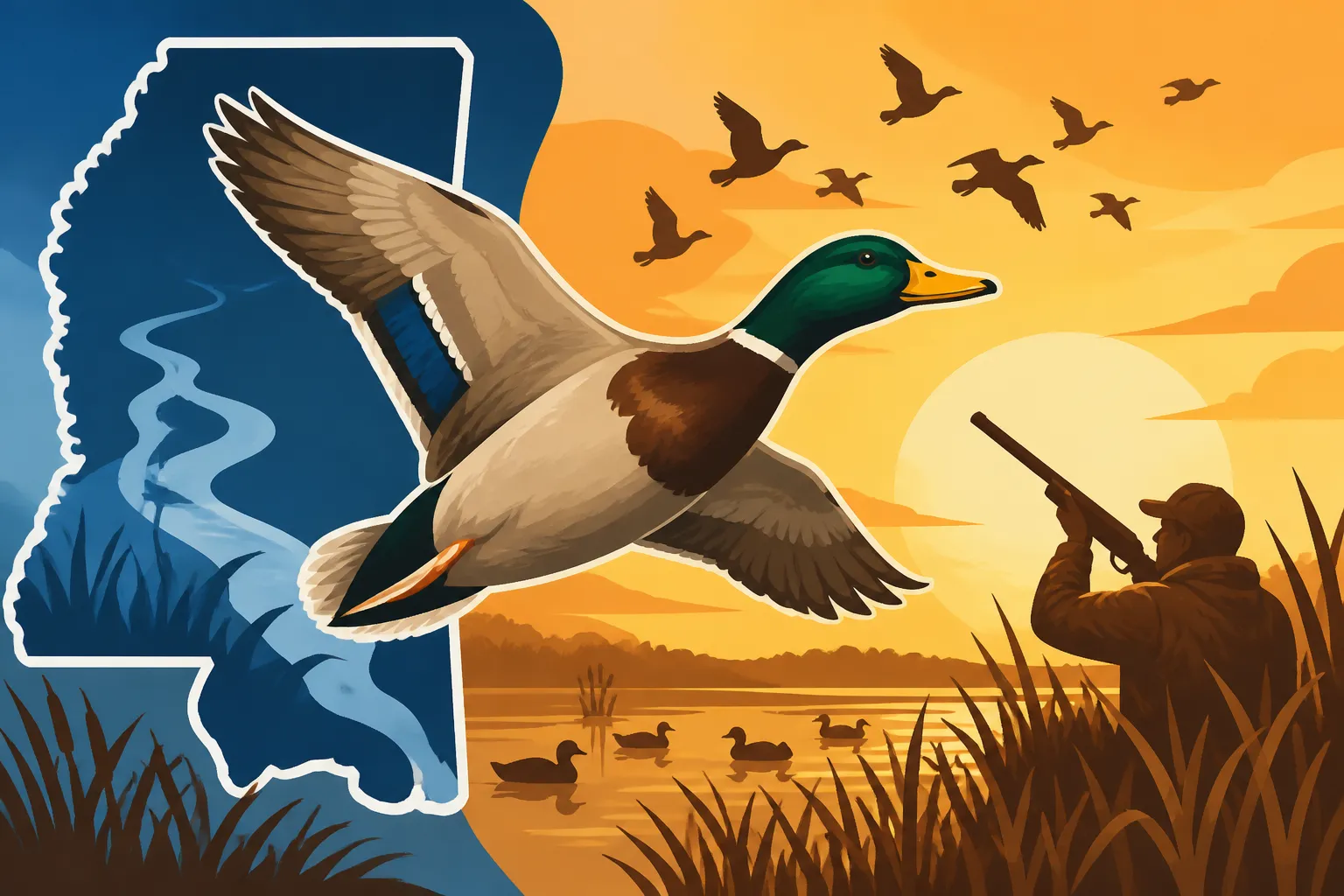
Mississippi sits smack dab in the middle of one of North America's four major waterfowl migration corridors: the Mississippi Flyway. This isn't just a dotted line on a map; it's an intricate network of rivers, lakes, wetlands, and agricultural fields stretching from the Canadian Arctic all the way down to the Gulf Coast. For ducks and geese, it’s like their interstate highway system, guiding millions of birds south for the winter and back north for nesting.
The Grand Highway for Migratory Birds
Imagine flocks of mallards, pintails, and various geese starting their journey from the prairies of Saskatchewan and Manitoba, or even further north in the Arctic tundra. These birds aren't just flying randomly; they're following ancestral routes, relying on specific landmarks, and being pushed by environmental cues. The Mississippi River itself acts as a massive linear guide, drawing birds southward through states like Minnesota, Wisconsin, Iowa, and Missouri, before finally arriving in the rich wintering grounds of Arkansas, Louisiana, and, of course, Mississippi. This continuous flow of new birds is what keeps our hunting seasons vibrant, even as local populations might get thinned out by hunting pressure.
Mississippi's Unique Position
Within this vast flyway, Mississippi holds a truly special and strategic position. The state, particularly its Delta region, offers an irresistible combination of vast agricultural fields (especially rice and corn), expansive flooded timber, and countless backwater sloughs along the Mississippi River. These habitats provide critical resources—high-energy food sources for refueling, sheltered roosting sites for rest, and safe havens from predators. It's why places like the Delta National Forest, with its unique bottomland hardwood forests, or the many Wildlife Management Areas like Malmaison and Mahannah, become magnets for migratory birds. Hunters often wonder, Why the Delta Draws Waterfowl Every Winter? It's precisely this combination of prime habitat and its location on the flyway that makes it so appealing. Understanding this makes it clear why observing weather patterns far to our north is almost as important as checking the local forecast.
Decoding Duck Migration Phases
Duck migration isn't a single, sudden event; it's a dynamic process that unfolds in distinct phases throughout the fall and winter, influenced by weather, food availability, and hunting pressure across the flyway. Each phase brings different species and presents unique hunting opportunities.
The Early Arrivals: Teal and Wood Ducks
Long before the frosty mornings of December, a vanguard of speedy little ducks starts trickling into Mississippi. Green-winged and blue-winged teal are typically our first significant migratory visitors, often arriving as early as September and October. These birds are built for speed and long-distance travel, making their way down from breeding grounds much faster than their larger counterparts. You’ll often find them in shallower water, feeding voraciously on seeds and invertebrates in mud flats, flooded agricultural fields, or even small beaver ponds. Early season opportunities for these birds are fantastic, and knowing their habits is key for Jump-Shooting Mississippi Beaver Ponds for Wood Ducks or pass-shooting over small potholes.
Wood ducks, while many are resident birds that breed locally in Mississippi, also see a significant boost in numbers from migratory birds pushing down from northern states. They love the dense cover of flooded timber and cypress swamps, where they can find acorns and other natural foods. Their migration tends to be a bit more drawn out than teal, often extending through November, providing consistent hunting in those early to mid-season stretches, especially in areas like the Pascagoula River WMA or the Mississippi River backwaters.
Mid-Season Peak: Mallards, Gadwall, Wigeon
This is often what most hunters picture when they think of duck season: the arrival of the "big ducks." The core of the mallard migration, along with significant numbers of gadwall, American wigeon, and pintails, usually hits Mississippi from late November through December. This surge is directly tied to significant cold fronts and freezing temperatures further north. As ice forms on northern wetlands and food sources become locked away, these birds are forced to push south. When these major pushes occur, the Delta comes alive. You'll see massive influxes of Mallards in Delta Flooded Timber and fields.
During this peak period, the sheer volume of birds arriving can be astounding. They'll drop into newly flooded rice fields, open water reservoirs, and especially the rich, acorn-laden flooded timber. This is the time when you might encounter birds that haven't seen heavy hunting pressure yet, making them a bit more responsive to calls and decoys. Understanding the specific Mississippi Waterfowl Zones and Seasons is critical, as the North Zone and South Zone can have slightly different opening and closing dates or splits that align with these migration patterns. Successfully hunting this peak often means being prepared for cold, wet weather and having the right spread for the species you're targeting.
Late Season Sustained Flights: Divers and Hard-Pressured Birds
As the season progresses into January, the migration dynamic shifts once more. While mallards and other dabblers might still be present, often in large numbers, they've also become incredibly wary due to months of hunting pressure. This late season also tends to bring a stronger contingent of diving ducks, such as ring-necked ducks, scaup (bluebills), and canvasbacks, especially to larger, deeper bodies of water like major lakes or deep river sloughs. These divers, often coming from the Great Lakes region, are also pushed south by severe cold.
What's more, the late season often sees the arrival of a final wave of "re-migrants." These are birds that might have overshot Mississippi earlier in the season, traveling down to Louisiana or the Gulf Coast, only to be pushed back north a bit if the weather warms or if food sources become depleted in their southernmost wintering grounds. This can lead to unexpected flurries of activity late in the season, making it crucial to stay vigilant and adapt. Even though the birds are more educated, consistent scouting with tools like a GoHunt subscription, which offers detailed weather and migration reports, can help you locate these late-season concentrations.
Mississippi's Goose Migration Story
While ducks often steal the spotlight, Mississippi also offers fantastic goose hunting opportunities, particularly for Canada geese, specklebellies (white-fronted geese), and snow geese. Their migration patterns, while similar in being cold-weather driven, have some distinct differences from ducks, often favoring different habitats and presenting unique challenges and rewards.
The Resident Canada Goose Population
Before we even talk about migratory geese, it's important to acknowledge Mississippi's growing resident Canada goose population. Unlike their truly wild, migratory cousins, these birds often breed within the state and spend their entire lives here, primarily congregating around urban parks, golf courses, large ponds, and reservoirs. While they provide hunting opportunities, they are generally less wary and don't contribute to the big, impressive migration flights. Mississippi Resident Canada Goose Population numbers have been steadily increasing, offering consistent local hunting, especially in early seasons or during special urban hunts designed to manage their numbers. These birds are a great way to introduce new hunters to the sport or to get some early-season practice before the main migratory push arrives.
Specklebellies and Snow Geese: Fields to Flooded Timber
The true excitement for goose hunters comes with the arrival of migratory specklebellies and snow geese. Specklebellies, known for their distinctive calls and delicious meat, typically arrive in Mississippi starting in late October and November, with their peak usually coinciding with the duck migration's peak in December and January. They are primarily field-feeders, loving rice, corn, and soybean stubble, but they will often roost on larger bodies of water or in flooded timber. Hunters often find them concentrated in the Delta's vast agricultural landscapes.
Snow geese, including their blue-phase counterparts, are perhaps the most numerous and visually spectacular of Mississippi's migratory geese. Their massive flocks begin arriving in significant numbers later in the season, often from late December through February. These birds are incredibly hardy and move in huge, sometimes overwhelming, numbers. Like specklebellies, they are predominantly field-feeders, often found in immense "rafts" in cut agricultural fields, gleaning waste grain. The sheer volume of snow geese can be both a blessing and a curse; while there are many birds, they can be incredibly wary and difficult to decoy. Understanding Canada Geese on Mississippi Farmland or where snow geese are feeding can be a game-changer for successful hunts. Their late arrival means that goose season often extends beyond the regular duck season, offering additional hunting opportunities well into February, especially for hunters looking for high-volume action.
Critical Factors Shaping Migration Timelines
Waterfowl migration isn't a simple calendar event. It's a complex dance dictated by several powerful environmental and human factors. Successful Mississippi hunters don't just know when ducks generally arrive; they understand why and can adapt to the constantly changing conditions that influence bird movement.
The Power of Weather Fronts
If you ask any seasoned duck hunter about migration, the first thing they'll likely mention is weather. Cold fronts, particularly those accompanied by strong northerly winds and plummeting temperatures across the northern states, are the primary drivers of large-scale waterfowl movements. When ice begins to form on northern breeding grounds and staging areas, it effectively shuts down food sources and makes roosting impossible, forcing birds to push south. A severe cold snap in Minnesota or North Dakota will often translate to a significant influx of new ducks and geese into Mississippi days later.
Conversely, mild weather patterns can delay migration or even cause "reverse migration," where birds move back north slightly if conditions improve. A prolonged warm spell in late December, for instance, might cause birds to linger further north, or to spread out more thinly across our state rather than concentrating in traditional hotspots. Hunters need to pay close attention to the 7-10 day forecasts not just locally, but also in the Dakotas, Minnesota, Wisconsin, and even Canada to get a real sense of what's coming down the flyway. Using advanced weather mapping tools, perhaps even a premium feature on GoHunt, can provide crucial insights into these large-scale weather systems.
Food and Water: The Ultimate Attractors
Once birds are pushed south by cold, their next priority is finding reliable sources of high-energy food and safe, undisturbed water. This is where Mississippi's landscape truly shines and why How Many Ducks Winter in the Delta is often so high. Vast acreages of corn, rice, and soybean stubble offer abundant waste grain, which is a critical fuel source for ducks and geese. Flooded timber, particularly stands of oak, provides a bounty of acorns—a highly prized natural food for mallards and wood ducks.
Water levels also play a monumental role. In a dry year, birds will concentrate on the few available water bodies, which can make scouting easier but also leads to increased hunting pressure on those limited spots. In a wet year, abundant sheet water across fields and widespread flooded timber can scatter birds, making them harder to pinpoint. The availability of consistent, undisturbed rest areas, or "refuges," is also paramount. Birds need places where they can escape hunting pressure, feed, and roost without constant disturbance. When these factors are plentiful, birds will stay; when they diminish, birds will keep moving.
Hunting Pressure and Roosting Habits
Human activity, specifically hunting pressure, is a significant, though often overlooked, factor in migration patterns within Mississippi. Birds quickly learn where they are safe and where they are not. Heavily hunted areas, especially those with constant disturbance, will often see birds move out and seek refuge in quieter zones. This can mean shifting from easily accessible public lands to private timber holes, or even flying longer distances to established refuges.
Roosting habits are a direct response to this pressure. Birds need safe places to rest overnight. These can be large, secluded bodies of water, dense flooded timber, or expansive private land that receives little to no hunting pressure. Once birds establish a primary roost, they will often fly considerable distances each morning and evening to feed in surrounding areas. Understanding these flight lines and identifying potential roosts is a critical piece of the puzzle. This is why scouting isn't just about finding birds, but about understanding their daily routine in response to the environment and pressure. Ignoring the impact of pressure means you're often hunting "burned out" birds or simply not understanding why your usually productive spot is suddenly empty.
Effective Scouting and Adaptation Strategies
Understanding the theory of migration is one thing, but translating that into consistent success in the field requires diligent scouting and the ability to adapt to ever-changing conditions. Mississippi's waterfowl scene is dynamic, and what worked last week might not work tomorrow.
Leveraging Technology and On-the-Ground Intel
In today's hunting world, technology can be a powerful ally. Satellite imagery and mapping apps like GoHunt, for instance, allow hunters to scout vast areas from their couch, identifying potential flooded fields, timber breaks, and water bodies before ever stepping foot in the marsh. You can pinpoint specific features like drainages, slough edges, or areas of standing timber that might hold birds. This virtual scouting is invaluable for planning potential access routes and identifying new spots, especially on public land where foot traffic can be heavy. A GoHunt Pro subscription can even give you access to historical weather data and migration forecasts, helping you make more informed decisions.
However, technology is only part of the equation. Nothing replaces boots-on-the-ground scouting. This means driving backroads at dawn and dusk, listening for birds, looking for concentrations in fields, or observing flight patterns. Talking to local farmers, checking in with fellow hunters (if they’re willing to share!), and even visiting local co-ops or gas stations can provide invaluable, real-time intel about recent bird movements. It’s about combining the broad view from technology with the hyper-local details you can only get from being present. When it comes to finding Where Delta National Forest Bucks Bed, the same principles apply: technology for overview, boots on the ground for detail.
Reading the Landscape for Waterfowl Sign
Waterfowl leave unmistakable clues about their presence and activity. Learning to read these signs is fundamental to successful scouting. Look for concentrations of droppings, particularly along field edges or in shallow water areas. Feathers floating on the water or scattered on banks indicate birds have been resting or feeding there. Disturbed mud flats show where dabbling ducks have been feeding, and rooted-up patches in fields are clear signs of geese.
Observing flight patterns is also crucial. Are birds consistently flying from one block of timber to a particular field? This indicates a feed-to-roost flight line you might be able to intercept. Are they flying high and fast, or low and circling? This tells you about their intent and whether they’re looking to drop in. Even the soundscape is important: listen for distant quacks or honks, which can guide you to hidden pockets of birds. In areas like the Mississippi River Batture Public Access, understanding water levels and their impact on available feeding and resting habitat is paramount. A rising or falling river can completely change where birds are holding.
Species-Specific Migration Insights
While many ducks follow general migration trends, certain species have their own nuances and preferences that, once understood, can significantly improve your chances of success. Focusing on these species-specific behaviors can help you fine-tune your approach and target your efforts more effectively throughout the season.
Mallards: The Greenhead Gold Standard
Mallards are, for many, the quintessential duck, and their migration is heavily studied. They tend to be among the later arrivals in large numbers, often waiting for significant cold fronts to push them from the northern prairies and Great Lakes region. Once in Mississippi, mallards are highly adaptable. They’ll readily use flooded timber, open agricultural fields (especially rice and corn), and large reservoirs. They prefer shallow water where they can dabble for seeds and invertebrates, but they also eat acorns with gusto in flooded hardwoods.
Mallards are notoriously wary, especially after the first few weeks of hunting pressure. They quickly learn to avoid obvious setups and will often "high-circle" or land far out in open water if they sense danger. This is why concealment is paramount, and why elaborate decoy spreads, effective calling, and patience are essential when hunting Mallards in Delta Flooded Timber or vast open fields. Their peak numbers typically occur from mid-December through January, coinciding with the coldest parts of winter across the flyway. During this time, look for them to concentrate in areas with both abundant food and undisturbed roosting cover.
Wood Ducks: Swamp Ghosts and Early Birds
Wood ducks are a bit unique because a significant portion of Mississippi's population is resident, meaning they breed and live year-round in the state. However, their numbers are dramatically augmented by migratory birds pushing down from northern states, creating excellent hunting opportunities from the early season into the mid-season. These migratory wood ducks tend to arrive earlier than mallards, often in October and November.
Wood ducks are creatures of dense cover and flooded hardwoods. They thrive in cypress swamps, bottomland forests, and flooded creek bottoms where they can find acorns, small invertebrates, and other natural foods. They are incredibly agile flyers, darting through timber with ease, which makes them a challenging but rewarding target. Unlike mallards, they don't typically key into large, open field spreads. Instead, focus on small, secluded pockets of water within heavy timber. Their crepuscular habits mean they are most active at dawn and dusk, flying to and from roosts. For tactics, consider Hunting Flooded Timber for Wood Ducks or focusing on secluded, wooded sloughs.
Teal and Pintails: Speedy Travelers
Green-winged and blue-winged teal are some of the earliest migratory ducks to hit Mississippi, with blue-wings often appearing as early as late August or September (during early teal season) and green-wings following closely into October. These small, fast-flying ducks are driven by subtle temperature drops and shorter day lengths, making them true harbingers of the migration. They favor shallow, vegetated waters, mud flats, and flooded fields, where they rapidly consume small seeds and invertebrates. Their migration is often swift; blue-wings in particular can pass through quickly on their way to Central and South America.
Pintails, with their elegant long necks and distinctive "pin" tail feathers, are also relatively early arrivals, typically showing up in October and November. They prefer open water and flooded agricultural fields, often associating with mallards but frequently feeding in shallower water. Pintails are known for their spectacular high-altitude decoying, often circling several times before committing. Like mallards, they become very wary with pressure. Both teal and pintails rely heavily on easily accessible food sources, so locating freshly flooded fields, especially those near larger water bodies, is key to intercepting these fast-moving species.
Expected Waterfowl Migration Timeline for Mississippi
Understanding the general flow of birds through Mississippi can help you plan your hunts more effectively. This table provides a rough guide, but remember that actual timing can vary significantly based on annual weather patterns and food availability.
| Species Group | Early Season (Sept-Oct) | Mid-Season (Nov-Dec) | Late Season (Jan-Feb) | Preferred Habitat |
|---|---|---|---|---|
| Teal (Blue/Green-wing) | Peak arrival & passage; significant numbers, especially Blue-wings. | Green-wings still present, some lingering Blue-wings. | Occasional late-straggler Green-wings. | Shallow mud flats, flooded fields, small ponds, sloughs. |
| Wood Ducks | Resident populations + early migratory influx. | Continued migratory influx; strong numbers throughout. | Resident populations present, some lingering migrants. | Flooded timber, cypress swamps, wooded creeks, beaver ponds. |
| Pintails | Early arrivals, building numbers. | Peak migration, especially with colder northern fronts. | Lingering numbers, can be wary. | Open water, flooded agricultural fields (rice, corn), shallow lakes. |
| Gadwall/Wigeon | Some early arrivals. | Significant migratory pushes; strong numbers. | Continued strong numbers, can be very wary. | Open water, shallow marshes, flooded fields, river sloughs. |
| Mallards | Few early arrivals. | Main migratory pushes start (late Nov), building to peak in Dec. | Peak numbers, but highly pressured; consistent presence. | Flooded timber, agricultural fields (corn, rice), large water bodies. |
| Diving Ducks (Ring-neck, Scaup, Cans) | Minimal presence. | Early arrivals, numbers building. | Peak numbers, especially with severe cold; prefer deeper water. | Large lakes, deep river channels, open water reservoirs. |
| Specklebellies | Early arrivals. | Peak migration, strong numbers, field-oriented. | Strong presence, often concentrated in key feeding areas. | Agricultural fields (rice, corn), large open water roosts. |
| Snow Geese | Minimal presence. | Numbers beginning to build (late Dec). | Peak migration, immense flocks, primarily field feeders. | Vast agricultural fields, large open water or flooded timber roosts. |
| Canada Geese | Resident populations present. | Resident populations, some early migratory influx. | Resident populations + significant migratory influx. | Agricultural fields, large ponds, reservoirs, urban/suburban areas. |
This table highlights that while you might find some of a species throughout the season, their major influxes or highest concentrations occur during specific windows. For example, if you're targeting early-season teal, Hunting the North Zone Duck Split in September might be your best bet, whereas for late-season mallards, Hunting the South Zone Duck Split offers extended opportunities.
Disclaimer
The information provided in this guide is for general informational purposes only and does not constitute legal advice. Hunting regulations, seasons, and bag limits are subject to change by the Mississippi Department of Wildlife, Fisheries, and Parks (MDWFP). Always consult the most current MDWFP regulations and local ordinances before engaging in any hunting activities. Adherence to all applicable laws and safety protocols is the sole responsibility of the individual hunter.