Combining a Turkey and Hog Trip in Mississippi
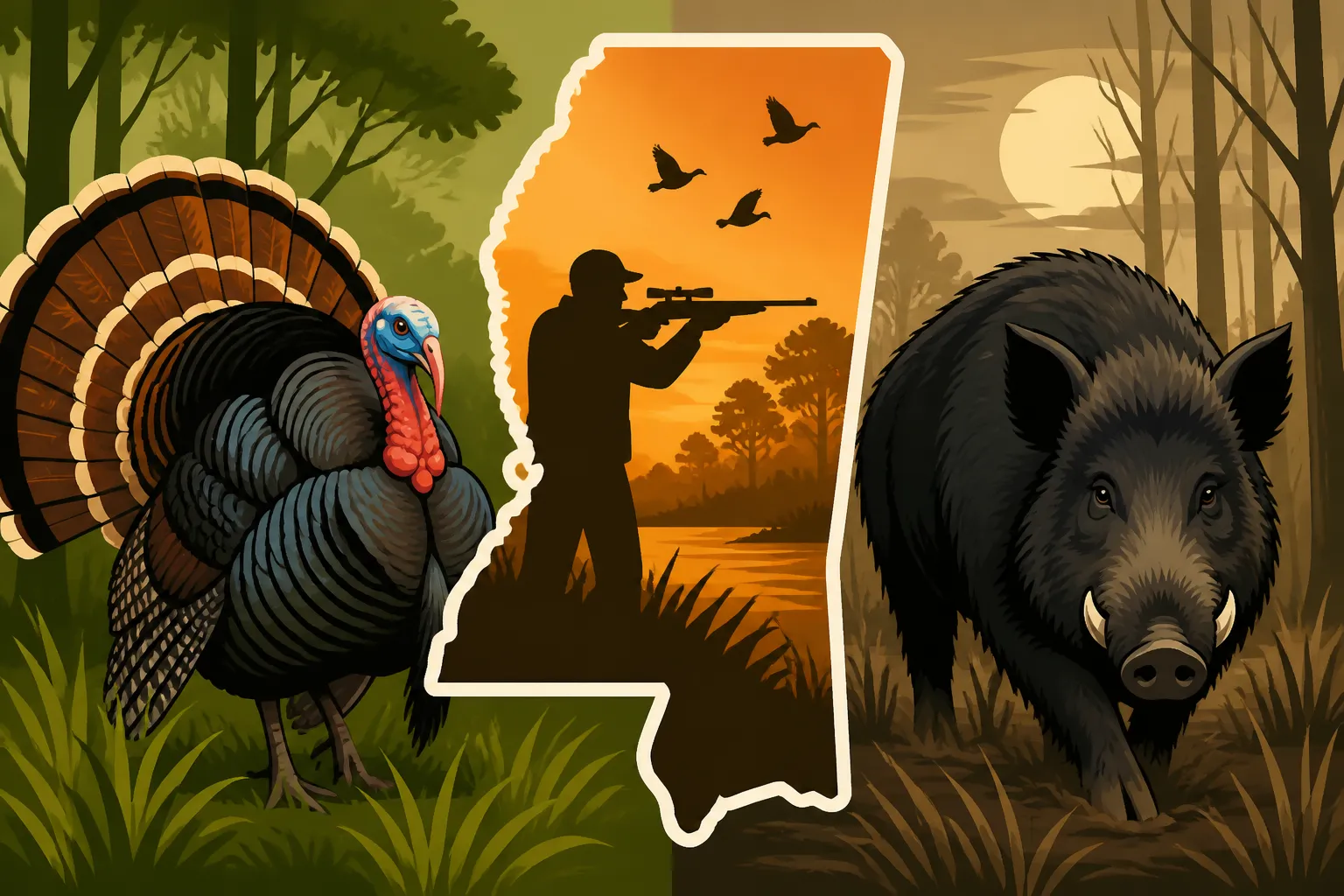
For many Mississippi hunters, the season can feel too short, or opportunities missed. But what if you could double down on your time in the woods, chasing two exciting species with overlapping seasons and complementary tactics? This guide is all about diving deep into how to combine a spring turkey hunt with an adrenaline-pumping feral hog trip in the Magnolia State, helping you make the most of your valuable time afield.
The Appeal of a Turkey and Hog Combo Hunt
Let's face it, we all want to maximize our time outdoors, and nothing beats the thrill of multiple success opportunities in one trip. Combining turkey and hog hunting in Mississippi isn't just about efficiency; it's about experiencing the diverse hunting landscape and thrilling challenges each animal presents. You're leveraging overlapping seasons and often similar habitats, turning a single outing into a potential dual triumph. The spring woods, alive with gobblers, are also home to elusive hogs, offering a unique blend of strategic calling and opportunistic stalking.
Why These Two Species Work So Well Together
The beauty of a turkey and hog combo hunt lies in their often intertwined worlds. Turkeys are creatures of routine, using specific roost sites, strut zones, and feeding areas. Hogs, while more nomadic, frequently travel creek bottoms, hardwood ridges, and agricultural field edges—places where turkeys also love to spend their time. This means that scouting for one species often reveals sign for the other. Imagine slipping through a bottomland hardwood forest at dawn, calling for a gobbler, and then later in the day, switching gears to stalk a sounder of hogs rooting in the same vicinity. It's a fantastic synergy that appeals to hunters looking for constant action.
Furthermore, the hunting methods, while distinct, can complement each other. While you're often stationary and quiet during a turkey setup, listening for a distant gobble, the slower pace can allow you to observe hog activity from afar, setting up a follow-up stalk. Conversely, a hog hunt can be much more active, involving tracking or still-hunting, which can sometimes put you in unexpected positions to hear a shock gobble or spot a distant tom. It's truly a two-for-one deal if you plan it right.
Extending Your Time in the Spring Woods
Mississippi’s spring turkey season is a highly anticipated event, but it's finite. By adding hogs into the mix, you effectively extend your "prime" hunting window and increase your chances of bringing home some wild game. When turkey activity slows mid-morning, or if you've tagged out on a gobbler, your hog hunt can just be getting started. Hogs are year-round quarry in Mississippi, particularly on private lands where they are often viewed as a nuisance species. This means that even if the turkeys are quiet, the hogs are still out there, offering a different kind of pursuit.
This extension of opportunity is particularly valuable for nonresident hunters or those who travel a good distance to hunt. You’re already making the trip, investing in licenses and time off work, so why not maximize the experience? It turns a singular pursuit into a richer, more diverse adventure, adding a layer of excitement and unpredictability to every day you spend afield. Spring Turkey Hunting in Mississippi provides great insight into gobbler tactics, and combining that knowledge with hog strategies will only enhance your trip.
Planning Your Dual-Species Hunt: Season Overlaps and Logistics
Effective planning is the backbone of any successful combo hunt. You need to understand when seasons overlap, how regulations differ, and what gear will pull double duty without weighing you down. Mississippi offers excellent opportunities for this, but a little homework goes a long way.
Understanding Key Season Dates and Regulations
The first step is always to check the Mississippi Department of Wildlife, Fisheries, and Parks (MDWFP) regulations for current season dates and bag limits. While feral hogs can be hunted year-round on private land with landowner permission, their pursuit on public lands might have specific rules, sometimes restricted to daylight hours or specific hunting weapons during certain seasons. Turkey season, however, is much more defined. Typically, Mississippi’s spring turkey season kicks off in mid-March and runs through early May, with some variations for youth hunts.
This spring window is your sweet spot for a combo hunt. You’ll want to pinpoint the exact dates you plan to hunt and verify that both species are fair game in your chosen unit or property. Also, be mindful of specific regulations for each animal. For example, Mississippi Spring Turkey Season Rules will outline bag limits, shooting hours, and legal methods for turkeys, while Mississippi Feral Hog Regulations will detail legal weapons, night hunting rules (if applicable to your area/land), and any restrictions on baiting or dogs. Knowing these nuances beforehand can prevent a lot of headaches in the field.
| Species | Primary Season Overlap (Spring) | Typical Habitat | Primary Tactics | Essential Gear Overlap |
|---|---|---|---|---|
| Wild Turkey | Mid-March to Early May | Hardwoods, Field Edges, Roosts | Calling, Decoying, Still-Hunting | Camo, Binos, GPS/Map, Boots |
| Feral Hog | Year-Round (check public land rules) | Bottomlands, Swamps, Field Edges | Stalking, Baiting, Trapping, Night Hunting | Camo, Binos, GPS/Map, Boots |
Gear and Weaponry Considerations for Both Species
One of the great advantages of a combo hunt is the overlap in essential gear. Your favorite turkey vest, packed with calls, water, and snacks, will serve you just as well when pursuing hogs. Camouflage clothing is crucial for both species, allowing you to blend into the spring woods. Good boots are non-negotiable, whether you’re covering miles after a gobbler or tracking fresh hog sign. Binoculars are invaluable for spotting distant turkeys or identifying a sounder of hogs moving through thick cover. And a reliable GPS or mapping app like those found on GoHunt is essential for navigating unfamiliar terrain, especially in dense Mississippi bottomlands.
When it comes to weaponry, you have options. Many hunters use a shotgun for turkeys, and while it can be effective on hogs at close range with slugs, a rifle or an archery setup offers more versatility for hogs. If you plan to carry both, consider the weight and logistics. Some hunters opt for a single weapon that can handle both, like a crossbow or a rifle chambered in a versatile caliber. A common approach is to carry a shotgun for turkeys in the morning and then switch to a rifle or crossbow for hogs later in the day, especially if you have a vehicle nearby to swap gear. Remember, scent control, while critical for deer and often overlooked for hogs, can still be beneficial, especially if you're trying to slip undetected into a hog feeding area.
Scouting for Dual-Species Success
Scouting is paramount for any hunt, but for a combo trip, it's about looking for dual-purpose sign. When you're glassing a field edge for turkey tracks or strut marks, also look for hog rooting, wallows, or rubbed trees. Creek bottoms are often travel corridors for both turkeys and hogs. Listen for gobblers at dawn, but also keep an eye out for fresh hog tracks in muddy crossings. Finding Sign in Big Delta Timber is an excellent resource for understanding how to read the landscape for deer, but many of those same principles apply to hogs and turkeys moving through timbered areas.
Pre-season scouting, even from afar using aerial maps, can highlight potential hot spots—areas with good roost trees near water sources, or field edges where turkeys might feed and hogs might raid crops. Pay attention to food sources; turkeys love acorns, bugs, and greens, while hogs are omnivores, rooting for tubers, grubs, and frequently visiting food plots or agricultural fields. Pinpointing areas with a variety of food and cover increases your chances of encountering both species.
Tactical Considerations for Turkey and Hogs
Hunting turkeys and hogs, while sometimes sharing habitat, requires different mindsets and tactics. Successfully combining them means knowing when to switch gears and adapt your approach.
Morning Gobblers: Calling, Setup, and Patience
For turkeys, especially in the spring, the mornings are usually prime time. You'll want to be in position well before daylight, listening for that first gobble on the roost. This is where your locator calls come in, helping you pinpoint a bird before you even make a move. Once you've located a gobbler, your strategy shifts to getting close enough without spooking him, finding a good setup with natural cover, and then using your turkey calls to lure him into range. Patience is absolutely key here. Roost Hunting Mississippi Gobblers dives deep into those critical early morning strategies.
A typical turkey setup involves being absolutely still, nestled against a wide tree or in a ground blind, waiting for the bird to commit. Movement is your enemy. You'll use your diaphragm, slate, and box calls to mimic hens, trying to draw that wary tom in. If the morning hunt doesn't produce, or the gobblers shut up by mid-morning, that's when you can consider shifting your focus to hogs, perhaps by still-hunting through creek bottoms or transitioning to areas where you've seen fresh hog sign.
Afternoon Hogs: Stalking, Baiting, and Opportunistic Pursuits
Hogs, unlike turkeys, don't have a specific "prime time" tied to daylight patterns, though they are often most active during cooler parts of the day, including early morning, late evening, and throughout the night. If you're on private land, you might have the option for night hunting, which is incredibly effective for hogs, especially with thermal or night vision gear. But during daylight hours, after your turkey hunt, you can transition to stalking. This involves quietly moving through known hog areas, looking for fresh rooting, tracks, or wallows. The wind is your absolute best friend when stalking hogs; they have an incredible sense of smell.
If you have permission and it's legal in your area, baiting can be a highly effective strategy for hogs. Setting up a corn pile and placing a trail camera on it can give you valuable intelligence on hog movements and peak activity times. Then, you can set up a ground blind downwind of the bait and wait. Building and Freshening a Hog Bait Site can offer detailed tips on setting up an attractive spot. You might also consider sitting over a known travel corridor or a dense thicket they use for bedding. The key is to be flexible and opportunistic. If you hear a turkey gobbling later in the day, you can always switch back to a turkey setup, making this combo hunt incredibly dynamic.
Adapting to the Environment: Swamps, Hardwoods, and Fields
Mississippi's diverse landscape means your tactics will need to adapt. In the Delta, you might find yourself navigating flooded timber or dense river cane thickets, which can be challenging but also provide excellent cover for both hogs and turkeys. In the Hills Unit, you'll be dealing with rolling terrain, pine plantations, and hardwood draws. Each environment presents unique challenges and opportunities.
For instance, hunting hogs in a dense river bottom might involve silent tracking through muddy sloughs, while hunting turkeys in the same area means finding a dry, open spot where you can see and hear. When hunting field edges, turkeys might be out in the open strutting, while hogs could be hidden in the adjacent woods, slipping out at dusk to feed. Understanding these nuances and being prepared to change your approach based on the specific terrain and immediate animal behavior is what makes a combo hunt so rewarding. Don't be afraid to adjust your strategy on the fly; the Mississippi woods are full of surprises.
Finding Outfitters and Resources for a Combo Hunt
For some hunters, especially those new to Mississippi or who have limited time, using an outfitter can simplify the logistics of a combo hunt immensely. For others, a self-guided approach is preferred, requiring good research and utilizing available resources.
Booking a Guided Dual-Species Hunt
If you're looking for a streamlined experience, a guided turkey and hog hunt is definitely an option. Many Mississippi outfitters specialize in one or both of these species, and some even offer combo packages during the spring. The advantage here is that the outfitter handles the scouting, land access, and often provides equipment like blinds or stands. They know the local patterns, the best spots, and can significantly increase your chances of success.
When looking for a guide, start by searching reputable platforms like BookYourHunt. These sites often list outfitters that specify combo hunt offerings. Be sure to ask detailed questions: What's included in the package? What are the success rates for both turkeys and hogs? What kind of terrain will you be hunting? Do they provide transportation on the property? Finding a Turkey Guide in Mississippi and Booking a Guided Mississippi Hog Hunt are great starting points for vetting potential guides. Ensure they are licensed and have positive reviews from past clients. While it's an investment, a good guide can turn a complex combo hunt into a memorable and highly successful adventure.
Self-Guided Opportunities on Public Lands
For the DIY hunter, Mississippi offers a wealth of public land opportunities, including national forests and Wildlife Management Areas (WMAs). While regulations for hogs on public land can sometimes be more restrictive than on private land (e.g., no night hunting, specific weapon restrictions during certain seasons), many areas still provide excellent habitat for both turkeys and hogs. Public Hunting Land in Mississippi is a fantastic resource to start exploring these options.
The key to a successful self-guided combo hunt on public land is thorough research. Use tools like the MDWFP's online mapping resources or a hunting app like GoHunt to study aerial photos, identify potential roosting areas, dense cover for hogs, and travel corridors. Look for areas with diverse habitat, such as mixed hardwoods and pines, near water sources. Be prepared for company, especially during peak turkey season, and always adhere strictly to WMA-specific regulations, which can differ from statewide rules. Scouting in person before your hunt, if possible, will give you an invaluable edge.
Utilizing Online Resources and Local Knowledge
Beyond outfitters and maps, a wealth of information exists online that can help plan your combo trip. Online forums, local hunting groups on social media, and even local bait shops or sporting goods stores can provide valuable, up-to-the-minute intelligence. People who live and hunt in the area often have a pulse on current conditions—where the turkeys are gobbling, what the hog pressure is like, or if recent weather events have shifted animal patterns.
Don't be afraid to ask questions, but always verify information with the official MDWFP regulations. Websites and blogs dedicated to Mississippi hunting can also offer practical advice and insights specific to the state's unique hunting environment. Building a network of local contacts, even if it's just through online interactions, can be a game-changer for piecing together the puzzle of a successful turkey and hog combo hunt.
Disclaimer
This article is for general informational purposes only and does not constitute professional advice. Laws, prices and regulations vary by location and change over time. Consult a qualified professional for guidance on your specific situation.