Hunting the Mississippi Youth Gun Weekend Dates
It’s a special kind of excitement, watching a young hunter experience the woods, but trying to pin down those exact Mississippi Youth Gun Weekend dates can feel like chasing a phantom. You’re juggling school schedules, work, and trying to plan a meaningful outdoor experience, only to find the specific calendar squares a bit elusive. This guide is here to cut through that confusion, giving you a clear roadmap to understanding, preparing for, and making the most of Mississippi’s dedicated youth deer gun season.
Understanding Mississippi's Youth Gun Weekend Structure
Mississippi recognizes the immense value of getting young people into the woods, instilling conservation ethics, and fostering a love for hunting. That’s why the Mississippi Department of Wildlife, Fisheries, and Parks (MDWFP) sets aside a specific weekend each year, giving our youth a prime opportunity to hunt deer with a firearm before the general gun season opens. It’s a fantastic initiative, but knowing the "who, what, and when" is critical for planning.
Why a Dedicated Youth Weekend Exists
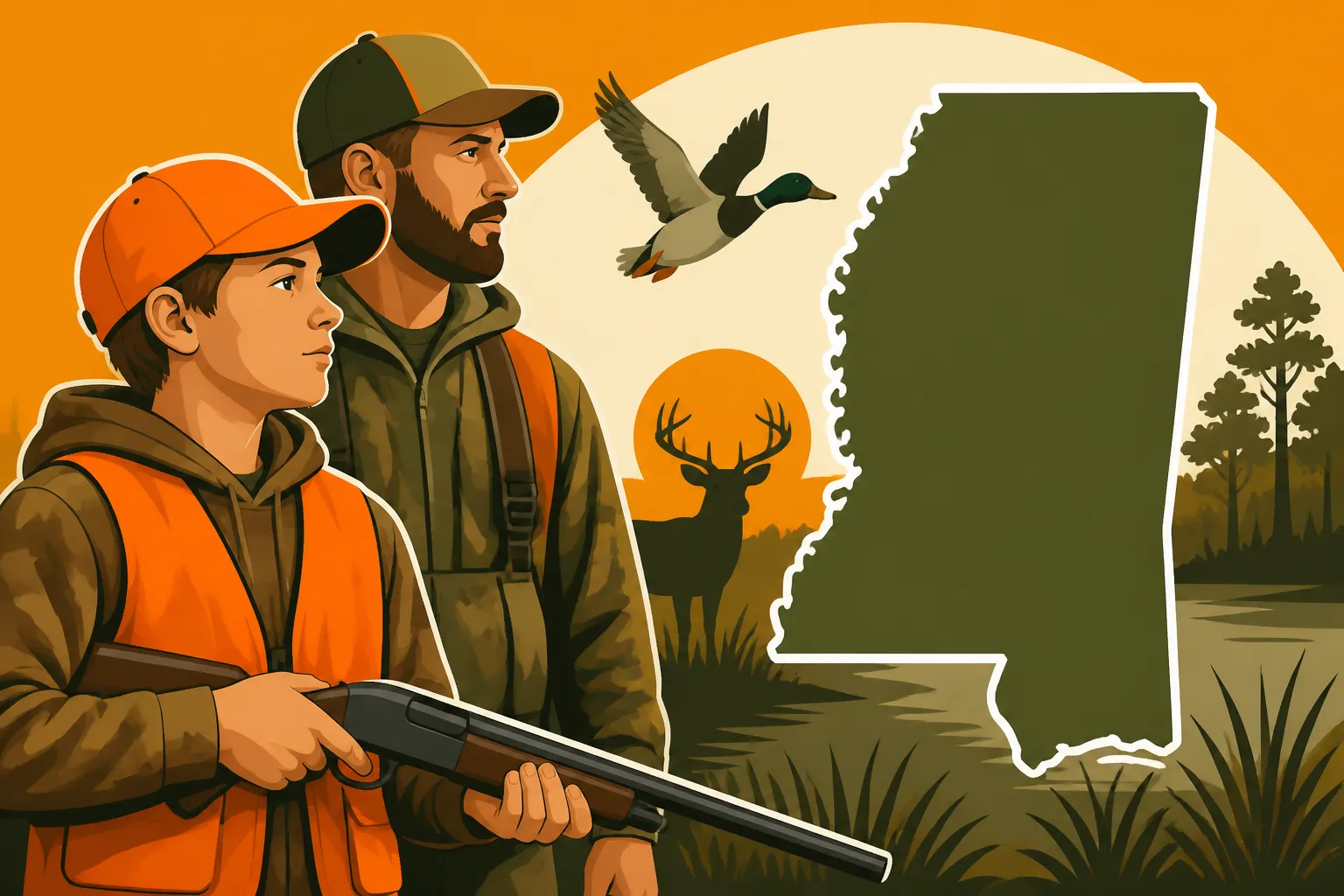
The idea behind the youth gun weekend is simple yet powerful: give kids a head start, a less pressured environment, and a focused experience. When the general gun season opens, public lands can become crowded, and deer patterns can shift dramatically under increased pressure. By offering a dedicated window, usually the first weekend in November, it allows young hunters (typically 15 years old and under) to be the first to legally use a firearm for deer. This creates a memorable, often less competitive, introduction to gun hunting. It’s also a fantastic way to bond with a mentor, whether it’s a parent, grandparent, or trusted family friend, creating memories that will last a lifetime. The focus isn't just on harvesting a deer, but on the entire experience: the early morning chill, the quiet anticipation, and the shared connection to nature. This early season access also often catches deer in more predictable patterns before they become fully accustomed to human activity, potentially increasing the chances of success for a young hunter.
Key Dates and Unit Variations
The Mississippi Youth Gun Season dates are a statewide affair, meaning that unlike some other seasons, they generally don't vary by the four distinct deer management units (Delta, Hills, North Central, and Southeast). This consistency is a blessing for planning, as you don't have to cross-reference multiple calendars based on your county. Historically, this highly anticipated weekend usually falls on the first full weekend of November. For example, if you're looking at the 2024-2025 hunting season, the youth gun weekend is scheduled for November 2-3, 2024. These dates are typically released well in advance by the MDWFP, often around late spring or early summer, allowing ample time for families to mark their calendars and make arrangements. Always double-check the current year's official MDWFP Hunting Seasons and Regulations for the most accurate and up-to-date information, as small adjustments can occur. While the dates are uniform, it's worth noting that other rules, like specific antler restrictions and bag limits, will still align with the unit you are hunting in, so knowing which unit your county sits in is still important for understanding your harvest potential. You'll want to review Mississippi's Four Deer Management Units to fully grasp the nuances.
Age Requirements and Supervision
The rules for who can participate in the youth gun weekend are pretty clear-cut, designed to ensure safety and responsible hunting. A "youth hunter" in Mississippi is defined as anyone 15 years of age or younger. This age cutoff means that on the day they turn 16, they are no longer eligible for the youth weekend and would need to hunt during the regular gun season. A crucial component of this special hunt is the supervision requirement. Every youth hunter must be accompanied by an adult who is 21 years of age or older. This isn't just about being present; the adult must maintain direct supervision, remaining close enough to immediately assist the youth hunter. It’s important to understand that while the adult supervisor can carry a firearm for personal protection, they are not permitted to hunt deer themselves during this youth-only weekend. Their role is strictly that of a mentor and supervisor. This provision ensures that the focus remains entirely on the young hunter's experience, providing guidance on safety, ethics, shot placement, and tracking. It’s a prime opportunity to teach, observe, and celebrate the journey with your young protégé. For a comprehensive overview of requirements, be sure to read up on Mississippi Youth Gun Season Rules.
Preparing for a Successful Youth Gun Hunt
Success in youth hunting isn't just about tagging a deer; it’s about fostering a positive, safe, and enjoyable experience that encourages continued participation in the outdoors. Proper preparation is paramount, setting the stage for a memorable weekend. Thinking through the logistics beforehand can significantly reduce stress and enhance the hunting trip for both the youth and the supervising adult.
Scouting and Stand Selection
Effective scouting is the bedrock of any successful hunt, and it's especially critical when introducing a new hunter to the sport. Before the youth weekend, dedicate time to scouting the area you plan to hunt. Look for fresh deer sign: tracks, rubs, scrapes, and active feeding areas. Pay close attention to natural funnels, pinch points, and transitions between different types of cover. A good resource like GoHunt can provide invaluable aerial imagery and topographical maps, helping you identify potential bedding areas and travel corridors without disturbing the woods too much. When it comes to stand selection, prioritize safety and comfort above all else. For a young hunter, a stable, spacious ground blind or a well-secured ladder stand with a shooting rail is often a better choice than a precarious climber or saddle setup. Choose a spot that offers clear, unobstructed shooting lanes at reasonable distances, ideally less than 100 yards. Consider ease of access to and from the stand, especially in the dark. A shorter, easier walk can make all the difference in keeping a young hunter engaged and comfortable, preventing fatigue before the hunt even begins. Understanding the nuances of a good setup, such as learning about Hanging a Stand on a Delta Bottomland Funnel or Reading a Ridge for Hills Unit Deer, can make a huge difference.
Essential Gear for Young Hunters
Having the right gear is crucial for safety, comfort, and ultimately, enjoyment. For firearms, choose a caliber that the youth hunter can comfortably and accurately shoot, recoil being a major consideration. Many young hunters start with a .243 Winchester, 6.5 Creedmoor, or even a .223 Remington, all capable of ethically harvesting a deer with proper shot placement. Ensure the rifle is sighted in well in advance at the range, and allow the youth plenty of practice to build confidence. Safety gear is non-negotiable:
- Blaze Orange: Mississippi law requires hunters to wear a minimum amount of blaze orange during gun seasons, which applies to the youth weekend. Ensure both the youth and the supervising adult wear highly visible orange, such as a vest and hat. How Much Blaze Orange Mississippi Requires is a good reference.
- Hearing Protection: Crucial for protecting young ears from the concussive sound of gunfire.
- Eye Protection: Another must-have for the range and the field.
- Safety Harness: If hunting from an elevated stand, a properly fitted safety harness is absolutely essential, and the youth should be tethered from the moment they leave the ground until they return.
Beyond safety, consider comfort items like warm, layered clothing, rain gear, a comfortable seat cushion for the stand, and plenty of snacks and water. A pair of binoculars can also be a great tool for a young hunter, allowing them to spot deer and observe nature without constantly shouldering a rifle.
Emphasizing Safety and Ethics
The youth gun weekend is a prime opportunity to reinforce lifelong lessons in hunting safety and ethics. Before you even head to the woods, review the four fundamental rules of firearm safety:
- Treat every firearm as if it's loaded.
- Always point the muzzle in a safe direction.
- Keep your finger off the trigger until you're ready to shoot.
- Be sure of your target and what is beyond it.
These aren't just rules; they're habits that save lives.
Beyond firearm handling, discuss shot placement, emphasizing the goal of a quick, humane harvest. Explain the importance of patience, waiting for the right shot, and being prepared to track a deer if it doesn't drop on the spot. Teach them about wildlife identification, respecting game laws, and the value of conservation. Discuss the role of hunting in wildlife management and how hunters contribute to healthy deer populations. This is also a good time to introduce them to the concept of fair chase and respecting the animal. Even if a deer isn't harvested, the lessons learned about responsible hunting, patience, and appreciation for the outdoors will be far more valuable than any trophy.
Strategies for Hunting During the Youth Weekend
The Mississippi Youth Gun Weekend, typically falling in early November, presents unique opportunities and challenges. Deer behavior is often influenced by the cooler weather and the impending rut, but hunting pressure can also play a role, even on a youth-only weekend. Understanding these dynamics can significantly impact your success.
Targeting Deer Movement Patterns
In early November, deer in Mississippi are often still in their early-to-mid fall patterns, with bucks starting to show increased activity as the rut approaches. This means you might find good success targeting food sources, especially acorns, if it's a good mast year. If acorns are scarce, focus on planted food plots or natural browse. Deer will also be moving between bedding areas and these food sources. Look for travel corridors along creeks, logging roads, or edges of thick cover. Because the youth gun season is before the main gun season, deer may be less wary of human scent and noise compared to later in the year, but they're certainly not oblivious. Early mornings and late evenings will likely be the most productive times, as deer are naturally more active during these crepuscular hours. Consider setting up near a bedding area in the morning to catch deer moving back, and near a food source in the evening. A bit of light rattling or grunting, as covered in Rattling and Grunting in Mississippi, might pique the interest of younger bucks curious about dominant bucks.
Maximizing the Short Window
The youth gun weekend is, as the name implies, a short window—usually just two days. This means every moment counts. Careful planning is essential.
- Prioritize Stand Time: With limited time, maximizing actual hunting hours in the stand is key. This means getting to your stand well before daylight and staying until dark, if possible, or at least through the prime morning and evening hours.
- Weather Watch: Keep a close eye on the weather forecast. A cold front pushing through can often trigger increased deer movement, making those days prime for hunting. Conversely, warm, still weather can slow things down, requiring more patience. Learning about Hunting Deer After a Cold Front can be highly beneficial.
- Adaptability: Don't be afraid to adjust your strategy if the deer aren't moving as expected. If your morning spot is unproductive, consider moving to a different stand for the evening hunt, perhaps one closer to a known bedding area or a fresh food source you've identified through scouting.
- Mentor's Role: As the supervising adult, your primary role is to ensure the youth hunter is comfortable, warm, and engaged. A cold, bored child won't want to come back. Bring plenty of snacks, tell stories, and focus on the overall experience. Even if you don't see a deer, the time spent together in nature is the true prize.
Post-Hunt Responsibilities
The hunt doesn't end when the shot is fired. Post-hunt responsibilities are just as critical for teaching ethical hunting practices and ensuring compliance with state regulations.
- Tracking and Recovery: If a deer is hit but doesn't drop, immediately teach the youth the importance of patient and thorough tracking. Give the deer time to expire, usually at least 30 minutes to an hour, before beginning the trail. Look for blood, hair, bone fragments, and track direction. In Mississippi's often thick cover, tracking can be challenging, but perseverance is key. Learn about Tracking a Deer Through Mississippi Leaf Litter for invaluable tips.
- Field Dressing: Once the deer is recovered, guide the youth through the field dressing process. Explain why it's done (to cool the meat and prevent spoilage) and demonstrate proper technique. This is a hands-on lesson in respect for the animal and responsible meat preparation.
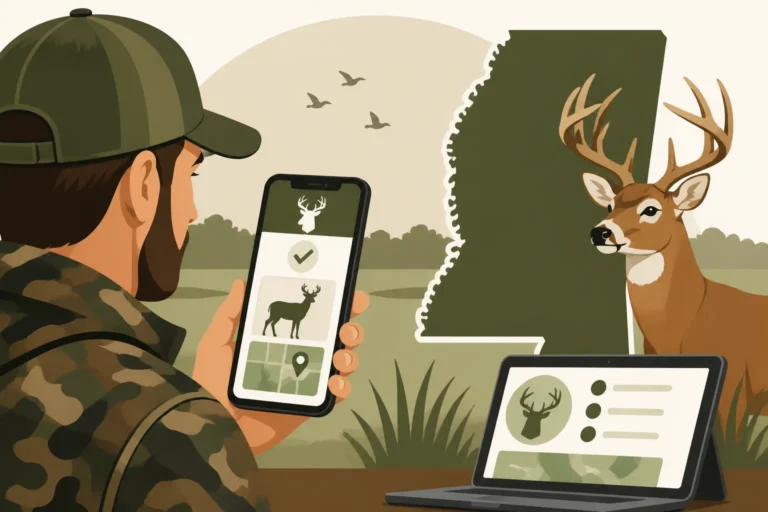
- Deer Reporting: Mississippi mandates that all harvested deer be reported to the MDWFP. This can usually be done quickly and easily through the MDWFP's mobile app or online portal. This data is vital for wildlife biologists to manage deer populations effectively. Ensure the youth hunter understands why this reporting is important and participate in the process. The Mississippi Deer Reporting Deadline is not something you want to miss.
- Meat Care: Emphasize proper care of the venison, especially in potentially warm early November weather. Get the deer cooled down as quickly as possible, whether by quartering and icing it down or taking it to a processor. This ensures high-quality meat for the table, honoring the animal and the harvest.
Navigating Public and Private Lands for Youth Hunters
Finding the right place to hunt can be one of the biggest hurdles, especially for a youth hunter. Mississippi offers a mix of public and private land opportunities, each with its own set of advantages and considerations. Knowing how to approach both can make a significant difference in planning a successful youth hunt.
Public Land Opportunities and Considerations
Mississippi boasts a respectable amount of public hunting land, including Wildlife Management Areas (WMAs), National Forests, and other state-managed properties. These lands offer accessible opportunities for youth hunters, often without the need for expensive leases or private land permission. Places like Delta National Forest, Homochitto National Forest, and various WMAs can provide excellent hunting experiences. However, public land comes with its own set of considerations:
- Hunting Pressure: The youth gun weekend, despite being youth-only, can still draw a crowd, especially on easily accessible public tracts. Expect to encounter other hunters, and teach your youth hunter the importance of courtesy, respect, and maintaining safe distances.
- Scouting is Paramount: On public land, scouting becomes even more critical. You'll need to find areas that are less pressured, perhaps requiring a longer walk or more effort to reach. Look for overlooked pockets of habitat or less obvious travel routes. Tools like GoHunt or the MDWFP app can help you identify remote areas and property boundaries.
- WMA Regulations: Each WMA may have specific regulations that differ from statewide rules, such as special check-in/check-out procedures, vehicle restrictions, or even designated youth-only areas. Always check the specific WMA regulations before heading out.
- Access: Be mindful of access points. Parking areas can fill up quickly, so arriving early is often a good strategy. Familiarize yourself with vehicle rules on Mississippi Public Land.
Consider exploring less popular public lands or areas within larger National Forests that require a bit more legwork to reach; these often offer a more secluded experience and less pressured deer.
Seeking Private Land Access
Hunting private land often provides a more controlled and potentially higher-quality experience, as pressure can be managed, and habitat often improved for deer. This can be an ideal scenario for a youth hunter, offering a quieter environment and potentially more consistent deer sightings.
- Networking: The best way to gain private land access is through personal connections. Talk to friends, family, and colleagues who might own land or know landowners. A direct, respectful approach often yields the best results.
- Asking Permission: When approaching a landowner you don't know, always do so in person, dressed neatly, and with respect. Clearly explain that you're seeking a safe place to take a young hunter and are committed to ethical hunting and leaving the property better than you found it. Emphasize that the focus is on the youth's experience, not just taking a trophy. Offering to help with chores or provide a share of the harvest can also go a long way. Do You Need Written Permission in Mississippi? The answer is generally yes, and it's always a good idea to have it.
- Leased Land: If direct permission isn't an option, joining a local hunting club or leasing land yourself are other avenues. While these come with costs, they can provide consistent access to quality hunting ground. Be sure to understand What Mississippi Hunting Club Dues Include before committing.
- Respecting the Landowner: If granted permission, treat the property with the utmost respect. Leave no trace, close all gates, avoid disturbing livestock, and follow any specific rules the landowner has. A handwritten thank-you note and perhaps a token of appreciation (like a gift basket or a portion of the venison) can ensure future opportunities. Building a good relationship with a landowner is invaluable and can secure a hunting spot for years to come.
Remember, the goal is to create a positive, safe, and memorable experience for the youth hunter. Whether on public or private land, emphasizing the journey, the lessons learned, and the bond forged in the outdoors is what truly matters.
Mississippi Youth Gun Weekend Overview
To help you get ready, here's a quick look at the typical framework for Mississippi's Youth Gun Weekend. Always consult the MDWFP's official regulations for the precise dates and rules for the current hunting season, as these can be subject to change.
| Category | Details |
|---|---|
| Eligible Hunters | 15 years of age or younger. |
| Supervision | Must be accompanied by an adult 21 years of age or older. Adult may not hunt deer but can carry a firearm for personal protection. |
| Typical Dates | First full weekend in November (e.g., Nov 2-3 for 2024-2025 season). Always confirm with MDWFP. |
| Weapon | Legal firearms for deer hunting. |
| Blaze Orange | Required for both youth hunter and supervising adult. |
| Bag Limits | Follows the legal buck and antlerless deer bag limits for the specific deer management unit (Delta, Hills, North Central, Southeast) being hunted. |
| Deer Reporting | Mandatory for all harvested deer via the MDWFP app or online portal. |
| Focus of Hunt | Statewide, offering youth a dedicated, less-pressured opportunity before the general gun season. |
| Scouting Importance | High. Focus on safe, comfortable stand locations and active deer sign near food or travel corridors. GoHunt can be useful for mapping. |
Disclaimer
The information provided in this guide is for general informational purposes only and is not intended as legal advice or a substitute for official hunting regulations. Hunting laws and seasons are subject to change. Always consult the official Mississippi Department of Wildlife, Fisheries, and Parks (MDWFP) website or printed regulations for the most current and accurate information before planning any hunting trip. Failure to comply with all applicable laws and regulations can result in fines, penalties, and loss of hunting privileges.