Hunting the Statewide Turkey Opener in March
Oh, the statewide turkey opener in March in Mississippi! It's a time of year that stirs the soul of every turkey hunter, full of anticipation, but let's be honest, often a fair bit of frustration too. You've spent months dreaming of those gobbling birds, only to find them tight-lipped, scattered, or playing hard to get on opening morning. This guide is all about equipping you with the realistic strategies and hard-earned wisdom to navigate that unpredictable first week, turning those early season challenges into genuine opportunities for success.
Understanding the Early Season Challenge in Mississippi
Stepping into the woods on the statewide turkey opener in Mississippi, especially in March, is rarely a cakewalk. It’s not the consistent, hot gobbling action you might fantasize about in late April. Instead, it's a dynamic, often temperamental environment where the turkeys are still figuring things out, and so are we. The biggest challenge often comes down to two things: the wildly swinging weather and the inherent nature of early season birds.
The Weather Rollercoaster
Mississippi in March is a fickle beast when it comes to weather, isn't it? One day you're sweating in a t-shirt, the next you're bundled up against a biting north wind and freezing rain. This isn't just an inconvenience for us; it plays havoc with turkey behavior. A warm front might get birds fired up, gobbling their heads off on the roost and hitting the ground ready to breed. But then a sudden cold snap, maybe even a late-season frost, can shut them down almost completely. They might still be there, but they're quiet, focusing on feeding and staying warm, rather than looking for love.
I remember one opener where it rained all day Friday, cold and miserable. Saturday morning, the opener, dawned clear but bitter cold, barely above freezing. I sat for hours hearing nothing but the drip of water from the trees. You start to question everything—are there even birds here? Did I scout right? But then, around 10 AM, as the sun finally broke through and warmed things up a bit, a lone gobbler sounded off a few hundred yards away. He'd just been waiting for the chill to leave his bones. This unpredictable nature means you can't just expect textbook behavior; you have to be ready to adapt and persevere through the quiet periods.
Pressure Points and Quiet Gobblers
Let's be real: on the statewide opener, especially on public land, you're not the only one out there. Human pressure can have a profound effect on turkey behavior. Birds that might have been gobbling consistently during your pre-season scouting trips suddenly go silent, or only gobble a few times on the roost before hitting the ground and dispersing. It's incredibly frustrating when you've done all your homework, found the birds, and then on opening day, it's crickets. You start asking yourself, "Where did all the birds go? Did they move? Did I spook them?"
Sometimes, it’s not even hunter pressure; the birds just aren't "gobbling fools" yet. The breeding cycle might still be getting into full swing, or the hens are still tightly flocked and not ready to break off with a gobbler. In these situations, aggressive calling or constant movement might actually work against you. The key is understanding that a quiet woods doesn't necessarily mean an empty woods. It often means you need to shift your tactics, focusing less on eliciting a shock gobble and more on subtle observation and patient persuasion. Knowing when to call and when to just listen becomes absolutely paramount.
Essential Scouting and Setup for the Opener
Success on the Mississippi turkey opener often hinges less on what you do on opening day and more on what you did in the weeks leading up to it. Thorough scouting and strategic setup are your secret weapons, helping you identify key areas and position yourself for that crucial first encounter, especially when the birds aren't making it easy.
Pre-Season Reconnaissance
You simply cannot overstate the importance of pre-season scouting for the turkey opener. This isn't just a leisurely walk in the woods; it's detective work. You're looking for signs that tell a story: where the birds are roosting, feeding, strutting, and traveling. Fresh droppings, wing prints in dusting bowls, tracks in soft earth, and scratchings in the leaf litter all provide invaluable clues. Look for old gobbler feathers near potential strut zones, especially on ridge tops or open creek bottoms.
I spend countless hours before the season opens, not just listening for gobbles, but walking, observing, and using mapping tools. Modern mapping apps, like those from GoHunt, are fantastic for identifying potential travel corridors, pinch points, and large blocks of timber where birds might roost. I'll pinpoint likely roosting areas—tall pines near water or on a ridge line—and then look for routes birds would take from there to feeding areas or open fields. For deeper dives into finding those prime spots, checking out resources on Scouting Mississippi Public Land Before Season can be incredibly helpful. You want to understand the lay of the land, almost intimately, before that first light of opening day. Don't just rely on hearing a gobble; find the evidence they're there and what their routine might be.
Strategic Setups for Early Birds
Once you've done your scouting, the next critical step is figuring out your setup. For the statewide opener, especially when birds might be less vocal, your setup needs to be impeccable. The goal is to be in a position where you can hear or see a bird without being detected, and then work them to your location. This means thinking about several factors:
- Roost proximity: If you've located a roost, getting within 100-150 yards before fly down can be deadly. Position yourself quietly, facing the direction you expect the bird to fly down, and ideally, with a good tree or brush to break up your outline. For specific advice on setting up, consider Setting Up Against a Big Oak for optimal concealment.
- Pinch points and travel corridors: Turkeys, like all wildlife, tend to follow paths of least resistance. Look for saddles in ridges, creek crossings, old logging roads, or narrow strips of timber between fields. Setting up within calling range of these areas can intercept birds moving from roost to feed, or simply roaming throughout the morning.
- Field edges: Early season birds, especially hens, will often hit open fields to feed or dry off after a dewy morning. If you've identified a field where birds are frequently seen, setting up along the edge, just inside the timber, can be a great tactic. Make sure you have good concealment, and think about how you'll get in and out without spooking birds. Information on Turkey Tactics for Delta Field Edges can be really useful here, as those open landscapes demand particular strategies.
Whether you opt for a pop-up ground blind for maximum concealment or rely on natural cover, ensure you're comfortable, camouflaged, and have a clear line of sight and shot opportunities. Remember, if a bird comes in silent, you want to be able to see him before he sees you.
Calling Tactics and Decoy Strategies
The statewide turkey opener demands a nuanced approach to calling and decoying. It’s a common mistake to go in blazing with aggressive calling, assuming every gobbler is hot and bothered. In March, especially with potentially quiet or pressured birds, subtlety and patience often win the day.
Soft Calls and Patient Listening
During the early stages of Mississippi's spring turkey season, those boisterous cutts and loud yelps might do more harm than good. Instead, I almost always start with softer, more seductive hen calls. Think soft tree yelps right before fly down, quiet clucks and purrs, and maybe a modest series of yelps. These are the sounds of a hen going about her business, not desperately searching for a gobbler. The goal is to pique a tom's interest without making him feel rushed or, worse, suspicious.
One of the hardest parts of early season hunting is being patient and listening. You might only get one or two soft gobbles from the roost, or even none at all. Don't be tempted to overcall. Put out a few soft calls, then sit perfectly still and listen for every rustle of leaves, every distant hen vocalization, and every faint gobble. A bird might be coming in silent, and you won't know it if you're constantly yelping or fidgeting.
Consider how a bird might react to your calls. If he gobbles but doesn't move, try a little less, or move slightly to entice him to come find you. If he cuts you off aggressively, then maybe you can ramp up the intensity a bit. It’s a dance, and in March, the dance is often slow and deliberate. For those tricky morning hours, focusing on Calling a Mississippi Gobbler Off the Roost with finesse can be the difference maker.
Decoy Placement for Hesitant Toms
Decoys can be a powerful tool, but like calling, they need to be used wisely on the opener. When gobblers might be hanging up or seem hesitant, a visual can sometimes seal the deal.
Pros of Decoys:
- Visual Confirmation: Provides a visual focal point, making a gobbler feel more confident approaching.
- Draws Attention Away: If placed correctly, the gobbler focuses on the decoy, taking his attention away from you.
- Provocation: A jake or full-strut tom decoy can often provoke a territorial gobbler into charging in.
Cons of Decoys:
- Added Bulk: More gear to carry, especially on run-and-gun hunts.
- Spook Factor: If a bird approaches from an unexpected angle or spots the decoy too early, it can spook them.
- Safety: Always consider safety, especially on public land. Ensure your decoy is visible to other hunters and position it so you are behind it, not in front.
For the opener, I often lean towards a single hen decoy, or perhaps a hen and a jake. A full-strut tom can be effective if you know there's an aggressive bird in the area, but it can also be intimidating to a younger, less confident gobbler. When placing them, think about visibility. You want the decoy to be easily seen from where you expect the bird to approach. Placing it within 15-20 yards of your position often creates a perfect shot opportunity once the gobbler commits. Always aim for a clear shooting lane beyond your decoy, not directly at it. For more detailed insights on how to set these up for success, check out Decoy Placement for Pressured Mississippi Birds.
Here’s a quick overview of early season calling strategies:
| Calling Tactic | Description | When to Use | Why it Works |
|---|---|---|---|
| Soft Tree Yelp | Gentle, sleepy yelps, 3-5 notes. | Just before fly down, on the roost. | Sounds like a hen waking up naturally, can elicit a first gobble. |
| Clucks & Purrs | Subdued, contented sounds. | Birds on the ground, close range, when they're hesitant. | Non-threatening, sounds like a contented hen, draws birds closer cautiously. |
| Plain Yelps | Simple, evenly spaced yelps, 5-7 notes. | When a bird has gobbled once or twice, to show you're a hen. | Standard, natural hen vocalization. |
| Excited Yelps/Cutt | Louder, faster, more broken yelps, maybe a few sharp cutts. | Only after a bird shows aggression or responds strongly to soft calls. | Mimics an eager hen, but can scare off cautious birds if overused. |
| Gobbler Yelps/Cluck | Deeper, coarser yelps; aggressive gobbler clucks. | To challenge a dominant gobbler, usually in conjunction with a tom decoy. | Can provoke a dominant tom into a fight, but risky if the bird is wary. |
Adaptability and Persistence on Public Land
Hunting the statewide opener, especially on Mississippi's public lands, can often feel like a chess match against both the turkeys and other hunters. It’s a test of your patience, your strategy, and your willingness to adapt on the fly. Don't let the initial rush or quiet mornings deter you; persistence and smart movement can pay off immensely.
Dealing with Hunter Pressure
One of the biggest realities of the statewide opener is hunter pressure. You might pull up to your favorite spot only to find three other trucks already there. It's deflating, but it doesn't mean your hunt is over. Here's how to navigate it:
- Go Deeper: Most hunters don't venture far from the road or easily accessible trails. If you're willing to put in the miles and get off the beaten path, you significantly increase your chances of finding unpressured birds. Use those mapping apps, like GoHunt, to identify remote corners of public land, far from parking areas.
- Hunt Later in the Day: Many hunters pack up by 9 or 10 AM, especially if the morning was slow. But turkeys don't stop being turkeys. Often, mid-morning to early afternoon can be incredibly productive, as birds regroup, move to feeding areas, or gobblers might start searching for those lone hens that have strayed from the flock.
- Silent Approach: If you suspect other hunters are in the area, or if you're trying to slip into a spot quietly, move like a ghost. Minimize noise, scan ahead for movement, and listen not just for turkeys, but for distant footsteps or calls from other hunters. Sometimes, you can find success by letting other hunters move birds around for you. For more advanced tactics, looking into Run-and-Gun Turkey Tactics on Public Land can give you an edge in these high-pressure scenarios. It's about being agile and moving to where the birds are, not just where you hoped they'd be.
Mid-Morning and Afternoon Strategies
Don't ever make the mistake of giving up too early on the opener. That magical window from fly-down to 8 AM is often celebrated, but turkeys are active all day long. If the morning has been slow, it’s time to switch gears.
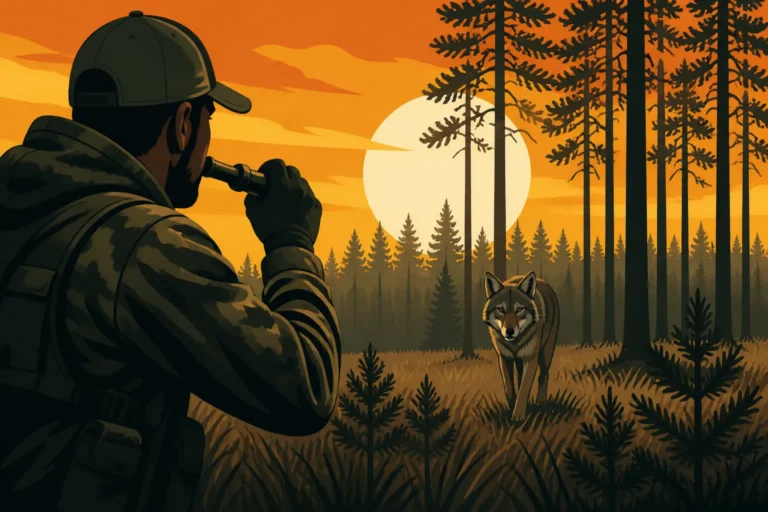
- Roaming and Listening: Instead of hunkering down, start covering ground, particularly in areas you’ve scouted. Walk quietly, stopping frequently to call softly and listen intently. This is where those locator calls—owl hoots, crow calls—can be invaluable. They might not make a gobbler come to you, but they can make him reveal his location.
- Identifying Strut Zones/Feeding Areas: Once hens leave gobblers to go to their nests, the gobblers will often head to strut zones or feeding areas where they know hens frequent. Look for open timbered flats, old logging decks, or field edges. Setting up quietly and waiting near these spots can pay dividends.
- Working the Edges: Fields are huge draws. After the morning dew has burned off, turkeys will often head to fields to feed on insects, grains, or just to dust themselves. A patient sit on a field edge, especially one with good cover and clear visibility, can be a game-changer. These situations are ripe for a bird to appear silently, making your concealment all the more important. This is where insights from Hunting the Late-March Turkey Opener can really drive home the value of sticking with it throughout the day. Remember, the birds are still out there, they just might not be screaming their heads off at dawn. It’s up to you to figure out what they are doing and adapt your approach.
Disclaimer
Hunting is an inherently dangerous activity. Always prioritize safety, follow all local, state, and federal hunting regulations, and obtain the necessary licenses and permits, such as those covered under Mississippi Hunting Licenses and What They Cost and Mississippi Wild Turkey Stamp Cost. Be aware of your surroundings, identify your target positively, and be respectful of other hunters and landowners. This guide is for informational purposes only and does not guarantee success.