Mississippi Trapping License Requirements
Navigating the ins and outs of trapping regulations in Mississippi can feel like trying to untangle a snarled trap line, especially when you're just starting out or crossing over from solely hunting. It's easy to assume a general hunting license covers everything, but when it comes to trapping, the rules are often quite specific. This comprehensive guide is designed to cut through that confusion, clarifying exactly what kind of trapping license you need in Mississippi, who might be exempt, and the critical regulations you'll need to follow to stay legal and ethical in the field.
Understanding the Core Trapping License Requirements in Mississippi
When you decide to venture into trapping in the Magnolia State, one of the very first things you need to understand is that a standard hunting license isn't going to cut it. Mississippi, like many states, has a separate set of rules and a distinct license specifically for trappers. This isn't just bureaucratic red tape; it's about managing furbearer populations responsibly and ensuring those who engage in this activity are aware of the specific guidelines that come with it.
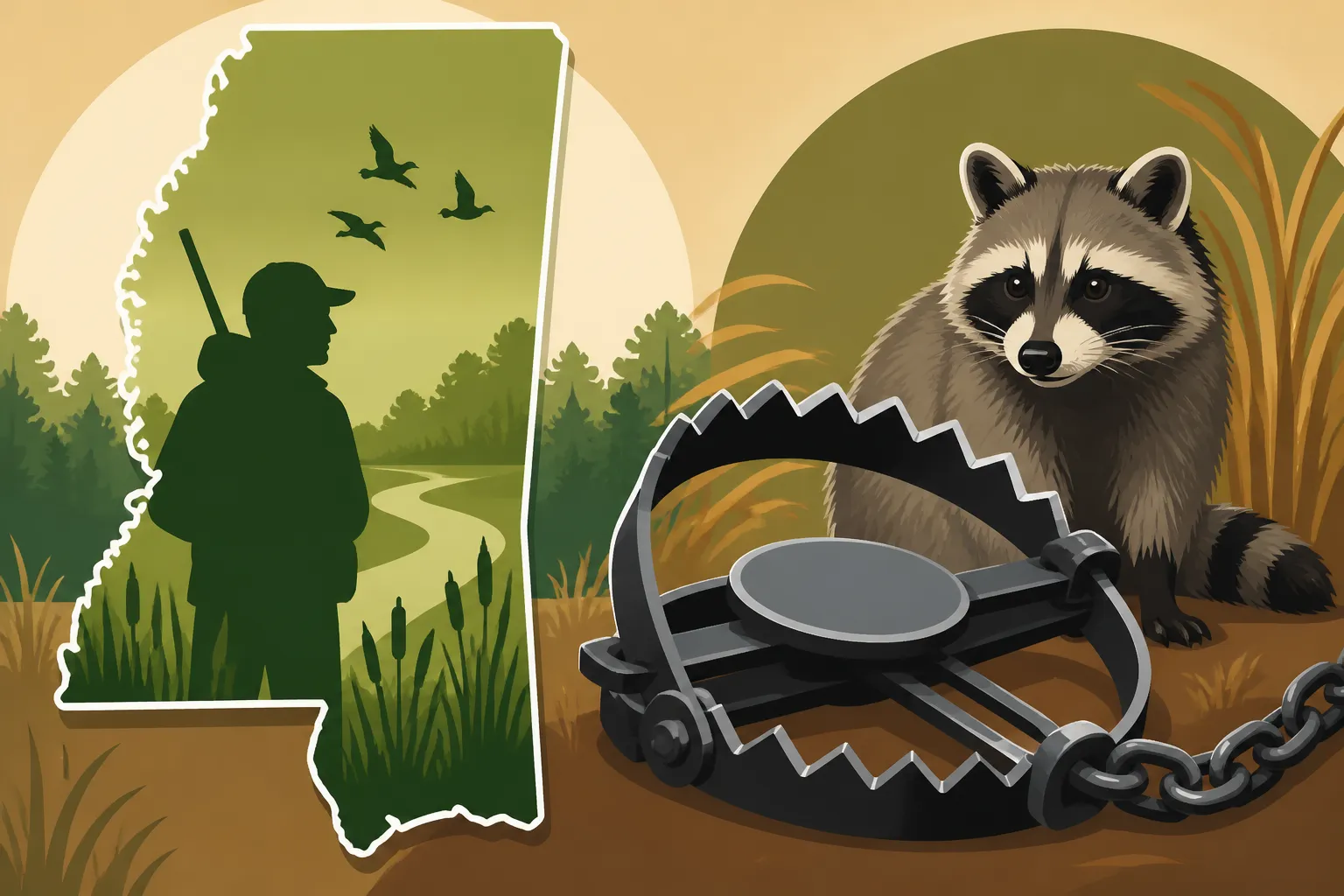
Generally speaking, if you plan to trap furbearers in Mississippi—which includes animals like raccoons, opossums, skunks, beavers, bobcats, foxes, muskrats, mink, and otters—you will need a Mississippi Trapping License. This applies whether you're trapping for commercial purposes, selling pelts, or even just harvesting these animals for personal use if they are regulated furbearers. The Mississippi Department of Wildlife, Fisheries, and Parks (MDWFP) is the governing body here, and their regulations are what you'll need to follow. It's not uncommon for folks to overlook this, thinking their all-game license covers everything, but that specific "Trapping License" is a non-negotiable step for almost everyone looking to legally run a trap line. Think of it as a specialized credential for a specialized outdoor pursuit.
Resident Versus Non-Resident Trapping Licenses
The cost and availability of your Mississippi trapping license will largely depend on your residency status. For those of us who call Mississippi home, obtaining a resident trapping license is typically more affordable and straightforward. You'll need to prove your residency, often through a valid Mississippi driver's license or state ID, which is standard practice for any state-issued outdoor recreation permit.
Non-residents, on the other hand, face a different fee structure and sometimes different rules entirely. If you're coming from out of state with the intention of trapping in Mississippi, be prepared for a higher license fee. This is common across the country, as states often use these higher fees to generate revenue from those who don't contribute to the state's tax base but still utilize its natural resources. It's always a good idea for non-residents to check the most current MDWFP regulations well in advance of their trip, as rules and fees can change annually. Some non-resident hunters opt for combination licenses when hunting, but for trapping, the specific trapping license is still usually required. This distinction ensures that all trappers, regardless of where they hail from, are accounted for and operating within the state's wildlife management framework.
The Purpose of a Dedicated Trapping License
Why does Mississippi require a separate trapping license instead of just rolling it into a general hunting license? The answer lies in the unique nature of trapping as a wildlife management tool. Trapping often involves different equipment, methods, and ethical considerations than hunting. It targets specific species, usually furbearers, often during times of the year when their pelts are prime. The regulations around trap types, checking periods, and locations are designed to be humane, selective, and to prevent harm to non-target species.
A dedicated license allows the MDWFP to:
- Track Participation: Understand how many individuals are actively trapping, which helps in population management and resource allocation.
- Fund Conservation: The revenue generated from trapping licenses directly supports wildlife conservation efforts, research into furbearer populations, and enforcement of trapping laws.
- Ensure Education and Awareness: While not always a direct requirement for the license itself, the existence of a specific license encourages trappers to familiarize themselves with the unique rules and best practices for the activity, sometimes leading to voluntary educational courses.
It’s about recognizing trapping as a distinct practice with its own set of responsibilities. Tools like GoHunt can be incredibly helpful for staying organized and keeping track of regulation changes, helping trappers understand the nuances of the season and local rules.
Who is Exempt from Needing a Mississippi Trapping License?
While the general rule is that you need a trapping license to harvest furbearers in Mississippi, there are specific exemptions and scenarios where a license might not be required. These exceptions are important to understand, as they often apply to landowners or in situations involving nuisance animals, which can save you a trip to the license vendor.
Landowners Trapping on Their Own Property
Perhaps the most significant exemption applies to landowners. If you own property in Mississippi, you generally do not need a trapping license to trap furbearers or nuisance animals on your own land, provided you are not selling the pelts or otherwise engaging in commercial activity with the trapped animals. This exemption is primarily designed to allow landowners to manage wildlife on their property, particularly when animals are causing damage to crops, livestock, or property.
However, it’s crucial to understand the limitations of this exemption:
- No Commercial Use: The moment you decide to sell the pelts, or any part of the animal, the activity becomes commercial, and you will almost certainly need a trapping license.
- Property Boundaries: This exemption strictly applies to your own land. Trapping on adjacent properties, even if you have permission, would typically require a license unless those landowners are also trapping their own property under the same exemption.
- Species Specifics: While this often covers common nuisance animals like raccoons, opossums, and beavers, it’s always best to verify with the MDWFP if you're targeting less common furbearers or if there are any special rules for certain species on private land. For instance, while you can engage in Mississippi Feral Hog Trapping Rules year-round on private land, even for those, if you were to somehow sell them as furbearers, it would change things.
This exemption is a common point of confusion, so always err on the side of caution and consult the latest MDWFP regulations if you're unsure.
Trapping Nuisance Animals
Beyond the landowner exemption, there's the broader category of trapping nuisance animals. Even if you're not the landowner, but you're hired or permitted to remove a specific nuisance animal that is causing damage to property, you might operate under different guidelines. Often, pest control operators or individuals dealing with immediate threats might have different licensing requirements, or they might be covered under a special permit rather than a standard trapping license.
For example, if a beaver is flooding a culvert on someone else's property and you're called in to remove it, you might still need a trapping license if you intend to harvest the animal or if you are doing it as a paid service. If you're simply dispatching an animal causing immediate harm on your property, and not selling its parts, the landowner exemption often applies. The key here is the intent: Is it commercial? Is it for regulated furbearers? Or is it purely for nuisance abatement where the animal's hide has no value to you? Understanding the distinction is vital. Some counties also have specific rules for nuisance wildlife removal, so always check local ordinances in addition to state laws.
Mississippi Trapping Seasons and Furbearer Regulations
Obtaining the correct license is only the first step. Mississippi has a structured trapping season and a detailed set of regulations that govern when, where, and how you can trap various furbearer species. These rules are in place to ensure sustainable populations, humane practices, and to minimize conflicts with other outdoor recreationists.
General Furbearer Seasons
The trapping season for most furbearers in Mississippi typically opens in the late fall or early winter and runs through late winter. The exact dates can shift slightly year to year, so always check the current MDWFP hunting and trapping guide. Common furbearers like raccoons, opossums, skunks, beavers, and foxes usually share similar season dates. Other species, like bobcats, mink, muskrat, and otter, also fall under these general furbearer seasons. For detailed information, you can look up specific regulations like Mississippi Fox and Bobcat Trapping Season or Mississippi Raccoon Season Dates.
These seasons are set to coincide with the period when furbearers' pelts are prime, meaning they are at their thickest and most valuable. Trapping outside of these designated seasons is illegal and can result in significant penalties, including fines and the loss of trapping privileges.
Permitted Trap Types and Sets
Mississippi regulations are quite specific about the types of traps you can use and how they must be set. This is a critical aspect of ethical and legal trapping, aimed at minimizing injury to trapped animals and preventing harm to non-target species.
Commonly permitted trap types include:
- Foothold traps: These are widely used, but often have size limitations and require padded jaws or laminated jaws in some areas to reduce injury.
- Conibear traps (body-gripping traps): These are effective and humane when used correctly to achieve a quick kill, but they often have restrictions on their size and where they can be set, particularly near public roads, trails, or in areas where pets might be present.
- Snares: While legal, snares also have specific regulations regarding cable diameter, stop-locks, and break-away devices to ensure humane capture and release of non-target animals if necessary.
- Live traps (cage traps): These are generally permitted and are a good option for those who wish to release non-target animals unharmed.
Prohibited traps typically include steel-jawed leghold traps without modified jaws, or any trap that is deemed inhumane or likely to cause undue suffering. Furthermore, trap sets often have depth requirements for water sets to ensure that non-target animals or pets are less likely to encounter them. It’s absolutely essential to know these specifics inside and out before setting a single trap. Using a tool like GoHunt's map layers can help you identify public land boundaries and features where trap restrictions might apply.
Trap Checking and Reporting Requirements
Mississippi law mandates how frequently traps must be checked. Generally, all traps must be checked at least once every 24 hours. This regulation is in place for ethical reasons, ensuring that any trapped animal is not left suffering for an extended period, and allowing for the release of non-target animals. Neglecting to check your traps within the mandated timeframe can lead to severe penalties.
While Mississippi doesn't have an extensive reporting system for all furbearers like it does for deer or turkey, some specific species or unique situations might have reporting requirements. It's always a good habit to keep detailed records of your catch, including species, date, and location. This data can be invaluable for understanding local populations and contributes to responsible wildlife management, especially for species like those discussed in Mississippi Muskrat and Mink Trapping Trends.
Always carry your trapping license and any necessary permits with you while checking traps. Just like a hunter needs their license in the field, a trapper does too. Familiarize yourself with how your activities fit into broader Mississippi Small Game Season Rules to understand the comprehensive picture of small game and furbearer management.
Obtaining Your Mississippi Trapping License
Now that you understand the requirements and regulations, let's talk about how to actually get your hands on a Mississippi trapping license. The process is designed to be accessible, with several options available to ensure you can get your license quickly and efficiently.
Online Through the MDWFP Website
The easiest and most common way for many people to purchase their Mississippi trapping license is online through the official MDWFP website. This platform is typically available 24/7, allowing you to purchase your license at your convenience, whether it's late at night or early in the morning.
To purchase online, you'll generally need:
- A valid credit or debit card for payment.
- Your personal identification information, including your full name, date of birth, and physical address.
- Proof of residency (if purchasing a resident license), which is usually verified through your driver's license number or state ID.
Once purchased, you'll typically receive a digital copy of your license that you can print out or keep on your smartphone. Many trappers find it helpful to use an outdoor app like GoHunt to store digital copies of their licenses alongside their maps and scouting notes, making sure they're always accessible in the field, even without cell service.
In-Person at Authorized Vendors
If you prefer a more traditional route or need assistance, you can also purchase a Mississippi trapping license in person. The MDWFP partners with numerous authorized license vendors across the state. These vendors are often sporting goods stores, bait shops, Walmart locations, or other retailers that cater to outdoor enthusiasts.
When purchasing in person, be sure to bring:
- A valid form of identification (driver's license, state ID).
- Proof of residency if you're a Mississippi resident.
- Payment (cash, credit/debit card, or check, depending on the vendor).
The staff at these locations can often answer basic questions about license types and help you navigate the purchasing process. It’s a great option if you’re already out picking up supplies or prefer a physical printout of your license immediately.
License Costs and Options
The cost of a Mississippi trapping license can vary based on residency and sometimes on whether you combine it with other hunting privileges. Here’s a general idea, but always verify the most current pricing on the MDWFP website:
| License Type | Resident Annual Cost | Non-Resident Annual Cost |
|---|---|---|
| All-Game Hunting & Trapping | ~$45 | N/A |
| Trapping License (Specific) | ~$25 | ~$100-$250 (Variable) |
| Apprentice Trapping License | ~$10 | N/A |
Note: These are approximate costs and can change. Always check the official MDWFP website for the most current pricing.
An "All-Game Hunting & Trapping" license for residents is a popular choice, as it covers both hunting all legal game and trapping furbearers, offering comprehensive coverage for diverse outdoor pursuits. Non-residents typically have to buy a specific non-resident trapping license, which is usually a standalone permit.
It’s important to remember that purchasing your license ensures you’re contributing to the conservation efforts that keep Mississippi’s furbearer populations healthy and trapping opportunities available for years to come. Even when dealing with Hunting Pressure on Mississippi Public Land, having your license and understanding the rules helps maintain a positive image for all outdoor enthusiasts.
Final Considerations for Mississippi Trappers
Beyond the license itself, there are a few other critical aspects every trapper in Mississippi should consider to ensure a successful, safe, and legal season. These range from where you can actually set your traps to what happens after the catch.
Public Versus Private Land Trapping
Just like hunting, where you can legally trap depends on land ownership.
- Private Land: On private land, you must have explicit permission from the landowner to trap. This is non-negotiable. Even with a license, trespassing to trap is a serious offense. If you’re not the landowner, verbal permission is a start, but written permission is always best to avoid any misunderstandings. This is similar to the permissions needed for general hunting, where Do You Need Written Permission in Mississippi? is a common question.
- Public Land: Trapping on Mississippi's public lands, such as Wildlife Management Areas (WMAs) or National Forests, is often permitted, but typically comes with additional, more stringent rules. WMAs, for instance, may have specific zones, dates, or even quota systems for trapping, as discussed in Mississippi Wildlife Management Areas. You might also find restrictions on certain trap types or set locations near trails or campgrounds. Always check the specific regulations for the WMA or National Forest you intend to trap on, as they can vary significantly. Some public lands might even be entirely closed to trapping, so thorough research is essential.
Ethical Trapping Practices and Wildlife Management
Being a responsible trapper goes beyond just following the law. Ethical trapping involves:
- Humane Methods: Using traps and techniques that ensure quick, clean captures and minimize suffering. Regular trap checks are a cornerstone of this.
- Selective Trapping: Targeting specific species while avoiding non-target animals. This often means carefully selecting trap types, sizes, and bait.
- Respect for Wildlife: Understanding the role of furbearers in the ecosystem and the importance of sustainable harvesting.
- Proper Carcass Disposal: If not harvesting the animal for its fur or meat, proper and respectful disposal is necessary. For animals that might carry diseases, understanding Mississippi Wildlife Disease Monitoring and reporting sick animals is also vital.
Mississippi's wildlife management goals are to maintain healthy, robust populations of all species. Your actions as a trapper contribute directly to these goals. Embrace the responsibility that comes with the privilege of working with wildlife.
Staying Updated on Regulations
Wildlife regulations, including those for trapping, are subject to change. The MDWFP reviews seasons, bag limits, and specific rules annually, and sometimes even within a season if conditions warrant.
- Annual Digests: Always consult the latest MDWFP hunting and trapping digest, available on their website or at license vendors.
- Online Resources: The MDWFP website is your primary source for up-to-the-minute information and any regulation changes.
- Apps: As mentioned, modern outdoor apps and resources like GoHunt can be extremely helpful for keeping current with regulations, often providing push notifications for critical updates or rule changes.
Being proactive about staying informed is key to avoiding legal troubles and ensuring your trapping activities are always in line with Mississippi law. It's a fundamental part of being a true sportsman and conservationist in our beautiful state.
Disclaimer
The information provided in this guide is for general informational purposes only and does not constitute legal advice. While we strive to provide accurate and up-to-date information, hunting and trapping regulations in Mississippi can change frequently. Always consult the official Mississippi Department of Wildlife, Fisheries, and Parks (MDWFP) website or their current regulations guide for the most accurate and legally binding information before engaging in any hunting or trapping activities.