Mississippi Wildlife Management Areas
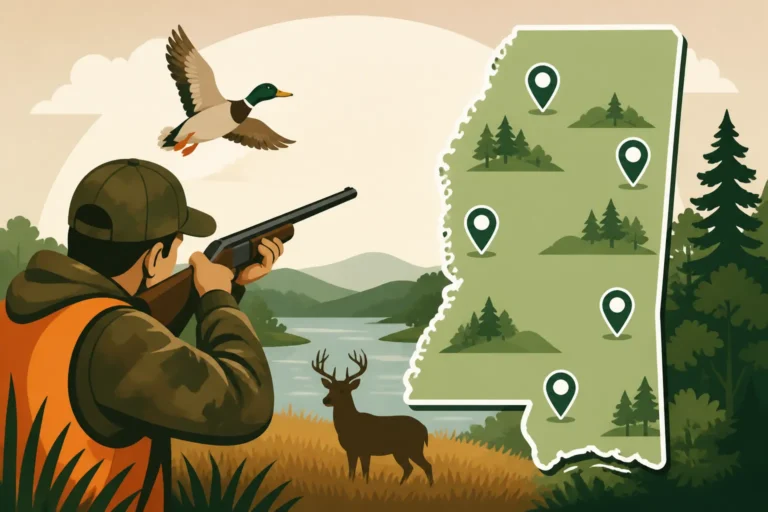
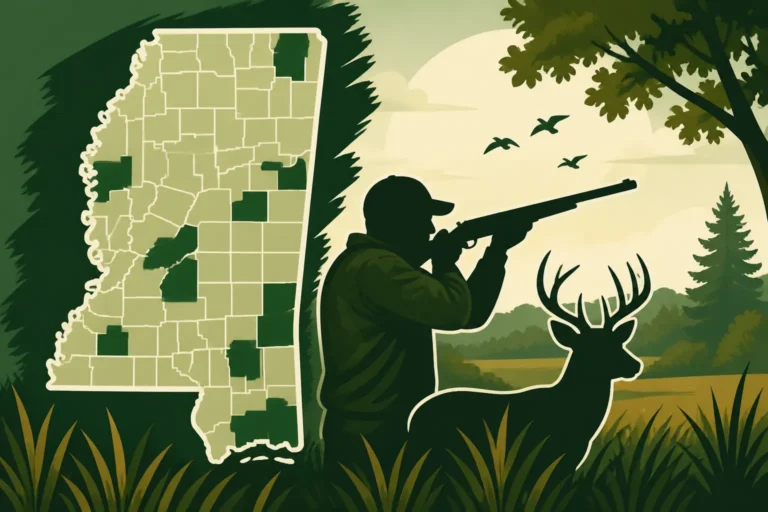
Finding quality hunting land in Mississippi can feel like a real uphill battle, especially if you don't have access to private property or a hunting lease. It's a common frustration to see "No Trespassing" signs everywhere you look, leaving many hunters wondering where they can actually pursue their passion. This guide is here to shed light on Mississippi's Wildlife Management Areas (WMAs), offering a comprehensive look at how these invaluable public lands work, what to expect when you hunt them, and how you can maximize your success.
What Exactly Are Mississippi's WMAs?
Mississippi is blessed with a diverse landscape, from the sprawling Delta bottomlands to the rolling hills and piney woods, and a good portion of this incredible habitat is managed specifically for wildlife and public recreation, primarily hunting. For many of us, these Wildlife Management Areas (WMAs) are the lifeblood of our hunting seasons, offering accessible opportunities that might otherwise be out of reach. But what are they, really? And how do they fit into the bigger picture of public land hunting?
The Core Mission Behind Wildlife Management Areas
At their heart, Mississippi's WMAs are managed lands dedicated to the conservation and enhancement of wildlife populations and their habitats. Think of them as living laboratories and outdoor classrooms, where biologists and land managers work tirelessly to create optimal conditions for deer, turkey, waterfowl, small game, and countless other species. Their mission isn't just about providing places to hunt; it's about ensuring healthy ecosystems for generations to come. This often involves active habitat management, such as prescribed burns to restore native grasses and clear brush, timber stand improvements to encourage desirable forage, and the creation of food plots.
The goal is to maintain a balance, allowing sustainable hunting harvests while also supporting robust wildlife numbers. This often means carefully regulated seasons and bag limits, which might differ from statewide regulations. When you step onto a WMA, you're not just hunting a piece of public ground; you're participating in a larger conservation effort that benefits all wildlife. It's a system designed to give back to nature while providing unparalleled outdoor access.
How WMAs Differ from National Forests or State Parks
While you might find hunting opportunities in places like National Forests or some State Parks, WMAs are distinct because their primary purpose is wildlife management and public hunting. National Forests, like Homochitto or Bienville, have a broader mandate that includes timber production, recreation, and watershed protection, though hunting is certainly a permitted activity. State Parks often prioritize general recreation like camping and hiking, with hunting typically being a secondary, and often more limited, use. WMAs, on the other hand, are specifically acquired, developed, and maintained by the state wildlife agency with hunters and wildlife in mind.
This dedicated focus means WMAs often have infrastructure tailored for hunters, such as designated parking areas, boat ramps for waterfowl access, and clear boundary markings. The rules can be more stringent and specific to the area, reflecting the intensive management goals for particular species. For instance, a WMA might have a special youth hunt weekend or different antler restrictions than the surrounding county, all designed to meet specific management objectives for that unique parcel of land. You'll often find a higher concentration of habitat work directly benefiting game animals on WMAs compared to other public land types.
Funding and Management of Mississippi WMAs
It's natural to wonder how these fantastic resources are maintained. The management and operation of Mississippi's WMAs are largely funded through a combination of sources, with hunters playing a crucial role. A significant portion comes from hunting license sales, specific WMA user permits, and federal excise taxes on hunting equipment and ammunition (thanks to the Pittman-Robertson Act). This means every time you buy a license, a box of shells, or a new tree stand, you're directly contributing to the conservation and maintenance of these lands. It’s a powerful cycle where hunters' dollars directly support the very places they love to hunt.
The Mississippi Department of Wildlife, Fisheries, and Parks (MDWFP) is the primary agency responsible for managing these areas. Their team of biologists, technicians, and conservation officers implement habitat plans, conduct wildlife surveys, enforce regulations, and educate the public. This hands-on management is what makes WMAs so productive and ensures they remain viable hunting grounds. Understanding How Mississippi WMAs Are Managed can give you a deeper appreciation for the work that goes into providing these opportunities.
Navigating the Rules and Regulations
Stepping onto a Mississippi WMA means stepping into a world with its own set of rules, and trust me, knowing these rules is half the battle for a successful and stress-free hunt. It's not like hunting private land where you just need the landowner's permission. WMAs have specific regulations designed to manage wildlife populations, control hunter pressure, and ensure safety for everyone enjoying the outdoors. Ignoring them can quickly turn a great day into a frustrating or even legally problematic one, so let's dive into what you need to know.
Understanding Area-Specific Rules and Permits
One of the biggest lessons I learned early on about WMA hunting is that no two WMAs are exactly alike. While there are overarching statewide regulations, almost every WMA will have its own unique set of rules, often referred to as "special regulations." These can cover everything from specific hunting dates (which might differ significantly from the statewide season), legal weapons, antler restrictions, daily bag limits, and even the type of treestands or ground blinds you're allowed to use. For example, some WMAs might be archery-only for certain periods, while others might restrict ATV use to designated trails.
It's absolutely critical to check the specific regulations for the WMA you plan to hunt before you go. The MDWFP website is your best friend here. They typically publish a WMA-specific pamphlet or section online each year. Don't rely on last year's rules or what you heard from a buddy about a different WMA; take the time to read the current regulations thoroughly. Many WMAs also require a WMA-specific permit in addition to your regular hunting license. This small fee directly supports that particular WMA's management efforts and is usually purchased online or through the MDWFP app. Some WMAs also operate on a quota hunt system, meaning you have to apply and be drawn to hunt specific periods, which brings us to Mississippi WMA Quota Hunt Sign-In Process.
General Regulations for All WMAs
Beyond the area-specific rules, there are some general regulations that broadly apply across all Mississippi WMAs. These are your foundational guidelines for responsible public land use. For instance, blaze orange requirements during gun seasons are universal, as are rules regarding littering, defacing property, and destruction of habitat. You'll also find consistent rules about leaving permanent stands or blinds on public land, which is generally prohibited. Most public land, including WMAs, expects you to use portable stands that are removed daily or after each hunt. For more details, you can check out Treestand Rules on Mississippi Public Land or Ground Blind Rules on Mississippi WMAs.
Vehicle access is another big one; generally, you'll need to stay on designated roads or parking areas, and off-road vehicle use is often restricted or forbidden to protect sensitive habitats. Camping rules also vary, with some WMAs offering designated camping areas, while others prohibit it entirely. It's always a good idea to pack out everything you pack in, including spent shell casings, and to treat the land with respect. Remember, you're sharing this space with other hunters and outdoor enthusiasts, so common courtesy and safety are paramount.
Mandatory Reporting and Checking Procedures
One of the key differences when hunting a WMA versus private land is the mandatory harvest reporting and checking procedures. On most WMAs, any deer or turkey harvested must be reported, often within a very specific timeframe or at a designated check station. This isn't just bureaucratic red tape; it's vital for wildlife biologists to gather accurate data on harvest numbers, sex ratios, and age structures. This information directly informs future season lengths, bag limits, and overall management strategies for the WMA.
Some WMAs have physical check stations where you bring your harvested animal for biological data collection, while others utilize an online or phone reporting system. It's crucial to understand which method applies to your chosen WMA and to follow it precisely. Failing to check your game can result in fines and other penalties. Always carry a pen and the necessary information (like your license number) to ensure you can complete the process efficiently. This commitment to data collection is a cornerstone of effective wildlife management and ensures these areas remain productive for years to come.
Finding the Right WMA for Your Hunt
Mississippi boasts an impressive network of Wildlife Management Areas, each with its own character, habitat, and hunting opportunities. But with so many options, how do you even begin to narrow it down and find the perfect spot for your next adventure? It can feel overwhelming, like looking for a needle in a haystack, especially if you're new to WMA hunting or exploring a different part of the state.
Utilizing Online Resources and Mapping Tools
In today's digital age, your phone or computer is your most powerful scouting tool for WMAs. The MDWFP website is the first place to start, offering detailed maps, specific regulations, and even harvest data for many WMAs. Take the time to pour over these resources, noting access points, boundaries, and any special restrictions. This is also where you'll find information on WMA-specific permits and quota hunts. Remember, some WMAs might have different seasons or bag limits than the surrounding county, so always double-check.
Beyond the MDWFP's official resources, powerful mapping apps have become indispensable for public land hunters. Tools like onX Hunt and GoHunt provide incredibly detailed satellite imagery, topographic maps, and crucially, clearly marked property boundaries, including WMA borders. I can't tell you how many times onX Hunt has saved me from inadvertently stepping onto private land or helped me identify remote access points that weren't obvious from a road. These apps allow you to scout from your couch, pinpointing potential bottlenecks, bedding areas, and water sources before you ever set foot on the ground. Using the MDWFP Map Tool in conjunction with these third-party apps will give you a significant advantage.
Scouting and Familiarizing Yourself with WMA Terrain
Online scouting is fantastic, but there's no substitute for boots-on-the-ground reconnaissance. Before opening day, try to visit your chosen WMA during the off-season. This allows you to walk trails, learn the lay of the land, identify natural funnels, and locate fresh sign without the pressure of hunting season. Look for pinch points, ridge lines, creek bottoms, and changes in timber type that could funnel deer. Pay attention to food sources, water, and potential bedding areas.
Understanding the terrain, especially in large WMAs, is crucial. Is it flat Delta bottomland, requiring waders and mosquito repellent, or is it rolling Hills Unit country with steep ravines? Scouting Mississippi Public Land Before Season is not just a suggestion; it's a necessity. Even a quick afternoon hike can reveal invaluable information about game trails, potential stand sites, and how other hunters might be accessing the area. Remember, the more you know about the WMA, the better equipped you'll be to adapt to changing conditions and hunter pressure.
Popular WMAs and Their Unique Offerings
Mississippi is home to a fantastic array of WMAs, each with its own charm and challenges. The type of WMA you choose should often align with the species you're targeting and the kind of habitat you prefer to hunt.
For instance, if you're a deer hunter looking for big Delta bucks, areas like Mahannah WMA are legendary for their potential, though they often require a quota hunt drawing and can be incredibly challenging to hunt with dense cover and often wet conditions. These bottomland WMAs are characterized by vast tracts of hardwoods, sloughs, and cypress breaks.
If turkey hunting is your passion, you might look towards WMAs in the central or eastern parts of the state with more pine and hardwood mixes, where gobblers can be found strutting across open areas or roosting in tall timber. Places like Malmaison Wildlife Management Area offer diverse habitat for both deer and turkey, presenting a classic Mississippi hunting experience.
For waterfowl enthusiasts, WMAs with managed impoundments, flooded timber, or extensive marsh systems, such as Trim Cane WMA or parts of Pascagoula River Wildlife Management Area, are prime destinations, especially along the Mississippi Flyway. Each WMA has its own personality, and researching these unique offerings will help you match your hunting style with the right location.
Common Challenges and How to Overcome Them
Hunting public land, especially WMAs, isn't always a walk in the park. It comes with its own unique set of challenges that can test a hunter's patience, skill, and adaptability. From navigating crowds to deciphering animal behavior in pressured environments, it's crucial to be prepared for what you might encounter. But don't despair! With the right mindset and strategies, these challenges are definitely surmountable.
Dealing with Hunting Pressure on WMAs
Let's be honest, one of the biggest frustrations on public land is dealing with other hunters. On opening day or during peak season, it can feel like everyone in the state has descended upon your chosen WMA. Hunting Pressure on Mississippi Public Land is a very real thing, and it changes deer and turkey behavior dramatically. Animals become warier, more nocturnal, and often retreat to the thickest, most overlooked cover.
To overcome this, you need to think differently. First, avoid the obvious access points. Most hunters won't walk further than half a mile or climb over a downed log if they don't have to. If you're willing to put in the extra effort, whether it's an extra mile on foot, crossing a creek, or navigating a dense thicket, you'll often find less-pressured areas. Second, hunt during weekdays if possible, as weekends see significantly more traffic. Third, consider hunting mid-day. While many hunters are in and out at first light and last light, game animals still move during the middle of the day, especially in thick cover where they feel safe. Lastly, look for smaller, less-known WMAs, or sections of larger WMAs that are harder to access. Sometimes the hardest-to-reach spots hold the best opportunities because they're simply not worth the effort for most people.
Access Issues and Navigating Restricted Areas
Another common hurdle on WMAs is simply getting to where you want to hunt. Some areas have limited parking, while others might have gates that are only open during specific seasons or days. Vehicle restrictions are also common, with ATVs often limited to designated trails or prohibited entirely. This can mean a longer hike to your desired hunting spot, so be prepared with a good backpack and the physical stamina to carry your gear and potentially a harvested animal out.
Restricted areas are also a reality. WMAs often have designated "no hunting" zones around campsites, residences, or specific wildlife sanctuaries. Respecting these boundaries is not just a legal requirement, but an ethical one. Using a reliable mapping app like onX Hunt is invaluable here, as it clearly delineates these restricted zones, preventing you from inadvertently trespassing or setting up in an illegal area. Always double-check the WMA's specific map and regulations for any areas that are off-limits, or any times when certain sections might be closed for management purposes. Having an understanding of Mississippi Trespass and Permission Law is also generally good practice for any hunter.
Locating Game in Diverse WMA Habitats
Mississippi's WMAs offer a huge variety of habitats, from dense swamps and bottomland hardwoods to pine plantations and rolling upland forests. While this diversity is a blessing, it can also make locating game a challenge. Deer and turkey behavior will vary wildly depending on the habitat. In the Delta's flooded timber, deer might be concentrated on slightly higher ground or along slough edges. In pine forests, they might prefer the edges of clearcuts or dense regenerating areas.
The key here is observation and adaptation. Learn to "read" the habitat you're in. Look for subtle changes in elevation, different timber types, or transitions between thick cover and more open foraging areas. These "edges" are often hotspots for game movement. Pay attention to prevailing wind patterns and thermals, especially in hilly terrain or along waterways. Food sources will also dictate where game spends its time. In years with good acorn crops, focus on mature oak flats. If acorns are scarce, look for planted food plots, browse in clearcuts, or agricultural fields on WMA boundaries. The more you understand the nuances of the specific habitat you're hunting, the better you'll be at predicting game movement and placing yourself in a position for success.
Strategic Hunting Approaches for WMAs
Hunting a WMA isn't just about showing up with your gear; it's about employing smart, adaptable strategies that account for the unique characteristics of public land. Given the potential for pressure and the diverse habitats, a nuanced approach will almost always yield better results than a "hunt it like private land" mentality. Let's explore some species-specific tactics that have proven successful for many of us on Mississippi's WMAs.
Maximizing Success in Public Land Deer Hunting
Deer on WMAs are often pressured, making them warier and more nocturnal. To consistently find success, you need to work harder and smarter. First, as mentioned earlier, seek out overlooked areas. This means walking further than others, crossing water, or pushing into thicker, nastier cover that most hunters avoid. These sanctuaries often hold mature bucks seeking refuge. Secondly, focus on terrain features that funnel deer movement. Ridge saddles, creek crossings, pinch points between thickets, and subtle elevation changes in flat terrain are all prime candidates. Use your mapping app to identify these before you even step foot on the WMA.
Consider your entry and exit routes carefully. Minimize disturbance by choosing routes that keep you downwind and out of sight of potential bedding areas. Hunt during the Hunting the Mississippi Rut by Unit when bucks are more active during daylight hours, cruising for does. During this time, they might throw caution to the wind, giving you a better chance. Employ calls sparingly and realistically; pressured deer are quick to identify unnatural sounds. Lastly, use scent control rigorously. On public land, every little advantage helps, and reducing your human odor is a critical step in fooling a wary WMA buck.
Effective Turkey Hunting Tactics on WMA Land
Turkey hunting on WMAs brings its own set of challenges, especially the potential for other hunters to be calling and working birds. To increase your odds, get there early. Be the first to locate gobblers on the roost, and get set up well before fly-down. This gives you the best chance to work a bird before another hunter intervenes. Be mobile and adaptable. If a bird hangs up or moves away, don't be afraid to pick up and reposition. Sometimes, a subtle move of a hundred yards can make all the difference. Run-and-Gun Turkey Tactics on Public Land can be incredibly effective when birds are pressured.
Learn to read the terrain for turkeys. Ridge tops, open hardwood bottoms, and the edges of fields are all places turkeys frequent. Scout for strut zones and dusting bowls. Realistic calling is key. Don't overcall, and try to mimic the sounds of a specific hen. Sometimes, a few soft yelps and clucks are all it takes. If you're encountering a lot of hunting pressure, consider hunting mid-day when most other hunters have gone back to camp. Turkeys often become more receptive to calls during these quieter periods. Finally, always be aware of other hunters' positions and always assume any sound you hear could be another person. Safety is paramount.
Waterfowl and Small Game Strategies
Waterfowl hunting on WMAs, particularly those with managed impoundments or flooded timber, can be incredibly rewarding but also highly competitive. Scouting is non-negotiable. Drive around the WMA's perimeter, look for birds in the air, and try to identify where they're feeding and resting. Pay attention to water levels and recent rainfall, as ducks will shift their locations based on available water. Get to your spot extremely early to beat the crowds and set up your decoy spread before first light. Hunting Greentree Reservoirs for Mallards often means navigating thick timber in the dark, so know your route.
For small game like squirrels and rabbits, WMAs offer fantastic opportunities that often see less pressure than deer or turkey seasons. For squirrels, focus on mature hardwood bottoms, particularly those with oak and hickory trees. Look for fresh cuttings or mast on the ground. Still-hunting slowly through these areas, stopping frequently to listen, is highly effective. For rabbits, target dense brush piles, fencerows, and thick regenerating clearcuts. A good beagle can be a game-changer here, but even without dogs, systematically working through cover can yield good results. Small game hunting on WMAs is a great way to introduce new hunters to the sport and enjoy a relaxing day afield without the intense pressure of big game.
Essential Gear and Preparedness for WMA Hunts
Hunting on a Wildlife Management Area means you're often in remote, rugged terrain, and you're typically responsible for everything you need. Unlike some private land hunts with a cozy camp or readily available amenities, WMA hunting demands self-reliance and thorough preparation. Packing the right gear and having a solid plan for safety and ethics can make the difference between a successful, enjoyable hunt and a miserable, or even dangerous, one.
Must-Have Gear for a Productive WMA Trip
Your gear list for a WMA hunt might be a bit more extensive than for a simple walk in the woods. Navigation tools are paramount: a fully charged phone with a reliable mapping app like onX Hunt downloaded offline, a backup GPS device, and a physical map and compass are not overkill. Cell service can be spotty to non-existent in many remote WMA areas. Comfortable, broken-in hunting boots are a non-negotiable; you'll likely be doing a lot of walking, often through challenging terrain, and wet or blistered feet will quickly ruin a hunt.
Other essentials include a quality backpack to carry your food, water, extra layers, first-aid kit, and game processing tools. A good headlamp with fresh batteries is critical for early morning entries and late evening exits. For deer hunting, a sturdy, portable treestand or a comfortable ground blind (checking WMA rules, of course) is essential. Don't forget appropriate layers of clothing for Mississippi's often unpredictable weather, along with insect repellent, especially in warmer months or wet areas. And, of course, your hunting license, WMA permit, and proof of Mississippi Hunter Education Requirements should always be with you.
Safety Considerations and Emergency Planning
Safety should always be your top priority on any hunt, but especially on public land where you might encounter other hunters. Blaze orange is often required during gun seasons, but it's a smart idea to wear it anytime you're walking in or out, even during archery season, to make yourself visible to others. Always know your target and what's beyond it. Never take a shot if you're unsure.
Emergency planning is also crucial. Let someone know where you're going and when you expect to return. Provide them with your specific WMA location and a general hunting area. Carry a well-stocked first-aid kit that can handle everything from minor cuts to snakebites. Consider a personal locator beacon (PLB) or satellite messenger device for true wilderness areas, which can be invaluable if you get lost or injured and have no cell service. Dehydration is a real threat, so always carry more water than you think you'll need. If hunting alone, tell a loved one and have a backup plan for retrieving game, especially large animals, from remote locations.
Minimizing Your Impact and Practicing Ethical Hunting
As guests on these public lands, we have a responsibility to leave them better than we found them. Practice Leave No Trace principles: pack out all your trash, including food wrappers, spent casings, and any flagging tape you might use. Don't damage trees for stands or blazes, and avoid disturbing natural features.
Ethical hunting also means making clean, quick kills and diligently tracking wounded game. It means respecting other hunters' space and not encroaching on their setups. If you hear someone else working a bird or grunting at a buck, give them a wide berth. Remember, we all share these precious resources. By being a responsible and ethical hunter, you not only ensure positive experiences for yourself but also contribute to the positive public perception of hunting and the continued access to these valuable WMAs. This is a privilege, not a right, and we must all do our part to protect it.
Beyond the Hunt: Conservation and Community
Hunting on a Wildlife Management Area is about more than just filling a tag. It's an opportunity to connect with nature, test your skills, and be part of a larger community dedicated to conservation. These areas are living testaments to the power of dedicated management and the critical role hunters play in funding and advocating for wildlife. Embracing this broader perspective enriches the entire hunting experience and strengthens our commitment to the future of Mississippi's wild places.
Supporting WMA Conservation Efforts
Every time you buy a hunting license, a WMA permit, or even a box of ammunition, you are directly contributing to the conservation of Mississippi's wildlife and their habitats. This funding is vital for the MDWFP to continue acquiring new lands, improving existing habitats, conducting critical research, and enforcing regulations on WMAs. These efforts ensure healthy wildlife populations and diverse ecosystems. It's a powerful and direct way to give back to the resources that provide us so much enjoyment.
Beyond financial contributions, consider volunteering your time. Many WMAs rely on volunteers for habitat improvement projects, trail maintenance, or other conservation work. Getting involved firsthand gives you a deeper understanding of the challenges and rewards of wildlife management and fosters a sense of ownership and pride in these public lands. It's a fantastic way to learn more about the land you hunt and connect with other like-minded individuals who share your passion for the outdoors.
The Role of Hunters in WMA Management
Hunters are not just users of WMAs; we are active participants in their management. Our license fees, as mentioned, are the financial backbone. But our participation goes deeper. Mandatory harvest reporting on WMAs provides biologists with invaluable data. When you accurately report your deer or turkey harvest, you're essentially providing real-time data that helps shape future season structures and bag limits. This data-driven approach is critical for sustainable wildlife management.
Furthermore, hunters serve as the eyes and ears in the field. Reporting unusual wildlife sightings, signs of disease, or suspected poaching helps conservation officers and biologists maintain the health and integrity of these areas. By adhering to regulations, practicing ethical hunting, and advocating for sound wildlife policies, hunters ensure that WMAs remain vibrant, productive ecosystems for both game and non-game species. This partnership between hunters and wildlife agencies is a cornerstone of the North American Model of Wildlife Conservation.
Connecting with the WMA Hunting Community
While WMA hunting can often feel like a solitary pursuit, there's a strong, unspoken community among public land hunters. We share the same struggles—the early mornings, the long walks, the frustrations of pressured game—and the same triumphs. You might not always strike up a conversation at the parking lot, but there's a mutual respect and understanding that binds us.
Joining local conservation organizations or online forums dedicated to Mississippi hunting can further deepen this connection. These platforms are excellent places to share knowledge, ask questions, and even find hunting partners. You might learn about new tactics, discover a lesser-known WMA, or simply enjoy the camaraderie of fellow hunters. Remember, mentoring new hunters, especially youth, on WMAs is a fantastic way to pass on our traditions and ensure the future of both hunting and conservation. There are Mississippi Deer Camp Traditions that extend to WMA hunting, fostering bonds and shared experiences. These public lands are for all of us, and fostering a supportive community makes the experience richer for everyone involved.
Disclaimer
This article is for general informational purposes only and does not constitute professional advice. Laws, prices and regulations vary by location and change over time. Consult a qualified professional for guidance on your specific situation.