Mississippi Antler Point Restriction History
If you've spent any time deer hunting in Mississippi, you know that the rules around what constitutes a "legal buck" can feel like they've shifted and evolved over the years, sometimes leading to a fair bit of head-scratching. It's not just about knowing when the season opens anymore; you've got to understand the intricacies of antler point restrictions (APRs). This guide is going to walk you through the history of how these regulations came to be, what they mean for hunters today, and why they’re such a crucial part of managing our state's incredible deer herd.
The Genesis of Antler Point Restrictions in Mississippi
For a long time, the prevailing wisdom in deer management was often focused on simply growing the overall deer population. After populations had been decimated in the early 20th century, the goal was to get deer back on the landscape, and that strategy largely worked. We saw deer numbers rebound beautifully across Mississippi. But as the herds grew, a new set of challenges emerged, particularly regarding the age structure and quality of our buck population.
A Shift from Quantity to Quality
In the era of rebuilding deer herds, the focus was understandably on numbers. Hunters were encouraged to harvest deer, and often, any buck was considered fair game. This led to a disproportionate harvest of young bucks, sometimes yearling deer, before they had a chance to fully mature. While it might seem like harvesting any buck is good for population control, continuously taking out the youngest, most accessible antlered deer started to have an impact on the overall age structure of the buck herd. You’d end up with a lot of young bucks and very few older, more mature animals.
This imbalance wasn't just about antler size; it affected the entire herd dynamic. Older bucks contribute significantly to a healthier breeding cycle, and having a good distribution of age classes among bucks is vital for overall herd health. Biologists and keen-eyed hunters began to notice that while deer numbers were high, the quality of bucks – in terms of antler size and body weight for their age – seemed to be declining in many areas. It became clear that a different approach was needed, one that shifted the emphasis from just "more deer" to "healthier, more balanced deer populations."
The Principles Behind Protecting Young Bucks
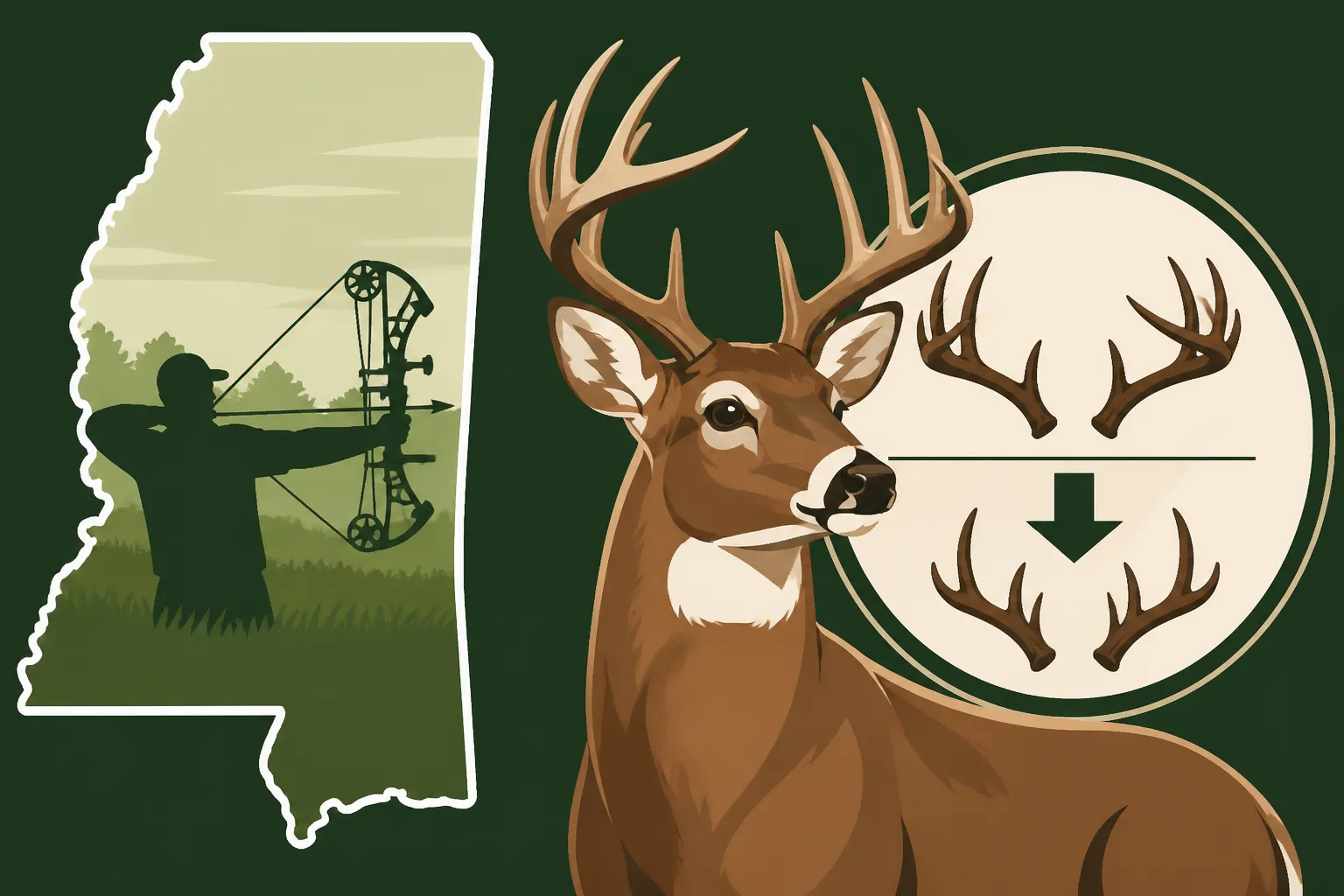
This shift in thinking brought us to the doorstep of Quality Deer Management (QDM), a philosophy that emphasizes managing deer for a healthy population age structure, robust body weights, and improved antler quality. At its core, QDM principles suggest that by protecting younger bucks, especially yearlings, and focusing harvest pressure more heavily on does and older, mature bucks, the entire herd benefits.
When a young buck is allowed to pass through its yearling phase and into its two-and-a-half and three-and-a-half-year-old stages, it's given the opportunity to express its full genetic potential. Think about it: a young buck's energy goes into body growth first, and then antler development. If you harvest them too young, they never get to that second stage where impressive antlers really start to show. Furthermore, a balanced buck-to-doe ratio, which QDM helps foster, can lead to a more intense rut, reducing the breeding burden on young bucks and ensuring does are bred efficiently. This strategic approach, informed by sound biological principles, laid the groundwork for the introduction of antler point restrictions across Mississippi.
Tracing the Timeline of Mississippi's APRs
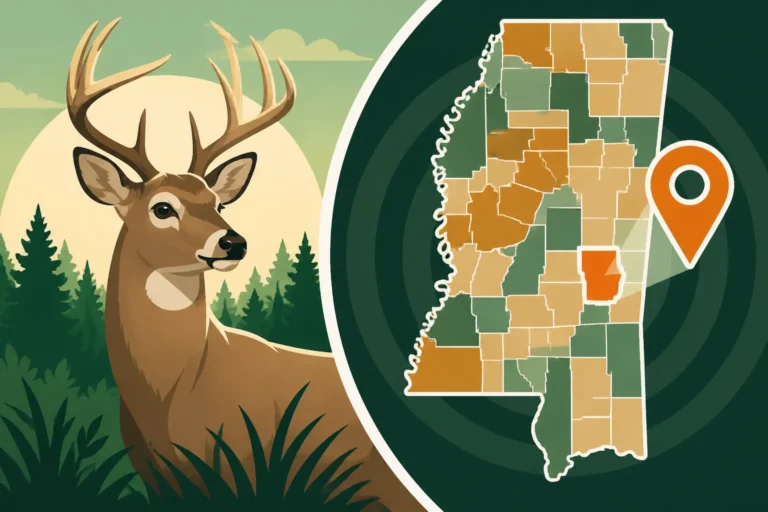
The journey to implementing antler point restrictions in Mississippi wasn't a sudden flip of a switch. It was a gradual process, influenced by differing deer populations and habitat types across our diverse state. The Mississippi Department of Wildlife, Fisheries, and Parks (MDWFP) approached it systematically, recognizing that a one-size-fits-all rule wouldn't work everywhere.
Early Regulations and the Delta Unit's Pioneering Role
Our state is broken into four distinct deer management units, and the Delta Unit has always been a special case, known for its rich, fertile soils and bottomland hardwood forests. These factors contribute to some of the best nutrition available for deer, meaning bucks in the Delta often have the potential to grow larger antlers earlier in life compared to other regions. It only made sense that any initial antler regulations would target this area, often seen as a bellwether for what quality deer management could achieve.
The Delta Unit was indeed one of the first areas to see specific antler restrictions implemented. As hunters, many of us remember when the rule for legal bucks in the Delta became focused on a minimum 12-inch inside spread or a main beam at least 15 inches long. This rule was a significant departure from simply counting points. It mandated that hunters visually assess a buck's antlers to ensure it met these specific criteria before taking a shot. This was a direct effort to protect those younger bucks, giving them a chance to mature and grow into the impressive animals the Delta is famous for. For a deeper dive, you can explore the specifics of the Delta Unit Twelve-Inch Spread Rule Explained.
Expanding Restrictions to the Hills and Southeast Units
After seeing the positive effects in the Delta, the MDWFP began to expand APRs to other units, albeit with regulations tailored to their unique characteristics. The Hills and Southeast Units, for example, present different habitats and typically have deer with somewhat different growth rates than the Delta.
Around 2012, or shortly thereafter, antler restrictions were expanded to these units. The rule that many hunters in the Hills and Southeast Units are familiar with dictates that a legal buck must have an inside spread of at least 10 inches, or one main beam that is at least 13 inches long, or have at least 4 points on one side. This combination of criteria provides a little more flexibility than the Delta rule but still serves the same primary purpose: protecting younger bucks. It requires a bit more mental calculation in the stand, especially when trying to quickly assess points and spread. For those of you hunting in the central or northern parts of the state, understanding Hills Unit Ten-Inch Spread Rule Explained is crucial. These unit-specific rules highlight the diverse approach to managing Mississippi's deer, a critical factor given the varying ecological conditions across Mississippi's Four Deer Management Units.
Continual Review and Adaptations by MDWFP
It’s important to remember that these regulations aren't set in stone forever. The MDWFP continuously monitors herd health, harvest data, and biological metrics to assess the effectiveness of current APRs. They conduct research, analyze hunter surveys, and gather feedback to ensure the rules are achieving their intended goals. This means that while the core principles of APRs remain, the specific measurements or criteria might be fine-tuned or adjusted in the future based on new data and insights.
For instance, the conversation around whether certain units could benefit from even stricter or slightly modified regulations is ongoing. Tools like GoHunt can be incredibly valuable for hunters looking to keep up with the latest unit boundaries and regulations, often integrating official MDWFP data directly into their mapping platforms. Staying informed by regularly checking the MDWFP website or reliable mapping services is always the best practice.
The Tangible Impact of APRs on Mississippi Deer Hunting
So, what have these antler point restrictions actually achieved? It’s a fair question, and one that sparks a lot of discussion around deer camp fires. While not everyone agrees on every aspect of APRs, the data and on-the-ground observations from hunters and biologists alike paint a pretty clear picture of their success in improving Mississippi's deer herd.
Observable Changes in Buck Age Structure and Antler Quality
One of the most immediate and positive impacts of APRs has been the noticeable shift in the buck age structure. Before APRs, it wasn't uncommon for yearling and 2.5-year-old bucks to make up the vast majority of the harvest. Now, especially in areas where APRs have been in place for a longer period, hunters are consistently seeing and harvesting more mature bucks. This isn't just anecdotal; MDWFP harvest reports often show an increase in the proportion of older age-class bucks being taken, particularly those 3.5 years and older.
This increased age structure directly translates to improved antler quality. Give a buck an extra year or two, and his antlers will typically grow larger, with more mass and points, assuming good nutrition. This means better opportunities for hunters to pursue genuinely mature deer. Beyond just trophy potential, a healthier age structure among bucks also contributes to a more natural and vigorous rut. When more mature bucks are present, the breeding burden is spread out, leading to more efficient breeding cycles and potentially higher fawn survival rates. The overall herd is more robust and resilient.
Hunter Perception and the Learning Curve
When APRs were first introduced, there was naturally some resistance and a learning curve for hunters. Many had grown up with a different approach to deer hunting, where "if it's brown, it's down" was the mantra. Suddenly, they were being asked to make quick, sometimes challenging, judgment calls in the field about antler spread, beam length, or point count. This led to frustrations, especially when a shooter buck appeared briefly, and the hunter felt pressured to make a split-second decision under high-adrenaline circumstances.
However, over time, most Mississippi hunters have adapted. The initial challenges have given way to a new skill set: field judging. Hunters now spend more time scouting, using trail cameras (where permitted), and studying antler photos to train their eyes. Education from the MDWFP, along with resources from organizations like GoHunt, has helped hunters understand why these rules are in place and how to accurately judge antlers. While some still long for simpler days, many now appreciate the opportunity to hunt a healthier herd with a greater chance of encountering and harvesting a truly mature buck. It has, in a way, elevated the challenge and reward of deer hunting in Mississippi.
Understanding Today's Antler Point Restrictions
Navigating Mississippi's deer hunting regulations today means being intimately familiar with the specific antler point restrictions for the unit you're hunting in. Misjudging a buck could lead to a citation, but more importantly, it means removing a deer from the herd that was intended to mature and contribute to the overall quality of future hunts. It's a critical aspect of being a responsible hunter.
Decoding the Delta Unit's Antler Rules
If you're hunting in the rich bottomlands of the Delta Unit, your primary focus will be on antler spread and main beam length. A legal buck here must have an inside spread of at least 12 inches or one main beam that is at least 15 inches long. There are no point count alternatives here, which simplifies the judgment somewhat, but the measurements can still be tricky in the heat of the moment.
To field judge the 12-inch spread, many seasoned Delta hunters use the "ear-tip-to-ear-tip" rule of thumb. On most mature bucks, the distance between the tips of their ears when alert and facing forward is roughly 15 inches. If the antlers extend noticeably beyond the ear tips, it’s likely legal. If they just reach, or are inside, it’s probably too narrow. For the 15-inch main beam length, it's harder to judge quickly. A good rule of thumb is to look for a beam that extends well past the ear base. Knowing Why Delta Bucks Need a Bigger Spread compared to other units is key—it’s all about giving those magnificent Delta deer the chance to fully express their superior genetics and nutrition. You don't want to accidentally take out a promising young buck that could turn into a real trophy next year.
Navigating the Hills and Southeast Unit Regulations
For hunters in the Hills, North Central, and Southeast Units, the regulations offer a bit more flexibility, but also a slightly more complex set of criteria. Here, a legal buck needs to meet one of three conditions: an inside spread of at least 10 inches, or one main beam at least 13 inches long, or at least 4 points on one side.
The 10-inch spread can also be judged using the ear-tip method. If the antlers are roughly equal to or slightly wider than the buck’s ear tips when alert, it's likely going to be legal. Again, the 13-inch main beam length is tougher to gauge, but generally means the beam extends a good distance past the buck’s eye. The "4 points on one side" rule is often the easiest to confirm quickly, as long as you can clearly count the points. A "point" is generally defined as an antler projection at least one inch long. This rule means you could harvest a buck with a relatively small spread if it happens to have the requisite number of points, offering more opportunities. These nuanced rules mean that before you step foot in the woods, you should be fully versed in Hunting the Southeast Unit's Longer Archery Run or whatever specific regulations apply to your chosen area.
Staying Current with MDWFP Regulations
The single most important piece of advice for any deer hunter in Mississippi is to always, always consult the most recent MDWFP hunting regulations. These regulations are published annually, and while major changes aren't constant, small tweaks or clarifications can occur. The MDWFP website is the official source for this information, and it's readily available.
Beyond the printed guide, many hunters use digital tools. The official MDWFP app is a fantastic resource for checking regulations, unit boundaries, and even reporting harvests. Additionally, hunting apps like GoHunt often incorporate the latest regulations and offer mapping layers that clearly delineate unit boundaries, CWD zones, and public land access points. Relying on outdated information or hearsay is a recipe for trouble. By staying current, you ensure your hunting practices are legal, ethical, and contribute positively to Mississippi's ongoing deer management success.
Disclaimer
The information provided in this guide is intended for general informational purposes only and is subject to change. Hunting regulations are dynamic and can be updated by the Mississippi Department of Wildlife, Fisheries, and Parks (MDWFP). It is the individual hunter's responsibility to review and comply with all current state hunting laws and regulations before engaging in any hunting activities. Always refer to the official MDWFP website and publications for the most accurate and up-to-date information.