Hunting the Southeast Unit’s Longer Archery Run
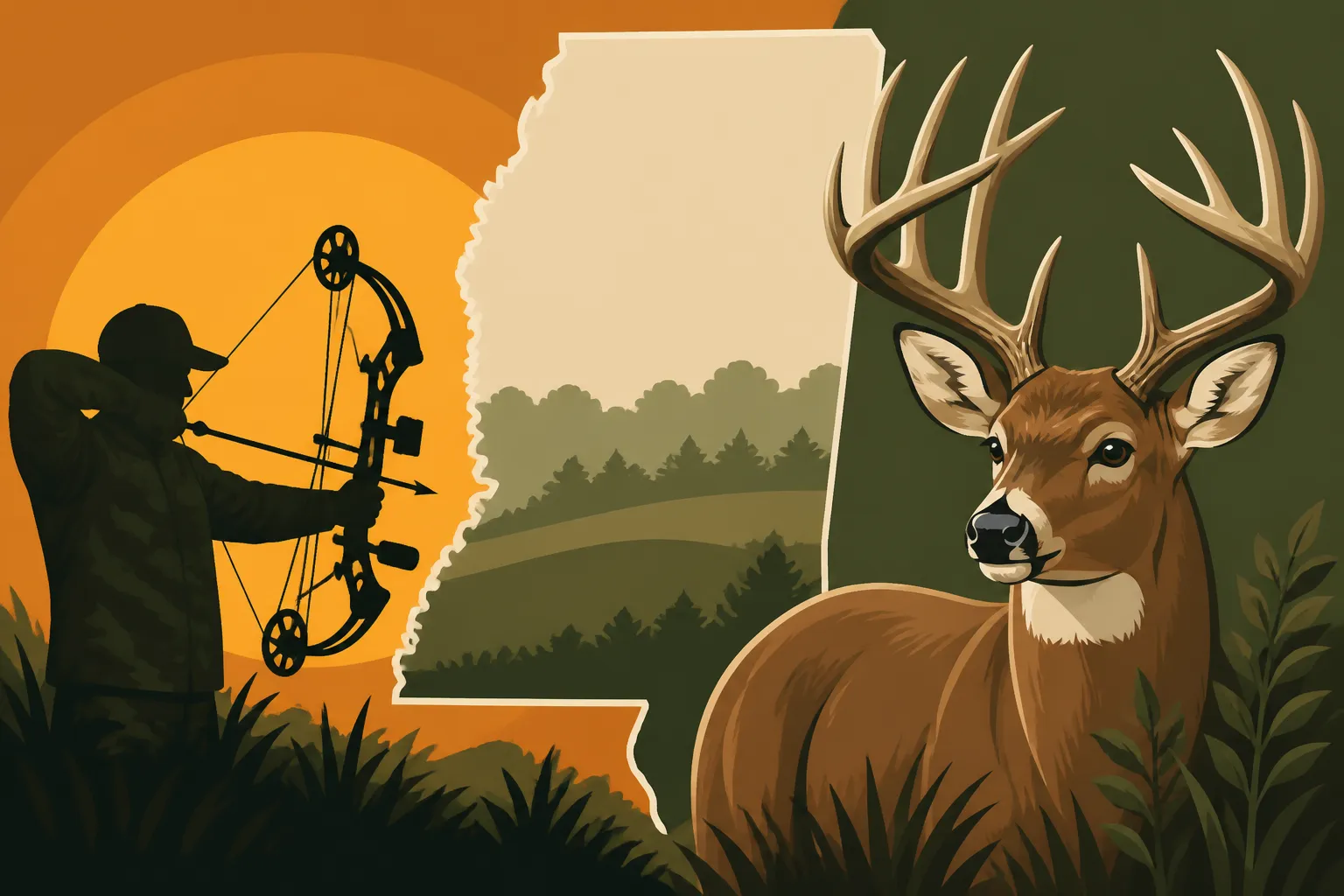
For many Mississippi deer hunters, the standard archery season can feel like it rushes by, leaving you wishing for just a few more weeks in the stand. But if you’re hunting in the Southeast Unit, you know the unique advantage you have: a significantly longer archery run that offers incredible opportunities. This comprehensive guide is designed to help you navigate those extended dates, understand the specific dynamics of the unit, and equip you with the strategies to make the most of every single day afield.
Understanding the Southeast Unit's Extended Archery Season
The Southeast Unit in Mississippi isn't just another arbitrary line on a map; it represents a distinct hunting opportunity, especially for archery enthusiasts. While other units might see bows put away much earlier, hunters in the Southeast Unit get to extend their pursuit, often deep into what other regions consider late gun season. This extended window isn't just a bonus; it's a game-changer that demands a different mindset and approach.
What Makes the Southeast Unit Unique
Geographically, the Southeast Unit primarily encompasses the lower eastern counties of Mississippi, generally characterized by more rolling hills, expansive pine plantations, and mixed hardwood bottomlands rather than the vast, flat delta or the rugged northern hills. This diverse habitat, combined with specific management goals, contributes to its unique season structure. For years, hunters here have enjoyed a lengthier archery season compared to their counterparts across the state, offering a prolonged chance to chase whitetails with stick and string. This extended run allows for adaptation to changing deer patterns, food sources, and even weather events throughout the fall and early winter. It’s a chance to truly learn a piece of property over several months, observing the subtle shifts in deer activity from the warm days of early fall right through to the colder stretches before Christmas.
One of the biggest benefits, beyond just more time, is the opportunity to hunt through different phases of the deer season within the archery framework. You can be out during the very first weeks when bucks are still in bachelor groups and predictable summer patterns, right through the peak rut, and then into the post-rut scramble for late-season food. This multi-phase hunting experience is something most archers in other units only dream about. If you're looking for a broad overview of the statewide structure, you can find more details in our guide on Mississippi Deer Season Structure Explained.
Key Dates and Regulations
The specifics of the Southeast Unit's archery season are what truly set it apart. Typically, while other units might wrap up their archery season in late November or early December, the Southeast Unit's archery season often extends well into December, overlapping significantly with gun seasons in other parts of the state. This means you could be drawing your bow on a deer in mid-December, a time when many archers elsewhere are cleaning their gear for the off-season.
It's crucial to always consult the current Mississippi Department of Wildlife, Fisheries, and Parks (MDWFP) regulations, as dates can shift slightly year to year. However, the general pattern of a longer archery season in the Southeast Unit remains consistent. For example, a quick check of the MDWFP typically shows the Southeast Unit's archery season extending until December 22nd or 23rd, whereas the Delta or Hills Units often end in late November. This roughly four-week extension compared to other regions is significant. While you're enjoying this extended period, remember that specific antler restrictions still apply, just like in other units. Make sure you're familiar with the legal buck criteria for your unit. You can dive deeper into the general season dates by unit in our guide on Mississippi Archery Season Dates by Unit and understand the specific criteria by checking out Southeast Unit Antler Restriction Rules. Bag limits are also consistent with statewide regulations, typically allowing for a specific number of antlered bucks and antlerless deer, but always verify for the current year.
Strategies for Early Season Success in the Southeast Unit
The extended archery run in the Southeast Unit kicks off with early season hunting, which presents its own unique set of challenges and rewards. The weather can still be quite warm, deer are often still on predictable summer patterns, and food sources are abundant. This phase demands patience and a keen understanding of how deer use the landscape before the rut kicks in and temperatures drop.
Scouting and Stand Placement During the Extended Window
Effective early season hunting in the Southeast Unit starts long before you ever step foot in your stand with your bow. Scouting during the late summer and early fall is absolutely critical. You're looking for prime food sources that deer are hammering – white oaks dropping acorns, persimmon trees, or active agricultural fields. Unlike later in the season when deer might be more responsive to calling, early season is all about intercepting deer moving between bedding and feeding areas.
Focus on finding fresh sign around these food sources: tracks, droppings, and browsed vegetation. Pay close attention to trails leading into and out of these areas, and identify funnel points like creek crossings, narrow strips of timber between clearcuts, or natural saddles along ridge lines. Using a robust mapping app like GoHunt can be incredibly useful here. You can mark potential bedding areas, food plots, and travel corridors from aerial imagery, helping you plan your routes in and out of stands without disturbing deer. Don't forget to scout for water sources, especially if the weather is dry; deer will often water frequently in the early season. Understanding where deer bed in relation to these key resources is vital for proper stand placement. For more scouting tips, check out Scouting Mississippi Public Land Before Season.
Adapt Your Approach for Warm Weather Hunting
One of the biggest hurdles during the early portion of the Southeast Unit's extended archery season is the often-persistent warm weather. September and even October can see daytime temperatures soaring, making both you and the deer uncomfortable. This significantly impacts deer behavior and requires a tailored approach. Deer will move less during the heat of the day, preferring to feed and travel under the cover of darkness or during the coolest parts of the morning and evening.
Your primary focus should be on hunting these low-light periods. Set up stands on trails leading directly to food sources or near water holes. Scent control becomes paramount in warm weather; deer's noses are even more effective when the air is still and humid. Shower with scent-free soap, use activated carbon clothing, and pay meticulous attention to wind direction. A warm breeze can carry your scent a long way. Hydration for yourself is also non-negotiable. Carry plenty of water and be prepared for longer sits in potentially uncomfortable conditions. You'll likely encounter bucks still in their bachelor groups, and they can be easier to pattern before the chaos of the rut breaks them up. For specific tactics on dealing with the heat, our article on Warm-Weather Sitting Strategy in Mississippi offers excellent advice.
Maximizing Opportunities During the Peak and Late Archery Season
The true advantage of the Southeast Unit's extended archery season comes alive as the calendar pages turn, pushing through the prime rutting phase and into the often overlooked late season. This period offers diverse hunting scenarios, from aggressive buck behavior to focused foraging, each demanding a specific tactical response.
Capitalizing on the Rut in the Southeast Unit
While the precise timing of the rut can fluctuate slightly year to year and even within regions, the Southeast Unit generally experiences its peak breeding activity in November and often into early December. This aligns perfectly with the extended archery window, offering bowhunters an incredible opportunity to capitalize on bucks that are far more vulnerable and mobile than at any other time. During the rut, mature bucks throw caution to the wind, actively seeking does and responding aggressively to competition.
This is the time to employ more active hunting strategies. Focus on pinch points, funnels, and traditional doe bedding areas. Bucks will be cruising these areas, scent-checking for receptive does. Don't be afraid to use calling tactics like rattling antlers and grunting. A well-timed rattling sequence, especially in areas with good cover, can draw a curious or territorial buck right into bow range. GoHunt's mapping features can help you identify historical rub lines and scrape areas that indicate past buck activity, allowing you to position yourself strategically. While the Southeast Unit might not have the same massive expanses of fields as the Delta, its piney woods and mixed hardwoods still offer plenty of spots for establishing mock scrapes along logging roads or field edges. For a deeper dive into vocalizations, our guide on Rattling and Grunting in Mississippi is a must-read.
Late-Season Food Sources and Deer Movement
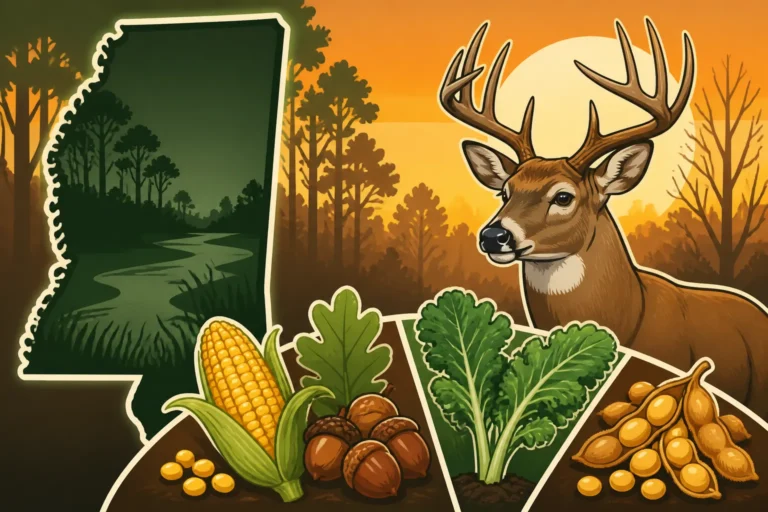
As the rut winds down and colder temperatures set in, deer behavior shifts dramatically. Their primary focus becomes replenishing energy reserves, making food sources the absolute key to late-season success. The extended archery season in the Southeast Unit provides ample time to hunt this often-productive period, which many hunters in other units miss out on with a bow. Natural food sources like acorns might be depleted by this point, forcing deer to concentrate on remaining hard mast or cultivated food plots.
Look for areas where deer are hitting planted winter greens like clover, oats, or wheat, especially after a frost sweetens them. Cutovers with new browse growth can also be late-season magnets, providing both food and thick thermal cover. If you're hunting private land, a well-maintained food plot can be a late-season goldmine. On public land, identifying overlooked pockets of browse or unpressured clearcuts near thick bedding areas becomes crucial. Deer in the late season are often more concentrated and will gravitate towards the most reliable food sources, making them more predictable if you do your homework. They've also been pressured for months, so stealth and minimal intrusion are more important than ever. Understanding these shifting preferences is key to success; learn more about them in Late-Season Food Sources for Mississippi Whitetails and strategies for Hunting a Green Field Planted for Deer.
Essential Gear and Hunter Preparedness
Hunting the extended archery season in Mississippi's Southeast Unit means being prepared for a wide range of conditions and scenarios. From warm early-fall days to brisk late-December mornings, your gear and readiness can make or break your hunt. It's about more than just having a bow; it's about having the right tools and mindset for whatever the woods throw at you.
Archery Equipment Considerations
For a season that spans such a long period, your archery setup needs to be reliable and versatile. Whether you prefer a traditional compound bow or a crossbow, ensuring it's sighted in perfectly and well-maintained is paramount. Broadhead selection is also critical. While fixed blade broadheads are reliable, mechanical broadheads offer larger cutting diameters, which can be advantageous. Practice shooting regularly, not just at target distances, but also from different positions you might encounter in a stand or blind. Many hunters in Mississippi appreciate the ease of use and accuracy offered by crossbows, especially for longer waits in cold weather or for those with physical limitations. If you're considering a crossbow, make sure you're up to date on all the specific rules and regulations. Our article on Crossbow Rules During Mississippi Archery Season provides all the details you need. Remember, shot placement is always king, regardless of your equipment choice.
Hunter Safety and Comfort
Given the extended season, you could encounter everything from mosquito-laden swamps to chilly, breezy ridge lines. Layering your clothing is essential. Early season often calls for light, breathable camouflage, while late season demands insulated layers, good gloves, and a warm hat. Even though archery season generally allows for less blaze orange, once gun season begins to overlap, or if you're hunting certain public lands, knowing the requirements is crucial. Always double-check MDWFP regulations for your specific hunting area; generally, during archery-only periods, blaze orange isn't mandatory, but it's often a smart choice when sharing the woods during crossover periods. Our guide on How Much Blaze Orange Mississippi Requires can clarify these mandates.
Beyond clothing, think about comfort for those long sits. A comfortable seat in your treestand or ground blind, a thermos of coffee on a cold morning, and snacks can keep you in the woods longer, increasing your odds. Always carry a first-aid kit, a reliable knife, a headlamp, and a way to communicate in case of an emergency. Inform someone of your hunting location and expected return time. This diligent preparation not only makes your hunt more enjoyable but also significantly safer throughout the long season.
| Season Phase | Typical Weather | Deer Behavior Focus | Food Sources | Key Tactics |
|---|---|---|---|---|
| Early Archery | Warm, humid | Summer patterns, feeding | Acorns, soft mast, early green fields | Intercepting travel routes, scent control |
| Mid-Archery / Rut | Mild to cool | Seeking does, aggressive | Remaining mast, early browse | Calling (rattling/grunting), funnels |
| Late Archery | Cool to cold | Replenishing energy | Winter green plots, persistent hard mast, browse | Focus on key food sources, minimal intrusion |
Disclaimer
Hunting is an inherently risky activity. Always prioritize safety, follow all local and state regulations, and obtain appropriate licenses and permits. The information provided in this guide is for informational purposes only and should not replace official regulations or professional guidance. Conditions and regulations can change, so always consult the latest MDWFP resources before heading afield.