Mississippi Suburban Deer Management Permits
It's a frustrating reality for many Mississippians: the increasing presence of deer in our suburban neighborhoods. While seeing a majestic whitetail can be a beautiful sight, the damage to landscaping, the increased risk of vehicle collisions, and even the potential for disease spread can quickly turn that beauty into a serious nuisance. This guide is here to walk you through Mississippi's Suburban Deer Management Permits (SDMPs), a critical tool designed to help landowners and communities manage these deer populations safely and effectively where traditional hunting seasons just aren't practical.
Understanding Mississippi's Suburban Deer Management Permits (SDMPs)
The Mississippi Department of Wildlife, Fisheries, and Parks (MDWFP) recognized years ago that deer management in densely populated areas presented a unique challenge. You can't just open up shotgun season in a neighborhood with kids playing in yards and school buses running routes. That's where the Suburban Deer Management Permit program comes into play, offering a tailored solution for these specific situations.
Why SDMPs are Necessary in Populated Areas
Think about your own neighborhood. You might have seen deer nibbling on your azaleas, clearing out your vegetable garden overnight, or perhaps even causing a fender bender on the main road. These aren't isolated incidents. As human development expands, it often encroaches upon traditional deer habitat, pushing deer into closer proximity with residential areas. When deer populations in these suburban pockets grow unchecked, they become more than just a minor annoyance. They can decimate landscaping, damage valuable agricultural crops on the fringes of towns, and significantly increase the risk of deer-vehicle collisions, which can be both dangerous and costly. Furthermore, higher deer densities can exacerbate the spread of diseases, like Chronic Wasting Disease, though thankfully, the state is actively monitoring and managing this with programs like those within the Mississippi's Chronic Wasting Disease Zones. The MDWFP understands that traditional hunting seasons and methods are simply not feasible or safe in these environments, necessitating a specialized approach.
The Core Purpose and Goals of SDMPs
At its heart, the SDMP program is about giving landowners and municipalities a controlled, safe, and legal way to manage deer populations in areas where public safety and property concerns are paramount. The primary goal is to mitigate the negative impacts of overabundant deer herds in urban and suburban settings. This isn't about eradicating deer; it's about achieving a healthier, more balanced deer population that coexists more harmoniously with human residents. This might mean reducing garden damage, making roads safer, or simply ensuring the overall health of the local deer herd by preventing overbrowsing of limited forage. It's a pragmatic solution born from the understanding that effective wildlife management requires flexibility and adaptability, especially when dealing with the widespread White-Tailed Deer Across Mississippi.
How SDMPs Differ from Standard Hunting Regulations
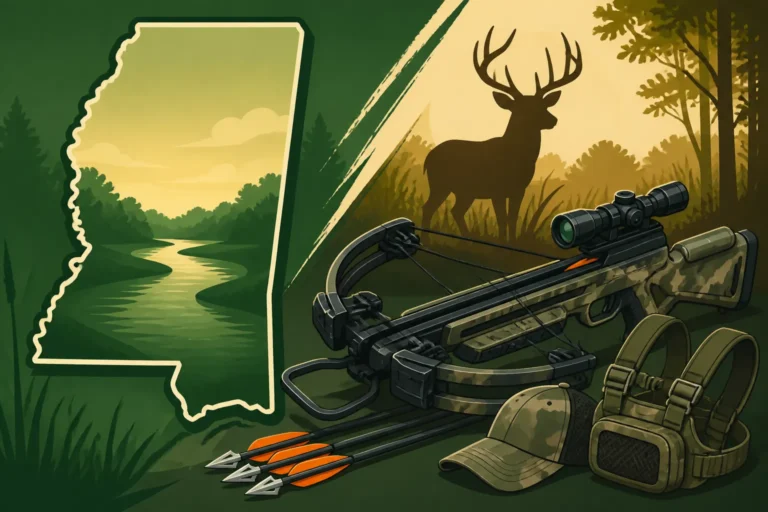
When you think about deer hunting in Mississippi, you probably picture deer camps, wide-open timberland, or sprawling agricultural fields during the regular archery or gun seasons. SDMPs are a world apart from that. The most significant differences lie in the approved hunting methods, the extended season dates, and the specific geographic limitations. While general season dates for Mississippi Archery Season Dates by Unit are fixed statewide, SDMPs often allow for an extended hunting window, sometimes year-round, specifically within the designated suburban area. Critically, these permits almost exclusively restrict harvest methods to archery equipment (bows, crossbows), due to safety concerns in densely populated areas. Firearms, with their longer ranges and higher potential for ricochet, are generally prohibited. This focus on archery ensures a much smaller safety footprint, making it a viable option where traditional gun hunting would be irresponsible.
Navigating the SDMP Eligibility and Application Process
Getting an SDMP isn't as simple as buying a regular hunting license. It's a structured process that requires careful planning, coordination with local authorities, and a clear demonstration of need.
Who Can Apply for an SDMP?
SDMPs aren't just handed out to any individual who wants to thin out a few deer. They are primarily designed for municipalities, landowners with significant property, or organized groups of adjacent landowners who are experiencing severe deer-related problems. For example, a city experiencing high deer-vehicle collision rates or a neighborhood with widespread property damage might apply as a municipality. An individual homeowner on a small lot probably won't qualify on their own, but if several neighbors band together, or if they own a larger, contiguous parcel (say, 20 acres or more within a suburban area), they might meet the criteria. The core idea is to address a community problem, not just an individual’s personal desire to hunt within city limits. You'll need to demonstrate a real, documented issue to be considered for these specialized permits, often providing evidence like incident reports or photographic proof of damage.
The Application Steps and Required Documentation
The application process for an SDMP typically begins with contacting the MDWFP directly to express interest and discuss your specific situation. They will provide the necessary application forms and guidance. You'll need to submit a comprehensive plan outlining:
- The Area of Concern: A detailed map of the proposed hunting zone, clearly defining property lines and safe zones. Using a mapping app like GoHunt can be invaluable here, allowing you to accurately mark boundaries, identify potential stand locations, and show surrounding structures.
- Demonstrated Need: Documentation of deer-related damage (photos, police reports of collisions, nuisance complaints).
- Proposed Hunting Methods: A commitment to using only approved methods, almost always archery equipment.
- Safety Plan: A robust plan detailing how public safety will be maintained, including setback distances from homes, schools, and roads, and measures to prevent public interference. This might include signage, specific entry/exit routes, and designated retrieval paths for harvested deer.
- Landowner Permission: If applying as a group, written permission from all participating landowners is essential. Even if you're the landowner, you might need to show consideration for adjacent properties.
- Local Government Support: Often, a letter of support or an official resolution from the local municipal government is required, especially if the permit affects public land or multiple private parcels within city limits.
This isn't a quick process; it involves a lot of back-and-forth, ensuring all safety and regulatory boxes are thoroughly checked.
Key Considerations for a Successful Application
To boost your chances of getting an SDMP approved, clarity and safety are paramount. First, clearly articulate the extent of the deer problem. The MDWFP needs to see a compelling reason to issue a special permit that deviates from standard hunting regulations. Second, your safety plan must be ironclad. Think through every possible scenario: where will arrows fly, what are your retrieval routes, how will you handle public interactions? The MDWFP staff will scrutinize these details. Third, engage with your neighbors and local officials early on. Community buy-in and support can make a huge difference. A well-communicated plan, addressing potential concerns proactively, is far more likely to succeed than one sprung on the community. For example, if you plan on Hunting Small Private Tracts in Mississippi, ensure your neighbors are aware and comfortable with the proposed activity, especially since the permit would be for your specific suburban area, not vast wilderness.
Rules, Methods, and Ethical Considerations Under an SDMP
Operating under an SDMP comes with a heightened sense of responsibility. The rules are strict, and adherence is critical for the program's continued success and public acceptance.
Approved Hunting Methods and Equipment
For most SDMPs, the only permitted method of harvest is archery equipment. This typically includes traditional bows, compound bows, and crossbows. This restriction is fundamentally about public safety. Arrows and bolts have a much shorter effective range and less potential for unintended impact compared to bullets.
It's crucial to understand that even within archery, there are specific regulations. For example, specific draw weights or broadhead types may be mandated. If you're considering a crossbow, you'll need to be intimately familiar with Crossbow Rules During Mississippi Archery Season, as these permits adhere strictly to legal equipment requirements. Generally, modern crossbows are efficient and effective for this type of close-quarters hunting, making them a popular choice for SDMP participants. The goal is a quick, humane harvest while minimizing risk to surrounding areas.
Safety Zones, Harvest Limits, and Reporting Requirements
This is where SDMPs truly distinguish themselves. Unlike hunting in the vast wilderness, suburban hunting demands extreme caution.
- Safety Zones: Strict setback distances from occupied dwellings, roads, and property lines are non-negotiable. These distances are often greater than what might be acceptable in rural settings, reflecting the higher density of human activity. Your chosen hunting spot on your GoHunt map needs to be carefully chosen to respect these zones.
- Harvest Limits: SDMPs typically have specific, often higher, antlerless deer limits, as the primary goal is population control. Bucks may also be permitted, but the emphasis is usually on reducing the overall herd numbers. These limits are assigned per permit, not per individual hunter, and all harvests contribute to the permit's total.
- Reporting: Mandatory reporting of all harvested deer is an absolute requirement. This is how the MDWFP tracks the effectiveness of the program and monitors local deer populations. You will likely need to report deer within 24 hours through the MDWFP's online system or mobile app, similar to the general Mississippi Deer Reporting Requirements. Keeping accurate records is not just good practice; it’s a legal obligation.
Failure to adhere to any of these safety or reporting rules can result in the revocation of the permit, fines, and potentially even criminal charges. The stakes are much higher when hunting in close proximity to others.
Addressing Public Perception and Ethical Practices
Hunting in a suburban environment, even under a legal permit, can sometimes draw public scrutiny. Not everyone understands or agrees with wildlife management through hunting. Therefore, those participating in an SDMP have a responsibility to uphold the highest ethical standards. This means:
- Discretion: Keep a low profile. While you are legally operating, unnecessary public display of hunting activities (e.g., field dressing deer in plain view of neighbors, walking around with bows visibly) can create negative sentiment.
- Humane Harvest: Always strive for a quick, ethical kill. Practice with your equipment extensively to ensure proficiency.
- Respectful Retrieval: Have a plan for discreetly retrieving harvested deer. This might mean using a cart or a tarp, especially if you need to cross lawns or paths.
- Community Engagement: If questions arise, be prepared to calmly and respectfully explain the purpose of the program and the importance of deer management. Emphasize safety and the benefits to the community.
- Meat Handling: Process deer quickly and cleanly. If a deer is harvested in warmer weather, understanding how to properly care for the meat, similar to techniques for Field Dressing a Deer in Warm Weather, is crucial to prevent spoilage and ensure the venison is fit for consumption.
By demonstrating professionalism and respect, SDMP participants can help foster a better understanding of responsible wildlife management.
The Impact of SDMPs on Communities and Deer Populations
Suburban Deer Management Permits are a vital tool in the MDWFP's broader strategy for managing Mississippi's white-tailed deer. They offer specific benefits but also present ongoing challenges in community relations.
Benefits to Residents and Local Ecosystems
The most immediate and tangible benefit of a successful SDMP program is a reduction in deer-related conflicts. For residents, this often means less damage to their gardens, ornamental plants, and agricultural plots bordering developed areas. For motorists, it can lead to a decrease in dangerous and costly deer-vehicle collisions. Think about it: fewer deer crossing busy roads during rush hour means safer commutes for everyone. Beyond human-centric benefits, SDMPs also contribute to healthier local deer herds. When deer populations become too dense for their available habitat – which is often the case in fragmented suburban landscapes – they can suffer from poor nutrition, increased stress, and a higher susceptibility to disease. By reducing the population to a more sustainable level, the remaining deer can thrive, leading to improved body condition and overall vitality. This kind of targeted management contributes to the overall health of the Mississippi Deer Herd Size.
Challenges and Community Dialogue
Implementing an SDMP isn't without its hurdles. One of the biggest challenges is navigating public perception. While some residents are relieved by deer management efforts, others may be opposed to hunting in any form, especially within a suburban setting. This can lead to vocal opposition and calls for alternative methods, such as non-lethal deterrents or relocation (which are often expensive, impractical, and ineffective for large-scale population control). Open and transparent community dialogue is therefore paramount. Municipalities or landowner groups considering an SDMP should proactively engage with residents, clearly explaining the rationale, the safety measures in place, and the expected outcomes. Using data, like collision rates or documented property damage, can help illustrate the necessity of the program.
A common concern is understanding land ownership for safe and legal hunting. Tools like GoHunt can help clarify property boundaries, ensuring hunters stay within approved zones and avoid accidental trespass. This detail is crucial, especially when trying to gain Getting Private Land Permission in Mississippi from multiple adjacent landowners for a cohesive management plan.
SDMPs as a Tool for Broader Deer Management
SDMPs, while highly localized, fit into the broader framework of Mississippi's statewide deer management strategy. They acknowledge that a "one-size-fits-all" approach to deer population control simply doesn't work across diverse landscapes, from the remote Delta bottoms to the densely populated Gulf Coast. By providing a mechanism for selective, controlled harvest in areas where traditional hunting is unfeasible, the MDWFP can maintain flexibility and ensure that deer populations are managed appropriately across the entire state. These permits allow for adaptive management, where specific problem areas can be addressed without impacting general season regulations elsewhere. In essence, SDMPs are a targeted solution that contributes to the overall goal of maintaining healthy, sustainable deer populations while minimizing human-wildlife conflict across the mosaic of Mississippi's unique environments.
Disclaimer
Please note that hunting regulations, permit requirements, and fees are subject to change. Always consult the official Mississippi Department of Wildlife, Fisheries, and Parks (MDWFP) website or contact them directly for the most current and accurate information before planning any hunting activities or applying for permits. This guide is for informational purposes only and does not constitute legal advice or an exhaustive list of all regulations.