Why the Delta Grows Older Bucks
Every hunter who’s spent time in the Mississippi woods knows the longing for a truly mature whitetail buck. That elusive animal, wise to the ways of hunters, with the heavy rack that tells a story of seasons passed. For many of us, especially those chasing deer on smaller tracts or heavily pressured public land, encountering such a buck feels like hitting the lottery. But in the vast, green expanse of the Mississippi Delta, the odds shift. There's a reason this region has a legendary reputation for growing older, bigger-bodied bucks, and it’s not just hunter’s lore. This guide will walk you through the unique confluence of geography, resources, and management that makes the Delta a prime spot for mature whitetails, giving you a better understanding of why these magnificent animals thrive here.
The Unique Landscape of the Mississippi Delta
When you think of the Delta, images of flat, fertile farmland stretching to the horizon probably come to mind, punctuated by ribbons of trees. But beneath that agricultural veneer lies a world tailor-made for whitetail deer to grow old and substantial. It's a land of rich history, and that history includes incredible habitat.
Rich Alluvial Soils and Abundant Forage
The Delta isn't just "good dirt"; it's some of the most fertile agricultural land on the planet, a direct result of thousands of years of the Mississippi River overflowing its banks, depositing nutrient-rich alluvial soils. This incredible fertility underpins everything that grows here, from the towering hardwoods to the vast crop fields.
Think about what a deer needs to grow large, healthy antlers and a robust body. It's all about nutrition, and the Delta delivers it in spades. Agricultural crops like soybeans, corn, and rice provide a year-round buffet of high-energy, protein-rich food sources. When those crops are standing, deer have an almost unlimited supply of food and cover. Even after harvest, the waste grain offers crucial sustenance throughout the colder months. But it's not just the cultivated fields. The natural browse in the Delta's bottomland forests is incredibly diverse and nutritious, thriving in that same rich soil. Young hardwood regeneration, succulent forbs, and a variety of native plants provide a constantly replenishing pantry. Then there's the mast – acorns from the massive oaks that dominate the bottomlands. When a good acorn crop hits, deer can gorge themselves, packing on critical fat reserves for the winter and funneling nutrients into antler growth. This constant, high-quality food availability ensures that bucks in the Delta can meet their nutritional requirements not just for survival, but for maximizing their genetic potential in terms of body size and antler development, year after year.
Expansive Bottomland Hardwoods and River Systems
Beyond the food, the Delta provides the kind of vast, interconnected habitat that allows deer to live relatively undisturbed lives. We're talking about huge blocks of bottomland hardwoods, cut through by ancient river systems, sloughs, and oxbow lakes. These aren't small, fragmented woodlots; these are massive tracts that offer genuine sanctuary.
Imagine a buck wanting to escape hunting pressure. In smaller, more accessible areas, his options are limited. But in the Delta, he can melt into miles of thick canebrakes, dense undergrowth, and nearly impenetrable swamps. These areas, often flooded or difficult to access, become natural refuges where deer can mature without constant human disturbance. The Mississippi River and its tributaries, like the Yazoo and Sunflower rivers, don't just shape the land; they create a network of natural travel corridors and isolated pockets. These watery boundaries often deter hunters, pushing deer deeper into areas where they can live out their lives, developing those impressive racks we all dream of. The sheer scale of this habitat is difficult to overstate; it allows deer to disperse, find mates, and establish home ranges without constantly bumping into hunters. Areas like Delta National Forest are prime examples of these expansive bottomlands, offering significant havens for deer, even if hunting there requires a different approach than on surrounding private lands. You can almost feel the wildness in those woods, and the deer certainly do. When you start understanding the nuances of Hunting Delta Unit Bottomland Deer, you truly appreciate the vastness of their world.
Management Strategies and Hunter Culture
It's not just the natural bounty that makes the Delta special; it’s also the way deer are managed, both by state regulations and by the landowners and hunters themselves. This blend of top-down and grassroots efforts is critical to fostering an older age structure.
Antler Restrictions and Age Structure
Perhaps the most significant factor directly influencing the age structure of bucks in the Delta is the implementation of mandatory antler restrictions. While other units in Mississippi have specific rules, the Delta Unit’s restrictions are notably stringent, designed specifically to protect younger bucks and allow them to reach older age classes.
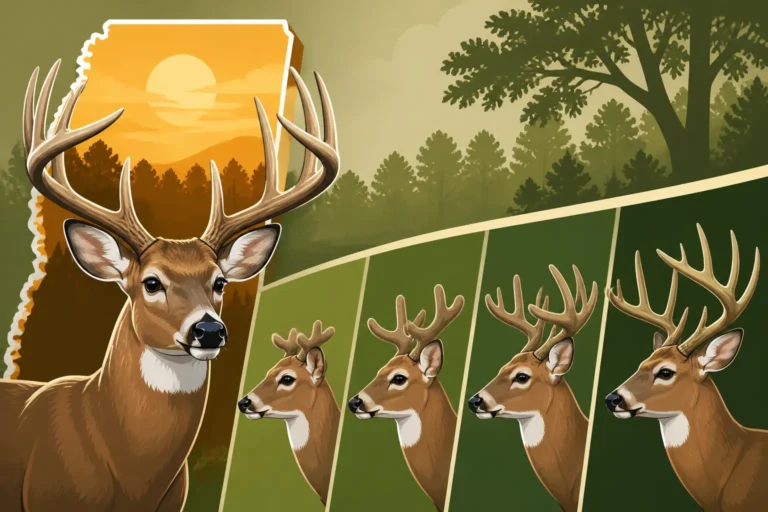
Currently, to legally harvest a buck in the Delta Unit, it must have at least a 12-inch main beam length or an outside spread of 15 inches. These are not arbitrary numbers; they are carefully chosen to ensure that most 1.5-year-old (yearling) and many 2.5-year-old bucks are protected from harvest. This means that if a young buck with great genetics and ample nutrition comes of age, he typically gets at least another year, if not two, to continue growing. This sustained protection over several years allows bucks to express their full antler potential. When you compare this to areas with less restrictive rules, where younger bucks with smaller racks might be taken, the difference in the landscape of the herd is dramatic. It allows for a more natural age structure, meaning more 3.5, 4.5, and even 5.5-year-old bucks are walking the woods, ensuring a more thrilling and challenging hunt. Understanding Delta Unit Antler Restriction Rules is absolutely crucial for any hunter in this region. This approach has led to many discussions, including the broader Mississippi Deer Antler Restrictions Debate across the state, but in the Delta, the results speak for themselves.
Private Land Holdings and QDM
Another massive piece of the puzzle is the prevalence of large private land holdings and the widespread adoption of Quality Deer Management (QDM) practices among hunting clubs and landowners. Unlike some other parts of the state where land ownership might be more fragmented, the Delta boasts huge agricultural operations and timber companies that often lease massive tracts to hunting clubs.
These large land parcels allow for consistent, long-term management strategies that simply aren't feasible on smaller, individual properties. Hunting clubs and private landowners in the Delta often employ aggressive QDM strategies. This goes beyond just antler restrictions; it involves carefully managing harvest rates for both bucks and does, enhancing habitat through food plots, timber stand improvement, and managing access to create internal sanctuaries. For instance, a hunting club might have an internal rule to only harvest bucks 4.5 years or older, going above and beyond state regulations. They invest heavily in supplementary feeding programs, high-protein food plots, and year-round mineral supplementation to ensure deer are getting every possible nutrient. This collective, sustained effort over thousands of acres has a profound impact. You'll find many hunters and land managers using tools like GoHunt to analyze property boundaries, understand land use, and even plan their habitat improvement projects, making sure every acre is working for their deer. The sense of community and shared commitment to growing bigger bucks is a powerful force here. These private lands, often closed to public access, act as vast breeding grounds and safe havens, constantly producing and pushing out mature deer into surrounding areas.
Factors Influencing Buck Survival and Growth
While habitat and management lay the groundwork, other factors play a critical role in ensuring these bucks not only grow large but also survive long enough to become true giants.
Reduced Hunting Pressure in Key Areas
Even within a region known for hunting, the Delta offers surprisingly effective ways for deer to avoid constant pressure, leading to higher survival rates for mature bucks. This isn't just about private land; it's also about the nature of the terrain itself.
Many of the dense bottomland swamps and thick river breaks are incredibly difficult for humans to navigate. Hunters often choose easier access points, leaving vast tracts of nearly impenetrable cover largely undisturbed. These become de facto sanctuaries where mature bucks can retreat during hunting season, only emerging during low-pressure periods or under the cover of darkness. When you consider Hunting Pressure on Mississippi Public Land in other units, the ability for a deer to simply vanish into miles of heavy cover in the Delta is a distinct advantage. Furthermore, many private landowners strategically manage their hunting pressure, rotating stands, limiting vehicle access, and creating specific "no-hunt" zones within their properties. This deliberate reduction in disturbance teaches older bucks that certain areas are safe, allowing them to lower their guard and conserve energy, critical for continued growth. Tools like GoHunt can help identify areas of lower human activity or difficult access, guiding hunters to those overlooked spots where a smart buck might be hiding out. It's a testament to the deer's intelligence and the land's ability to protect them that so many make it to old age.
Genetics and Nutrition Synergy
While genetics certainly play a role in antler potential, the undeniable truth in the Delta is that nutrition is the primary driver allowing those genetics to fully express themselves. It's a powerful synergy.
Every deer has a genetic blueprint for how big its antlers could be. But without the consistent, high-quality nutrition available in the Delta, that genetic potential might never be reached. A buck with great genes living in a nutrient-poor environment might only grow a modest rack. Conversely, an average buck in the Delta's rich environment can often exceed expectations, simply because his body has everything it needs to invest in growth. The combination of nutrient-rich agricultural crops, diverse natural browse, and consistent mast production means Delta bucks are rarely, if ever, stressed nutritionally. This allows them to consistently grow larger bodies and healthier antlers year after year, avoiding the "plateau" or even regression in antler size that can happen in areas with sporadic food sources. This sustained, optimal nutrition is the key differentiator, turning good genetics into truly exceptional antlers. We often marvel at the size of Delta deer, and it all boils down to the constant fuel they’re getting from the land.
Challenges and Future Outlook for Delta Bucks
While the Delta remains a stronghold for mature whitetails, it's not without its challenges. Maintaining this reputation requires ongoing effort and adaptability from both wildlife managers and hunters.
Balancing Hunter Opportunity with Quality Goals
One of the perpetual balancing acts for wildlife agencies and landowners in the Delta is providing ample hunting opportunity while still maintaining the high-quality deer herd that defines the region. Everyone wants to hunt, and everyone wants a shot at a big buck, but those two desires can sometimes be at odds.
The specific antler restrictions, while vital for growing older bucks, can sometimes lead to frustration for hunters who see many deer but fewer legal shooters, especially on public lands where overall deer numbers, like the statewide Mississippi Deer Population Estimate, might be high but the age structure is still developing. Managing public lands within the Delta Unit, such as portions of Delta National Forest or specific WMAs, is particularly challenging. Here, managers must weigh hunter access and recreational opportunities against the biological goals of fostering older age classes. It requires careful monitoring of harvest data, consistent herd health assessments, and sometimes, tough decisions about season lengths or bag limits. The goal is always to find that sweet spot where hunters are engaged, young bucks are protected, and the population remains healthy and vibrant. It's a continuous process of education and adaptation, trying to strike the right chord for everyone involved.
Emerging Threats like CWD
Like any deer herd, the Delta's prized population faces emerging threats, most notably Chronic Wasting Disease (CWD). This neurological disease is a serious concern for deer managers and hunters alike, and its presence demands vigilance and proactive measures.
While the Delta Unit has historically been less impacted than some of the northern CWD zones in Mississippi, the disease is a statewide issue. The potential for CWD to spread into highly fertile, densely populated deer areas like the Delta is a constant worry because it could severely impact the health and long-term viability of the deer herd. The state wildlife agency, MDWFP, has established Mississippi's Chronic Wasting Disease Zones and implemented mandatory testing and carcass movement restrictions to try and contain the disease. For hunters, this means being aware of the rules, particularly when harvesting deer in a CWD-positive county or traveling with a carcass. It's a sobering reminder that even in a deer paradise like the Delta, the health of the herd isn't guaranteed and requires ongoing community effort. Every hunter has a role to play in helping monitor for this disease and following recommended guidelines to prevent its spread, ensuring the Delta's legacy of mature bucks continues for generations to come.
Comparing Delta Deer Management and Features
To give you a clearer picture, here's a quick comparison of what makes the Delta stand out:
| Feature | Mississippi Delta | Other Mississippi Units (e.g., Hills) |
|---|---|---|
| Soil Fertility | Highly fertile alluvial soils, rich in nutrients | Varied, generally less fertile upland soils |
| Primary Habitat Type | Expansive bottomland hardwoods, river systems, vast agriculture (corn, soybeans) | Mixed pine/hardwood forests, rolling hills, smaller agriculture, clear-cuts |
| Key Food Sources | Abundant natural browse, heavy mast crops (oaks), year-round agricultural crop forage and waste grain | Natural browse, mast (often less consistent), food plots (more critical) |
| Antler Restrictions | 12-inch main beam spread OR 15-inch outside spread | 10-inch main beam spread OR 13-inch outside spread |
| Dominant Land Ownership | Predominantly large private land holdings, hunting clubs, vast agricultural leases | More fragmented private land, smaller leases, significant public land |
| Common Management Approach | Widespread Quality Deer Management (QDM) with strict self-imposed rules beyond state minimums | More varied management, often focused on opportunity, some QDM efforts |
| Natural Sanctuary | Miles of dense, often wet, inaccessible bottomland and riverine thickets | Steep terrain, thick bedding cover in specific draws or remote timber |
| Deer Age Structure Potential | Consistently higher potential for 3.5-year-old and older bucks | Moderate potential, with good numbers of 2.5-year-olds |
The Mississippi Delta truly is a special place for deer hunting, offering a unique opportunity to pursue truly mature whitetail bucks. It's a combination of incredible natural resources, strategic management, and a dedicated hunter culture that makes it all possible.
Disclaimer
This article is for general informational purposes only and does not constitute professional advice. Laws, prices and regulations vary by location and change over time. Consult a qualified professional for guidance on your specific situation.