How Turkeys Were Restored to Mississippi
It's hard to imagine now, with the thunderous gobble echoing across so many Mississippi hardwoods each spring, but not too long ago, the very future of wild turkeys in our state looked incredibly bleak. Hunters and conservationists alike faced the disheartening reality that these magnificent birds, once abundant, had dwindled to dangerously low numbers. This guide will take you through the remarkable journey of how dedicated efforts, innovative techniques, and the resilience of nature brought the wild turkey back from the brink in Mississippi, ensuring their vibrant presence for generations to come.
A Near Vanishing Act: The Decline of Mississippi's Wild Turkeys
If you talk to some of the older folks who remember hunting in the mid-20th century, they'll tell you stories of long days spent in the woods, hoping to catch a glimpse of a turkey track, let alone hear a gobble. It wasn't just a tough hunt; it was a desperate situation. The truth is, wild turkeys almost disappeared entirely from Mississippi, a fate that befell many wildlife species across the country during that era. The reasons were complex, a perfect storm of unsustainable practices and rapid landscape change.
Overhunting and Habitat Loss: The Double Whammy
In the early days, before regulated hunting and wildlife management became common, market hunting was a brutal reality. Turkeys, being large, relatively easy to spot, and delicious, were prime targets. Imagine entire families or small communities relying on game for sustenance and income, without any real concept of bag limits or season dates. This unchecked hunting pressure significantly reduced turkey populations long before conservation efforts even began to take root. It wasn't just commercial interests; even subsistence hunting, when unregulated and widespread, took a heavy toll on localized populations. The cumulative effect of these practices meant that breeding populations struggled to recover year after year.
Simultaneously, Mississippi's landscape was undergoing massive transformations. Vast tracts of old-growth timber, particularly the longleaf pine forests that once dominated much of the state, were being clear-cut at an alarming rate to fuel the burgeoning timber industry and clear land for agriculture. Turkey habitat is highly specific; they need a mosaic of mature forests for roosting and security, open understories for easy movement, and diverse fields or clearings for foraging. When these complex ecosystems were fragmented, logged, or converted into row crops, the turkeys had nowhere left to go. Their food sources vanished, their nesting cover disappeared, and their ability to escape predators was severely compromised. It was a vicious cycle where diminished numbers made them more vulnerable, and dwindling habitat offered no refuge.
The Dire State in the Mid-20th Century
By the 1940s and 50s, the situation was nothing short of critical. Wild turkeys were essentially extirpated from vast portions of Mississippi. Estimates from those years suggest that the entire state might have held fewer than 5,000 birds, perhaps even closer to 2,000. To put that in perspective, today, we have well over 200,000 birds. Many counties, especially in the more populated or heavily farmed regions, had no wild turkeys at all. It wasn't just a concern for hunters; it was a profound ecological loss. The silence in the spring woods where gobblers once announced their presence was a stark reminder of what had been lost.
This period was marked by a deep sense of despair among those who cared about wildlife. Hunters, whose heritage was so intertwined with these birds, felt the absence acutely. Conservationists, many of whom were just starting to formalize their efforts, recognized the monumental challenge ahead. The prevailing thought was that without drastic intervention, the wild turkey would simply become a ghost of Mississippi's past, relegated to history books and campfire stories of a bygone era. It truly felt like an insurmountable problem.
Early Attempts at Recovery: A Tough Road
Faced with such a dire situation, early conservationists and game agencies desperately tried various methods to bring the birds back. These efforts, while well-intentioned, often highlighted just how little was truly understood about wild turkey ecology and the specific needs for successful reintroduction. It was a lot of trial and error, and unfortunately, more often than not, it was error.
The Pitfalls of Pen-Raised Birds
One of the most intuitive, yet ultimately flawed, approaches was to raise turkeys in captivity and then release them into the wild. The logic seemed sound: if you need more turkeys, just breed them in pens and let them go, right? So, state agencies, including the Mississippi Department of Wildlife, Fisheries, and Parks (MDWFP), and even private individuals, began releasing thousands of pen-raised turkeys. These birds, often domestic strains or hybrids, were bred for docile temperaments and easy handling, not for survival in the unforgiving wild.
The results were consistently dismal. Pen-raised turkeys simply lacked the instincts and learned behaviors necessary to survive. They didn't know how to forage effectively for wild foods, how to evade predators, or how to react to hunters. Many became easy prey for coyotes, bobcats, and even domestic dogs. They were also highly susceptible to diseases from domestic poultry, which they could then spread to any remaining wild birds. It was a heartbreaking waste of resources and effort, as generation after generation of these birds failed to establish viable populations. The frustration mounted, and conservationists realized they needed a different strategy, one that respected the wild nature of the birds they sought to restore. This experience was a critical lesson, showing that simply boosting numbers without addressing the wild aspect was a fool's errand.
Scattered Pockets and Protected Areas
While pen-raised turkey releases were largely a failure, some wild turkey populations did manage to cling to existence in incredibly isolated and remote pockets of the state. These were typically areas with large, contiguous blocks of undeveloped habitat, often in deep swamps, extensive river bottoms, or vast private timberlands where human disturbance was minimal. These remnant populations, though small and fragmented, were incredibly vital because they represented the genetic bedrock for all future restoration efforts. They were truly wild birds, possessing the instincts and adaptations that allowed them to survive.
Recognizing the importance of these last strongholds, early protective measures were put in place. These included implementing closed hunting seasons on turkeys statewide, or severely restricting seasons and bag limits in areas where small populations might exist. Game wardens, though few in number, worked to enforce these new regulations and curb poaching. While these measures were crucial for preventing complete extinction, they weren't enough to restore populations to their former range or abundance. It was like putting a band-aid on a gaping wound – necessary to stop the bleeding, but not sufficient for full recovery. The foundation for recovery was there, but a more aggressive and scientifically sound approach was desperately needed.
The Game-Changer: Trap-and-Transfer Programs
The turning point for Mississippi's wild turkey recovery, and indeed for many states across the country, came with the advent of "trap-and-transfer" programs. This method, which seems almost too simple in retrospect, revolutionized wildlife restoration and proved to be the key to unlocking the turkey's incredible comeback.
Rocket Nets and Cannon Nets: The Technology of Trapping
At the heart of the trap-and-transfer strategy was the development and refinement of specialized trapping techniques, primarily using rocket nets and cannon nets. These ingenious devices allowed biologists to capture multiple wild turkeys alive and unharmed. Imagine this: a large, camouflaged net is carefully folded and placed in an area known to be frequented by turkeys, often near a bait site like scattered corn. Small rockets or cannons, attached to the leading edge of the net, are then rigged to propel it swiftly over feeding birds when triggered remotely.
This was no easy task. Wild turkeys are incredibly wary and intelligent birds. Biologists and technicians would spend countless hours scouting, setting up, and waiting patiently in blinds, sometimes for days, for the perfect moment. The success of a trap operation hinged on meticulous planning, understanding turkey behavior, and precise execution. Once the birds were netted, crews would quickly and carefully secure them, checking their health, banding them for identification, and preparing them for transport. It was a labor-intensive process, but the payoff was immense: healthy, genuinely wild birds that possessed all the instincts needed to survive and thrive in new habitats.
Strategic Relocation and Release Sites
Simply catching turkeys wasn't enough; where they were released was equally critical. The MDWFP, often working in conjunction with conservation groups like the National Wild Turkey Federation (NWTF), meticulously identified suitable release sites across the state. These sites had to meet stringent criteria: large tracts of quality habitat, often publicly owned lands like national forests or Wildlife Management Areas (WMAs), or private lands where landowners were committed to turkey restoration. Crucially, these areas needed to have little to no existing turkey population to avoid conflicts and ensure the new birds had ample space and resources.
The strategy involved releasing relatively small groups of birds, typically 10-20, known as "release flocks," into these carefully chosen sites. These flocks usually consisted of a mix of gobblers and hens to ensure a healthy breeding population could establish itself. The idea was to create new nuclei of turkeys that could then reproduce and expand their range naturally. It was a slow, deliberate process, often taking several years for a single release site to show significant population growth. But once established, these new populations proved incredibly resilient and prolific. This strategic approach, focusing on good habitat and wild-raised birds, allowed the turkey populations to expand from their few remaining strongholds, slowly but surely recolonizing historical ranges. The expertise of MDWFP biologists in understanding Mississippi Wild Turkey Subspecies and their habitat requirements was crucial here.
Key Pillars of Success: Beyond Just Moving Birds
While trap-and-transfer was the engine of turkey restoration, it wasn't the only factor at play. The resurgence of Mississippi's wild turkeys was a multi-faceted success story, built upon a foundation of dedicated effort, scientific understanding, and the crucial support of landowners and hunters.
Habitat Restoration and Management
Even the healthiest wild turkeys won't survive without good habitat, and Mississippi saw a significant shift in how land was managed, both publicly and privately, which directly benefited turkey populations. Timber companies and private landowners began to adopt more sustainable forestry practices, moving away from wholesale clear-cutting to selective harvesting and thinning that maintained a diverse forest structure. The practice of prescribed burning, a historic and natural process in many Southern ecosystems, became more widely adopted. These controlled burns reduce dense undergrowth, promote the growth of beneficial forage plants, and create the open, park-like forest conditions that turkeys adore.
On public lands like the Delta National Forest or the Homochitto National Forest, wildlife managers actively worked to improve habitat. This included establishing food plots, creating openings, and restoring bottomland hardwoods. The foresight to manage timber resources not just for wood products but also for wildlife habitat proved invaluable. Without these widespread improvements in habitat quality and connectivity, the released turkeys would have struggled to thrive, no matter how wild they were. It's a testament to long-term planning and the understanding that healthy wildlife populations require healthy ecosystems.
Strict Season Regulations and Enforcement
Another critical component of the recovery was the implementation and rigorous enforcement of strict hunting regulations. As turkey populations slowly started to rebound from the release sites, the MDWFP cautiously reopened hunting seasons, but with very conservative bag limits and season lengths. These regulations were designed to allow populations to continue to grow and expand, ensuring that harvest levels remained sustainable. Hunters were challenged to exercise patience and restraint, recognizing that the long-term health of the turkey population was paramount.
The efforts of game wardens were also vital. Cracking down on poaching, which had contributed significantly to the initial decline, sent a clear message that these birds were protected and valued. Public awareness campaigns also helped educate hunters about the importance of reporting their harvests (a practice that continues today, as detailed in Mississippi Turkey Harvest Numbers) and adhering to ethical hunting practices. The evolution of regulations, such as those covered in Mississippi Spring Turkey Season Rules and Mississippi Adult Turkey Bag Limit, demonstrated an adaptive management approach, where rules changed as populations recovered and more data became available. This careful balance between allowing hunting and promoting growth was a tightrope walk that the state successfully navigated.
Hunter Education and Support
The Mississippi hunter of today is a much different individual than those of a century ago, thanks in large part to comprehensive hunter education programs and a growing conservation ethic. Hunters, often the first to notice declines in wildlife, became powerful allies in the restoration effort. Organizations like the National Wild Turkey Federation (NWTF) played a massive role, contributing funding, volunteer labor, and expertise to trap-and-transfer operations and habitat projects. These groups helped foster a sense of ownership and responsibility among hunters.
Educational initiatives taught hunters about turkey biology, the importance of habitat, and the rationale behind season limits. They learned about the significance of data collection, such as monitoring Poult-to-Hen Ratios and What They Mean, which helps wildlife managers understand breeding success. Today, resources like GoHunt provide valuable information for hunters looking to understand turkey behavior, scouting techniques, and management strategies, further empowering them to be part of the solution. This partnership between state agencies, conservation organizations, and an educated, engaged hunting community was, and remains, a cornerstone of successful wildlife management in Mississippi. The continued interest in understanding specific hunting methods, like Run-and-Gun Turkey Tactics on Public Land or how to best approach Hunting the Late-March Turkey Opener, speaks to the passion and dedication of Mississippi's turkey hunters. The establishment of The New Mississippi Wild Turkey Stamp also provides a dedicated funding source for ongoing research and management.
Current Status, Challenges, and the Future
Mississippi's wild turkey restoration is truly one of the greatest conservation success stories in North America. From a handful of scattered birds, we now have a robust and widely distributed population that offers fantastic hunting opportunities and a thriving ecological presence. However, the work of conservation is never truly finished.
A Thriving Population, But Vigilance is Key
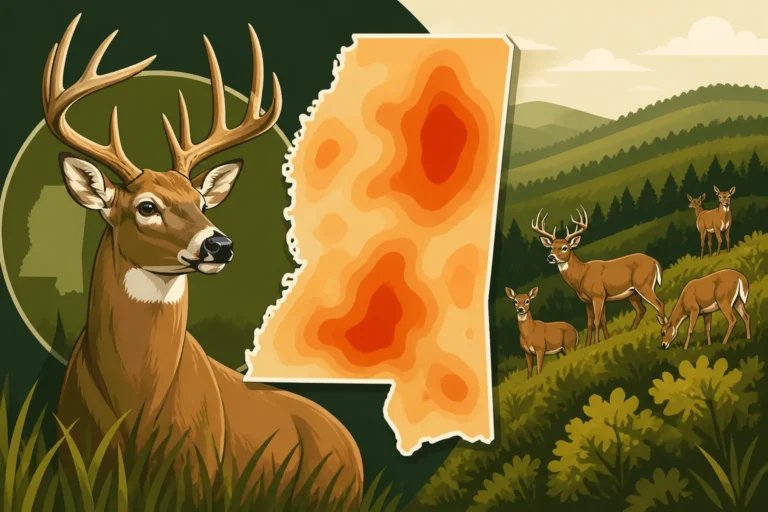
Today, Mississippi boasts a healthy population of wild turkeys, estimated to be well over 200,000 birds, and potentially closer to 300,000. These birds are found in virtually every county with suitable habitat, from the river bottoms of the Delta to the piney woods of the south. The thunderous gobble of a spring longbeard is now a common sound across the state, a testament to what dedicated conservation can achieve. Hunters now enjoy generous seasons and bag limits, a stark contrast to the closed seasons of the past. The success is visible, tangible, and audible. If you’re wondering Where Mississippi Turkeys Are Densest, the MDWFP has excellent data on population distribution.
However, even with this success, wildlife managers and conservationists remain vigilant. While the statewide picture is excellent, local populations can fluctuate due to a variety of factors. Some areas might experience localized declines or plateaus, often tied to changes in habitat, increased predation, or weather patterns during nesting season. This variability means that ongoing monitoring and adaptive management are crucial to maintaining the overall health of the population. We celebrate the success, but we never take it for granted.
Ongoing Threats and Modern Management
Despite their remarkable recovery, wild turkeys face a host of ongoing challenges in the modern landscape. Habitat fragmentation continues to be a concern, as sprawling development and intense agricultural practices can break up the contiguous blocks of habitat that turkeys need. Predation, especially from an ever-growing coyote population, as well as bobcats, raccoons, and even feral hogs, can significantly impact nesting success and poult survival, an issue often studied in Nest Predation and Mississippi Turkey Hatches. Diseases like Avian Influenza or Blackhead disease, though rare in widespread outbreaks, are always a potential threat that wildlife agencies monitor closely.
The MDWFP employs adaptive management strategies to address these challenges. This includes extensive data collection through hunter harvest reports, brood surveys, and banding programs to track Mississippi Turkey Population Trends. Research is ongoing to understand the impacts of habitat changes, climate shifts, and predator dynamics on turkey populations. Partnerships with private landowners continue to be essential, as the majority of Mississippi's land base is privately owned. Educating hunters and the public about these challenges and encouraging sustainable practices ensures that the wild turkey remains a vibrant part of Mississippi's natural heritage for future generations. The story of Mississippi's wild turkeys is not just a tale of recovery, but a continuous narrative of stewardship and adaptation.
| Era | Estimated Turkey Population (Mississippi) | Key Factors / Challenges | Management Approach |
|---|---|---|---|
| Early 1900s | 10,000 – 20,000 | Overhunting, widespread deforestation | Minimal regulation, declining populations |
| Mid-20th Century | 2,000 – 5,000 | Severe habitat loss, pen-raised bird failures | Closed seasons, small protected areas, failed releases |
| Late 20th Century | 5,000 – 150,000+ | Trap-and-transfer, habitat restoration, NWTF support | Strategic releases, controlled burns, strict regulations |
| Early 21st Century | 200,000 – 300,000+ | Habitat fragmentation, predation, disease, urban sprawl | Adaptive management, research, hunter education, NWTF partnership |
Disclaimer
Please note that hunting regulations, season dates, and license requirements can change. Always consult the latest official Mississippi Department of Wildlife, Fisheries, and Parks (MDWFP) publications and website before planning any hunting activities. This article is intended for informational purposes only and does not supersede official regulations.