Reading a Brake for Deer Movement
Mississippi deer brakes are dense vegetation areas providing security, explaining how hunters can interpret deer movement within them.
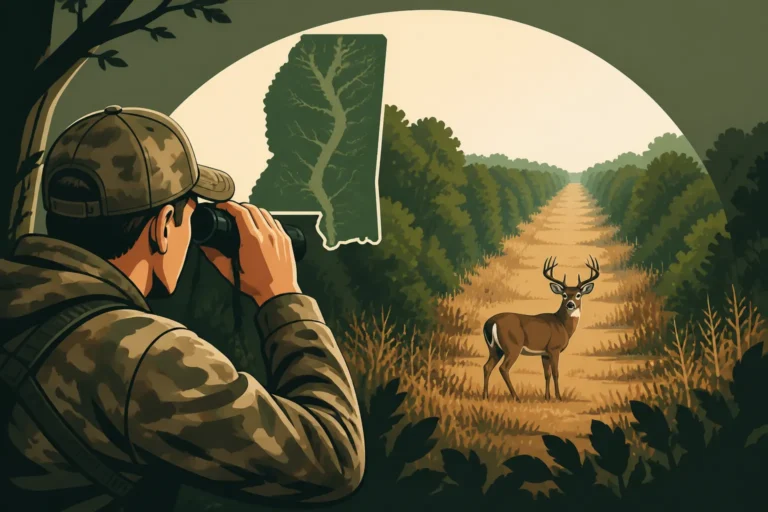
Mississippi deer brakes are dense vegetation areas providing security, explaining how hunters can interpret deer movement within them.
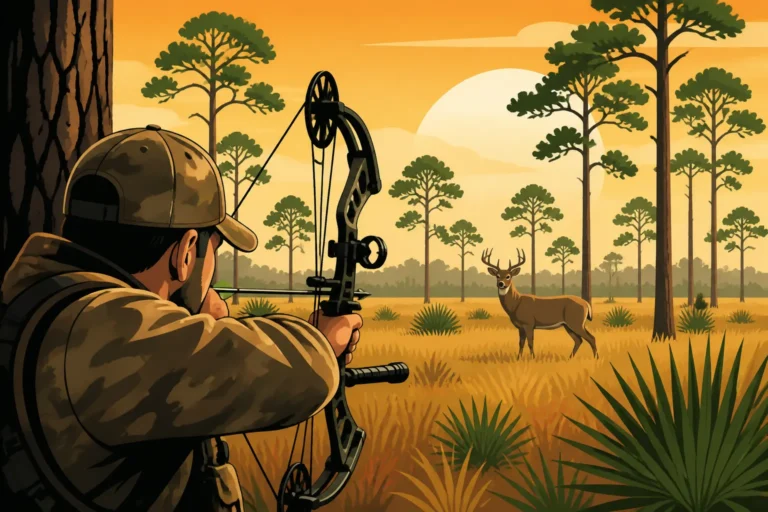
Mississippi longleaf pine savanna deer hunting strategies, habitat structures, bedding areas, and travel corridors explained for hunters.

Mississippi Loess Bluff ridgelines present steep terrain challenges where deer follow predictable travel patterns and use ravines.

Mississippi whitetail behavior around clover plots at dawn helps hunters intercept deer along early morning transition routes.
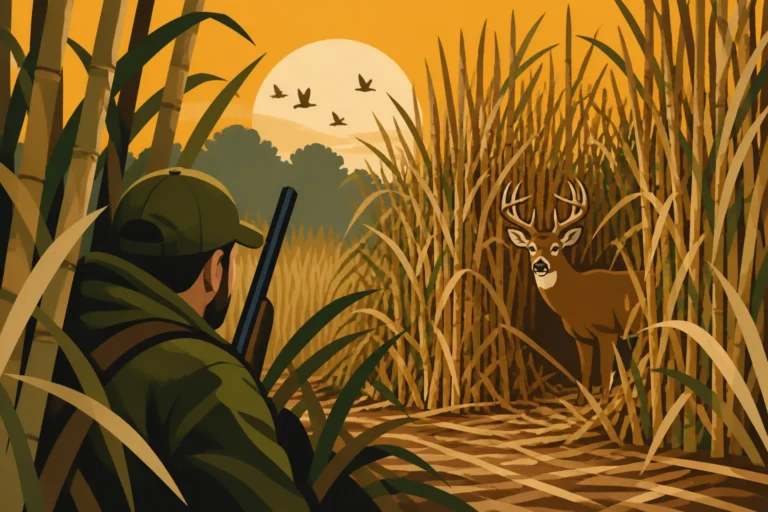
Mississippi river cane thickets provide whitetail deer dense security cover and water, requiring specific hunting tactics for success.
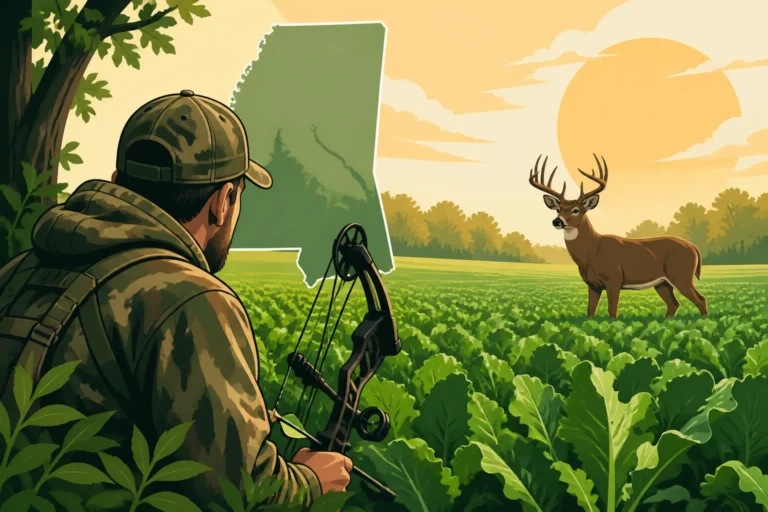
Hunting green fields in Mississippi requires real-world tactics to harvest deer effectively during morning and evening hours.
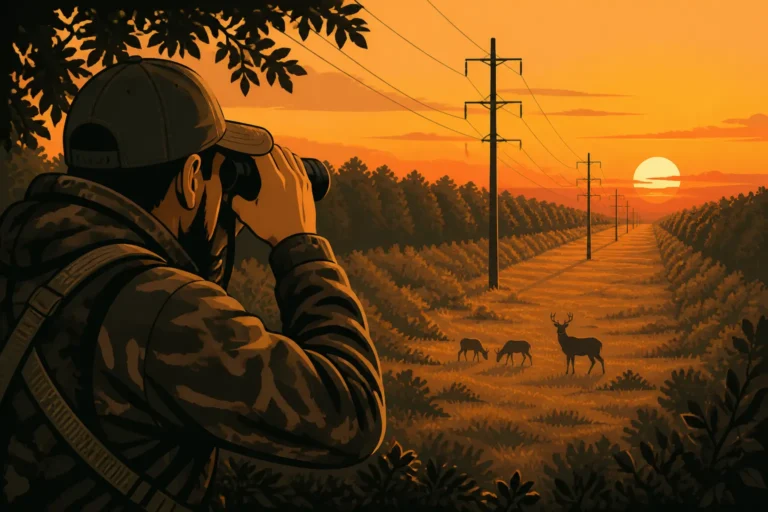
Glassing Mississippi powerline cuts at last light teaches hunters how to spot whitetail deer movement, edges, and food sources.
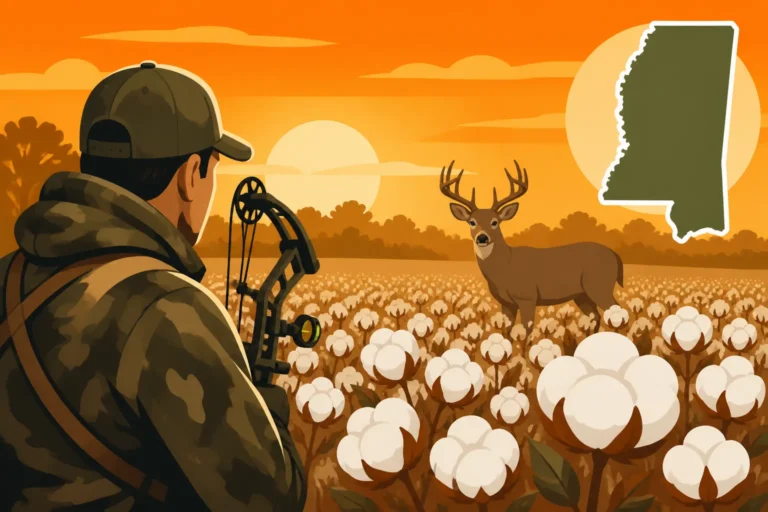
Mississippi standing cotton fields provide late-season whitetails with security and food, improving hunting success in agricultural regions.
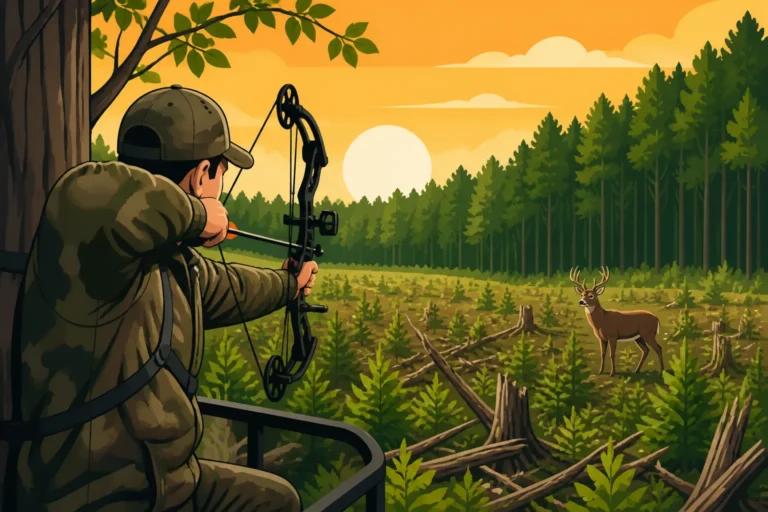
Mississippi clear-cut regrowth edges provide deer with food and cover, creating fantastic hunting opportunities along timber boundaries.
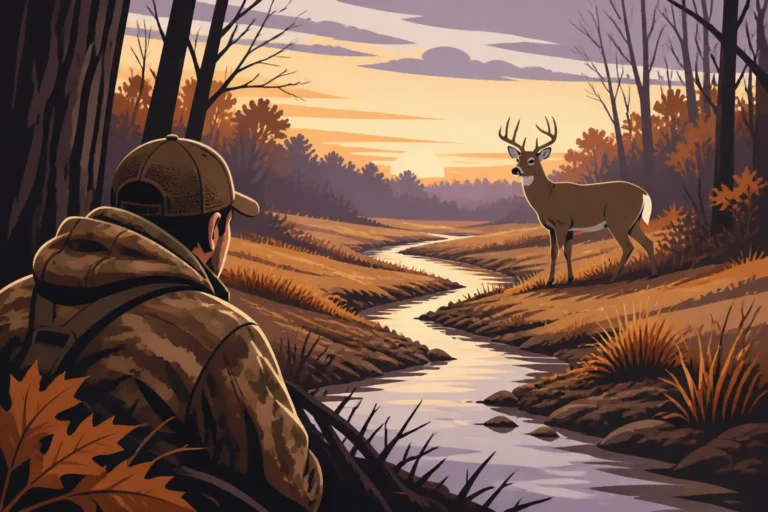
Mississippi creek bottoms provide late-season deer with food, water, and thick cover, offering hunters reliable locations for success.