Mississippi’s Hancock County CWD Zone
The news that Chronic Wasting Disease (CWD) has been detected in a new area can cast a real shadow over hunting plans, and if you’re a deer hunter in or around Hancock County, you might be feeling a mix of frustration and uncertainty right now. It’s tough when the rules change, especially when it concerns the health of the deer herd we care so much about. This guide is here to walk you through exactly what Mississippi's Hancock County CWD Zone means for you, how to navigate the regulations, and how you can play a crucial part in managing this challenging disease.
Understanding Chronic Wasting Disease and Its Impact
Chronic Wasting Disease (CWD) is a topic no hunter wants to hear about, but understanding it is our first line of defense. It’s a complex and concerning issue that directly affects the health of our deer populations and, by extension, our hunting traditions.
What Exactly is CWD?
CWD isn't your typical illness that a deer can shake off. It’s a fatal, neurological disease that affects cervids – that’s deer, elk, moose, and even reindeer. The scary part is it’s caused by abnormal proteins called prions, not bacteria or viruses, which makes it incredibly resilient and difficult to eradicate. These prions slowly accumulate in the brain and other tissues, eventually leading to severe neurological damage. Imagine a deer that slowly loses coordination, becomes emaciated, and exhibits abnormal behavior; that’s the heartbreaking progression of CWD. There’s no known cure, and it’s always fatal once symptoms manifest. This insidious nature, coupled with a long incubation period where an infected animal can appear perfectly healthy, makes CWD a silent threat to deer populations.
How CWD Has Manifested in Mississippi
Mississippi first joined the list of states with CWD in 2018, when the disease was detected in a deer harvested in Benton County. Since then, the Mississippi Department of Wildlife, Fisheries, and Parks (MDWFP) has been on high alert, implementing extensive monitoring and management strategies. The discovery in Benton County wasn't an isolated incident; unfortunately, subsequent detections have led to the establishment of several CWD management zones across the state. Each new detection expands the reach of these zones, underscoring the persistent challenge CWD poses. The MDWFP has been incredibly transparent about its findings and efforts, which you can read more about in our detailed guide on Mississippi's Chronic Wasting Disease Zones. The state's approach has been proactive, focusing on surveillance, hunter education, and strict regulations designed to contain the spread.
Hancock County's Designation and Zone Specifics
For hunters in South Mississippi, the news of Hancock County being designated as a CWD zone was a tough pill to swallow. It means a shift in how you plan your hunt and what you do after the shot, all for the greater good of the herd.
The Establishment of the Hancock County CWD Zone
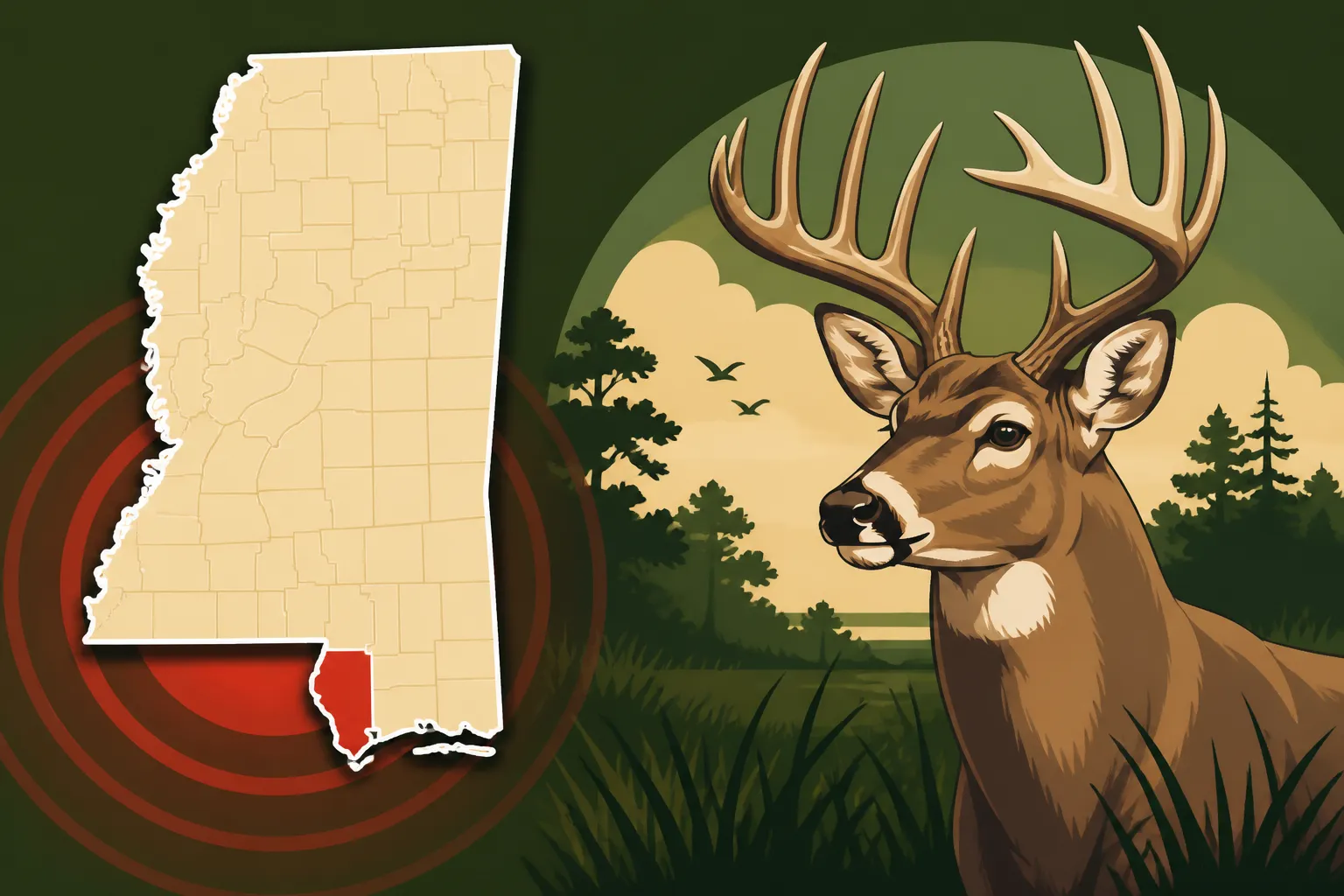
The decision to designate Hancock County as a CWD zone didn't come lightly. It followed the confirmation of CWD in a deer harvested within the county. Once a positive test result is confirmed in a new area, the MDWFP acts swiftly to establish a CWD management zone to contain the potential spread. These zones aren't arbitrary; they’re carefully defined based on the location of the positive detection, deer movement patterns, and geographical features. In the case of Hancock County, this means that the entire county, or specific portions thereof, fall under special regulations designed to monitor and manage the disease. The specific boundaries are crucial information for any hunter, and the MDWFP ensures these are clearly communicated through their website and official channels. It can be a jarring experience to suddenly find your favorite hunting spot within a CWD zone, prompting a real need to understand these new rules.
Immediate Implications for Hunters in Hancock County
When your hunting grounds become part of a CWD zone, it's not just a change in geography; it's a change in the rules of engagement. For hunters in Hancock County, this designation brings with it a set of non-negotiable regulations that prioritize disease management. The biggest immediate impact is usually mandatory testing of harvested deer and strict carcass movement restrictions. What once was a simple field-dressing and transport home now involves specific steps to ensure compliance and prevent the further spread of CWD. Many hunters initially feel frustration because these new rules can complicate a cherished tradition. However, it's vital to remember that these measures are implemented to protect the long-term health of Mississippi's deer herd, which benefits all of us who love to hunt. This shift requires every hunter to become an active participant in CWD management, rather than just a passive observer.
Navigating Mandatory Testing and Carcass Regulations
Hunting in a CWD zone means you've got a new set of responsibilities after you make a harvest. It's all about ensuring we're doing our part to monitor and, hopefully, contain the disease.
Mandatory CWD Testing Procedures
One of the most significant changes for hunters in the Hancock County CWD Zone is the mandatory testing requirement for harvested deer. This isn't optional; it's a crucial component of the MDWFP's surveillance efforts. After you harvest a deer, you'll need to present it, or specific parts of it, at a designated CWD sampling station. These stations are usually set up at convenient locations like local weigh stations, state parks, or even some private processors during key hunting dates. The process involves trained personnel collecting tissue samples, typically from the lymph nodes in the neck or the obex (a part of the brainstem).
The MDWFP strives for a reasonable turnaround time for results, often communicating them via email or through their online portal. It’s your responsibility to ensure your deer is submitted for testing, and tools like the MDWFP app or services like GoHunt can be incredibly helpful for locating sampling stations and staying informed about harvest reporting. For a more detailed look at the process, check out our guide on Mississippi CWD Testing for Hunters.
Critical Carcass Movement Restrictions
Perhaps the most impactful regulation for hunters in a CWD zone concerns carcass movement. The prions that cause CWD are highly concentrated in the brain, spinal cord, and lymph nodes. Moving a whole carcass across county lines risks spreading these prions to new areas. Therefore, strict rules are in place: you generally cannot transport a whole deer carcass out of the Hancock County CWD Zone.
There are specific parts, however, that are permitted for transport, provided they are cleaned of all high-risk tissues. This typically includes deboned meat, clean skull plates (with antlers attached), antlers free of all tissue, clean hides, and finished taxidermy products. This means that if you're planning to take your deer out of the zone for processing, you'll need to field dress and debone it meticulously on site or take it to a processor located within the CWD zone. Planning ahead for these restrictions is vital to avoid potential penalties and, more importantly, to prevent inadvertently contributing to CWD spread. Our guide on Mississippi Carcass Movement Restrictions offers even more in-depth advice.
Here's a quick look at what's generally allowed and not allowed:
| Carcass Parts Permitted for Movement Out of CWD Zone | Carcass Parts NOT Permitted for Movement Out of CWD Zone |
|---|---|
| Deboned meat | Whole carcass (unless directly to a processor within the zone, or to a CWD sampling station/taxidermist within 72 hrs) |
| Clean skull plate (antlers attached) | Head (unless submitted for CWD testing or to a taxidermist within 72 hrs) |
| Antlers, clean of all tissue | Spinal column |
| Hides, clean of all tissue | Internal organs (unless field dressed on site) |
| Capes, clean of all tissue | Brain tissue |
| Finished taxidermy products | Any part containing nervous system tissue |
Responsible Disposal of Carcass Remains
With strict limits on carcass movement, the question of what to do with the "undesirable" parts – the head, spine, and internal organs – becomes critical. Proper disposal isn't just a matter of compliance; it's a critical component of preventing CWD from spreading within the environment. You cannot just dump these remains anywhere. The MDWFP provides clear guidelines, which usually include burying the remains on the property where the deer was harvested, taking them to a permitted municipal landfill, or using designated CWD carcass disposal sites if available. Roadside dumping or casual disposal in woods outside your hunting area is absolutely prohibited and highly irresponsible. These practices can create new infection sites for other deer, undermining all efforts to control the disease. It’s a small extra step, but one that carries significant weight in protecting our deer and our hunting future.
Adapting Your Hunting Practices for the CWD Zone
The presence of CWD in Hancock County means that hunters need to think differently about their role in wildlife management. It's an opportunity to adapt and contribute to a healthier future for Mississippi's deer.
Adjusting Your Hunting Strategy and Mindset
Hunting in a CWD zone isn't just about following rules; it's about shifting your mindset. While the thrill of the hunt and the camaraderie of deer camp remain, there's an added layer of purpose: actively contributing to herd health. This might mean adjusting your traditional hunting strategy. For instance, in areas where CWD is detected, controlling deer density can be a key management tool. This might translate to encouraging a higher harvest of does or, conversely, targeting older bucks to remove potential carriers from the herd more quickly. Platforms like GoHunt, with their data and mapping layers, can be valuable resources for understanding local herd dynamics and planning your strategy accordingly. The goal here isn't just filling a tag, but making informed decisions that support the MDWFP's CWD management objectives. It’s about taking a more scientific approach to your hunting.
Personal Hygiene and Safety Measures
When CWD is a concern, personal hygiene and safety become even more paramount. While there's no conclusive evidence that CWD can infect humans, public health agencies like the Centers for Disease Control and Prevention (CDC) strongly recommend against consuming meat from CWD-positive animals. So, during field dressing, always wear gloves to minimize contact with blood and internal tissues, especially brain and spinal cord material. Thoroughly clean all your knives, saws, and processing equipment with a 10% bleach solution, followed by a good rinse, to inactivate any potential prions. Wash your hands thoroughly with soap and water afterward. This isn't just about CWD; it's good practice for preventing the spread of any potential pathogens. For detailed information on handling venison safely, our article on Handling Venison From a CWD Management Zone is an invaluable resource.
How Hunters Can Actively Participate in Management
Beyond simply complying with regulations, Mississippi hunters have a vital role to play in the long-term management of CWD. You are the eyes and ears in the field. If you observe a deer exhibiting any unusual symptoms – extreme emaciation, neurological signs, or abnormal behavior – it’s crucial to report it to the MDWFP immediately. Your observations can help wildlife biologists identify new areas of concern or monitor disease progression. Furthermore, participating in voluntary testing programs (if available outside mandatory zones), supporting CWD research through organizations like the MDWFP, and simply spreading accurate information among your fellow hunters are all ways you can make a tangible difference. This disease won't be managed by agencies alone; it requires a collective, informed effort from the entire hunting community.
The Long Road Ahead for Hancock County and CWD
Dealing with CWD isn't a sprint; it's a marathon. The designation of Hancock County as a CWD zone marks the beginning of a long-term commitment to managing this disease.
MDWFP's Ongoing Monitoring and Research
The MDWFP's work doesn't end with establishing a CWD zone. In Hancock County, just like other affected areas, there will be continuous monitoring, surveillance, and research efforts. This includes ongoing mandatory and voluntary testing, prevalence studies to understand how widespread the disease is, and adaptive management strategies that might evolve over time. Wildlife biologists are constantly learning more about CWD transmission and how best to mitigate its impact. This means that regulations and recommendations might change based on new data or scientific breakthroughs. Staying informed through official MDWFP channels, or checking updates on platforms like GoHunt, is paramount for hunters to remain compliant and contribute effectively. This is a dynamic situation, and our responses must be equally adaptable.
Community Engagement and Future Outlook
Ultimately, the success of CWD management in Hancock County, and across Mississippi, hinges on the collective effort and cooperation of the hunting community. It’s a tough situation, and it can feel overwhelming, but your engagement is key. By understanding the regulations, adhering to testing and carcass disposal rules, and actively participating in reporting, you become an indispensable partner in protecting our state's invaluable deer herd. CWD has the potential to significantly impact future hunting opportunities if left unchecked, so the stakes are incredibly high. While the path ahead might be challenging, with continued collaboration between hunters, landowners, and the MDWFP, we can work towards mitigating the impact of CWD and ensuring that Mississippi remains a fantastic place to hunt for generations to come.
Disclaimer
The information provided in this guide is for general informational purposes only and does not constitute legal advice. Hunting regulations and CWD management protocols are subject to change. Always consult the most current regulations published by the Mississippi Department of Wildlife, Fisheries, and Parks (MDWFP) or other relevant authorities before engaging in any hunting activities.