Running Dogs on Mississippi Feral Hogs
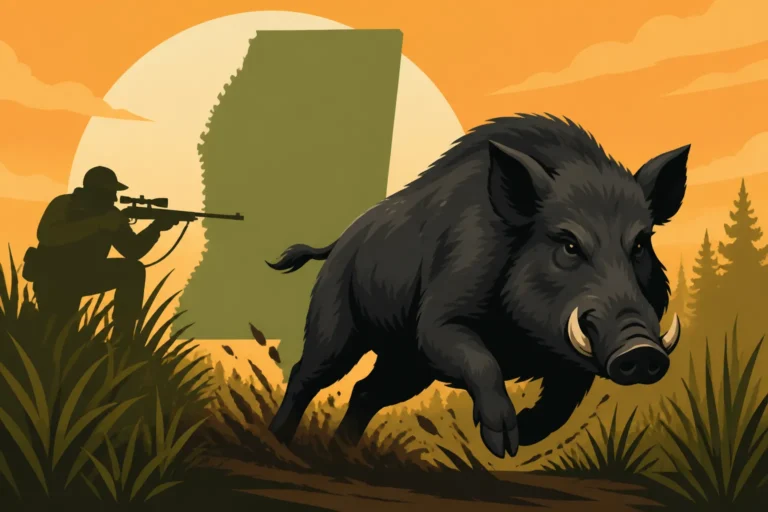
The relentless spread of feral hogs across Mississippi is a real problem for landowners, farmers, and even other wildlife. These invasive animals wreak havoc on crops, timber, and native habitats, and frankly, dealing with them feels like an uphill battle sometimes. This comprehensive guide is here to walk you through one of the most effective, albeit intense, methods of control: running dogs on feral hogs, offering insights into forming your team, strategic deployment, and crucial safety measures.
Understanding the Unique Challenge of Mississippi Hogs and Dogs
Mississippi’s diverse landscape, from the dense bottomland hardwoods of the Delta to the piney woods of the south, presents a unique challenge when it comes to managing feral hogs. These animals are incredibly adaptable, and their populations seem to explode overnight. While trapping and baiting have their place, sometimes you need a more direct approach, and that's where a well-trained pack of hog dogs comes in. It’s not just about a chase; it’s about a calculated hunt that demands skill, knowledge, and respect for both the animals and the environment.
Hog Behavior and Habitat in Mississippi
Feral hogs are not just wild pigs; they are descendants of domestic hogs that have gone wild, interbred with Eurasian wild boar, and have developed an incredible cunning that makes them formidable quarry. In Mississippi, you’ll find them everywhere, but they particularly thrive in areas with abundant food and water, often near agricultural fields, river bottoms, and dense swamps. They are most active during the cooler parts of the day, typically at dawn and dusk, though they can be nocturnal, especially when pressured. Their destructive rooting behavior is unmistakable, tearing up fields, forests, and even manicured lawns. They reproduce at an astonishing rate, with sows often having two litters of 4-8 piglets a year, reaching sexual maturity incredibly quickly. This rapid reproduction is a major factor in their population growth and why intensive management methods like dog hunting are often necessary. Understanding their daily patterns and preferred bedding areas is crucial before you even think about releasing your dogs. For example, in the rich, moist soil of the Delta, hogs will root extensively for tubers and grubs, leaving a clear trail for your dogs. You can learn more about how many feral hogs Mississippi has and the specific counties that are most impacted.
Why Dogs Are So Effective
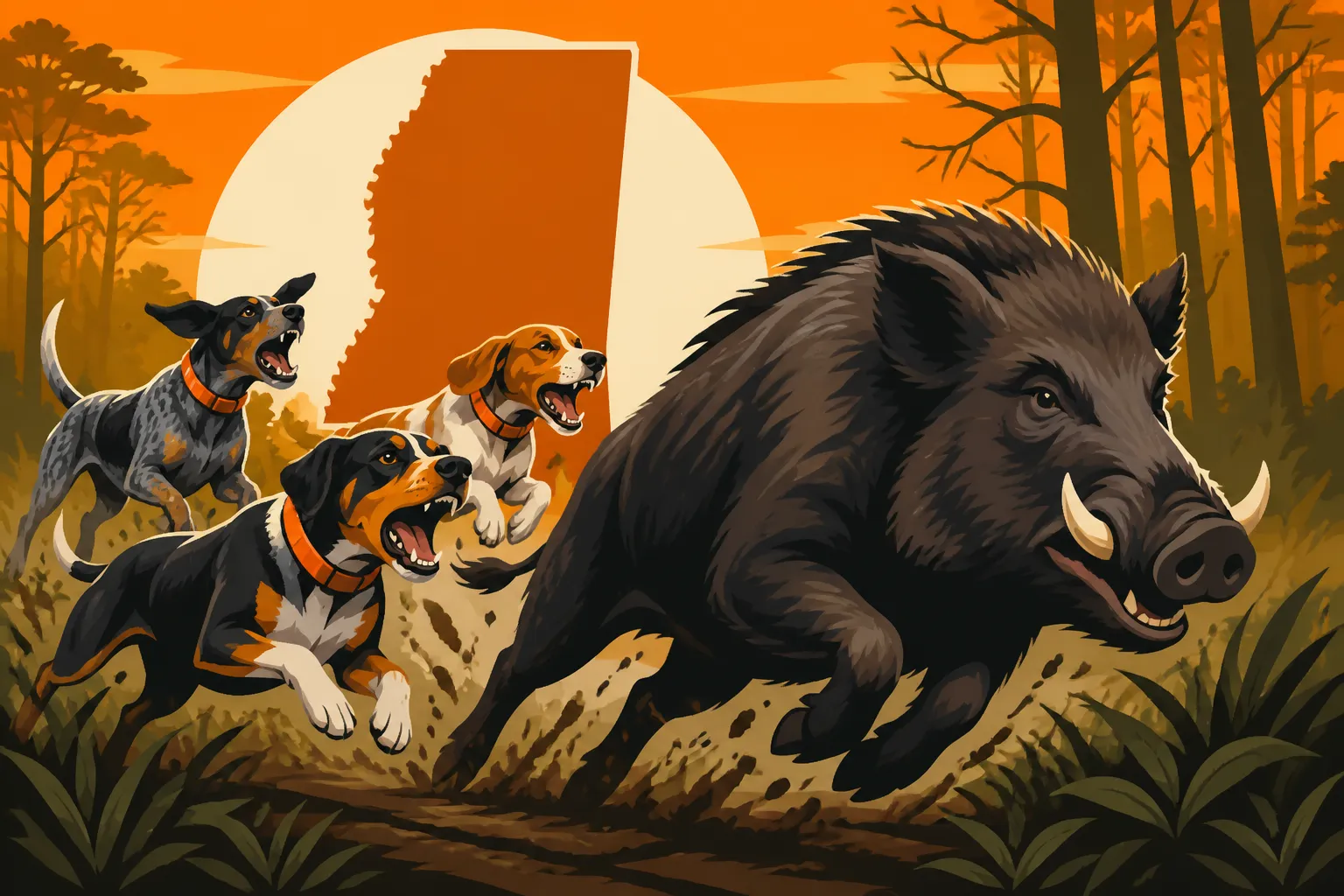
Simply put, dogs excel at what humans struggle with when it comes to hogs: navigating dense cover, scent tracking, and containing a powerful, often aggressive animal. Hogs are masters of evasion, melting into thickets and swamps where a human hunter would be hopelessly bogged down. A good pack of dogs can follow a scent trail through the thickest briars, locate a sounder, and either bay them up (hold them at bay by barking) or catch them outright. This is particularly effective for removing entire sounders, not just individual animals, making a significant dent in local populations. Unlike trapping, which can sometimes be hit-or-miss depending on baiting strategies and hog wariness, a dog hunt is a dynamic, active pursuit that can cover large areas and force hogs out of their hiding spots. It's a method that taps into the ancient instinct of predator and prey, but it's refined through careful breeding and dedicated training.
The Art of Assembling Your Hog Dog Team
Building a successful hog dog team isn't just about grabbing a few hounds; it's a careful blend of selecting the right breeds, rigorous training, and equipping them properly. Each dog plays a vital role, and understanding these roles is key to a safe and productive hunt.
The Right Breeds for the Job
When it comes to hog dogs, you generally categorize them into two main types: bay dogs and catch dogs. Bay dogs are typically hounds, known for their superior noses, endurance, and loud "bay" that keeps a hog cornered without engaging directly. Breeds like Blackmouth Curs, Catahoula Leopard Dogs, and various Walker or Redbone hounds are popular choices for baying. Their job is to find the hog, announce its presence, and keep it from running off until the catch dogs or handlers arrive.
Catch dogs, on the other hand, are the muscle. They are typically stronger, more agile breeds with a powerful bite and an instinct to grab and hold a hog by the ear or shoulder. Breeds like American Bulldogs, Pit Bulls, or various crossbreeds specifically bred for their strength and tenacity are common catch dogs. Their role is to subdue the hog quickly and safely once it's bayed or located, allowing the handler to move in for a humane dispatch. Often, a good hog dog team will consist of a mix of both, perhaps 2-3 bay dogs and 1-2 catch dogs, balancing scenting ability, baying power, and catching strength.
Training Your Pack
Training begins early, often with puppies, focusing on obedience, scent work, and developing a strong retrieve drive. For bay dogs, this means encouraging their natural tendency to bark and circle, teaching them to keep a safe distance from aggressive animals while still holding their attention. For catch dogs, it’s about controlled aggression, teaching them when and how to engage safely, avoiding vital areas of the hog. Socialization with other dogs and exposure to different environments are crucial. Many hunters start with smaller, less aggressive hogs in controlled environments to build confidence and refine techniques before moving to truly wild, aggressive animals. Consistency, positive reinforcement, and patience are paramount. Never rush a dog into a situation it’s not ready for, as a bad experience can ruin a good dog. Consider working with experienced hog dog trainers if you're new to the sport.
Essential Gear for Your Dogs
Your dogs need protection and tracking equipment. This isn't optional; it's a necessity for their safety in the dense Mississippi brush and against the formidable tusks of a feral hog.
| Item | Purpose | Details |
|---|---|---|
| Tracking Collars | GPS tracking and remote control | Garmin Alpha or SportDOG Tek series are popular. Essential for finding dogs in thick cover or if they run a hog out of range. |
| Protective Vests | Guard against cuts from tusks and punctures from briars | Made from tough materials like Kevlar, Cordura, or layered plastics. Covers chest, sides, and sometimes legs. |
| Cut Collars | Extra neck protection | Thick, sturdy collars, often with a wider chest plate, to protect the throat and arteries from upward thrusts. |
| First Aid Kit | Immediate care for injuries | Includes antiseptic wash, bandages, gauze, vet wrap, super glue (for quick cuts), pain relievers (vet-approved), tick removal tools. |
| Water & Bowls | Hydration during and after the hunt | Collapsible bowls and plenty of fresh water for your dogs, especially in warm Mississippi weather. |
| Leashes/Tethers | Control during transport and when dogs are off-trail | Strong leashes for managing dogs before and after release. |
Beyond this, having a reliable mapping system, such as what GoHunt offers, can be incredibly useful. While your dogs are following their nose, you’ll be tracking their GPS collar on a handheld device. Knowing the terrain, property lines, and potential escape routes for hogs is vital. GoHunt's detailed satellite imagery and property owner information can help you understand where your dogs are heading and if they might be pushing hogs onto land where you don't have permission. Always confirm any property boundaries using official records or by contacting landowners directly.
Strategic Deployment: How to Run Your Dogs Effectively
Running dogs on feral hogs is far more than just letting the dogs loose. It requires careful scouting, understanding how to manage the drive, and executing a safe and decisive catch and dispatch.
Scouting and Locating Hogs
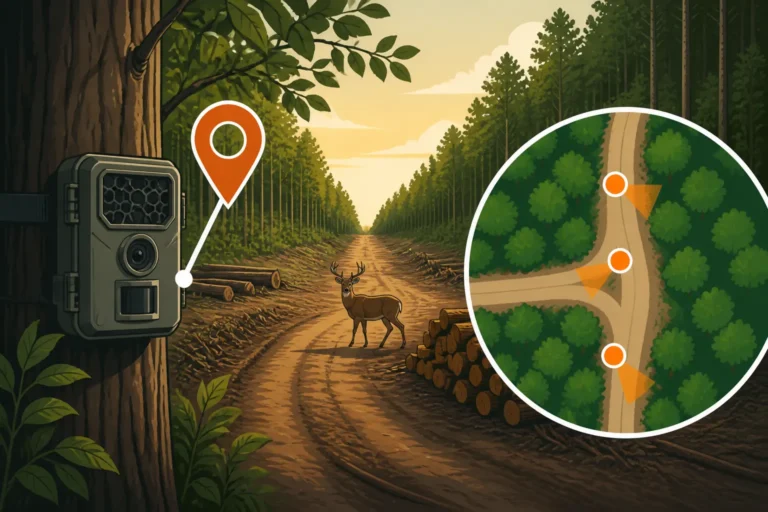
Before the hunt, rigorous scouting is non-negotiable. Look for fresh rooting, tracks, scat, and active wallows. Game cameras can be invaluable for confirming hog presence and identifying travel corridors. Pay close attention to food sources, especially during different times of the year. Acorns are a massive draw in the fall, while agricultural fields might be hog magnets during planting or harvest seasons. Heavy cover near water sources is almost always a prime spot. When you're dealing with big tracts of public land or private properties you're not intimately familiar with, utilizing mapping apps and services can give you a major advantage. While GoHunt might not specifically map hog activity, its robust topographic and aerial imagery can help you identify dense bedding areas, water sources, and potential escape routes that might otherwise be invisible from the ground. This kind of pre-hunt intelligence is crucial for deciding where to start your dogs and how to approach the area. Consider doing some Scouting Mississippi Public Land Before Season to get a lay of the land.
The Drive and the Bay
Once you've identified a promising area, the "drive" begins. This involves strategically releasing your bay dogs to pick up a scent trail. Sometimes, you'll release them from a truck, letting them fan out, or you might walk them into an area known for hog activity. The goal is for them to locate a sounder and push them, or "drive" them, into a position where they can be effectively bayed. When the bay dogs hit a hot trail, their excitement is palpable, and the chase is on. You'll track their movements via GPS, listening for the change in their barks that signals they've bayed a hog. A consistent, excited bay means the hog is held. This is where the handlers, often followed by catch dogs on lead, move in cautiously. The bay itself can last minutes or even much longer, depending on the hog's aggression and the terrain. It’s a loud, intense ballet of dog and hog, and knowing how to read your dogs’ barks is vital to assessing the situation.
The Catch and Dispatch
Approaching a bayed hog requires extreme caution. The hog will be stressed, agitated, and ready to fight. Handlers must move in decisively. Once the bayed hog is located, the catch dogs are released. Their role is to swiftly move in and grab the hog, ideally by the ear or shoulder, to immobilize it. This rapid engagement minimizes the struggle and stress for both the hog and the dogs. As soon as the hog is secured by the catch dogs, the handler moves in to dispatch it quickly and humanely. This is typically done with a knife, targeting the heart to ensure a swift and ethical end. Speed and precision are critical in this phase to prevent injury to the dogs or prolonged suffering for the hog. This entire process is physically demanding and requires experience, coordination, and a deep understanding of dog behavior and hog anatomy. You can learn more about Shot Placement on a Feral Hog to ensure a humane dispatch.
Safety First: Protecting Your Dogs and Yourself
Hog hunting with dogs is inherently dangerous. Feral hogs are powerful, aggressive animals equipped with razor-sharp tusks that can inflict serious, even fatal, injuries to dogs and humans alike. Prioritizing safety is not just a recommendation; it’s a non-negotiable rule.
Injury Prevention and First Aid
The best way to deal with injuries is to prevent them. This starts with ensuring your dogs are in peak physical condition, well-trained, and wearing appropriate protective gear like vests and cut collars. Regularly inspect their gear for wear and tear. During the hunt, be vigilant about the terrain, avoiding areas with known hazards like barbed wire, steep drop-offs, or venomous snakes if possible. Despite all precautions, injuries can and do happen. Always carry a comprehensive canine first aid kit. Knowing basic canine first aid, such as how to stop bleeding, clean wounds, and administer pain relief, is critical. For severe injuries, immediate veterinary care is essential. Have a plan for how you’ll transport an injured dog out of the field, especially if you’re deep in the woods. This might mean having a designated person stay with the truck or having a utility vehicle on standby.
Dealing with Aggressive Hogs
Feral hogs, particularly large boars or sows with piglets, can be incredibly aggressive when cornered. They will charge, hook with their tusks, and fight viciously. Your bay dogs are trained to keep a safe distance, but a desperate hog can break through a bay or turn on a handler. Never underestimate their speed or power. When approaching a bayed hog, always be aware of your escape routes and maintain a safe distance until the catch dogs have secured the animal. If a hog charges, do not panic. Stand your ground if you have no escape, but ideally, move to higher ground or behind a tree. Communication among handlers is crucial to coordinate the approach and dispatch, minimizing the time the hog is under stress and the risk to the dogs.
Navigating Terrain and Water
Mississippi’s landscape is beautiful but can be treacherous. Dense briar thickets, cypress swamps, and muddy river bottoms are common hog habitats. These environments pose risks not only from the hogs but also from the terrain itself. Dogs can get cut on thorns, tangled in vines, or exhausted by deep mud and water. Always consider the weather; hot, humid Mississippi days can quickly lead to heatstroke in dogs. Ensure they have access to plenty of water before, during, and after the hunt. If crossing water, especially deep sloughs or creeks, ensure your dogs are strong swimmers and that there are safe entry and exit points. Remember that alligators are common in many Mississippi waters, particularly in the Delta region, adding another layer of risk when hunting near open water. Knowing the nuances of Wind and Thermals in Delta Bottomland can also help you predict hog movement and avoid unnecessary excursions into difficult terrain.
After the Catch: Handling and Processing Your Harvest
The hunt doesn't end with the catch. Proper handling and processing of the hog are essential for utilizing the meat and adhering to regulations.
Humane Dispatch Techniques
As mentioned earlier, a quick and humane dispatch is paramount once the hog is secured. The most common and ethical method involves a swift knife thrust to the heart, ensuring minimal suffering. Some hunters prefer a small caliber pistol, but a knife is often favored in close quarters with dogs present to avoid accidental injury. Regardless of the method, the goal is always immediate incapacitation. This respect for the animal is a core tenet of responsible hunting. After the dispatch, it's a good practice to take a moment, allow the dogs to calm down, and ensure the area is safe before proceeding with field dressing. You can find useful information on Handling a Hog After the Shot to ensure proper procedure.
Field Dressing and Transport
Once the hog is dispatched, field dressing should commence as quickly as possible, especially in Mississippi's warm climate, to cool the meat and prevent spoilage. This involves gutting the animal to remove internal organs. Carry a sharp knife, gloves, and a means to carry out the offal if you're on public land where leaving it might be prohibited or undesirable. If you plan to quarter the animal in the field, have a sturdy game bag to protect the meat. Transporting a hog out of thick cover can be a challenge. Depending on the size of the hog and the terrain, you might need a game cart, a sled, or even a strong partner to help drag it out. If you're on private land, a UTV or ATV can be a lifesaver. Keep the carcass as clean as possible during transport to avoid contamination. For very large hogs, or if you're deep in the woods, you might consider quartering the animal right there and making several trips.
Utilizing the Meat
Feral hog meat is excellent table fare, lean and flavorful. Don't let anyone tell you it's not good; with proper handling, it's fantastic. However, it's crucial to understand that feral hogs can carry diseases like brucellosis and trichinosis. Always wear gloves when field dressing and cooking the meat thoroughly to at least 160°F (71°C) is highly recommended. Freezing the meat for several weeks can also kill some parasites. Many hunters take their hogs to a local processor, especially if they harvest multiple animals or don't have the facilities for home butchering. If you plan to do it yourself, ensure you have a clean workspace and appropriate tools. Remember, effectively managing hog populations includes making good use of the animals you harvest, turning a nuisance into a delicious meal.
Legality and Ethics: What You Need to Know
Hunting feral hogs with dogs in Mississippi is largely unrestricted due to their invasive status, but there are still important regulations and ethical considerations to keep in mind.
Mississippi Regulations for Hog Dogging
Mississippi views feral hogs as a nuisance species with no closed season or bag limits on private land. This means you can hunt them year-round, day or night, and with pretty much any legal method, including dogs. This permissive approach is driven by the state's efforts to control their destructive populations. However, on public lands like Wildlife Management Areas (WMAs) or National Forests, specific rules may apply. Always check the Mississippi Department of Wildlife, Fisheries, and Parks (MDWFP) regulations for the specific WMA or National Forest you plan to hunt, as some areas may have restrictions on night hunting, the use of dogs, or require special permits. For instance, while night hunting with lights for hogs is allowed on private land, it's often prohibited on public land unless specified. You can find detailed information on Mississippi Feral Hog Regulations and Night Hog Hunting Light Rules in Mississippi.
Landowner Permissions
Even though hogs are a nuisance, you absolutely must have permission to hunt on private land. Trespassing is illegal and can lead to fines, confiscation of equipment, and loss of hunting privileges. Always get written permission from the landowner before stepping foot on their property with your dogs. This not only protects you legally but also fosters good relationships with landowners, which is vital for securing future hunting access. If you're hunting near property lines, be extra diligent, especially if your dogs range far. GPS collars help, but accidental trespass can still occur. This is where tools like GoHunt, with its detailed parcel maps showing property boundaries and landowner names, can be an invaluable asset for hunters. It helps you identify who owns the land adjacent to your hunting area and facilitates requesting permission proactively. Being a good steward of the land and respecting property rights goes a long way. This is especially true if you are hunting near areas where landowners might be less inclined to have dogs running through their property.
Ethical Considerations
Beyond the law, there's an ethical responsibility that comes with running dogs on hogs. This includes ensuring humane dispatch, minimizing stress on the animals, and preventing unnecessary injury to your dogs. It also means being a responsible hunter and a good neighbor. Clean up after your hunt, leaving no trash or offal where it will cause issues. Respect other land users, whether they are hikers, birdwatchers, or other hunters. The perception of hog dogging can be controversial among some, so conducting yourself ethically and professionally helps ensure the continued acceptance of this effective management tool. Furthermore, always prioritize the welfare of your dogs. They are your partners, and their safety and well-being should always come first. Remember, the goal is not just the thrill of the chase, but the responsible management of an invasive species that poses a significant threat to Mississippi's natural resources and agricultural economy.
Disclaimer
Hunting is an inherently dangerous activity. This guide provides general information and recommendations. Always consult the official Mississippi Department of Wildlife, Fisheries, and Parks regulations before hunting, obtain all necessary licenses and permits, and prioritize safety above all else. Laws and regulations can change, so it is your responsibility to stay informed and hunt safely and ethically.