Late-Season Delta Duck Bookings
The thrill of late-season duck hunting in the Mississippi Delta is something truly special, but anyone who's tried to book a trip knows the frustration: finding an open spot with a reputable outfitter can feel like trying to hit a teal flying at full speed in a dense fog. Spots fill up incredibly fast, especially as the colder weather pushes more birds south and the prime hunting conditions really set in. This guide is here to help you navigate the competitive landscape of securing those coveted late-season Delta duck bookings, ensuring your next trip isn't just a dream, but a well-planned reality.
Understanding Late-Season Duck Hunting in the Mississippi Delta
There's a reason why the late season holds such a revered spot in the hearts of Mississippi duck hunters. It's often when the magic truly happens, but it also presents its own set of unique challenges when it comes to planning and booking.
Why Late Season is So Popular
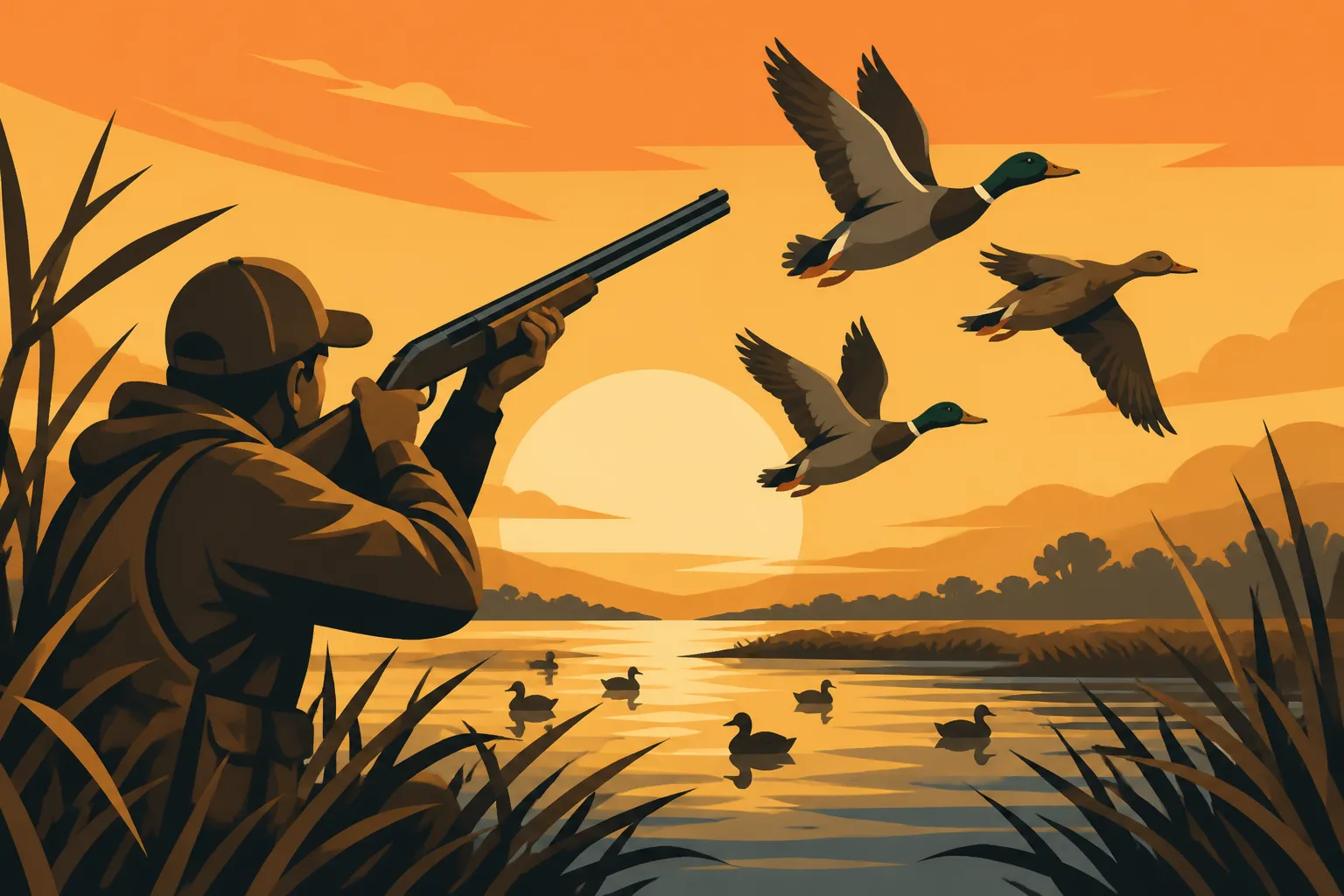
As the calendar pages turn towards December and January, the Mississippi Delta transforms into a waterfowl hunter's paradise. The major cold fronts pushing down from the north bring waves of new birds, replenishing the populations that might have been thinned out during the earlier splits. These migrating ducks, particularly mallards, are often less "educated" than the resident birds or those that arrived with the first trickle of fall migration. They're hungry, cold, and looking for reliable food and refuge, which the Delta’s vast agricultural fields and flooded timber provide in abundance. This combination of fresh birds, peak migration, and colder weather that often encourages strong feeding movements makes the late season incredibly appealing. Hunters anticipate those classic frosty mornings where the air is still and the sound of distant wings beats promises a full strap.
The sheer numbers of ducks moving through the region during this time can be astounding, creating an almost palpable buzz among hunters. You’ll hear stories of ducks locking up from hundreds of yards out, of decoying perfectly into the blocks, and the constant chorus of quacks and chuckles filling the air. This period typically sees the highest concentration of many prime species, making the odds of a memorable hunt significantly higher. It’s no wonder that everyone wants a piece of this action, and why securing a spot takes some serious foresight and planning. We're talking about the time when the Mississippi Delta truly lives up to its legendary reputation for waterfowl hunting, drawing enthusiasts from across the country. Understanding Duck Migration Timing Through Mississippi is key to appreciating this late-season surge.
Unique Challenges of Late-Season Bookings
While the late season offers unparalleled opportunities, it also comes with distinct booking hurdles. Foremost among these is the incredibly limited availability. Many of the top outfitters and lodges have their prime late-season dates booked solid a year or more in advance. Demand far outstrips supply, meaning if you’re not planning well ahead, you’ll likely be out of luck, or relegated to less desirable dates. This high demand also often translates to premium pricing, as outfitters know they can command top dollar for prime dates. It’s a classic case of supply and demand, and in the Delta, demand for late-season ducks is always through the roof.
Another significant challenge, especially for late-season hunts, is the unpredictable nature of weather and water levels. The success of a flooded timber hunt, for instance, is heavily dependent on having adequate water in the woods. While outfitters often have sophisticated water management systems, unexpected dry spells or extreme cold that freezes water can impact even the best-laid plans. This variability means that even a confirmed booking can face last-minute adjustments or, in rare cases, require rescheduling. It’s vital to ask about an outfitter's contingency plans for these scenarios. You don't want to show up only to find the "flooded timber" is barely damp, or worse, completely dry. Knowing What Happens if Water Levels Drop Mid-Season is a crucial part of vetting your booking.
Types of Delta Duck Hunting Experiences and Their Availability
The Mississippi Delta offers a rich tapestry of duck hunting experiences, each with its own charm, challenges, and availability patterns, particularly in the late season. Understanding these differences can help you tailor your search.
Flooded Timber Hunts
Ah, flooded timber – the quintessential Delta duck hunting experience. There’s nothing quite like the sight of mallards, wings cupped, dropping through a canopy of bare cypress and oak trees into a still, shallow pool. This experience is highly sought after and for good reason: it’s incredibly effective when conditions are right, and visually stunning. Because of its popularity and the very specific conditions required (namely, managed water levels in mature timber stands), flooded timber hunts are typically the hardest to book, especially in the late season. Many of the premier lodges and private clubs control vast tracts of suitable timber, and their spots fill up first.
Outfitters who offer true flooded timber hunting often operate on a strict schedule, moving hunters through different holes based on bird movement and pressure. You can expect to be wading in knee-to-waist deep water, often standing against a tree for hours. The demand for these hunts means that booking windows open incredibly early—sometimes a year or even two years in advance. If you're dreaming of that classic greenhead experience, prepare to plan far, far ahead. Mentioning Mallards in Delta Flooded Timber provides a vivid picture of this sought-after experience.
Field Edge and Blind Hunts
While flooded timber gets a lot of glory, hunting over field edges or from permanent blinds in agricultural fields is also incredibly productive in the Delta, especially during the late season when ducks are gorging on waste grain. These hunts might involve layout blinds in cut corn or soybean fields, or static pit blinds strategically placed along the edge of standing crops or near water sources. This style of hunting can sometimes offer more flexibility in terms of booking, as some outfits might have more capacity or less rigid scheduling compared to their timber operations.
The success of field hunting hinges on diligent scouting and the willingness of birds to use those specific food sources. Late-season ducks are often conditioned to fields, and a good spread of decoys with expert calling can bring them right in. While perhaps not as iconic as flooded timber, don't underestimate the potential for incredible shoots over a field. Many outfitters specialize in these kinds of hunts, and they can be a fantastic alternative or complement to timber hunting, sometimes with slightly better last-minute availability. Consider the tactics involved in Layout Blind Hunting Delta Farm Fields for an idea of what these hunts entail.
Greentree Reservoir and Managed Water Hunts
Greentree reservoirs (GTRs) and other managed water impoundments are another critical component of the Delta's waterfowl landscape. These are areas, often on public lands like Wildlife Management Areas (WMAs) or some private operations, where water levels are intentionally manipulated to flood timber or agricultural fields at specific times to create prime duck habitat. They offer consistent water, which is a huge advantage, especially in drier years. However, public access to GTRs often comes with strict regulations, including quota hunts or specific shooting days, which can make them difficult to "book" in the traditional sense for non-locals.
Private outfitters with access to managed impoundments can offer excellent hunting, benefiting from controlled environments where they can ensure water and food availability. These spots can be just as competitive as natural flooded timber, due to the reliability they offer. Hunters need to be aware of the specific rules if pursuing WMA opportunities, as they are not guided hunts. For private outfitters offering access to similar managed water, the booking timeline will mirror that of prime timber hunts. A good example of such a place is a Hunting a Sunflower WMA Greentree Reservoir, which shows the potential and popularity of these managed areas.
Strategies for Securing a Late-Season Delta Duck Booking
Given the competitive nature of late-season duck hunting in the Delta, a multi-pronged approach is often your best bet for landing a prime spot. It's about being proactive, leveraging resources, and being flexible.
The Early Bird Gets the Mallard (Booking Far in Advance)
This might sound obvious, but it bears repeating: if you want to hunt the Delta during the late season, especially in prime December or January, you need to book early. We're talking about calling outfitters and lodges in the spring or early summer of the previous year. Many popular operations will have their books open for the following season right after the current one closes, or even before. Waiting until fall is almost guaranteed to leave you empty-handed for the best dates. Think of it like trying to get tickets to a sold-out concert – you have to be ready when they go on sale.
When you call, be prepared to put down a deposit. Outfitters often require a significant non-refundable deposit to secure your dates, with the balance due closer to the hunt. Understand their cancellation policies thoroughly, as these can vary widely. Some might offer a full refund if they can rebook the date, while others might retain your deposit regardless. This early planning helps you lock in your preferred dates, gives you time to save up, and ensures you're not scrambling when everyone else is. Don't be afraid to ask about specific available dates for the following year, even if it feels like you're planning too far ahead. For reference, securing a spot for Booking a Mississippi Opening Weekend often requires similar advance planning.
Leveraging Online Platforms and Resources
In today's digital age, online hunting booking platforms and comprehensive databases have become invaluable tools. Sites like BookYourHunt and GoHunt, while not always listing every single local outfitter, can be fantastic starting points. These platforms often aggregate availability from various operations, allowing you to filter by location, species, and even preferred hunting style (e.g., flooded timber). You can compare prices, read reviews from previous clients, and sometimes even book directly through the platform. This can save you a lot of phone calls and research time.
Beyond dedicated booking sites, delve into online forums, social media hunting groups, and even state wildlife agency websites. Sometimes smaller, family-run guide services that don't have a huge marketing budget will be found through these channels. Don't underestimate the power of simply calling around to smaller towns in the Delta—places like Greenville, Yazoo City, or Greenwood—and asking local bait shops or general stores for recommendations. Often, the best hidden gems are found through word-of-mouth. Just remember to thoroughly vet any outfitter you find, regardless of how you discover them. Always question Reading Outfitter Success Claims with a critical eye.
Exploring Last-Minute Opportunities and Waitlists
While booking far in advance is ideal, sometimes life happens, or you just get a spontaneous urge to hunt. Don't despair, last-minute opportunities do pop up. Outfitters occasionally have cancellations due to unforeseen circumstances, or they might have a few dates that simply didn't fill. This is where getting on a "waitlist" or making a series of well-timed calls can pay off. Let outfitters know you're flexible with your dates and can be ready to go on short notice.
Being flexible on your group size can also open doors. A spot for two hunters is often easier to fill last minute than a slot for a full group of six. Some outfitters also maintain lists of single hunters or smaller groups they can combine to fill a blind. Consider taking a mid-week hunt instead of a prime weekend, as these dates often have more openings. While it's a gamble, a last-minute Delta duck hunt can be incredibly rewarding, especially if you're prepared to drop everything and go. Always keep an eye out for Last-Minute Mississippi Hunt Availability.
Vetting Your Delta Duck Outfitter for a Late-Season Trip
Booking a guided hunt is an investment, both of your time and money. It's crucial to do your homework, especially for the high-demand late season, to ensure you're getting the experience you expect.
Key Questions to Ask About Late-Season Conditions
When you're talking to a potential outfitter, don't be afraid to ask detailed questions specific to late-season hunting in the Delta. This is where their expertise (or lack thereof) will truly shine. Ask about their water management strategy: "How do you ensure consistent water levels in your flooded timber or fields, especially if we have a dry spell?" Inquire about their scouting efforts: "How often are your guides scouting, and what's their plan if the birds shift off a particular spot?" Backup plans are critical; what happens if the planned hunting area isn't holding birds? Do they have alternative spots?
Also, ask about the specifics of the hunting setup. What kind of blinds do they use? What is the typical guide-to-hunter ratio? Will you be hunting with other groups, or will your group have a blind to yourselves? Understanding these logistical details can make a huge difference in your overall experience. A seasoned outfitter will be transparent and eager to share how they ensure client success, even in challenging conditions. These are the kinds of specific queries you'd consider when asking Questions to Ask Before Booking a Mississippi Hunt.
Understanding Inclusions and Exclusions
Before you commit to a booking, get a clear breakdown of what is included in the price and, just as importantly, what is not. This can vary significantly between outfitters. Some lodges offer all-inclusive packages that cover everything from lodging and meals to guided hunts, decoys, and even bird processing. Others might be "hunt only," requiring you to arrange your own accommodations, food, and post-hunt logistics. Don't assume anything.
Here's a breakdown of common items to clarify:
| Inclusion Category | Typically Included? | Potential Exclusions |
|---|---|---|
| Guided Hunts | Yes | Extra for multiple hunts in a day |
| Lodging | Often (package deals) | Day hunts, self-arranged lodging |
| Meals | Often (package deals) | Day hunts, specific dietary requests |
| Decoys/Blinds | Yes | Personal blind setup |
| Bird Retrieval | Yes (dogs provided) | Extra for lost birds |
| Bird Processing | Sometimes (basic) | Professional processing, vacuum sealing, shipping |
| Licenses/Stamps | No | Federal Duck Stamp, State License, HIP Cert. |
| Ammunition | No | Must bring your own |
| Waders/Gear | No (bring your own) | Some may rent gear |
| Tips | No (customary extra) | Not included in package price |
Always confirm the details to avoid any surprises when the final bill comes or when you arrive at camp. A good outfitter will provide a written agreement or a clear list of what their package entails. Knowing What's Included in a Delta Lodge Stay can help set your expectations for different price points.
Reading Reviews and Seeking References
Online reviews, while helpful, should always be taken with a grain of salt. Look for consistent themes across multiple platforms. Do most reviews praise the guide's knowledge and effort, or are there recurring complaints about disorganization or poor communication? Pay close attention to reviews specifically mentioning late-season hunts, as conditions and success rates can differ from early season.
The gold standard for vetting an outfitter is to ask for references from past clients, especially those who have hunted the late season with them recently. A reputable outfitter will be happy to provide contact information for several individuals. When you call these references, ask specific questions: "Were the guides attentive and knowledgeable?" "Were the hunting conditions as described?" "How was the lodging and food?" "Would you book with them again for a late-season hunt?" Hearing directly from someone who has experienced the hunt firsthand can provide invaluable insight and peace of mind. This step is critical, much like seeking Getting References From Past Mississippi Clients for any major hunting investment.
Preparing for Your Late-Season Delta Duck Hunt
Once your late-season Delta duck booking is confirmed, it's time to shift your focus to preparation. Being well-equipped and physically ready will ensure you can fully enjoy the experience, regardless of what Mother Nature throws your way.
Gear and Clothing Considerations for Colder Weather
Late-season Delta duck hunting means facing potential cold, wet, and sometimes even icy conditions. Layering is absolutely paramount. Start with a moisture-wicking base layer, add insulating layers (fleece, down, or synthetic puffies), and top it off with a waterproof and windproof outer shell in appropriate camouflage patterns. Your outer gear should also be durable enough to withstand brush and mud. Don't forget your feet and hands! Insulated, waterproof waders are a must, and often worn with thick wool or synthetic socks. Multiple pairs of gloves are also a good idea – one lighter pair for shooting and a heavier, waterproof pair for colder periods or travel.
A warm hat or beanie is essential, as you lose a lot of heat through your head. Consider bringing hand warmers and foot warmers, especially for those long sits in a blind or flooded timber. A small, waterproof backpack can hold extra layers, snacks, water, and your phone. Remember, it's always better to have too many layers you can shed than not enough to stay warm. The Delta can go from frosty mornings to relatively mild afternoons, so adaptability is key. A comprehensive What to Pack for a Guided Mississippi Hunt list will always emphasize these cold-weather essentials.
Physical Preparedness and Stamina
While duck hunting might not seem as physically demanding as, say, mountain elk hunting, a late-season Delta duck hunt can still be surprisingly taxing. You'll likely be wading through thick mud or cold water, often carrying decoys or your shotgun. Getting in and out of boats or navigating uneven, flooded terrain requires balance and core strength. If you're hunting flooded timber, you might be standing for hours on end in cold water, which can drain your energy surprisingly fast. Don't underestimate the physical toll of waking up well before dawn, spending hours in the cold, and then dealing with the logistics of retrieving and cleaning birds.
Leading up to your hunt, it's a good idea to engage in some light cardiovascular exercise and strength training, focusing on your legs and core. Even just long walks with heavy boots can help. If you're not used to standing for extended periods, practice that too. Being physically ready will not only make the hunt more enjoyable but also safer, especially when navigating slick or deep conditions in low light. Consider the Physical Demands of a Delta Duck Hunt and prepare accordingly to avoid exhaustion ruining your trip.
Licenses, Stamps, and Regulations
Before you even step foot in a blind, ensure all your legal ducks are in a row. For duck hunting in Mississippi, you'll need several key items. First, a valid Mississippi hunting license (resident or nonresident, depending on your status). Second, a Mississippi migratory bird privilege, often called a HIP (Harvest Information Program) certification. Third, a Federal Duck Stamp, which is a physical stamp you must sign across its face and carry with you. And finally, some outfitters might require additional WMA permits if they operate on or near specific public lands with special regulations, though this is less common for private guided hunts.
Double-check the specific dates for the late season and any zone restrictions. Also, be intimately familiar with the daily bag limits and possession limits for the species you might encounter. For instance, there are specific sub-limits for certain species like mallards, pintails, or canvasbacks that you absolutely must adhere to. Outfitters and guides will usually brief you on these, but as a hunter, it's your responsibility to know and follow the law. Having your Mississippi Federal Duck Stamp Requirement met and understanding the Mississippi Duck Daily Bag Limit are non-negotiable aspects of your preparation.
Disclaimer
This article is for general informational purposes only and does not constitute professional advice. Laws, prices and regulations vary by location and change over time. Consult a qualified professional for guidance on your specific situation.