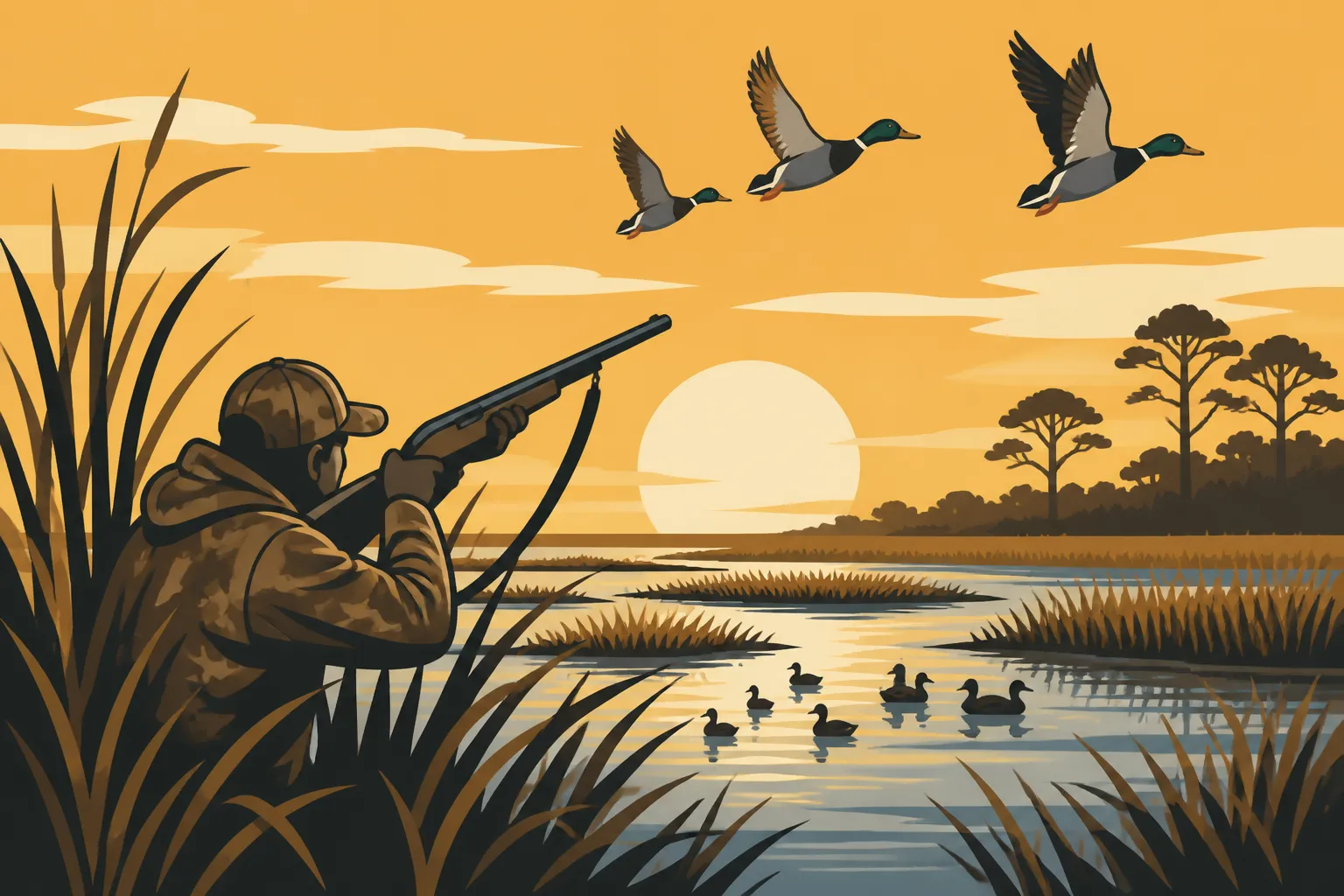
Coastal Mississippi Marsh Waterfowl Access
The coastal marshes of Mississippi offer a truly unique and often overlooked waterfowl hunting experience, but accessing these vast, intricate wetlands can feel like navigating a maze without a map. Many hunters get frustrated by the seemingly endless private tracts, shallow waters, and ever-changing tides, making it tough to even know where to put a boat in, let alone find public ground where ducks are working. This guide is here to unravel those complexities, helping you understand where and how to tap into the incredible potential of coastal Mississippi marsh waterfowl hunting.
The Allure and Challenges of Mississippi's Coastal Marshes
Hunting ducks in the Mississippi Delta's flooded timber or farm fields is one thing, but chasing birds in the salty, brackish waters of our coastal marshes is an entirely different beast. It's a world dominated by spartina grass, tidal creeks, and an array of ducks that thrive in this unique environment. While the crowds might be thinner than some of the more famous duck hunting spots up north, the challenges here demand a specific approach and a deep understanding of the ecosystem.
Unique Ecosystem and Target Species
Our coastal marshes are a dynamic blend of fresh and saltwater, creating a brackish habitat that attracts a different suite of waterfowl than inland areas. Instead of solely focusing on mallards, you'll often find yourself pursuing diverse species that prefer these open, shallow, and often wind-swept environments. Redheads, scaup (bluebills), canvasbacks, pintails, gadwalls, and various species of teal are common winter residents and migrants. We even have a healthy population of resident mottled ducks, often referred to as "black ducks" by locals, which are a true prize. The availability of submerged aquatic vegetation, clams, and small crustaceans in these shallow waters provides a rich food source, drawing birds in by the thousands during peak migration.
However, this unique ecosystem also presents unique challenges. Tides play a massive role, influencing water levels dramatically throughout the day. What might be a perfect puddle in the morning could be a muddy flat by noon. The sparse, reedy cover makes concealment a constant battle, and the sheer vastness of the marsh can be intimidating. You won't find many towering oaks to hide behind here; instead, you'll be working with what the marsh provides, often meaning specialized blinds or careful positioning.
Common Frustrations for Marsh Hunters
Let's be honest, hunting the coastal marshes isn't always easy, and it comes with its own set of frustrations. One of the biggest hurdles is simply knowing where you can legally hunt. Much of the prime marshland is privately owned, leased by clubs, or falls under various conservation easements. Driving around looking for "No Trespassing" signs in a maze of bayous and ditches is not exactly a fun scouting trip. Then there's the terrain itself: shallow water that can bog down conventional outboards, thick mud flats that will steal your waders, and seemingly endless miles of identical-looking grass that can make navigation a nightmare. Many a hunter has found themselves turned around, trying to figure out if that particular bend in the creek was the one they passed an hour ago.
The weather adds another layer of complexity. A strong cold front can send birds pouring in, but it can also whip the marsh into a froth, making boat travel dangerous and hunting uncomfortable. High winds can scatter decoys and make calling difficult. It takes a certain resilience and a good sense of humor to deal with the unpredictability of marsh hunting. But for those who embrace it, the rewards—like a flock of redheads diving into your spread or a mottled duck cupping its wings over a vast, wild landscape—are truly unparalleled.
Navigating Public Access for Waterfowl Along the Coast
Finding public land for waterfowl hunting in coastal Mississippi requires some homework, but it’s definitely doable. You won't find the density of public access points you might in some other states, so knowing the specific areas and their regulations is absolutely paramount. Don't just show up and hope for the best; that's a recipe for frustration and potentially a run-in with law enforcement or an angry landowner.
Key Public Hunting Areas
Mississippi's Gulf Coast offers a few notable areas where diligent hunters can find public access to excellent marsh hunting. The Pascagoula River Wildlife Management Area (WMA) is perhaps the crown jewel for marsh and bottomland hunting in the region. Spanning thousands of acres, it offers a mix of river frontage, cypress swamps, and brackish marsh as it approaches the Gulf. Access often requires a shallow-draft boat, and understanding the river's ebb and flow is crucial. You'll find diverse waterfowl here, from wood ducks deeper in the timber to gadwalls and teal in the more open marsh. Pascagoula River WMA Bottomland Access provides an excellent deep dive into navigating this specific WMA, which is a fantastic resource.
Another significant area is the Grand Bay National Estuarine Research Reserve and its associated wildlife management areas like the Grand Bay WMA. While primarily focused on research and conservation, certain portions do allow public hunting for waterfowl under specific regulations. These areas are truly wild, vast expanses of tidal marsh, often requiring extensive boat travel to reach productive spots. Keep an eye out for areas managed by the U.S. Fish and Wildlife Service, which might offer limited, permit-based hunting opportunities on National Wildlife Refuges in the region. Always check the MDWFP website or the specific refuge's regulations for current rules and hunt dates, as these can change annually. When exploring such vast territories, mapping tools like onX Hunt become indispensable. They allow you to clearly see public and private land boundaries, designate access points, and even mark potential hunting spots, saving you countless hours of guesswork and preventing accidental trespass.
Understanding Regulations and Permits
Hunting public land in Mississippi, especially on WMAs, often comes with specific requirements beyond your standard state hunting license and federal duck stamp. You'll almost certainly need a WMA Permit, which is an annual permit specifically for hunting on state Wildlife Management Areas. Mississippi WMA Permit Requirement is a good resource to ensure you have all your ducks in a row for this. Beyond that, always check the specific regulations for the Pascagoula River WMA or any other coastal WMA you plan to hunt. These WMAs can have unique rules regarding hunting hours, boat motor restrictions, legal firearms, and even entry/exit points. Some might require daily sign-in or check-out, especially during quota hunts or specific seasons.
Mississippi also mandates HIP (Harvest Information Program) Certification for all migratory bird hunters, a federal requirement. Make sure you complete this short survey annually. Mississippi HIP Certification for Bird Hunters explains this in more detail. Of course, you'll need your state hunting license, which varies for residents and non-residents, and a current federal duck stamp. Mississippi Hunting Licenses and What They Cost will give you the breakdown on those. Always carry proof of all your licenses and permits, preferably with physical copies or easily accessible digital versions on your phone.
The Delta Unit has its own set of deer regulations, as does the Hills Unit. Mississippi Waterfowl Zones and Seasons and Mississippi Duck Zone Split Rules are crucial reads to ensure you're hunting within legal dates for the coastal zone. Remember, waterfowl regulations are federal and state, so always double-check dates, bag limits, and species restrictions before you head out. Mississippi Duck Daily Bag Limit provides the specific numbers you need to be aware of for a successful and legal hunt.
Essential Tools and Techniques for Marsh Hunting Success
Diving into coastal marsh hunting demands a slightly different toolkit and mindset than your typical deer stand or flooded timber duck hunt. The unique environment dictates specialized gear and tactics to effectively pursue the variety of waterfowl found here. It's about blending in, moving efficiently, and understanding the nuances of these open water and grass habitats.
Specialized Boats and Navigation
Forget your deep-V fiberglass boat for marsh hunting. What you need here is something that can handle extremely shallow water, navigate tight creeks, and, most importantly, get you unstuck from mud flats. That often means a shallow-draft aluminum boat with a mud motor (surface drive or longtail). These motors are designed to power through vegetation and over incredibly shallow bottoms, pushing you where conventional outboards would be chewing mud or worse, completely stuck. For even more stealth and access to the absolute shallowest pockets, kayaks or canoes are becoming increasingly popular. They allow for silent entry into remote ponds and sloughs that are inaccessible to even mud motors, though they limit the amount of gear and decoys you can carry.
Navigation is paramount. The marsh can look incredibly monotonous, with one grass line blending into another. A reliable GPS unit, either a handheld device or a robust app like onX Hunt on your phone or tablet, is non-negotiable. With onX Hunt, you can download offline maps beforehand (essential, as cell service is often nonexistent), mark your launch point, trace your route in, and drop pins on productive spots or potential hazards like oyster beds or hidden stumps. This not only keeps you from getting lost but also helps you revisit hot spots and refine your approach over multiple hunts. Planning your route, even visually identifying distant landmarks, can save you hours of circling.
Decoy Spreads and Calling
Marsh ducks are often different from timber ducks, and your decoy spread should reflect that. While a few mallards might be in your spread, consider focusing on diver ducks (redheads, scaup, canvasbacks) or a mix that includes gadwalls and pintails, which are frequently found in brackish environments. Diver decoys are typically larger and ride higher on the water, making them visible from a distance in open water. For puddle ducks, a mix of teal, gadwalls, and some mottled ducks (if you can find realistic decoys) will entice passing birds. Spreads are often more open and scattered in the marsh, mimicking feeding birds in a wide-open area. A long line of diver decoys leading into a pocket of puddle ducks can be highly effective.
Calling in the marsh also differs. The open environment means sounds carry further, so you might not need to call as aggressively or loudly as in heavy timber. Focus on realism and variety. Diver calls, like the "purr" of a redhead or the rolling "brrrr" of a canvasback, are vital. For puddle ducks, soft quacks, feeding chuckles, and the distinctive "raspy" quack of a mottled duck can be incredibly effective. Pay attention to what the birds are doing; sometimes, less is more, while other times, a lively feeding chatter can draw them in. The wind can be your biggest challenge, so adjust your calling volume and direction accordingly.
Concealment and Comfort
Concealment in the marsh can be tough. There are few natural blinds. You'll often be relying on natural vegetation, like tall cordgrass (spartina), or specialized marsh blinds. Layout blinds can work if you have a solid, dry spot, but often you'll be building makeshift blinds from natural materials or using a boat blind specifically designed to blend in with marsh grass. Camouflage patterns that mimic marsh grasses and reeds are ideal. Don't forget to break up your outline, and pay close attention to shadows, especially with the sun low on the horizon.
Comfort is also key. The coastal weather can swing wildly, from surprisingly warm to bone-chillingly cold and wet. Layering is essential. Waterproof and windproof outerwear is a must, as you'll be exposed to the elements, often with spray from boat travel. Good waders are critical, as you'll be wading through soft mud and shallow water to set decoys or retrieve birds. Insulated, waterproof boots are worth their weight in gold. And don't forget bug spray during warmer hunts or if you're out scouting; mosquitoes and no-see-ums can be brutal.
Planning Your Hunt: Tides, Weather, and Local Knowledge
Success in the coastal marsh isn't just about gear and knowing where to go; it's heavily dependent on timing. The ebb and flow of the tides, the whims of the weather, and a good dose of local knowledge can make or break your hunt. Ignoring these factors is like trying to drive a boat with no rudder – you'll eventually drift off course.
The Critical Role of Tides
If you take one thing away from planning a marsh hunt, let it be this: understand the tides. Tides dictate everything: water levels for boat access, how birds feed and rest, and even how exposed your blind might be. A rising tide can bring water into shallow feeding flats, encouraging ducks to move in. A falling tide can pull water out, concentrating birds into deeper sloughs or exposing mud flats where they can loaf and preen.
Before every hunt, consult a reliable tide chart for your specific area. Local bait shops or online marine weather forecasts often provide this information. You need to know the times of high and low tide and the predicted height of the water. This will help you plan your entry and exit (avoiding getting stranded on a mud flat at low tide!), choose your hunting spot, and anticipate bird movement. For example, if you know a high tide is coming, you might set up closer to expansive grass flats, expecting birds to push in with the rising water. Conversely, during a falling tide, focus on deeper channels or pockets where birds will concentrate. Wind can also significantly influence tide levels, either pushing water further in (a "wind tide") or sucking it out, so factor that into your planning.
Weather Patterns and Bird Movement
Just like anywhere else, weather is a huge factor in coastal Mississippi waterfowl hunting. Cold fronts are often your best friend, especially if they follow a period of mild weather. A strong push of cold air from the north can bring new flights of ducks down the Mississippi Flyway, giving you fresh birds to work. Conversely, warm, still days can make hunting slow and challenging, as birds might be loafing or spread out. Duck Migration Timing Through Mississippi delves deeper into when these bird movements typically occur.
Wind is another critical element. A moderate breeze can be a blessing, creating ripples on the water that hide your decoys and making birds more likely to fly. However, strong winds can make boat travel dangerous, scatter decoys, and make calling incredibly difficult. High winds also make birds fly lower and faster, requiring quicker reactions. Rain can be a mixed bag; light drizzle can sometimes improve hunting by making birds less wary, but heavy downpours can shut down activity and make conditions miserable. Always check the forecast carefully and be prepared for changes. Hypothermia is a real risk when exposed to cold wind and water, so layered, waterproof clothing is not just a comfort item, it's a safety necessity.
The Value of Scouting and Local Knowledge
There's no substitute for time spent scouting. This isn't always easy in the marsh, but it's crucial. Take non-hunting trips by boat or kayak to learn the lay of the land, identify potential entry points, and look for signs of bird activity: loafing areas, feeding patterns, and flight paths. Glassing from a distance with binoculars can reveal a lot without disturbing the birds. Pay attention to subtle features like changes in vegetation, deeper cuts in the marsh, or areas with exposed mud banks that might attract birds at different tide levels.
While you won't always find locals willing to spill their secret spots, talking to fishermen, crabbers, or even other hunters (respectfully!) can provide invaluable insights into bird movements or challenging access points. Sometimes, simply observing boats coming and going from public launches can give you clues about where people are finding success. Online forums or local sporting goods stores might offer some nuggets of wisdom. Remember that a great scouting tool like GoHunt can help you with general species information and behavior patterns, though for precise, real-time coastal marsh conditions, on-the-ground recon and a good mapping app are your best bets. The more you explore, the more you learn, and the better your chances of encountering those incredible coastal marsh waterfowl.
| Feature | Shallow-Draft Aluminum Boat w/ Mud Motor | Kayak/Canoe |
|---|---|---|
| Access Depth | Extremely shallow (inches of water/mud) | Very shallow (paddled over mud) |
| Speed | Moderate to fast | Slow, paddle-powered |
| Gear Capacity | High (decoys, blind, dog, multiple hunters) | Low (minimal decoys, one hunter) |
| Stealth | Moderate (mud motors can be loud) | Very High (silent paddling) |
| Navigation Ease | Good (with GPS/mapping app) | Excellent (easy to maneuver) |
| Weather Impact | Moderate (can handle some chop) | High (wind and waves are major issues) |
| Cost | High (boat + specialized motor) | Low to Moderate |
| Primary Use | Accessing remote marsh, large spreads | Stealthy entry, jump-shooting |
Disclaimer
This article is for general informational purposes only and does not constitute professional advice. Laws, prices and regulations vary by location and change over time. Consult a qualified professional for guidance on your specific situation.