Small Syndicate Leases Versus Big Clubs
For many Mississippi hunters, the dream involves a consistent piece of ground to call their own, a place where they can scout, plant, and pursue game year after year. However, navigating the landscape of private land access in the Magnolia State can feel overwhelming, with two primary models often presenting themselves: the tight-knit, often more informal small syndicate lease or the larger, more structured hunting club. This guide aims to thoroughly break down the nuances of each, helping you understand which path might best align with your hunting philosophy, budget, and desired level of commitment.
Understanding the Landscape: Small Syndicate Versus Big Club Culture
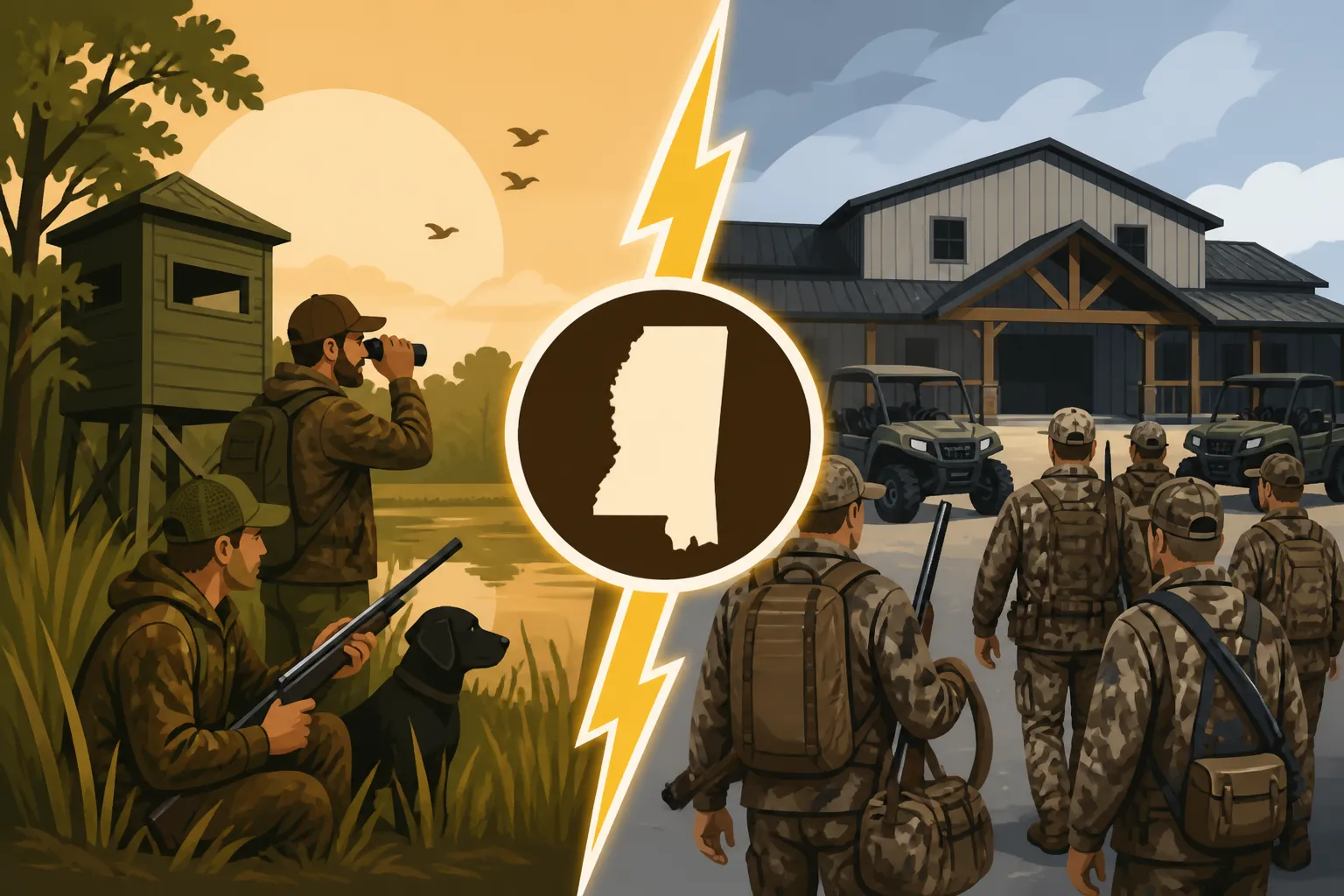
Deciding how you want to secure private land hunting access in Mississippi often comes down to a fundamental choice between two distinct cultural approaches: the small, intimate syndicate lease and the sprawling, amenity-rich hunting club. Both offer hunters a chance to get away from public land pressure and cultivate a consistent hunting experience, but they do so in wildly different ways. It’s not just about the size of the land or the number of members; it’s about the entire philosophy of how a group of hunters operates, shares responsibility, and manages a resource.
What Defines a Small Syndicate Lease?
A small syndicate lease, at its heart, is a handful of hunters—often close friends or family—pooling resources to lease a tract of private land. Think of it as a partnership where every member usually has a direct, hands-on stake in every aspect of the hunting operation. This isn't just about sharing a stand; it's about sharing the sweat equity, the decision-making, and the camaraderie that comes from working together on a smaller scale. You're typically looking at anywhere from two to maybe five or six individuals who collectively agree on rules, work assignments, and how the land will be managed for deer, turkeys, or hogs.
For example, on a 200-acre tract leased by three buddies in the Delta, every single food plot is a joint effort. They might split the cost of seed, spend weekends together running a tractor, and collaboratively decide where to hang trail cameras. This direct involvement often leads to a deep understanding of the property and a strong sense of ownership. The rules are usually less formal, often agreed upon over coffee or around a campfire, and direct communication is key to resolving any issues that arise. You won't find a formal board of directors or a strict hierarchy; rather, it’s a democratic process where everyone's input carries significant weight.
The Structure of a Big Hunting Club
On the other end of the spectrum, big hunting clubs in Mississippi are often much larger organizations, sometimes boasting dozens of members spread across substantial acreage, occasionally thousands of acres. These clubs typically operate with a more formal structure, resembling a small business or a non-profit association. You’ll usually find elected officers—a president, secretary, treasurer—who manage the club’s finances, rules, and long-term planning. There are often committees dedicated to specific tasks like habitat management, food plot planting, or lodge maintenance.
Consider a 1,500-acre club in the Piney Woods with 30 members. This scale often necessitates paid help, like a land manager or even a lodge cook during peak season. Members pay annual dues, and those funds cover everything from lease payments and insurance to utilities for a communal lodge, heavy equipment for food plots, and even protein feeders. While members still hunt the land, their involvement in the day-to-day management might be less direct than in a syndicate. Instead of everyone planting their own plot, there might be a scheduled "work day" where everyone contributes, or some tasks might be handled entirely by dedicated staff or contractors. The rules are usually codified in a set of bylaws, ensuring consistency and fairness across a larger group of diverse personalities and hunting styles.
The Allure of Small Syndicate Leases
There’s a certain charm to the small syndicate lease that resonates deeply with many hunters. It’s often touted as the "purest" form of private land hunting, offering an unparalleled level of personal connection to the land and the hunting companions you share it with. This setup fosters a unique blend of intimacy, shared purpose, and direct control over your hunting experience that can be hard to replicate in larger organizations.
Deep Camaraderie and Shared Responsibility
One of the most appealing aspects of a small syndicate lease is the intense camaraderie it cultivates. When you're sharing a lease with just a few trusted friends or family members, every success is celebrated collectively, and every challenge is tackled as a team. Imagine spending a weekend in late summer, clearing shooting lanes and planting a deer plot, then grilling steaks as the sun sets. These shared experiences forge bonds that go far beyond just hunting; they create lasting friendships and family traditions.
This close-knit group also thrives on shared responsibility. Everyone pulls their weight, whether it's checking trail cameras, maintaining existing stands, or collaborating on a new timber stand improvement project. If a storm blows through and knocks down trees blocking access, everyone is on the phone coordinating a clean-up. This isn't just about fairness; it's about mutual respect and a collective investment in the health of the property and the quality of the hunting. You know who you're hunting with, you understand their habits, and there's a strong sense of accountability to each other to maintain ethical hunting practices and contribute to the lease's upkeep. This often leads to less conflict and more enjoyment, as everyone is truly invested in the success of the group.
Hands-On Land Management and Flexibility
Another significant draw of the small syndicate is the direct, hands-on control you have over land management decisions. There's no bureaucratic red tape or a lengthy voting process to decide on a new food plot location or a prescribed burn. If you and your partners agree that a particular area needs a specific type of habitat improvement, you can often implement it quickly. This autonomy allows for highly tailored management strategies that directly benefit the species you're targeting and fit the specific features of your leased property. Perhaps you're focused on improving deer habitat on Mississippi leased land or trying to get a jump on Trapping Mississippi Feral Hogs in a specific bottomland area; a small syndicate allows for that nimble decision-making.
Furthermore, small syndicates offer a remarkable degree of flexibility in how you hunt. Rules about stand rotation, guest hunters, or specific hunting times can be much more fluid and adaptable to the group's preferences. For example, if one member has a child who wants to try Hunting the Mississippi Youth Gun Weekend, the group can easily adjust schedules and stand assignments to accommodate them without complex approvals. This adaptability extends to what game you pursue and how you pursue it. If the turkeys are calling hot, the group can shift its focus from deer to spring gobblers. This direct control means the lease truly reflects the hunting priorities and values of its members.
Cost Structure and Potential Downsides
Financially, a small syndicate lease can sometimes be more cost-effective per hunter than a large club, especially if the group is willing to put in significant sweat equity. The primary costs usually involve the lease payment itself, insurance, and shared expenses for things like food plot seeds, fertilizer, and basic tools. Since there are fewer members, these costs are split among fewer people. However, it’s crucial to understand that while the per-person cash outlay might be lower for some aspects, the personal time and labor investment is often significantly higher.
One common downside, however, is the reliance on a small group. If one member decides to leave, or if there's a disagreement, it can significantly impact the remaining partners, potentially leaving a larger financial burden or a gap in labor. Communication is paramount, and a strong, agreed-upon framework for finances and conflict resolution is vital to prevent issues from festering. You also might not have access to the same level of heavy equipment or amenities (like a full-service lodge) that a larger club might offer, requiring more improvisation or personal investment in gear. For those looking for lease opportunities, checking platforms like BookYourHunt or GoHunt can sometimes reveal smaller, available tracts, but often these are found through word-of-mouth or direct landowner contact.
The Advantages of Joining a Big Hunting Club
While small syndicates offer intimacy, big hunting clubs provide a different set of compelling advantages, particularly for hunters who prioritize convenience, extensive amenities, and a diverse hunting experience without the heavy burden of day-to-day management. These clubs represent a significant investment, but for many, the benefits far outweigh the costs and the less intimate atmosphere.
Extensive Amenities and Infrastructure
One of the most immediately noticeable benefits of joining a large hunting club is the sheer scale of amenities and infrastructure often available. These clubs frequently boast well-maintained access roads, numerous food plots that are professionally planted and managed, established shooting houses and ladder stands scattered across the property, and often a communal lodge with sleeping quarters, a kitchen, and a gathering area. Imagine arriving at deer camp after a long drive, and instead of pitching a tent or squeezing into a small cabin, you have a comfortable bed, hot showers, and a fully equipped kitchen waiting for you. This level of comfort can greatly enhance the overall hunting experience, especially during extended stays.
Many large clubs also have dedicated equipment like tractors, disk harrows, and planters for habitat work, eliminating the need for individual members to own or rent such machinery. This not only saves money but also ensures that habitat projects are executed efficiently and effectively. Furthermore, some clubs might have specialized facilities like walk-in coolers for game processing, cleaning stations, or even dedicated dog kennels for those who run hounds for deer or hogs. This robust infrastructure means less hassle for individual members, allowing them to focus more on hunting and less on the logistical challenges of land management.
Diverse Hunting Opportunities and Management
With larger tracts of land, big hunting clubs naturally offer a more diverse range of hunting opportunities. This can mean varying terrain, different types of timber, and a wider array of food plots and natural browse. For example, a club might encompass both bottomland hardwoods perfect for Hunting Delta Unit Bottomland Deer and elevated pine ridges, providing different hunting experiences within the same property. This diversity allows hunters to adapt their tactics based on weather conditions, time of season, and game movement.
Many large clubs also employ professional land managers or consultants who implement comprehensive wildlife management plans. These plans often focus on fostering healthy deer populations with balanced age structures and improved genetics, sometimes leading to more opportunities for harvesting mature bucks that meet specific antler restrictions like the Delta Unit Twelve-Inch Spread Rule Explained. The collective effort in managing deer populations, implementing year-round feeding programs, and controlling predators can result in consistently higher quality hunting. While a small syndicate can certainly manage its land well, a big club often has the resources and expertise to execute management plans on a grander scale, potentially leading to more consistent trophy opportunities over time.
Structured Rules and Reduced Conflict
While some hunters might find the formal rules of a big club restrictive, many others appreciate the clear structure and reduced potential for conflict. With a larger group, having explicit bylaws and a defined chain of command helps prevent misunderstandings and ensures fairness. Rules regarding stand reservations, guest policies, game harvest reporting (like Reporting a Deer Through Mississippi's App), and vehicle use are typically in writing and enforced. This predictability means fewer surprises and less friction among members.
For instance, knowing that there's a strict policy on when you can scout a particular area or that specific rules govern the number of bucks a member can harvest can alleviate tension. If an issue does arise, there’s a clear process for resolution, often involving the club officers, rather than relying on informal conversations that can sometimes escalate in smaller groups. This structured environment creates a more predictable and often less stressful hunting experience, especially for those who prefer to focus purely on the hunt rather than interpersonal dynamics or administrative tasks.
Cost Structure and Potential Drawbacks
The membership dues for a large hunting club in Mississippi are typically significantly higher than the per-person costs of a small syndicate lease. These dues cover everything from the expensive lease payments on vast acreage to the maintenance of extensive infrastructure, salaries for managers, and insurance. It's an all-inclusive fee that buys you access to amenities and professionally managed land, but it comes at a premium. Before committing, it's wise to ask What Mississippi Club Dues Actually Cover to understand the full value proposition.
A potential drawback for some hunters is the decreased sense of personal ownership and the less intimate social environment. With many members, you might not know everyone well, and the camaraderie might not be as deep as in a small syndicate. You also have less direct control over management decisions; while you might have a voice, the ultimate choices rest with the club's leadership or management plan. The trade-off is often convenience and access to quality hunting without the heavy workload, but for those who cherish the hands-on aspect, this can feel like a compromise. When researching, platforms like GoHunt and BookYourHunt can sometimes provide insights into available club memberships or large tracts of land that clubs might be leasing, giving you a starting point for exploring these options.
Making the Right Choice for Your Mississippi Hunting Style
Choosing between a small syndicate lease and a big hunting club really boils down to your personal priorities as a hunter. There's no single "better" option; only the one that aligns best with your budget, your desire for involvement, and the kind of hunting experience you truly seek.
Consider these factors as you weigh your options:
| Feature | Small Syndicate Lease | Big Hunting Club |
|---|---|---|
| Membership Size | 2-6 (typically close friends/family) | 10-50+ (diverse group, potentially less personal) |
| Cost Per Member | Generally lower cash outlay, higher sweat equity | Generally higher cash outlay, lower sweat equity |
| Land Management | Very hands-on, direct control, shared tasks | Often professional management, less direct member input |
| Amenities | Basic, self-provided, shared effort for improvements | Extensive (lodge, roads, equipment), maintained by club |
| Decision Making | Democratic, informal, quick adaptation | Formal, hierarchical, bylaws-driven, slower changes |
| Social Aspect | Deep camaraderie, intimate, strong personal bonds | Diverse social scene, less personal, more structured |
| Flexibility | High, easy to adapt to group needs | Lower, adherence to established rules and schedules |
| Workload | High personal involvement, shared chores | Lower individual workload, structured work days possible |
| Conflict Resolution | Relies on direct communication, mutual respect | Formal process through club officers and bylaws |
| Best For | DIY hunters, close friends/family, hands-on control | Convenience, amenities, diverse opportunities, less management burden |
Reflecting on Your Hunting Priorities
Before you even start looking at specific opportunities, take some time to really think about what you want out of your hunting season. Are you someone who loves the process of planting food plots, running trail cameras, and constantly improving habitat? Do you cherish the quiet intimacy of hunting with a couple of trusted friends, sharing stories around a modest campfire? If so, the hands-on approach and deep personal connection of a small syndicate lease might be your ideal fit. This path offers incredible rewards for those willing to put in the time and effort, fostering a sense of accomplishment that goes beyond just the harvest.
On the other hand, perhaps your time is limited due to work or family commitments, and you prefer to arrive at camp knowing everything is ready to go. Do you value comfort and convenience, with amenities like a well-stocked lodge, maintained roads, and pre-set stands? Are you looking for a diverse property with a professionally managed deer herd, even if it means less direct involvement in the day-to-day operations? If your priority is a seamless, well-resourced hunting experience with a structured environment, a big hunting club could be the perfect solution. It allows you to maximize your hunting time, leveraging the collective investment of many members and professional management.
The Financial and Time Investment
Another crucial consideration is your available financial resources and the amount of time you’re willing to commit. Small syndicates often require less upfront cash per member, but demand a higher investment of personal time and labor. You’ll be responsible for tasks like stand maintenance, food plot work, and general upkeep. This is a great option for those who enjoy the "work" of hunting as much as the "hunt" itself.
Big clubs, conversely, require a larger financial commitment through annual dues, but they typically free up your time by handling most of the management and maintenance tasks. You're paying for convenience, infrastructure, and often professional wildlife management. It’s a trade-off: more money, less time investment in chores; or less money, more personal time and labor. Be honest with yourself about your budget and how much time you genuinely want to spend on non-hunting tasks on the property. Sometimes, Finding a Mississippi Hunting Lease can involve a mix of both, but understanding your core preference will guide your search.
Ultimately, both small syndicate leases and large hunting clubs offer fantastic opportunities to enjoy hunting private land in Mississippi. The key is to understand what each model brings to the table and to choose the one that truly complements your individual hunting style and life circumstances. Whether you find your spot through networking, an online search, or by leveraging resources like BookYourHunt or GoHunt, making an informed decision will lead to a more fulfilling experience in the Mississippi woods.
Disclaimer
This article is for general informational purposes only and does not constitute professional advice. Laws, prices and regulations vary by location and change over time. Consult a qualified professional for guidance on your specific situation.