Trapping Mississippi Feral Hogs
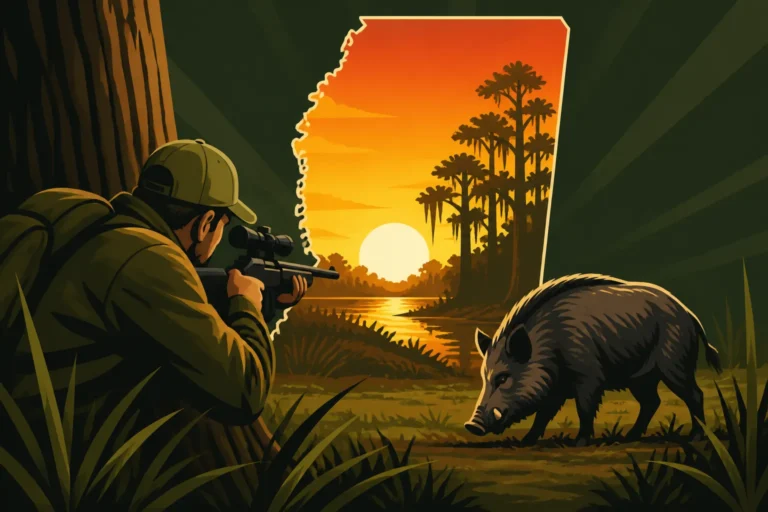
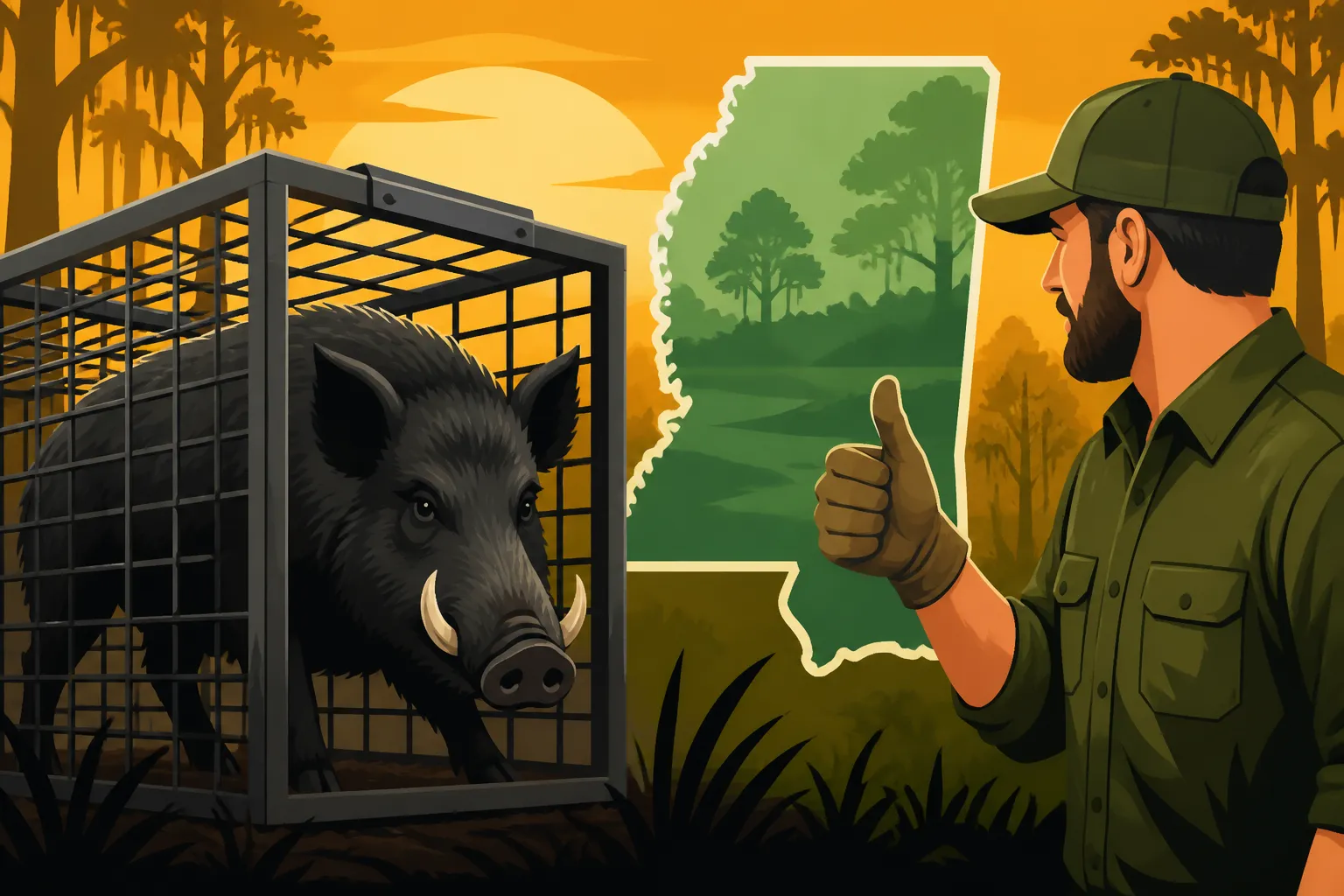
Dealing with feral hogs in Mississippi can feel like a never-ending battle. These intelligent, destructive creatures decimate crops, tear up valuable timberland, and compete directly with native wildlife for food, leaving a trail of frustration and economic loss in their wake. If you’re a landowner or hunter in Mississippi, you know the struggle is real. This guide is dedicated to equipping you with robust, effective strategies for trapping Mississippi feral hogs, moving beyond reactive hunting to proactive population management that can truly make a difference on your land.
Understanding the Feral Hog Problem in Mississippi
Before you can effectively trap feral hogs, it’s crucial to understand the scope of the problem and the unique challenges these animals present in our state. Mississippi's warm climate, abundant food sources, and expansive forests and agricultural lands create ideal conditions for feral hog populations to thrive and expand at an alarming rate.
Why Hogs Are Such a Menace
The sheer destructive capacity of feral hogs is difficult to overstate. They are true ecosystem engineers, but in the worst possible way, tearing up thousands of dollars worth of agricultural fields overnight. Think about a prime soybean field in the Delta: a sounder of hogs can root through acres in a single night, destroying the planted crop and setting farmers back significantly. Beyond agriculture, their rooting behavior disrupts natural habitats, damages sensitive wetlands, and pollutes water sources. They compete with native wildlife like white-tailed deer and wild turkeys for acorns and other mast, putting additional pressure on our cherished game species. Moreover, feral hogs are known carriers of numerous diseases, some of which, like swine brucellosis and pseudorabies, can be transmitted to livestock, pets, and even humans, posing significant biosecurity risks to our agricultural community. The problem is rampant across the state, with Which Mississippi Counties Have the Most Hogs often experiencing the highest densities and associated damage.
Legality of Trapping in Mississippi
One of the few silver linings when it comes to feral hogs is that the Mississippi Department of Wildlife, Fisheries, and Parks (MDWFP) recognizes them as a destructive nuisance, meaning they can be hunted and trapped year-round with no bag limits on private land. This is a huge advantage for landowners and wildlife managers, as it removes many of the seasonal restrictions and bureaucratic hurdles associated with other game animals. On public lands, however, regulations can vary significantly, often aligning with specific game seasons or requiring special permits. It's always essential to check the rules for the specific Wildlife Management Area (WMA) or National Forest you plan to hunt or trap. For private land, the key is having landowner permission. Without it, you cannot trap. It’s important to familiarize yourself with the full scope of Mississippi Feral Hog Regulations to ensure you're always operating within the law.
Hog Behavior and Biology Insights for Trapping
To outsmart these incredibly intelligent animals, you need to think like a hog. Feral hogs are largely nocturnal, especially in areas with human pressure, meaning they’ll primarily move, feed, and interact with your traps under the cover of darkness. They live in social groups called "sounders," which can range from a few individuals to dozens, typically led by an older sow. This social structure is vital for trapping; if you can catch the lead sow, you often have a much better chance of capturing the entire sounder. Hogs are also highly adaptable omnivores, eating almost anything from roots and tubers to insects, small animals, and agricultural crops. Their incredible reproductive rate is perhaps their most defining biological trait; sows can breed at six months old and have multiple litters of 4-12 piglets per year. This is why you constantly hear that if you see one hog, there are likely many more you aren’t seeing. Understanding Why Delta Hogs Reproduce So Fast helps contextualize the uphill battle, but also reinforces why persistent trapping is so critical.
Essential Gear and Setup for Hog Trapping
Successfully trapping feral hogs requires more than just luck; it demands the right tools and a strategic approach to trap deployment. Investing in quality equipment and understanding its proper use will significantly increase your success rate and efficiency.
Choosing the Right Trap Type
When it comes to traps, you generally have two main categories: box traps and panel traps. Each has its own strengths and weaknesses.
- Box Traps: These are typically smaller, enclosed traps, often made of heavy-gauge wire mesh or steel. They come in various sizes, from single-catch traps to larger models capable of holding several hogs. Box traps are generally more portable and can be easier to set up by a single person. They are excellent for catching smaller sounders or individual "rogue" hogs. However, their enclosed nature can sometimes make larger, more wary sounders hesitant to enter, and their capacity is limited. If you’re dealing with a smaller property or isolated groups, a sturdy box trap might be your go-to.
- Panel Traps (Circular or Figure-8): These larger, more elaborate traps are constructed from multiple heavy-duty cattle panels, forming a large enclosure, often circular or figure-eight in shape. They are designed to catch an entire sounder at once. The open design, often without a roof (or a simple mesh cover), makes them less intimidating to hogs, encouraging multiple animals to enter freely. Panel traps, especially when paired with remote trigger systems, have proven to be the most effective method for population control. They require more effort to set up and transport but offer unparalleled capacity. Many hunters find resources and reviews on advanced trapping systems, and platforms like GoHunt can be excellent for researching different models and user experiences before making a significant investment.
| Trap Type | Pros | Cons | Best Use Case |
|---|---|---|---|
| Box Trap | Portable, easier to set up, good for smaller groups. | Limited capacity, can be intimidating to larger sounders. | Small properties, isolated hogs, beginners. |
| Panel Trap | High capacity (entire sounder), less intimidating. | Less portable, more complex setup, higher initial cost. | Large properties, significant hog populations, advanced trapping. |
Understanding Trap Components and Features
Regardless of the type you choose, understanding the core components of a hog trap is crucial.
- Gates: This is where the magic happens. Common gate types include:
- Rooter Gates: These are typically one-way swing gates that hogs can push open to enter but cannot push back out. They are simple, reliable, but once a hog is in, it's difficult for others to enter without forcing it open further.
- Drop Gates: These gates fall from the top, sealing the entrance once triggered. They are highly effective but often require a strong trigger mechanism.
- Saloon/Snare Gates: Two swinging doors that open inward but do not swing outward. Hogs can push through, but can't push back out.
- Spring-Loaded or Remote-Controlled Gates: These are the most advanced and effective, especially for panel traps. They allow you to watch a live feed from a cellular trail camera and trigger the gate closure remotely once the entire sounder is inside. This maximizes your catch rate and minimizes the chances of educating hogs.
- Trigger Mechanisms: These activate the gate closure. Basic traps might use a trip wire or a rooter plate that the hog steps on. More advanced systems, often used with panel traps, integrate cellular game cameras that send live images or videos to your phone. You can then use an app to remotely trigger the gate when all target hogs are safely inside, preventing "trap-shy" hogs from escaping and educating the others. This level of technology helps capture an entire sounder rather than just a few individuals.
- Construction Material: Hog traps need to be incredibly robust. Look for heavy-gauge steel panels or welded wire that can withstand the immense strength of a thrashing hog. Thin wire or flimsy construction will quickly fail, leading to escapes and damaged equipment. Durability is key; these traps take a beating.
Site Selection for Trap Placement
Where you place your trap is just as important as the trap itself. You want to choose a location that hogs already frequent and feel comfortable in.
- Scouting for Sign: Before setting up, spend time scouting. Look for fresh rooting activity, which indicates recent feeding. Search for distinct hog tracks, particularly around water sources like creeks, sloughs, or ponds. Muddy wallows are also tell-tale signs of hog presence. Pay attention to rub marks on trees or posts, indicating hogs scratching themselves.
- Travel Corridors and Funnels: Hogs, like deer, tend to use consistent travel routes between bedding, feeding, and watering areas. Look for natural funnels created by dense cover, timber lines, fencerows, or topography that force hog movement into a narrow path. Setting your trap along these routes increases the likelihood of interception.
- Proximity to Water and Cover: Hogs need water daily and prefer to bed in thick, impenetrable cover during the day. Placing a trap near a reliable water source or on the edge of a dense thicket where hogs feel secure can be very effective. Observing where they enter and exit thickets can reveal prime trap locations. Consider using digital mapping tools or aerial photos, possibly found through platforms like GoHunt, to identify these patterns and potential ambush points from above.
Effective Trapping Strategies and Placement
Once you've got your gear and a good location, the real work begins. Trapping hogs isn't about setting it and forgetting it; it's a careful, patient process that relies on conditioning these wily animals to enter your trap.
Pre-Baiting for Success
This is perhaps the single most critical step in effective hog trapping. Hogs are smart; they are naturally wary of new objects in their environment. Simply setting a trap and baiting it might catch a few curious juveniles, but the older, more experienced hogs, especially the lead sows, will be much harder to fool. Pre-baiting solves this problem by habituating them to the bait source and the trap location.
Start by distributing bait directly on the ground in your chosen trap site for several nights, without any trap present. This gets the hogs accustomed to feeding in that specific spot. Once they are consistently hitting the bait, introduce your trap, but leave the gate wide open and secured in an open position. Continue baiting heavily, scattering it both inside and outside the trap, ensuring there's an easy, non-threatening path for them to get to the food. The goal is to make the hogs completely comfortable entering and exiting the trap as if it were just another feeding area. This phase can take anywhere from a few days to a couple of weeks, depending on the hogs' wariness and pressure in the area. Patience here pays off immensely.
The "Closed Gate" Conditioning Method
A more advanced pre-baiting technique, particularly effective for panel traps, is the "closed gate" conditioning method. Instead of leaving the gate wide open, you might initially secure the gate in a closed position or only partially open it. This allows hogs to get comfortable feeding around the trap, smelling the bait, and seeing the structure without feeling forced to enter immediately. As they get more comfortable, gradually open the gate wider over several nights, always ensuring ample bait both inside and outside.
Another variation of this involves placing bait just outside a closed gate, forcing the hogs to nose around the structure repeatedly. This builds curiosity and reduces their apprehension towards the trap itself. Eventually, when you decide to open the gate and bait heavily inside, the hogs' desire for the food will override their initial caution. The principle is simple: make them trust the area, then the bait, then the structure, and finally, the interior of the structure. This is especially useful in areas where hogs are particularly pressured or trap-shy.
Deploying and Securing Your Trap
Once you've successfully pre-baited and the hogs are consistently entering the trap, it's time for deployment. This step needs to be done carefully to avoid disturbing the area too much.
- Leveling and Anchoring: Ensure your trap is level and stable. Hogs are incredibly strong and will try to flip or push their way out. Anchor the trap securely to the ground using heavy-duty stakes, T-posts, or even by wiring it to nearby trees. You don't want a caught hog to escape or damage your equipment.
- Camouflage: While hogs aren't known for their eyesight, making the trap blend into its surroundings can help reduce wariness. Use natural vegetation, limbs, or even camouflage netting around the outside of the trap, especially if it's a newer, shiny metal. Avoid making it look too "new" or out of place.
- Minimizing Human Scent: Hogs have an incredible sense of smell. Try to minimize your scent by wearing clean clothes, rubber boots, and gloves when handling the trap or bait. Some trappers even "wash" their traps with dirt or mud to give it a more natural odor.
- Setting the Trigger: When you're ready to make the catch, carefully set your trigger mechanism. If it's a trip wire, ensure it's at the appropriate height for a hog to activate it without being easily seen. If using a remote system, double-check that your camera and trigger are working correctly and that you have a good signal. The aim is to only trip the gate when the entire sounder is inside, which a remote system like those reviewed on GoHunt can enable.
Baiting Techniques and Attractants
The right bait can make or break your trapping efforts. Feral hogs are opportunistic feeders, but certain attractants are simply more effective at drawing them in and keeping them coming back.
Top Hog Baits for Mississippi
Hogs have an excellent sense of smell, and they're highly motivated by food, especially fermented or strong-smelling options.
- Fermented Corn (Sour Corn): This is the undisputed king of hog baits. Take a 5-gallon bucket of dry corn, add water to cover, and let it ferment for several days (or even a week) in the sun. The fermentation process creates a strong, sour odor that hogs find irresistible. Just be warned, humans might not share the same enthusiasm for the smell! The longer it ferments, the stronger the smell and attraction. Many trappers in Mississippi swear by sour corn as their primary attractant, especially given its cost-effectiveness compared to commercial options. For more specific local insights, you might research What Hog Trappers Use in Mississippi.
- Commercial Attractants: There's a wide range of commercial hog attractants on the market, from concentrated liquid scents to powdered mixes designed to mimic natural food sources or pheromones. Brands like Hog Wild, Hog Stop, or Wild Hog Explosion offer various options. While often more expensive than sour corn, they can be highly effective, especially when used in conjunction with corn or other feeds.
- Food Scraps and Sweets: Hogs love sweets and high-energy foods. Stale donuts, old pastries, discarded candy, or even rotten fruit can be potent attractants. Farmers sometimes use culled vegetables or old feed. These can be great to mix with corn to add variety and a strong scent profile.
Strategic Bait Distribution
It's not enough to just throw bait into a trap; how you distribute it matters.
- Create a Bait Trail: To guide hogs into the trap, create a "bait trail" leading from obvious hog travel routes directly into your trap. Scatter corn or other baits in a line, gradually increasing the density as you get closer to the trap.
- Baiting Inside the Trap: Once hogs are conditioned to the area, concentrate the majority of your bait inside the trap, scattering it widely. Ensure some bait is placed directly under the trigger mechanism to guarantee activation. For large panel traps, spread bait throughout the entire enclosure to encourage the whole sounder to enter. Don't just dump it in one pile; make them work a little to find it, which keeps them in the trap longer and increases the chances of activating the trigger.
- Consistent Baiting: Hogs are creatures of habit. Once you start a baiting regimen, try to be consistent with the timing and amount of bait you put out. This reinforces their expectation of finding food in that location and trains them to return regularly. This consistent effort is essential, especially during the pre-baiting phase of Building and Freshening a Hog Bait Site.
Seasonal Bait Adjustments
Hog preferences can sometimes shift with the seasons, largely influenced by the availability of natural food sources.
- Acorn Crop Impact: During years with a heavy acorn crop (a mast year), hogs might be less interested in corn or other supplemental baits, as they have an abundance of their favorite natural food. In these periods, you might need to use stronger, more pungent baits, or increase the amount of bait to compete with the natural forage.
- Agricultural Cycles: In agricultural areas, hogs will shift their focus based on crop rotations. They might prefer standing corn in late summer, then glean peanuts or soybeans after harvest. Understanding these cycles in your area can help you anticipate their movements and bait choices. If they’re hitting a specific crop hard, try to mimic that scent or offer an even more enticing alternative near their travel routes.
- Winter Considerations: In colder months, when natural food sources are scarcer, hogs are often more readily attracted to calorie-rich baits. This can be a prime time for trapping as they are more desperate for food. Conversely, during lush spring and summer, they might be more dispersed and focused on green forage, making them harder to concentrate at a bait site.
Monitoring and Managing Your Traps
Trapping is an active process that requires diligent monitoring and quick action to be effective and ethical. You can't just set a trap and forget about it for weeks.
Remote Monitoring Systems
In today's connected world, remote monitoring has revolutionized hog trapping. These systems allow you to observe your trap from anywhere, saving time and reducing disturbance to the trapping site.
- Cellular Trail Cameras: These cameras transmit photos or videos to your phone or email, allowing you to see what's happening at your trap in real-time. You can monitor hog activity, identify sounder size, and confirm when the entire group is inside before activating a remote gate. This prevents "trap-shy" hogs from escaping and educating the others. Many excellent cellular cameras are available, and reviewing options on platforms like GoHunt can help you find one with reliable service in your specific hunting area.
- Trap Notification Systems: Some advanced trap systems integrate directly with a remote trigger mechanism. Once the camera confirms the hogs are inside, you simply press a button on your phone, and the gate drops. This is incredibly efficient and allows you to catch entire sounders without ever setting foot near the trap until after capture. This also allows for precise timing, minimizing the time hogs spend in the trap once caught.
- Benefits: Remote monitoring saves countless hours of checking traps in person, reduces human scent at the site (which can make hogs wary), and ensures that you only trigger the trap when you have the best chance of catching the maximum number of hogs. This is a game-changer for effective population control.
Regular Physical Checks and Maintenance
While remote systems are fantastic, they don't negate the need for occasional physical checks and maintenance.
- Legal Requirements: Mississippi law typically requires traps to be checked within a certain timeframe (often 24 to 48 hours, though specific hog trapping rules are very lenient due to their nuisance status). Even if not legally mandated, checking frequently is an ethical responsibility to prevent suffering and ensure non-target animals are released quickly.
- Safety Protocols: Always approach a trap with caution. Trapped hogs can be extremely dangerous, especially large boars or agitated sows protecting piglets. Carry a firearm for dispatch and maintain a safe distance. Never enter a trap with live hogs.
- Checking for Damage and Re-Baiting: Hogs are powerful animals and can damage traps, especially if they are thrashing to escape. Regularly inspect your trap for bent panels, broken gates, or compromised anchors. Re-bait as needed, checking for any signs of non-target animal activity that might be eating your bait. Maintenance ensures your trap remains effective and safe.
Dealing with Non-Target Animals
It's an unfortunate reality of trapping that non-target animals, such as raccoons, opossums, or even deer, might occasionally enter your trap.
- Minimize Capture: To reduce non-target captures, ensure your trigger mechanism is appropriate for the size and weight of a hog. You can also adjust bait types; while corn attracts many animals, fermented corn is generally less appealing to deer. Avoiding strong-smelling commercial attractants that appeal broadly can also help.
- Safe Release: If you do capture a non-target animal, the priority is a safe and quick release. Approach cautiously. For smaller animals, you can often prop the gate open from a safe distance, allowing them to exit. For deer, it's a more delicate process. If possible, secure the gate in an open position and back away, allowing the deer to calm down and leave on its own. Never grab or attempt to handle a wild deer, as it can be dangerous to both you and the animal. Always ensure the animal has a clear escape path before attempting a release.
Handling Hogs After Capture
Once you’ve successfully trapped hogs, the process isn’t over. Ethical and responsible management includes humane dispatch, proper carcass removal, and, for many, utilizing the meat.
Humane Dispatch Methods
The ethical and most common method for dispatching trapped feral hogs is shooting. This must be done safely, quickly, and humanely.
- Headshot: A precise shot to the brain is the quickest and most humane way to dispatch a hog. Use an appropriate caliber firearm that can penetrate the skull, typically a rifle or shotgun with slugs. Aim for the spot directly behind the ear or between the eyes, depending on the angle. This ensures immediate incapacitation and minimal suffering. Before you ever pull the trigger, ensure you have a clear shot, are aware of your surroundings, and that no other hogs or people are in the line of fire. It's crucial to be proficient with your chosen firearm before attempting this. Understanding Shot Placement on a Feral Hog is critical for this step.
- Safety First: Trapped hogs are stressed and dangerous. Never enter the trap with live hogs. Dispatch them from outside the trap, ensuring a secure and stable shooting platform. Be mindful of ricochets, especially if shooting into a metal trap. Always prioritize your safety and the safety of anyone else present.
Carcass Removal and Disposal
Once dispatched, proper carcass removal is essential for sanitation, disease prevention, and compliance with local regulations.
- Biosecurity and CWD Concerns: In Mississippi, especially within Chronic Wasting Disease (CWD) management zones (like the North CWD Zone or the Warren-Claiborne CWD Zone), specific rules apply to the movement and disposal of deer carcasses. While hogs are not susceptible to CWD, removing carcasses promptly helps prevent the spread of other diseases that hogs might carry. If you're in an area with CWD in deer, avoid leaving any remnants that might attract deer to the site.
- Prompt Removal: Hogs decompose quickly, especially in Mississippi's warm climate, creating unpleasant odors and attracting scavengers. Remove carcasses as soon as possible after dispatch.
- Disposal Options:
- Burial: Burying carcasses deeply (at least 3-4 feet) is a common method, especially on private land. This prevents scavengers from digging them up and minimizes odor.
- Rendering/Incineration: Some commercial facilities accept carcasses for rendering or incineration. This is often the most sanitary option but may involve transportation costs.
- Landfill: Check with your local landfill; some may accept carcasses, but often with specific requirements.
- Leaving on Site (with caution): While sometimes done, simply leaving carcasses on site to decompose can attract more hogs and other unwanted wildlife. It's generally not recommended for sustained trapping efforts. Always check local county ordinances regarding animal carcass disposal.
Processing and Utilizing Feral Hogs
Many hunters and trappers choose to process feral hogs for their meat. It's an excellent way to utilize the animal and stock your freezer with lean, wild protein.
- Meat Processing: Feral hog meat is delicious, often leaner than domestic pork, and tastes great in a variety of dishes. Many people process them similarly to deer. Be aware that larger boars can have tougher meat and may benefit from grinding. The size of the sounder caught will determine the amount of meat you have to process. When it comes to Handling a Hog After the Shot, quick field dressing in warm Mississippi weather is key to preserving the quality of the meat.
- Potential Risks: While rare, feral hogs can carry diseases like trichinosis. Always cook feral hog meat thoroughly to an internal temperature of at least 160°F (71°C) to kill any potential parasites or bacteria. Freezing the meat can also help, but thorough cooking is the best prevention.
- Donation: If you have more meat than you can use, consider donating it to local food banks or programs that accept wild game. This is a great way to give back to the community and ensure the meat doesn't go to waste.
Disclaimer
This guide is for informational purposes only. Hunting and trapping regulations, safety practices, and land access rules can change. Always consult the latest Mississippi Department of Wildlife, Fisheries, and Parks regulations and local ordinances before engaging in any hunting or trapping activities. Ensure you have proper licenses and landowner permission where required. Safety should always be your top priority.