Hunting the Mississippi Youth Gun Weekend
There's nothing quite like the crack of dawn on a cool November morning in Mississippi, the smell of damp earth and pine needles in the air, and the quiet anticipation of a deer hunt. But for many parents and mentors, getting their young hunter involved can feel like navigating a maze of rules, planning, and trying to keep spirits high even when the deer aren't cooperating. It's a truly special time, but also one fraught with questions about logistics, safety, and making sure the experience is positive. This comprehensive guide is designed to cut through that confusion, giving you everything you need to know about preparing for and enjoying Mississippi's dedicated Youth Gun Weekend for deer, ensuring it's a memorable and safe adventure for the next generation of hunters.
Understanding the Mississippi Youth Gun Weekend
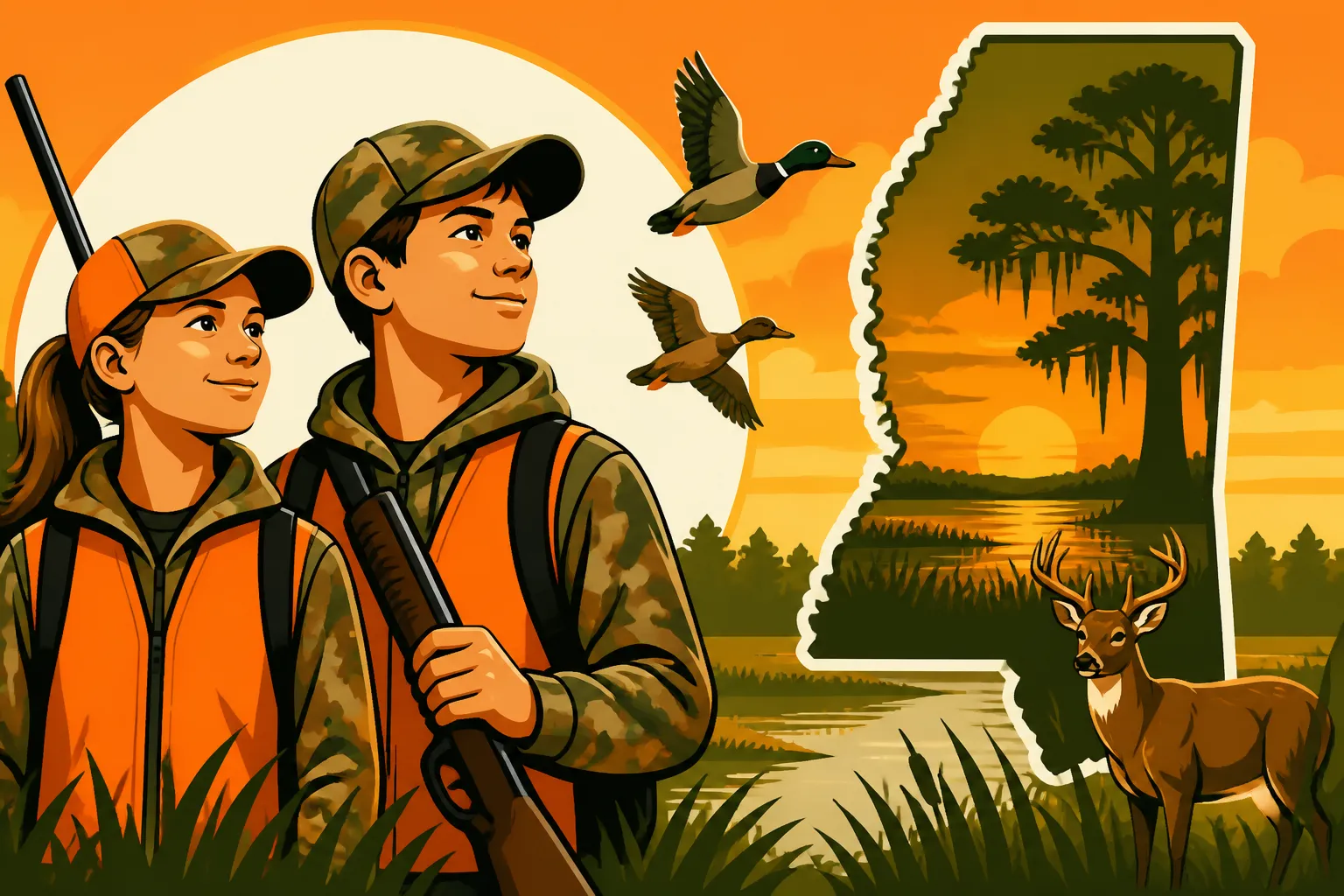
The Mississippi Youth Gun Weekend is a truly unique opportunity, a designated period specifically carved out to introduce younger hunters to the thrilling world of deer hunting with firearms. It's more than just an early season; it's a carefully planned event by the Mississippi Department of Wildlife, Fisheries, and Parks (MDWFP) to foster conservation ethics, teach responsible hunting, and build lifelong memories between mentors and their charges.
What Makes This Weekend Special
What truly sets the Youth Gun Weekend apart is its exclusivity. Typically, it occurs before the general statewide gun season for deer kicks off, giving young hunters and their mentors a relatively unpressured window to get out in the woods. Imagine, crisp air, perhaps fewer crowds than the busy opening day of regular gun season, and the chance to focus solely on the youth's experience. This dedicated timeframe minimizes competition and allows for a more relaxed, educational atmosphere. It’s an invaluable chance to instill good habits, practice patience, and connect with nature without the added pressure that can sometimes come with crowded public lands or intense hunting club scenarios. The focus shifts from simply "killing a deer" to the entire process: scouting, tracking, understanding deer behavior, and the immense responsibility that comes with hunting. It's a teaching moment from start to finish.
Typical Dates and Units Involved
While the exact dates for the Mississippi Youth Gun Weekend can shift slightly from year to year, it traditionally falls on the first full weekend in November. This timing places it perfectly after the archery season has been underway for a while, but before the main rush of firearm hunters descends upon the landscape. For instance, you might see it scheduled for the first Saturday and Sunday of November. It’s crucial to always consult the current year's official MDWFP Hunting & Fishing Guide or their website for the precise dates, as these are subject to change.
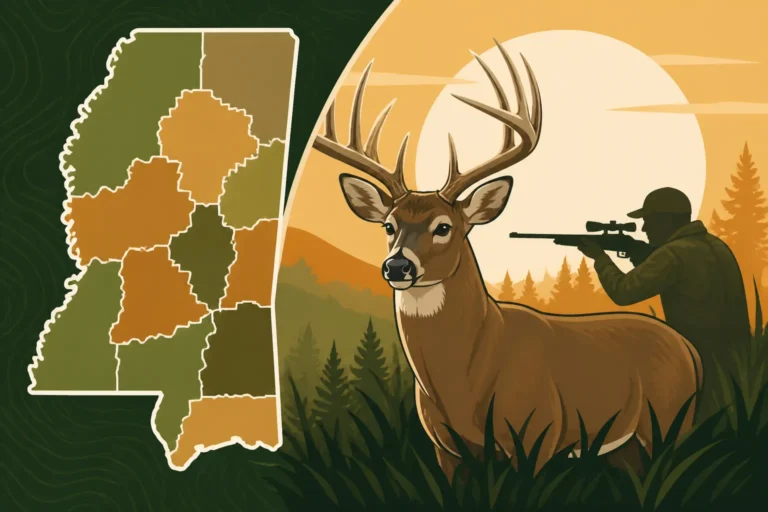
The beauty of this weekend is its statewide application. Generally, the Youth Gun Weekend is open across all of Mississippi's deer management units – the Delta, Hills, Northeast, and Southeast Units – for antlered deer, and often for antlerless deer as well, depending on specific county or unit regulations. This broad accessibility means that no matter where you live in the state, from the fertile fields of the Delta to the rolling hills of the central and eastern regions, your young hunter has an opportunity. This statewide approach simplifies planning for families and mentors, allowing them to hunt familiar grounds or explore new areas. For up-to-date information on when this special season typically opens, check out our guide on Hunting the Mississippi Youth Gun Weekend Dates.
Eligibility and Key Regulations for Young Hunters
Taking a young hunter afield is a tremendous privilege and responsibility. The MDWFP has specific regulations in place to ensure their safety and provide a positive learning environment. Understanding these rules is paramount for any mentor.
Age Requirements and Supervision Rules
The Mississippi Youth Gun Weekend is specifically designed for hunters under the age of 16. Generally, this means anyone 15 years old or younger at the time of the hunt is eligible. However, age is just one piece of the puzzle. The law requires that these young hunters be under the direct supervision of an adult mentor. This mentor must be at least 21 years old and possess a valid Mississippi hunting license for the current season.
"Direct supervision" isn't just a suggestion; it means the mentor must be close enough to the youth to provide immediate direction and control. We're talking within normal voice communication, not across a vast field or separate stands miles apart. The mentor is responsible for the youth's actions and ensuring all safety protocols are followed. One critical point to remember is that during the Youth Gun Weekend, the mentor cannot carry a firearm or bow themselves. Their role is solely to supervise and guide the youth hunter. This rule helps keep the focus squarely on the young hunter's experience and minimizes any perception of the mentor using the youth's opportunity for their own harvest, fostering a true learning environment. This also means if the mentor wanted to hunt, they would need to ensure a legal season for them to carry a weapon was open (e.g. statewide archery season), and they couldn't be actively supervising the youth gun hunter with a firearm. The intent is for the youth to be the primary hunter.
Licensing, Permits, and Blaze Orange Requirements
One of the great benefits of the Youth Gun Weekend for young hunters is that those under 16 generally do not need to possess a Mississippi hunting license. This removes a potential barrier for new hunters and makes it easier for families to introduce them to the sport. However, as mentioned, the supervising adult mentor must have a valid hunting license. This ensures there's always a licensed, responsible adult overseeing the activity.
Safety is always the top priority, and that's where blaze orange comes in. Both the youth hunter and their adult mentor are required to wear a minimum amount of unbroken hunter orange (or blaze pink, which is also legal). This typically means a hat and an outer garment above the waist, visible from all sides. While the exact square inches can vary, the spirit of the law is clear: be visible to other hunters. This is especially critical during any firearm season, even one with lighter hunting pressure. It's a non-negotiable rule that literally saves lives. Make sure to review the specifics on How Much Blaze Orange Mississippi Requires before heading out. Moreover, while not strictly required for the youth to possess, understanding hunter education is vital. Many mentors choose to have their young hunters complete the Mississippi Hunter Education Requirements even if not legally mandated for their age group, as it instills crucial safety knowledge early on.
Bag Limits and Deer Reporting
Even though it’s a special youth season, the regular statewide deer bag limits typically apply. This means a youth hunter is generally allowed to harvest one antlered buck per day, with an annual limit of three antlered bucks per season. For antlerless deer, the limits can vary significantly by county or deer management unit. It’s absolutely essential to consult the current MDWFP regulations for the specific area you plan to hunt to confirm antlerless deer allowances during the Youth Gun Weekend. Some areas might allow antlerless harvest, while others might not.
Once a deer is harvested, the responsibility continues. Mississippi requires all harvested deer to be reported to the MDWFP. This can be easily done through the MDWFP website or, even more conveniently, through their official mobile app. This reporting is not just bureaucratic; it provides vital data for wildlife biologists to manage the state's deer herd effectively. It teaches young hunters about their contribution to conservation and responsible game management. Make sure you understand the specifics of Mississippi Deer Bag Limit Rules and how to report the harvest correctly after the hunt. This entire process, from shot to reporting, is a crucial part of the learning experience, teaching accountability and the scientific side of wildlife management.
Scouting and Preparation for a Successful Youth Hunt
The excitement of the Youth Gun Weekend isn't just about the hunt itself; it's also about the preparation leading up to it. Involving your young hunter in the scouting and gear selection process can significantly enhance their understanding and enjoyment. It’s about building anticipation and teaching them the foundational skills of becoming a successful, ethical hunter.
Pre-Season Reconnaissance and Stand Selection
Success in deer hunting, especially with youth, often hinges on thorough pre-season scouting. Before the season even begins, take your young hunter out to the property you plan to hunt. Walk the land, even if it's familiar to you. Look for fresh deer sign: rubs on small trees, fresh scrapes, well-worn trails, and especially droppings. Identify potential bedding areas, common travel corridors, and available food sources like acorn flats, persimmon trees, or agricultural fields. This isn't just about finding deer; it's about teaching your youth what to look for, how to read the landscape, and understanding deer behavior. Tools like GoHunt can be incredibly useful here. Using aerial maps on GoHunt, you and your young hunter can identify potential funnels, pinch points, and cover, making educated guesses about where deer might move. This turns scouting into an engaging puzzle.
When it comes to stand selection, safety is paramount. For youth hunters, ground blinds are often an excellent choice. They offer concealment, comfort, protection from the elements, and most importantly, a very stable shooting platform. This is critical for building confidence in shooting. If an elevated stand is used, ensure it's a very stable ladder stand or a well-secured climbing stand, and always, always use a safety harness. Position the stand to maximize the chances of an ethical shot at a reasonable distance, avoiding setups that require awkward angles or long shots. Think about the sun's position and wind direction relative to your chosen spot. Our guide on Scouting Mississippi Public Land Before Season offers even more in-depth tips that apply perfectly to preparing for a youth hunt, regardless of whether you're on public or private land.
Essential Gear and Safety Considerations
A well-prepared hunter is a safe and comfortable hunter, and this is even more critical for young participants. Before you head out, compile a comprehensive checklist of essential gear. First and foremost, the firearm itself. Opt for a caliber with manageable recoil, like a .243, 6.5 Creedmoor, or even a .223 (if legal for deer in your area), matched with appropriate hunting ammunition. Ensure the youth is comfortable and proficient with the chosen firearm through plenty of practice at the range. Don't forget eye and ear protection for both practice and the hunt itself.
Beyond the firearm, comfort is key to keeping a young hunter engaged. Dress in layers to adapt to Mississippi's notoriously unpredictable November weather. Scent control is also important, as is a reliable pair of binoculars for spotting deer without unnecessary movement. Pack plenty of snacks, water, and perhaps even a thermos of hot cocoa – these small comforts can make a huge difference in morale during a long sit. A headlamp, a basic first-aid kit, and a small backpack for personal items round out the list.
Safety discussions are ongoing and non-negotiable. Review the four fundamental rules of firearm safety repeatedly: treat every firearm as if it's loaded, always point the muzzle in a safe direction, keep your finger off the trigger until ready to shoot, and be sure of your target and what is beyond it. Discuss emergency procedures, how to communicate quietly, and the importance of remaining still and quiet in the stand. Remember, this weekend is about teaching the next generation to be safe, responsible, and ethical hunters.
Hunting Strategies for Engaging Young Hunters
Hunting with a youth is fundamentally different from a solo adult hunt. The goal shifts from personal harvest to fostering a love for the outdoors, teaching valuable skills, and creating lasting memories. Patience, education, and adaptability are your most powerful tools.
Patience, Education, and Making it Enjoyable
The single most important "strategy" for hunting the Mississippi Youth Gun Weekend is prioritizing the youth's experience over filling a tag. This means patience, above all else. Young minds can wander, they can get cold or bored, and they might fidget more than an adult hunter. Be prepared for shorter hunts if necessary. It’s better to have several enjoyable short sits than one miserable long one that sours them on hunting altogether. Use downtime in the stand as a teaching opportunity. Talk about the squirrels scampering up trees, the different bird calls, the rustle of leaves, or how the wind changes. Explain why you're sitting where you are, what deer sign you saw, and how you expect deer to move. This transforms waiting into a dynamic learning session.
Remember, the goal isn't just about harvesting a deer. It's about instilling a respect for wildlife, conservation, and the outdoors. Celebrate every small victory: identifying a bird, spotting a squirrel, or even just sitting quietly for an extended period. Making it enjoyable often means bringing along those extra snacks, a comfortable seat cushion, or a hand warmer. GoHunt's mapping features can also be used to show them where they are on the property, tracking their path in and out, and visualizing potential deer movement routes – making it an interactive learning tool that keeps them engaged.
Effective Stand Placement and Shot Opportunity
When you're out there on the Youth Gun Weekend, your stand placement needs to maximize the chances of a close, ethical shot for your young hunter. Forget those long-range setups you might use for yourself; prioritize spots where a deer is likely to present a broadside shot within 75-100 yards, or even closer. Look for natural funnels where deer are compelled to walk through a narrower area, like a saddle between two ridges, a pinch point between a swamp and a field, or a trail leading to a known food source. These predictable travel routes increase the odds.
Once in the stand or blind, position your young hunter for success. Ensure they have a solid, stable rest for their firearm. Shooting sticks, a bipod, or even a sandbag from a ground blind can make all the difference in achieving accuracy and confidence. Talk them through shot placement before a deer even appears, showing them diagrams of deer anatomy and explaining where to aim for a quick, ethical kill. When a deer does show up, coach them quietly and calmly. Emphasize patience to wait for the animal to offer the best possible shot. A hurried, poor shot leads to tracking challenges and can be demoralizing. Focus on waiting for that perfect broadside opportunity. For youth hunters, a good starting point can be using a ground blind on public lands, as outlined in our guide on Using a Ground Blind on Mississippi Public Land, offering stability and concealment without the challenges of an elevated position.
Hunting Different Mississippi Terrains
Mississippi's diverse landscape offers varying hunting experiences, and understanding these differences can significantly improve your youth hunt. Whether you're in the flat, fertile Delta or the rolling hills, adapting your tactics is crucial.
In the vast bottomland hardwoods of the Delta, deer often travel along sloughs, ditch banks, and the edges of agricultural fields. Focus on setting up near these natural travel corridors, especially where cover meets a food source. Areas within the Delta National Forest Hunting or around large agricultural tracts can be prime. Early mornings and late evenings might see deer moving between bedding areas in thickets and feeding grounds. You might find success setting up on a subtle rise overlooking a dense patch of cane or thick brush where deer like to bed, catching them as they transition.
The Hills Unit, with its more varied topography of ridges, hollows, and pine plantations, requires a different approach. Deer here often use ridge tops as travel routes, especially during the rut, and will bed on leeward slopes. Finding a saddle or bottleneck along a prominent ridge can be very effective. Food sources like acorn flats or planted green fields within pine plantations can also draw deer. Understanding how deer use elevation and cover in the hills, especially with changing winds and thermals, is key. Our guide on Still-Hunting Hills Unit Ridgelines offers advanced tactics that can be adapted for youth hunts, focusing on strategic movement and observation. No matter the terrain, identifying these key features will enhance your chances.
| Youth Gun Weekend Checklist | Status (Y/N) | Notes |
|---|---|---|
| Pre-Hunt Prep | ||
| Check MDWFP current regulations | Y | Confirm dates, bag limits, and any unit-specific rules for the year. |
| Scout hunting area | Y | Look for deer sign (tracks, rubs, scrapes), food sources, and travel corridors. Involve youth! |
| Practice shooting with youth | Y | Ensure proficiency and comfort with the firearm at various distances. |
| Review firearm safety rules | Y | Daily discussion on the four rules of gun safety. |
| Gear Essentials | ||
| Valid adult mentor license | Y | Mentor must be 21+ and legally licensed. |
| Blaze orange hat & vest | Y | For both youth and mentor, visible from all sides. |
| Appropriate firearm | Y | Low recoil, youth-appropriate caliber. |
| Ammunition | Y | Correct caliber, suitable for hunting. |
| Eye and ear protection | Y | Mandatory for practice and hunting. |
| Shooting rest | Y | Bipod, shooting sticks, or sandbag for stability. |
| Warm, layered clothing | Y | Adaptable to Mississippi weather. |
| Snacks & water | Y | Keep energy levels up, especially for longer sits. |
| First-aid kit | Y | Basic essentials for minor cuts, scrapes. |
| Binoculars | Y | For spotting deer and observing wildlife. |
| Headlamp/flashlight | Y | For pre-dawn entry and post-dusk exit. |
| In-Field Best Practices | ||
| Patience and positive attitude | Y | Prioritize the experience over the harvest. |
| Continuous education | Y | Explain deer behavior, tracking, environment. |
| Ethical shot selection | Y | Wait for broadside, close-range opportunities. |
| Plan for shorter hunts | Y | Keep youth engaged by avoiding excessive boredom or discomfort. |
| Post-Harvest | ||
| Know tracking protocol | Y | Mark last blood, wait if necessary, teach youth tracking. Our guide on Tracking a Deer Through Mississippi Leaf Litter is a great resource. |
| Understand field dressing | Y | Explain the process, involve youth as appropriate. |
| Report harvest to MDWFP | Y | Teach accountability and contribution to wildlife management. |
What Happens After the Shot
The moment of truth – the shot – is just one part of a successful hunt. What happens immediately afterward, and the process of recovering and honoring the animal, is arguably just as critical for shaping a young hunter's understanding of their responsibility.
Tracking and Recovery with the Youth
Once the shot is taken, the real teaching often begins. It’s a moment of high adrenaline, but also one that demands calm and methodical action. The first step is to teach the youth to observe and remember the exact location where the deer was standing when shot, and its direction of travel afterward. Before rushing in, emphasize waiting for at least 30 minutes, sometimes longer for a gut shot, to allow the deer to lie down and expire. This patience is a hard lesson, but a vital one to avoid bumping a wounded animal.
Then, involve the young hunter in the tracking process. Walk slowly to the shot site, looking for blood, hair, bone fragments, or disturbed earth. Teach them how to follow a blood trail, looking for small drops on leaves, grass, or trees. Point out how to differentiate between arterial blood, lung blood, or gut contents. Mark the last known blood trail with flagging tape or brightly colored toilet paper so you can easily return to it if the trail temporarily disappears. This can be challenging in thick Mississippi leaf litter, but it’s an invaluable skill. For more in-depth techniques, our article on Tracking a Deer Through Mississippi Leaf Litter offers excellent advice that's particularly useful in our local woods. Even if the deer isn’t found immediately, the process of attempting to track it is a profound lesson in ethics and determination. If you find yourselves in a situation where night falls before recovery, our guide on Blood Trailing After Dark in Mississippi provides critical safety and strategy tips.
Field Dressing, Processing, and Celebrating Success
Once the deer is recovered, the educational journey continues with field dressing. This can be a messy but incredibly important part of the experience. Explain to your young hunter the anatomy as you go, showing them the organs and discussing how everything works together. Involve them as much as they are comfortable, perhaps by holding legs, or handing you tools. This teaches them respect for the animal and understanding of where their meat comes from. Promptly field dressing the deer is crucial in Mississippi's often-warm climate to begin the cooling process and preserve the meat.
After field dressing, the next step is processing. Depending on your resources, this might mean taking it to a local processor, or if you have the knowledge and tools, butchering it yourself at camp. Involve the youth in separating cuts, grinding meat, or packaging. This reinforces the connection between the hunt and the food on the table.
Finally, and perhaps most importantly, celebrate the experience. Whether a deer was harvested or not, acknowledge the effort, the patience, and the time spent together in nature. Talk about the lessons learned, the sights and sounds of the forest, and the privilege of being a hunter. Take photos, tell stories, and make sure the youth feels a sense of accomplishment, not just about the kill, but about the entire journey. This positive reinforcement ensures that the Youth Gun Weekend isn't just a one-off event but the beginning of a lifelong passion for hunting and conservation.
Disclaimer
The information provided in this guide is for general informational and educational purposes only. Hunting regulations, seasons, and licensing requirements are subject to change by the Mississippi Department of Wildlife, Fisheries, and Parks (MDWFP). Always consult the most current official MDWFP Hunting & Fishing Guide or their website before planning any hunting trip to ensure compliance with all applicable laws and regulations. Safety is paramount; always prioritize firearm safety and responsible hunting practices.