Opening Weekend Tactics for Gun Season
The crack of gun season opening morning in Mississippi is often met with a mix of exhilarating anticipation and a hefty dose of frustration. You've spent months, maybe even a lifetime, dreaming of this day, only to find the woods suddenly buzzing with other hunters, spooking deer that were once predictable. This guide aims to equip you with realistic, actionable tactics to navigate the unique challenges of opening weekend and turn potential chaos into a successful hunt.
Understanding Opening Weekend Dynamics
Opening weekend of gun season in Mississippi is a beast of its own. It’s not just another hunt; it's a phenomenon. The woods, which might have been quiet and serene during archery or muzzleloader seasons, suddenly become a hive of human activity. This abrupt shift dramatically impacts deer behavior and requires a different approach from us as hunters.
Deer Behavior Under Pressure
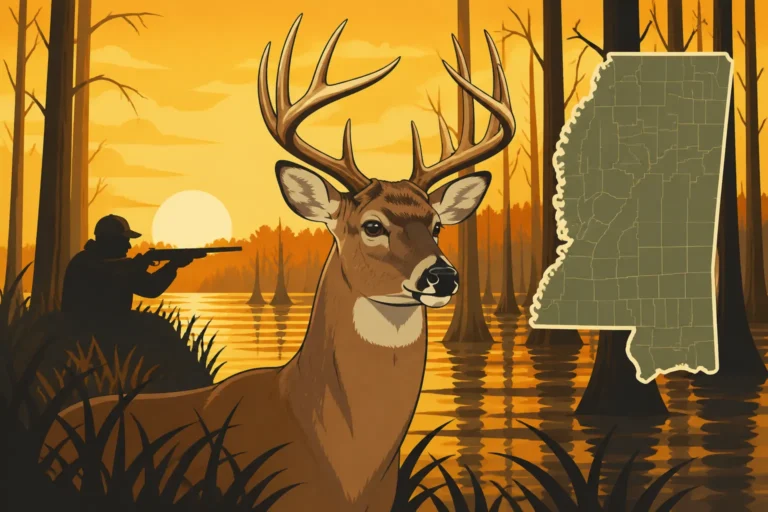
Imagine you’re a whitetail that has spent weeks, or even months, feeling relatively safe in your familiar haunts. Then, practically overnight, the woods explode with new sights, sounds, and smells. It’s no wonder deer react drastically. Initially, you'll see a lot of erratic movement. Deer that were comfortable feeding in open fields or cruising timber edges might suddenly become nocturnal or push deep into the thickest cover they can find. They're not just spooked; they're actively trying to evade danger, often moving to areas they perceive as sanctuaries. This is why those familiar patterns you scouted so diligently in September might seem to disappear entirely come the third weekend of November. They know what’s coming, and their survival instincts kick in hard.
Hunter Pressure and Public Land Crowds
Let's be honest, public land on opening weekend can feel like Grand Central Station. Parking lots overflow, and you might hear shots from every direction. This isn't necessarily a bad thing, but it certainly changes the game. More hunters mean more deer movement, but it also means more competition for prime spots. If you're hunting public land, you're going to encounter other hunters. The key isn't to avoid them entirely (often impossible), but to understand how their presence influences the deer you're after. Some hunters will march right through bedding areas, inadvertently pushing deer directly to you if you’re set up correctly. Others will stick to easy access points, leaving deeper, harder-to-reach pockets of timber relatively undisturbed. Knowing this, and having a plan, can make all the difference. Check out our guide on Hunting Pressure on Mississippi Public Land for more detailed strategies.
The "Rut Factor" on Opening Weekend
Many hunters pin their hopes on the rut being in full swing for opening weekend, and while parts of Mississippi certainly see increasing rut activity, it’s not always the primary driver for deer movement during this high-pressure period. In many of Mississippi's Four Deer Management Units, the peak rut might not hit until later in November or even December. For example, while early signs of the rut, like scrapes and rubs, might be visible, the intense, all-day cruising for does often gets overshadowed by the sheer stress of hunter presence. Bucks, like does, will prioritize safety first when the woods are full of orange. So, while you might get lucky and catch a cruising buck, relying solely on rut-related tactics might disappoint you if deer are simply trying to escape pressure. Think of the rut on opening weekend more as a bonus if conditions align, rather than a guaranteed goldmine.
Scouting and Pre-Season Preparation for Gun Season
You might think scouting is "done" once bow season starts, but for gun season, especially opening weekend, it’s a whole different ballgame. The pressure changes everything, and your pre-season scouting needs to reflect that. It’s about more than just finding deer; it’s about anticipating how they’ll react when the human element is cranked up to 11.
Identifying Key Travel Corridors
Deer, when pressured, become masters of stealth and efficiency. They'll use the path of least resistance to get from bedding to feeding or to escape danger, but they'll often do it through the thickest, most overlooked cover. Think about pinch points where two pieces of thick cover narrow, or funnels created by terrain features like creek bottoms or old fencerows. These aren’t always the obvious trails you saw during early season. Sometimes it’s a subtle depression in the woods, a hidden bench on a ridge, or a thicket along a slough.
You need to identify escape routes—the paths deer will take when they feel threatened. These are usually dense, grown-up areas that hunters avoid. Using aerial maps, like those available on the GoHunt app, can help you spot these neglected travel corridors that provide a sense of security for deer. Walk these areas, looking for fresh sign after other hunters might have been in the woods. These subtle travel lanes are gold on opening weekend. Our article on Reading a Ridge for Hills Unit Deer offers more insight into finding these subtle features.
Locating Food Sources and Water
While deer might be pressured, they still need to eat and drink. However, their patterns around these resources will change. Forget the wide-open food plots they hit freely in October; on opening weekend, they're likely to stick to more secluded, low-risk feeding areas. This could mean deep-woods acorn flats, honeysuckle patches hidden in thickets, or even browse lines in dense clear-cuts. If you’re in the Delta, they might shift to standing beans or corn if those fields offer enough cover.
Water sources are also crucial, especially after a long night of evading hunters. Small, out-of-the-way potholes, seepages, or secluded creek bends can become high-traffic areas. The trick is finding the food and water sources that offer the most security, not necessarily the most abundance. A small, hidden oak flat dropping acorns is far more appealing to a pressured deer than a sprawling, exposed food plot. It’s all about risk assessment for them, and you need to think like a deer under siege. Sometimes, hunting a poor acorn year can force deer to concentrate on specific, less obvious food sources.
Setting Up Stands and Blinds
Stand and blind placement for opening weekend requires extra thought. Your primary goal is to remain undetected, both on your approach and while hunting. This means prioritizing wind direction above all else. Even the slightest swirl can bust a deer that's already on high alert. Consider entry and exit routes that are completely silent and out of the deer's typical travel paths. A noisy approach or exit can educate every deer in the area.
For elevated stands, consider setting up on the edge of thick cover, overlooking a travel corridor or a secluded food source, rather than deep within an obvious feeding area. This gives you a vantage point while keeping you relatively hidden. If using a ground blind, ensure it's brushed in meticulously days, or even weeks, before the season. Blending it into the natural environment is critical; a new, foreign object will scream danger to a wary whitetail. Think about a setup that allows for a quick, clean shot in potentially low light or through denser cover. For more specific advice, check out Treestand Setups in Delta National Forest or Using a Ground Blind on Mississippi Public Land.
Opening Day Stand and Still-Hunting Strategies
The first few hours of opening day are often the most unpredictable. You'll hear more shots, see more movement (both deer and human), and the woods will feel alive with nervous energy. Your strategy needs to account for this heightened activity.
Early Morning Approach and Entry
This is perhaps the most critical part of your opening day. Every sound, every flash of light, every scent you leave behind can blow your hunt before it even begins. Plan your route to your stand or blind with military precision. This means:
- Walk in the Dark: Get there well before legal shooting light. This allows you to settle in and for the woods to calm down after your disturbance.
- Use Natural Cover: If possible, approach using natural terrain features like creek beds, ridge lines, or dense tree lines to conceal your movement.
- Mind the Wind: Always approach with the wind in your face or quartering. Even a slight crosswind can carry your scent.
- Silence is Golden: Wear soft clothing that won't rustle, cinch up loose gear, and step carefully. Avoid crunching leaves or breaking twigs as much as humanly possible.
- Minimal Light: Use a headlamp with a red or green light setting to preserve your night vision and minimize your visible signature.
Remember, pressured deer are already on high alert. Your goal is to be a ghost in the woods.
Sitting Tight vs. Active Hunting
This is the age-old debate for opening day.
Sitting Tight: For many, the best strategy on opening day is to find a good spot, get comfortable, and stay put. Pressure from other hunters often pushes deer, making them move in unexpected ways. If you’re nestled in a thick travel corridor or overlooking a sanctuary, a deer pushed by a nearby hunter might come right past your stand. This strategy requires immense patience and faith in your scouting. It’s particularly effective if you’re positioned between a known bedding area and an escape route, or between a feeding area and dense cover. You’re letting the movement of others work for you.
Active Still-Hunting: Some hunters prefer to still-hunt, especially after the initial morning rush subsides. Still-hunting on opening weekend isn't about covering vast amounts of ground; it's about moving slowly, deliberately, and quietly through dense cover or along edges, hoping to jump a deer that's hunkered down. This works best in areas with lots of thickets or broken terrain where deer might feel secure but could still be moved. The challenge is remaining as quiet as possible when deer are hyper-aware. If you choose this, focus on areas that are difficult for others to access, often paralleling known escape routes.
Midday Tactics and Persistence
Many hunters head back to camp around 10 AM, convinced the morning hunt is over. This is a huge mistake on opening weekend. Pressured deer often move more during the midday hours as the woods quiet down from the initial rush and other hunters retreat. Also, deer that were bumped earlier might finally be settling into new areas. A smart strategy is to stay on stand, especially if you're in a travel corridor between bedding and feeding, or a known escape route.
Lunch in your stand, a quiet snack, or a quick reposition to another pre-scouted spot can pay dividends. The quiet lull between 10 AM and 2 PM can be incredibly productive, as deer begin to relax their guard slightly or are pushed by late-departing or early-returning hunters. It’s a great time to catch a buck moving cautiously, maybe checking a scrape line along a logging road he felt was too exposed earlier. Persistence often trumps early morning luck on a pressured opening day.
Dealing with Increased Deer Movement (and Hunter Movement)
Opening weekend isn't just about deer moving more; it's about why they're moving and how that impacts your strategy. Sometimes, you need to adapt to the chaos around you and use it to your advantage.
Capitalizing on Deer Drives
While often associated with private land, deer drives can happen anywhere, even accidentally, on public land. When you hear shots or increased human chatter in the distance, pay attention to the wind and terrain. Deer being driven will almost always try to use the wind to their advantage, circling downwind or using thick cover to flank the drivers.
If you anticipate a drive, or hear one starting, position yourself on the downwind side of thick cover that deer are likely to use for escape. Look for natural funnels or pinch points that will bottleneck their movement. Our guide on Deer Drives With Three or Four Hunters provides excellent insights into how deer react to this pressure. It's not about being part of the drive, but positioning yourself intelligently to intercept deer that are trying to escape. This requires keen awareness of your surroundings and a quick read of the situation.
Using Calls and Scents
Under normal circumstances, rattling and grunting can be incredibly effective during the rut. However, on a high-pressure opening weekend, their effectiveness can be a mixed bag. Deer are already on high alert for unnatural sounds.
Calls: Light, subtle grunt calls might still pique a buck's curiosity, especially if you're in an area where he feels relatively safe. But aggressive rattling could backfire, making an already wary deer vanish. If you do use calls, keep the volume low, especially in thick cover. Don't overdo it. Focus on soft contact calls or a subtle tending grunt.
Scents: Doe estrus or buck lure scents can still work, but again, use them judiciously. Place them on scent wicks downwind of your stand to draw deer closer, but don't douse yourself in them. Pressured deer are extremely sensitive to unfamiliar smells. Consider using a calming scent or even a human-masking scent if you're worried about your own odor. The goal is to tempt, not to alarm. GoHunt maps can help you understand wind direction relative to your setup and choose the best placement for your scents.
Post-Shot Tracking Challenges
A successful shot on opening day brings its own set of challenges, especially if you're on crowded public land.
Immediate Tracking: If you make a good shot and are confident in the hit, begin tracking as soon as possible, especially if you think the deer will travel far. Other hunters might stumble upon your deer or even lay claim to it if you're not there.
Marking the Blood Trail: Use flagging tape (remove it after the track!) or a GPS device to mark the blood trail clearly. This is critical in thick cover or after dark. Tracking a deer through Mississippi leaf litter can be tough, and every marker helps.
Dealing with Others: If another hunter finds your deer, be calm and respectful. Most hunters are ethical, but communication is key. Carry proof of your shot (witnesses, photos, GPS track) if possible. If you need assistance, it's often best to call a friend or family member rather than asking a stranger who might be hunting in the vicinity. Always prioritize safety, especially when others are around with firearms. For more on this, read up on Blood Trailing After Dark in Mississippi.
Adapting to Pressure Through the Weekend
Opening day might be a whirlwind, but the pressure often persists, albeit differently, through Saturday and Sunday. Successful hunters don't just stick to their opening day plan; they adapt, learn, and adjust.
Re-Scouting and Adjusting Locations
The beauty of hunting for an entire weekend is that you get to learn as you go. After opening day, take some time to "re-scout" from your stand or by subtly moving around. What patterns did you observe? Did deer move along a certain ridge that you hadn't considered a primary travel route? Did they consistently avoid an area that seemed ideal on paper?
Look for fresh sign in unexpected places. Deer might have created new travel routes or established temporary bedding areas in response to pressure. If your original spot isn't producing, don't be afraid to change it up. This might mean moving to a stand that offers a better view of an escape route or shifting to a completely different part of your hunting area that receives less pressure. Use your GoHunt app to mark new observations and plan alternative spots quickly.
Focusing on Sanctuary Areas
When the woods get hot, deer retreat to where they feel safest. These are their sanctuary areas—often the thickest, nastiest, most inaccessible parts of the woods that most hunters avoid. This could be a dense briar thicket, a swampy bottomland, a tangle of downed timber, or a grown-up clear-cut.
Hunting these areas directly can be challenging, but it's where the deer will be. If you’re not willing to bust through the nastiness, then focus on the edges of these sanctuaries, especially on the downwind side. Deer will often stage just inside these thickets before venturing out to feed, or they'll use the edges as primary travel routes within the safety of the cover. These are the places where deer find ground others walk past. This tactic can be particularly effective in dense areas like those found in Hunting Delta Unit Bottomland Deer.
Patience for the Long Haul
It’s easy to get discouraged if opening morning doesn't yield a monster buck. But remember, opening weekend is just the beginning of Mississippi's long gun season. The deer are still there, they're just warier. The most successful hunters on opening weekend are often those who remain patient, adaptable, and persistent.
Don't blow out your best spots by over-hunting them. If a spot is pressured, back off and let it rest. Consider hunting the extended final weekend of the season, when pressure often drops significantly. The deer will eventually settle back into more predictable patterns as the initial wave of hunters dissipates. Opening weekend is a test of nerves and strategy, but the insights you gain from watching how deer react to pressure will serve you well for the rest of the season.
| Strategy Type | Ideal Scenario on Opening Weekend | Pros | Cons |
|---|---|---|---|
| Sit & Wait | Near escape routes, thick cover, between bedding & feeding. | Capitalizes on deer pushed by others; low disturbance. | Requires extreme patience; can be boring if no activity. |
| Still-Hunting | Dense thickets, low-pressure corners, along creek beds. | Active approach; allows covering more ground; finds hidden deer. | High risk of bumping deer; requires exceptional stealth and wind awareness. |
| Edge Hunting | Perimeter of sanctuaries, clear-cuts, swamps. | Catches deer transitioning; safer than busting cover. | Deer might stay deep in cover; limited visibility. |
| Post-Pressure Scan | After 10 AM lull, or after hearing distant drives. | Utilizes other hunters' movement; can catch deer relocating. | Unpredictable timing; requires quick adaptation. |
Final Thoughts for a Successful Opening Weekend
Hunting opening weekend in Mississippi during gun season is a rite of passage for many, and it doesn't have to be a frustrating experience. It's about shifting your mindset from expecting easy pickings to embracing the challenge of highly pressured game. By understanding how deer react, using your scouting tools like GoHunt to adapt, and employing smart, patient strategies, you can significantly increase your odds of success.
Remember the Mississippi Deer Season Structure Explained and that rules for Mississippi's Chronic Wasting Disease Zones might affect how you handle a harvested deer, so always be prepared. Most importantly, enjoy the time in the woods, the tradition, and the camaraderie.
Disclaimer
The information provided in this article is for educational purposes only and is not a substitute for official hunting regulations. Always consult the latest Mississippi Department of Wildlife, Fisheries, and Parks (MDWFP) regulations before engaging in any hunting activities. Hunting involves inherent risks, and safety should always be your top priority.