Hunting Small Private Tracts in Mississippi
It’s a common frustration for Mississippi hunters: feeling squeezed out of opportunities. Maybe you don't have access to vast tracts of private land, or perhaps those expensive hunting leases are just out of reach. But don't let the size of a property deter you. This guide is all about transforming those overlooked, smaller private tracts into productive hunting grounds, proving that big results can indeed come from small packages with the right approach.
Understanding the Potential of Small Private Tracts
When we talk about hunting in Mississippi, often our minds jump to sprawling Delta cotton fields or immense pine plantations in the Hills. But the reality for many hunters is far more modest. We’re often dealing with 10, 20, or maybe 40 acres – parcels that many would dismiss as too small to hold a mature whitetail. However, that couldn't be further from the truth. These smaller tracts, especially if they’re well-situated, can be absolute gems if you understand how to read them.
Dispelling the Myth: Big Bucks on Small Acreage
Let’s be honest, there’s a prevailing myth that you need hundreds of acres to consistently harvest quality deer. While larger tracts certainly offer more room to roam, deer, especially mature bucks, are masters of utilizing available cover and resources, regardless of property lines. A small, brushy creek bottom or a dense thicket on your 15 acres might be the safest bedding area for a buck that feeds on a neighbor’s sprawling soybean field or slips through timber on an adjacent property. These deer are often pressured on larger, more frequently hunted lands, making your quiet, overlooked patch of woods an attractive sanctuary.
Think about it: deer aren't reading survey maps. They're looking for food, water, and cover. If your small tract provides one or more of these elements, especially if it's a security cover that connects to a larger food source or travel corridor, it absolutely can hold and attract quality deer. I’ve seen some impressive Mississippi bucks harvested off properties that were barely larger than a football field, simply because the hunter understood how to leverage the available resources and minimize pressure. It’s all about becoming intimately familiar with every single inch of that ground.
Identifying Key Features and Bottlenecks
Making the most of a small private tract hinges on your ability to identify the critical components that make it attractive to deer. These aren't always obvious. You're looking for pinch points, natural funnels, transition areas, and any form of unique cover or food. A small, overgrown fencerow between two open fields can be a prime travel corridor. A single persimmon tree or a small patch of acorns might be the only consistent food source in a half-mile radius during certain times of the year. A forgotten seep or a tiny pond can be an invaluable water source.
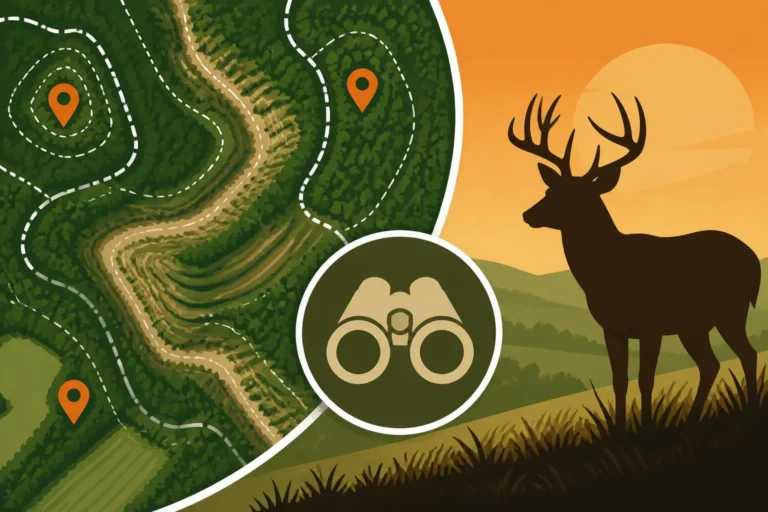
Consider how deer move through the landscape. Even on small acreage, they'll often follow the path of least resistance or the path of most cover. Is there a narrow strip of woods connecting two larger blocks of timber? That's a funnel. Is there a dense block of briars or young pine regeneration tucked into a corner? That’s potential bedding cover. A small creek or drainage running through the property? Often a travel route. These are the bottlenecks, the natural "choke points" that can concentrate deer movement, turning a seemingly insignificant parcel into a strategic hunting hot spot. This kind of detailed observation can really pay off when you're Reading Aerial Photos for Hills Unit Deer or anywhere else.
Strategic Scouting and Setup for Limited Space
With smaller tracts, every decision you make regarding scouting and stand placement carries more weight. You can't afford to be sloppy or intrusive, as the deer have less alternative space to retreat to. Your strategy must be precise, calculated, and designed to minimize human disturbance while maximizing your understanding of deer movement.
Micro-Scouting Techniques for High-Impact Zones
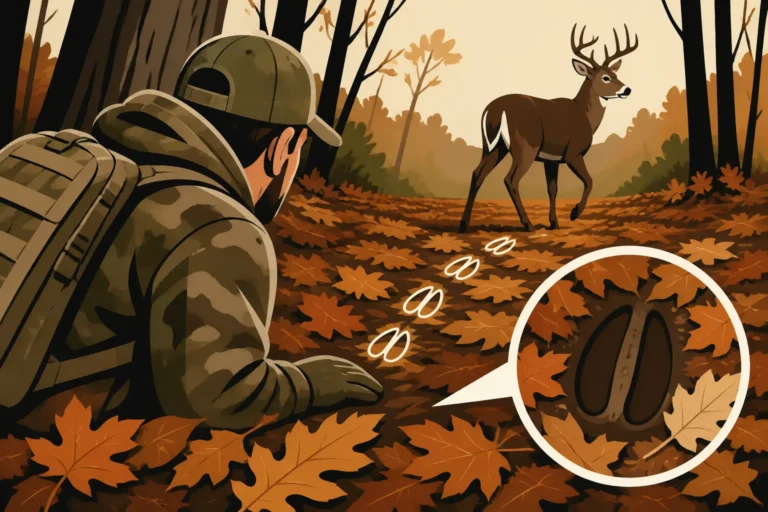
Forget the idea of covering miles of ground. On small tracts, your scouting needs to be surgical. Instead of wide sweeps, focus on minute details. Every track, every rub, every fresh scrape tells a story. Look for clusters of sign that indicate preferred travel paths or core areas. Trail cameras become your best friends, allowing you to monitor activity without constant physical presence. Deploy them strategically near pinch points, potential bedding areas, or subtle food sources. Make sure you check them infrequently, and always plan your entry and exit to avoid blowing out the area.
Digital mapping tools, like the GoHunt app or other similar platforms, are absolutely invaluable for this kind of micro-scouting. You can mark every rub, scrape, and potential stand tree, creating a detailed overlay of deer activity and topography. Identify your property lines precisely and also analyze the surrounding properties for food sources or thick cover that might influence deer movement onto your land. Understanding these dynamics is key to success on a small piece of ground. When you're Scouting Mississippi Public Land Before Season, you apply similar principles, but the smaller private tract allows for even more intense focus.
Smart Stand Placement and Entry/Exit Routes
This is where many small-tract hunters make critical mistakes. On limited acreage, your entry and exit to a stand can make or break your hunt. You absolutely cannot afford to spook deer walking to or from your setup. Always consider the wind direction, not just for the hunt itself, but for your approach. Design routes that keep you concealed and utilize natural topography or thick cover. If possible, have multiple stand locations to accommodate varying wind directions, ensuring you always hunt with the wind in your favor and never blow your scent into likely deer holding areas.
Think about silent access. Can you slip in along a creek bed, a ditch, or the edge of a field? For example, Setting Up on a Delta Field Edge requires careful consideration of deer entry points and wind patterns. Ground blinds can be particularly effective on small tracts, as they offer excellent concealment and allow for more flexibility in setup without disturbing the area as much as hanging a treestand. Just ensure they are brushed in thoroughly and blend into the environment. The goal is to be a ghost – in and out without the deer ever knowing you were there.
Low-Impact Hunting Tactics for Pressured Deer
When you’re hunting a small private tract, especially one surrounded by more heavily hunted land, the deer you encounter are likely to be wary. They're survivors, experts at avoiding detection. This means your hunting tactics need to be equally subtle and patient. Aggressive, high-pressure approaches will only push deer off your small parcel and onto neighboring properties, or worse, turn them completely nocturnal.
The Art of Still-Hunting and Patience
Still-hunting is perhaps the most effective tactic for small, pressured tracts. This isn’t about sitting in a stand all day, though that has its place. Still-hunting means moving incredibly slowly, taking only a few steps at a time, and then pausing for several minutes to observe, listen, and scan. You become part of the woods, blending in with the surroundings. This slow movement allows you to cover ground effectively without alarming deer. You’re not trying to push them; you're trying to intercept them as they go about their natural routine.
Focus on terrain features like subtle ridges, fencerows, or the edges of dense thickets. Use your binoculars constantly, picking apart every shadow and piece of cover. This patience can be difficult, but it's crucial. Remember, deer might hold tight in cover, letting you walk past if you're moving too fast. A slow, deliberate approach, often aided by tools like your GoHunt map to visualize terrain, can help you pick apart small sections of cover, often leading to close-range encounters with deer that felt secure just moments before. This patient approach is especially important when you consider Warm-Weather Sitting Strategy in Mississippi during the early season.
Utilizing Natural and Artificial Cover
On a small tract, maximizing your concealment is paramount. Every piece of cover, natural or artificial, becomes a strategic asset. Don't underestimate the power of a well-placed ground blind, especially in areas with limited trees for treestands or where deer patterns shift frequently. You can easily create a natural ground blind by piling up brush, using fallen logs, or finding a natural depression. The key is to break up your outline and blend into the background.
When thinking about cover, consider both your concealment and the deer's. If your property has dense thickets, brush piles, or regenerating timber, these areas are likely providing critical bedding cover. Hunting the edges of these zones, or setting up to intercept deer moving into or out of them, can be highly effective. For situations where a quick, low-impact setup is needed, remember that Using a Ground Blind on Mississippi Public Land also applies to private land, offering great flexibility. A well-placed blind can make all the difference, particularly if it's brushed in early and deer grow accustomed to its presence.
Maximizing Your Small Tract Beyond the Hunt
Hunting a small tract isn't just about the hunt itself; it’s about understanding the entire ecosystem of your property and how it interacts with the surrounding landscape. By making a few thoughtful improvements and fostering good relationships with your neighbors, you can significantly increase your success and enjoyment.
Modest Habitat Improvements
Even on a small scale, habitat improvements can make a big difference. You don't need heavy equipment or a massive budget. Simple, strategic changes can increase the attractiveness of your property to deer. Consider planting small, secluded food plots with clover, winter wheat, or brassicas. These tiny plots, often just a quarter to a half-acre, can provide crucial nutrition and draw deer onto your property, especially when Hunting After a Poor Acorn Year leaves natural food sources scarce.
Other improvements might include hinge-cutting a few trees to create instant, low-lying bedding cover and browse, or clearing brush to encourage growth of natural browse. Even creating a small, permanent water source, like a dug-out pond liner, can be a major draw during dry periods. These efforts show that you’re not just a hunter; you’re a land steward, making your small piece of Mississippi more attractive to wildlife. Focusing on Late-Season Food Sources for Mississippi Whitetails is another strategy to keep deer on your property longer.
Building Relationships with Neighbors
Perhaps one of the most overlooked, yet most impactful, strategies for small-tract hunting is building positive relationships with your neighbors. This isn't just about courtesy; it's about expanding your sphere of influence. A friendly conversation can lead to shared information about deer movement, permission to retrieve a wounded animal that crosses a property line, or even informal agreements about hunting pressure. Knowing your neighbors might also prevent misunderstandings about Mississippi Trespass and Permission Law.
In an age where Mississippi's Chronic Wasting Disease Zones are a growing concern, shared knowledge about deer health and sightings can also be incredibly valuable for local herd management. You might learn about a neighbor’s food plot that’s pulling deer from your area, or they might observe a buck routinely crossing from your property onto theirs. This kind of communication can turn a potentially isolated hunting experience into a community effort, ultimately benefiting everyone and potentially even opening up opportunities for shared hunting efforts or expanded access in the future. Just make sure if you want to hunt their land, you always know Do You Need Written Permission in Mississippi?.
Disclaimer
The information provided in this guide is for general educational and informational purposes only and does not constitute legal advice. Hunting regulations, license requirements, and land access laws in Mississippi are subject to change. Always consult the most current Mississippi Department of Wildlife, Fisheries, and Parks (MDWFP) regulations and local ordinances before engaging in any hunting activities. Always prioritize safety, ethical hunting practices, and respect for wildlife and private property.