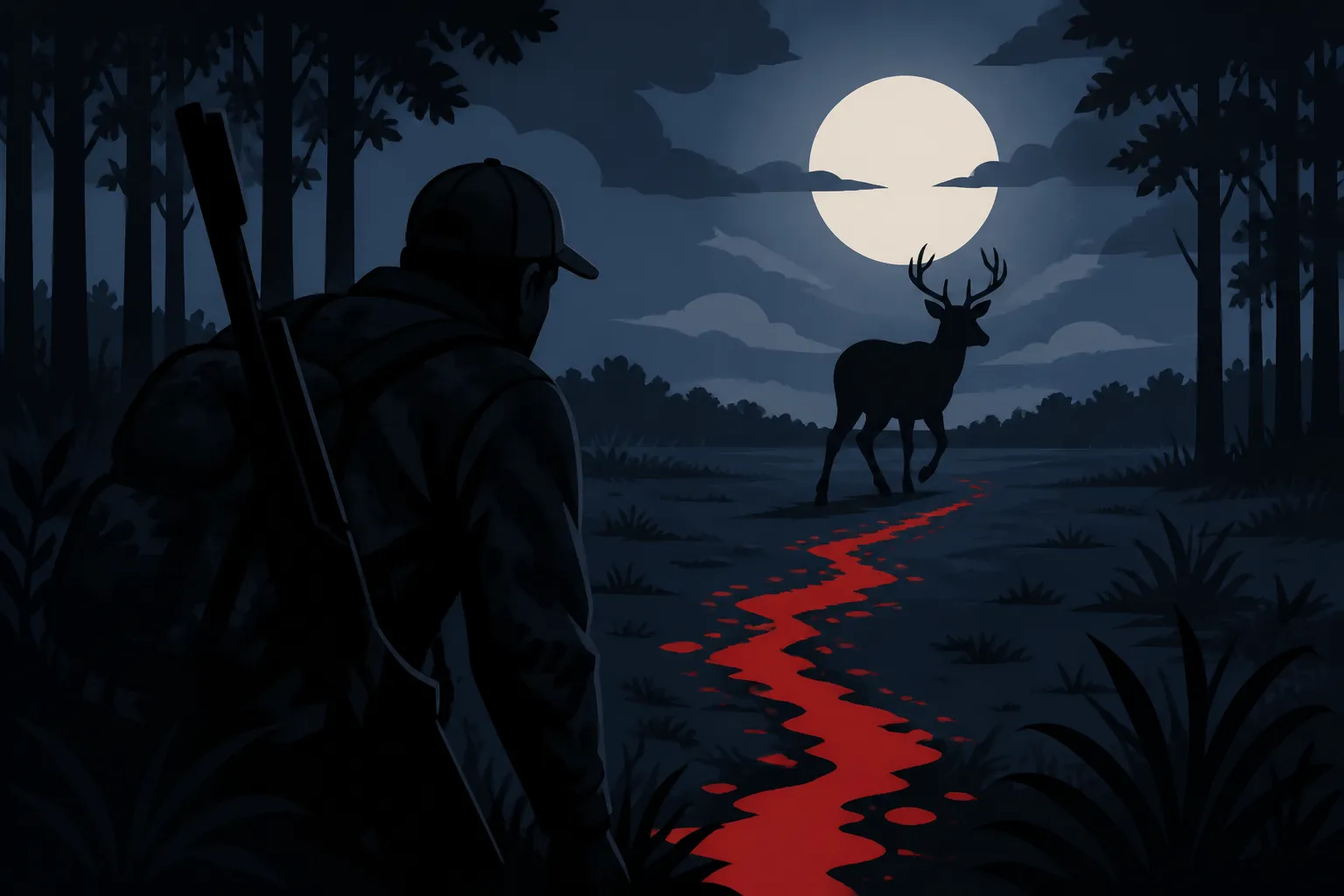
Blood Trailing After Dark in Mississippi
There’s nothing quite like the rush of a successful shot on a deer, but that exhilaration can quickly turn to dread when twilight starts to fade and you haven't laid hands on your animal. Dealing with a blood trail after dark in Mississippi’s dense woods, swamps, or even open fields presents a unique set of challenges. This guide will walk you through the proven strategies and essential gear you need to maximize your chances of a successful recovery, even when the sun has long gone down.
The Initial Wait and Assessment
That moment after the shot, when you know you've hit something but aren't quite sure where it went, can be agonizing. Your heart is pounding, adrenaline is coursing, and every instinct screams at you to follow. But in the dimming light, or worse, full darkness, haste can be your undoing.
Why Patience is Your Best Ally
It sounds counterintuitive, especially when you're desperate to find your deer, but immediate pursuit is often the worst thing you can do. A deer that is wounded, but not immediately down, will often bed down nearby if it feels secure. If you jump on the trail too quickly, especially after dark, you risk "bumping" that deer, causing it to run further, often leaving an even sparser blood trail and potentially pushing it onto neighboring properties or into unrecoverable thickets.
Think about it: that deer is full of adrenaline too. If it feels pressured, it will continue to run, often until it's completely exhausted or finds incredibly dense cover. If it's a gut shot, waiting is absolutely critical. A deer hit in the paunch needs several hours – at least 6-8, sometimes even overnight – for the organs to shut down and for the deer to expire peacefully. Pushing a gut-shot deer guarantees a long, frustrating chase and often a lost animal. Even a liver or muscle hit benefits from a wait; it allows the deer to stiffen up and for more blood to drain out, creating a clearer trail. When you're Tracking a Deer Through Mississippi Leaf Litter, patience is paramount.
Reading the Shot and Initial Sign
Before you even think about trailing, you need to revisit the shot site. This is your first and most crucial piece of forensic evidence. Mark the exact spot where the deer was standing when you shot it. Look for hair, blood, and bone fragments. This initial sign will give you invaluable clues about where your bullet or arrow hit.
- Hair: Short, stiff, dark hair often indicates a hit higher on the body, possibly spine or backstrap. Long, coarse hair suggests a body hit. White hair points to a leg, brisket, or belly shot.
- Blood: The color and consistency of the blood are vital.
- Bright red, often frothy or bubbly: This is lung blood, typically indicating a lethal hit. You'll often see small air bubbles. This is the most encouraging sign, and while a short wait is still good, you can usually take up this trail sooner than others.
- Dark red, thick, sometimes clotted: This points to a liver or muscle hit. These are often lethal but can take longer for the deer to expire. A good long wait is advisable here.
- Dark red, watery, mixed with stomach contents or greenish/brown matter: This is a gut shot. This is the hardest hit to trail and requires the most patience. Immediately back out and return the next morning, or at least 8-10 hours later.
- Bone Fragments: If you find small bone fragments, it often means a leg or shoulder hit. Larger fragments might indicate a shattered leg or, rarely, a spine hit. Bone can mean a good hit, but it also means the projectile might not have penetrated deeply.
Mark the last spot you saw the deer. Then, mark the shot location with something visible like reflective tape or a piece of toilet paper. This will be your starting point for the actual trail.
Essential Gear for Night Tracking
Attempting to blood trail after dark without the right gear is like trying to hunt ducks without decoys—you’re setting yourself up for failure. A few key items can make all the difference in a successful recovery.
Lighting the Way
Your primary tool for night tracking is light, and not just any light. You need powerful, reliable illumination to pick up subtle blood specks that are invisible to the naked eye.
- High-Lumen Flashlights and Headlamps: Forget your old, dim camping lantern. You need serious lumens. A good quality LED flashlight with 1000+ lumens, like those from Streamlight or Fenix, can cut through the darkness and make blood really pop. A headlamp is also crucial for hands-free operation, allowing you to scan the ground efficiently. Many hunters swear by a combination of both: a powerful handheld for scanning broader areas and a headlamp for close-up examination.
- Red Light Filters: While bright white light is essential, some trackers find a red light filter helpful for reducing eye strain and preserving night vision. It can also, for some, make blood stand out against certain backgrounds, though this is debated. Experiment to see what works best for you.
- UV and Specialized Blood Tracking Lights: There are specialty lights designed to make blood fluoresce or appear differently. Some hunters find these invaluable, claiming they illuminate even dried or sparse blood better than white light. Brands like Primos and FOXPRO offer such options. However, these aren't magic wands; they work best on fresh, wet blood and can be less effective on older or dried trails. Always have a powerful white light as your primary.
- Backup Lights and Batteries: Never, ever go out with just one light. Always carry a secondary flashlight and a spare set of fresh batteries for all your lights. Murphy’s Law dictates that your primary light will die when you're deepest in the darkest part of the woods.
Navigation and Marking Tools
Keeping track of your location and the deer's direction of travel is paramount, especially when you're focused on the ground. It’s easy to become disoriented in the dark.
- GPS Devices or Smartphone Apps: A dedicated GPS unit or a reliable hunting app on your smartphone, like GoHunt, is a non-negotiable for night tracking. Use it to mark your shot location, every blood spot you find, and your path. This creates a digital breadcrumb trail that allows you to retrace your steps, analyze the deer's travel pattern, and find your way back to your vehicle. Some apps even allow you to mark potential future blood spots or search grids.
- Reflective Tape, Toilet Paper, or Surveyor's Tape: These are your physical breadcrumbs. As you find each blood spot, place a piece of reflective tape (which will shine brightly in your flashlight beam), biodegradable toilet paper, or surveyor's tape at the spot, pointing in the direction of travel. This is crucial for guiding yourself and any helpers, and for quickly picking up the trail again if you lose it. Just remember to remove your markers on your way out!
- Compass: A good old-fashioned compass should always be in your pack as a backup. Electronics can fail, especially in remote areas or bad weather. Knowing your general cardinal directions can be a lifesaver.
Other Must-Haves
Don't underestimate the need for comfort and safety when you're out in the Mississippi wilderness after dark.
- Gloves: Latex or nitrile gloves are excellent for keeping your hands clean while examining blood and can also provide a layer of protection from briars and sharp objects.
- Bug Spray: Mississippi nights, especially during the early deer season, are synonymous with mosquitoes and other biting insects. Bug spray isn't a luxury; it's a necessity to maintain focus.
- Water and Snacks: Tracking can be physically demanding and mentally draining. Stay hydrated and keep your energy up.
- Extra Layers: Even if the day was warm, temperatures can drop significantly after sunset. Staying comfortable will help you stay focused.
- Small First-Aid Kit: Scrapes, cuts, and sprains are common when navigating rough terrain in the dark. Be prepared.
- Binoculars: While it's dark, binoculars can sometimes help you pick out reflections from a deer's eyes or spot an outline in slightly more open cover, especially if you suspect the deer is close but bedded.
- Drag Rope: If you do recover the deer, you'll need a way to get it out. A sturdy drag rope is a must.
Strategies for Following the Trail After Dark
Blood trailing is an art and a science, and after dark, it becomes even more challenging. You need a methodical approach to avoid getting lost, losing the trail, or pushing the deer further.
Grid Searches and Systematic Approaches
When blood is sparse, or you've lost the trail, panic can set in. This is where a systematic search strategy truly shines.
- The "Last Blood" System: This is the golden rule. Always mark your last confirmed blood spot. If you lose the trail, return to this spot. From there, expand your search in ever-widening circles or arcs.
- The Grid or Circle Method: If you're at the last blood and can't find the next sign, start by circling the last spot in a spiral pattern, slowly expanding your search. Alternatively, perform a grid search by walking a straight line 10-15 yards in the likely direction of travel, then sweep back and forth in a grid.
- "Line Abreast" Search: If you have helpers, spread out a few yards apart in a line, flashlights sweeping the ground, and walk forward slowly. This increases your coverage and allows multiple sets of eyes to search simultaneously. Using a hunting app like GoHunt can help coordinate these efforts by marking everyone's positions.
- Move Slowly and Quietly: Resist the urge to rush. Slow down, take deliberate steps, and constantly scan the ground from different angles with your light. Blood can look different depending on the angle of light hitting it. Move quietly, especially if you suspect the deer is bedded nearby, to avoid bumping it.
Interpreting the Blood Sign
Every drop and smear of blood tells a story. Learning to read these clues will guide you to your deer.
- Drops, Sprays, and Smears:
- Consistent drops: Indicate a steady bleed, often from a lower body hit.
- Spray or splatter: Suggests arterial bleeding, often from a lung hit. Look for this on vegetation, not just the ground.
- Smears: Mean the deer was likely rubbing against something, or a leg was dragging. Look on the sides of trees, brush, or fallen logs.
- Blood on Different Substrates: Blood will look different depending on where it lands.
- Green Leaves/Grass: Often bright and easily visible.
- Brown Leaves/Dirt: Can be harder to distinguish, appearing darker. Your light's angle is key here.
- Water/Mud: Can be very challenging. Look for disturbed mud, matted grass, or even bubbles in shallow water.
- Identifying Direction of Travel: Blood drops tend to be rounder and heavier at the end of the drop where the deer's momentum carried it, creating a slight "tail" or elongated shape pointing in the direction of travel. Sprays will often be heaviest in the direction the deer was moving.
When to Call it Quits (for the Night)
This is one of the hardest decisions a hunter faces. No one wants to abandon a wounded animal, but sometimes, backing out for the night is the responsible and most effective choice.
- Rain or Inclement Weather: If rain starts, especially heavy rain, your blood trail will be washed away quickly. If you're confident in a lethal hit, push on cautiously. But if the hit is questionable, or the rain is heavy, it's often better to back out and hope for recovery in the morning, focusing on the last blood and potential bedding areas.
- Type of Hit: As discussed, a gut shot is almost always a "back out" situation. Waiting is your only real chance. A superficial muscle wound might also warrant backing off, as the deer may survive and recover, and pushing it will only stress it further.
- Confidence in the Trail: If you've been searching for hours, exhausted, and haven't seen any blood in a long time, it's time to evaluate. Continuing to blindly wander is likely to make you lost or push the deer further. Mark your last confirmed blood spot with extreme precision. Consider setting up a grid search plan for the morning.
- Temperature and Spoilage: This is a crucial factor in Mississippi. During warmer early seasons or even mild late-season days, meat can spoil quickly, especially in high humidity. If temperatures are above 50°F and you can't find the deer relatively quickly, the risk of spoilage increases significantly. This might mean pushing harder if you're close, or accepting potential loss if you're not. For tips on how to handle recovered game in heat, check out Field Dressing a Deer in Warm Weather.
If you decide to back out, mark that last blood spot like it's a treasure map. Use multiple bright markers, take a GPS waypoint, and thoroughly memorize the surroundings. This will be your starting point at first light.
Overcoming Mississippi-Specific Challenges
Hunting in Mississippi offers incredible opportunities, but it also comes with unique terrain and environmental hurdles that can complicate blood trailing after dark.
Dealing with Thick Mississippi Cover
From the impenetrable briar patches of the Delta to the dense pine thickets of the Piney Woods, Mississippi deer can vanish into some truly daunting cover. This makes blood trailing an extra grueling task.
- Briars, Thickets, and Cane Breaks: These are a blood trailer's nightmare. You'll often find yourself crawling on hands and knees, pushing through dense vegetation where visibility is only a few feet. Wear durable, briar-resistant clothing. Slow your pace even further, stopping every few feet to sweep your light over every leaf and twig. Look for disturbed vegetation – broken branches, scuff marks, or matted-down grass – that indicates the deer's path.
- The Delta Bottomland: In areas like Delta National Forest, the bottomland hardwoods can be incredibly thick with undergrowth, especially away from mature timber. Here, deer will often head for the thickest cover they can find. Expect to get scratched, snagged, and pushed. Using your GoHunt app or GPS to stay oriented is critical, as getting disoriented in these vast, dense woods after dark is easy. You might even consider having a hunting partner wait at a known access point while you dive into the thick stuff, maintaining communication.
- Tracking Dogs: Where legal and available, a trained tracking dog is an absolute game-changer in dense cover. A good dog can often follow a scent trail that has no visible blood, saving countless hours and ensuring a higher recovery rate. Look into local resources for certified tracking dog handlers.
Navigating Water and Swamps
Mississippi is crisscrossed with creeks, sloughs, and vast swampy areas, particularly in the Delta and along the major river systems. Deer often head for water when wounded, presenting another layer of complexity for recovery.
- Creeks and Sloughs: If a blood trail leads to water, it can disappear completely. Don't give up immediately. Check the banks on both sides of the water for tracks, disturbed mud, or fresh blood. Deer often pause at the water's edge before crossing. Look for broken vegetation on the opposite bank where it might have exited. Sometimes, you'll see a line of bubbles in shallow water where a deer has passed. Learn more about Recovering a Deer From a Delta Slough.
- Flooded Timber and Swamps: In areas of flooded timber, like those you might find while Hunting Flooded Timber for Wood Ducks, a wounded deer might simply lie down in the water. This is incredibly difficult to track. You'll need to grid-search the area, looking for disturbances in the water, matted grass, or reflections of the deer's eyes. Be extremely careful when navigating these areas at night; uneven footing, submerged logs, and deep holes are common hazards.
- Safety First: Never attempt to cross deep or fast-moving water after dark. The risk isn't worth it. If the deer entered water you can't safely cross, mark the spot and return at first light with appropriate gear, or consider professional help.
Managing Critters and Spoilage
The rich ecosystem of Mississippi means you're sharing the woods with plenty of scavengers. This adds urgency to your night tracking efforts.
- Coyotes and Hogs: Mississippi has healthy populations of coyotes, and feral hogs are widespread, especially in the Delta and river bottoms. Both are opportunistic scavengers. A downed deer left overnight is highly susceptible to being found and fed upon by these animals. This creates a heartbreaking situation for a hunter. While you might encounter them during Coyote Calling in Mississippi Farm Country, they are usually shy. Hogs, however, are bold. Understanding Mississippi Feral Hog Regulations can help you manage their populations, but they are a constant threat to your downed game.
- Meat Spoilage: Beyond scavengers, the warm, humid Mississippi climate is a prime accelerant for meat spoilage. If you're tracking in October or early November when temperatures are still high, every hour counts. Even a cooler December night can see spoilage if the internal organs aren't quickly removed. This often weighs heavily on the decision of whether to back out or push on. If you've been working on a Warm-Weather Sitting Strategy in Mississippi during the hunt, you should also have a warm-weather recovery plan.
- Balancing Recovery and Risk: This is the ultimate ethical dilemma. Do you push hard, risking bumping the deer or getting lost, but potentially recovering it before scavengers or spoilage set in? Or do you back out, prioritizing safety and a clearer morning trail, but risking loss? There's no single right answer; it depends on the specific circumstances of the hit, the weather, and your personal experience and resources. However, if there's any doubt about a lethal hit, backing out is often the more humane choice.
| Blood Sign | Likely Hit Area | Description | Tracking Urgency |
|---|---|---|---|
| Bright Red & Frothy | Lungs | Often bubbly with air, light red color, can spray or drip steadily. | High. Deer typically won't go far. Wait 30-60 mins, then track aggressively. |
| Dark Red & Thick | Liver, Muscle, Veins | Darker red, often without froth, can be clotted or present as a steady drip. | Moderate-High. Liver is lethal but slow. Muscle hits vary. Wait 1-3 hours, then track carefully. |
| Watery, Light Pink | Brisket, Leg (superficial) | Thin, diluted blood, often sparse. | Low. Often a non-lethal hit. Wait several hours to ensure deer beds. If no further blood, deer likely to recover. |
| Brown/Green & Foul-Smelling | Gut, Paunch | Typically contains digested food particles, can be greenish or brownish, often smells like stomach contents. | Very Low. Lethal but extremely slow. Back out immediately (8-12+ hours) and return at first light. Do NOT push. |
| Short, Stiff Hair | High Body, Back | Found at shot site. | Varies by associated blood. Could be spine (instant drop) or high muscle (non-lethal). |
| Long, Coarse Hair | Body | Found at shot site. | Varies by associated blood. Often indicates a body hit. |
| White Hair | Leg, Brisket | Found at shot site. | Varies by associated blood. Often indicates a lower, potentially non-lethal hit. |
Blood trailing after dark in Mississippi is undeniably tough, but with the right preparation, equipment, and a systematic approach, you can significantly increase your chances of recovering your hard-earned game. Remember, patience, persistence, and safety are your most important tools.
Disclaimer
The information provided in this guide is for educational and informational purposes only and should not be considered legal advice. Hunting regulations and safety guidelines can change frequently. Always consult the latest Mississippi Department of Wildlife, Fisheries, and Parks (MDWFP) regulations before engaging in any hunting activities. Adherence to all local, state, and federal laws is the responsibility of the hunter.