Why Some Delta Outfitters Lease Thousands of Acres
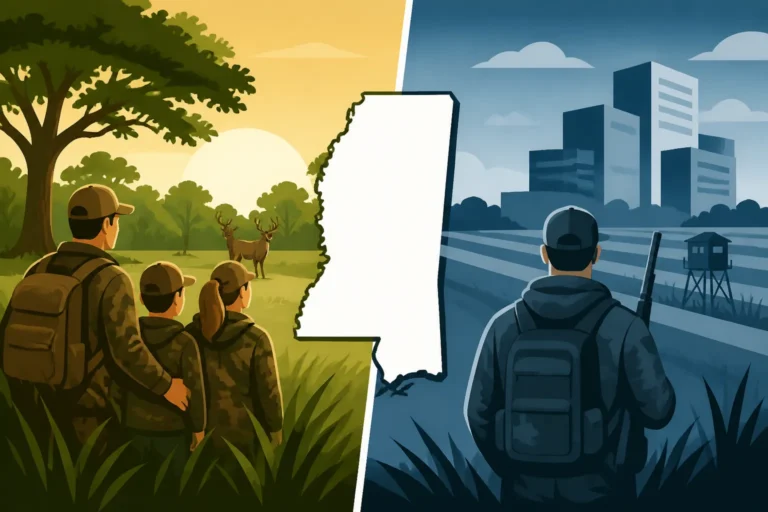
If you've ever scouted public land in Mississippi, particularly in the vast, flat expanse of the Delta, you've probably felt that familiar crunch of hunter traffic and thought, "Man, I wish I had more ground to myself." It’s a common frustration, and it’s why many of us look to outfitters. But have you ever wondered why some Delta outfitters boast leases spanning thousands, even tens of thousands of acres? It’s not just for bragging rights; it's a deeply strategic move rooted in the unique demands of this incredible hunting landscape, and understanding it can really shed light on the value they offer. This guide will peel back the layers to explain the logistical and strategic reasons behind these massive land holdings and how they ultimately benefit your hunting experience.
The Unique Landscape of the Mississippi Delta and Its Demands
The Mississippi Delta isn't your typical rolling hills or dense mountain forests. It's a world unto itself, shaped by the Mississippi River, agriculture, and the intricate dance between floodplains and fertile fields. This distinct environment creates specific challenges and opportunities that influence how successful outfitters operate.
Vast, Flat Expanses and Wildlife Movement
Imagine looking out over miles of flat farmland, broken only by scattered timber blocks, winding sloughs, and a distant tree line. That's a common sight in the Delta. Deer, turkeys, and especially waterfowl, don't just stay in one small woodlot. Their movements are dictated by food sources, water availability, and pressure, often covering immense distances in a single day or night. If a deer herd is pressured on one side of a property, they might relocate several miles away to find sanctuary. Waterfowl, of course, might fly dozens of miles between roosting and feeding areas.
For an outfitter to consistently put hunters on game, they need access to enough land to track and anticipate these large-scale movements. A small, fragmented lease might only offer a glimpse of this transient wildlife, making consistent success difficult. The sheer scale of the Delta means that game moves on a grand scale, and outfitters must operate on a similar scale to intercept them. Hunters often marvel at the amount of ground deer will cover here, and understanding this movement is key to Hunting Delta Unit Bottomland Deer.
Agriculture as a Dominant Force
Agriculture is the lifeblood of the Mississippi Delta, and it profoundly impacts wildlife patterns. Fields of corn, soybeans, cotton, and rice dominate the landscape, providing abundant but ever-changing food sources. What might be a deer hot spot in September (think standing soybeans) could be barren in November after harvest, forcing deer to find new forage. The timing of planting, growth, and harvest directly influences where game animals will be throughout the hunting season.
Outfitters with thousands of acres can manage access to diverse crop rotations. They might have access to a freshly cut cornfield that's drawing ducks one week, and then shift hunters to a standing bean field that's pulling in deer the next. This diversity allows them to adapt to agricultural cycles and ensure consistent food sources are always available within their managed areas. Without this broad access, an outfitter might find their limited ground suddenly devoid of game once the combines roll through. Being able to access different types of fields is crucial for tactics like Hunting a Standing Cornfield in Farm Country or Hunting Standing Cotton for Late Deer.
Strategic Advantages for Outfitters with Massive Leases
The vast acreage isn't just a number; it's a strategic asset that allows Delta outfitters to offer a superior hunting experience compared to smaller operations. It's about control, flexibility, and a deep understanding of game behavior in this unique environment.
Pressure Management and Sanctuary Areas
One of the biggest challenges in hunting any species, especially deer and waterfowl, is hunting pressure. Game animals quickly learn to avoid areas with heavy human disturbance. With thousands of acres, an outfitter can implement sophisticated pressure management strategies. They can rotate hunting spots, resting certain areas for days or even weeks to allow wildlife to settle back in. This creates de facto sanctuary areas where animals feel safe, letting them feed and bed undisturbed.
Imagine an outfitter with a 10,000-acre lease. They might only hunt a few hundred acres at a time, leaving thousands more as unpressured sanctuaries. This means when you arrive for your hunt, you're not walking into an area that's been hammered by hunters every day for weeks. This thoughtful rotation is a game-changer, especially during peak season, and directly contributes to a higher quality hunt. When you're researching outfitters, platforms like BookYourHunt often highlight those with extensive, well-managed properties specifically for this reason, as it significantly impacts success rates.
Diversity of Habitat and Hunt Scenarios
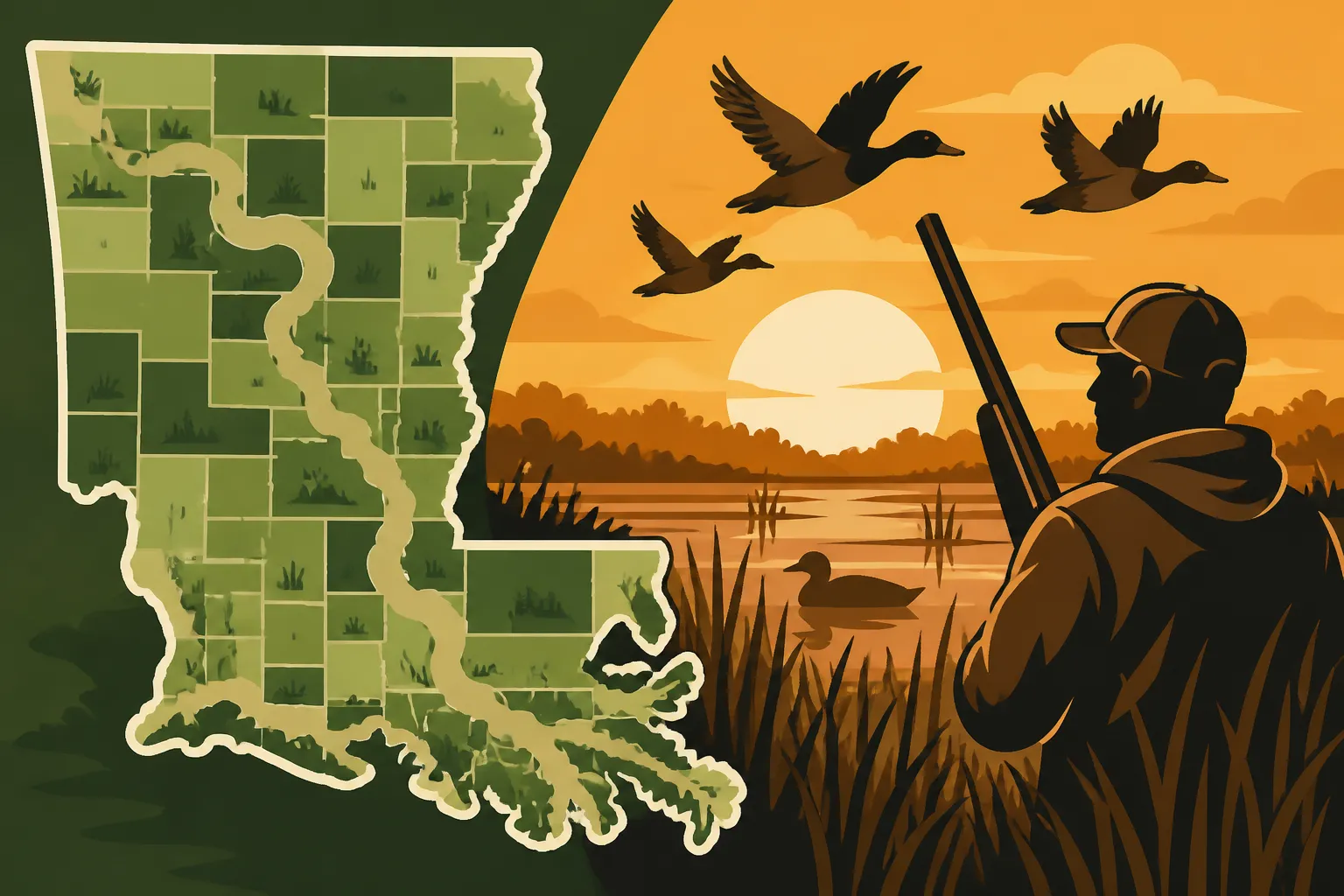
A massive lease isn't just more of the same; it's often more variety. Within thousands of acres in the Delta, an outfitter can typically access a wide range of habitats. This might include vast tracts of flooded timber for prime duck hunting, dense bottomland hardwoods bordering agricultural fields for deer, cypress and tupelo sloughs, meandering creek bottoms, and numerous field edges. This habitat diversity is a huge advantage.
If the ducks aren't flying into the flooded timber due to mild weather or low water, the outfitter can switch gears and take hunters to a layout blind setup in a cut cornfield. If deer aren't moving well along field edges, they can shift to still-hunting dense cover in a remote block of woods. This flexibility ensures that regardless of weather patterns, water levels, or game activity, the outfitter has multiple productive options at their disposal, maximizing your chances of success. It's the difference between being stuck with one strategy and having a whole playbook. Outfitters specializing in Flooded Timber Guide Services or Greentree Reservoir Guide Packages rely heavily on this varied access.
Consistency in Game Population and Quality
Controlling a large land base allows outfitters to implement comprehensive game management plans across their entire property. This goes beyond just resting areas. They can establish year-round food plots, manage timber for optimal wildlife browse and cover, and enforce strict harvest regulations (like specific antler point restrictions for deer or conservative duck limits). This kind of consistent, long-term management fosters healthier game populations and allows animals to reach older age classes and larger sizes.
For deer hunters, this translates to a better chance at encountering truly mature, trophy-class bucks. For waterfowl hunters, it means managed habitat designed to hold thousands of birds throughout the winter. It's an investment in the resource itself. Knowing that an outfitter has the scale to manage a consistent population is key to understanding Why the Delta Grows Older Bucks and is often a selling point when considering services from reputable outfitters.
What This Means for Hunters
So, why should you, the hunter, care about an outfitter's colossal land lease? It boils down to a significantly enhanced and more consistent hunting experience, taking much of the guesswork and frustration out of your trip.
Enhanced Success Rates and Trophy Potential
Let's be honest, we all want to be successful. When an outfitter manages thousands of acres, they are simply able to offer better opportunities. Reduced pressure, diverse habitats, and well-managed game populations directly lead to higher success rates. For deer hunters, this means not just seeing deer, but seeing quality deer. You're more likely to encounter mature bucks that have survived multiple seasons because they've had safe havens to retreat to. For duck hunters, it means access to fields and flooded timber that are actively holding birds, not just areas where birds might pass through.
The ability to move hunters around a vast property means that even if a specific area isn't producing on a given day, the outfitter has other options. This mitigates the risk of a "bad hunt" and increases the overall chance of filling your tag or limits. For those seeking a specific class of animal, like a trophy whitetail, working with outfitters who manage large tracts is often the most reliable path. That's why folks seek out Trophy Buck Guides in the Delta.
A True Mississippi Delta Experience
There's something truly special about being deep in the Mississippi Delta, surrounded by the sights and sounds of the region, feeling like you're hunting truly wild, unpressured land. When an outfitter controls thousands of acres, they can provide an immersive experience that feels far removed from crowded public land or small, heavily hunted private parcels. It’s about more than just the harvest; it’s about the adventure, the solitude, and the feeling of being in a genuinely wild place.
You might be tucked away in a remote flooded timber hole, hearing thousands of mallards whistle through the cypress trees, or perched on a stand overlooking an immense cut cornfield, watching deer emerge from a distant wood line. This scale allows for a more authentic and uninterrupted connection with nature and the hunt itself. It's the kind of adventure you research on platforms like GoHunt, seeking out those exclusive opportunities that smaller leases just can't replicate.
Flexibility and Adaptability to Conditions
Mississippi weather can be notoriously fickle. A sudden cold front can push ducks south, heavy rains can flood fields, or a warm spell can make deer movements sluggish. When an outfitter has thousands of acres at their disposal, they gain immense flexibility to adapt to these changing conditions. If the primary duck holes are frozen, they can shift to a flowing slough or a spring-fed pond. If a specific deer stand isn't seeing activity due to wind direction or recent pressure, they can move you to another, perhaps miles away, that offers a fresh perspective and unpressured game.
This adaptability is invaluable for ensuring a successful hunt, especially when you've traveled a long distance. It means your hunt isn't solely dependent on one small area producing. Outfitters are skilled at reading the conditions and making real-time decisions, and those decisions are far more impactful when they have a massive land bank to work with. This is why good outfitters have excellent Weather Contingency Policies for Duck Guides and a plan for What Happens If Water Levels Drop Mid-Season.
The Investment and Challenges of Managing Vast Leases
While the benefits to hunters are clear, it's important to remember that managing such extensive land holdings is no small feat. It involves significant financial investment, relentless work, and complex logistical demands for the outfitter.
Significant Financial Commitment
Leasing thousands of acres in prime hunting country, particularly in the agricultural heartland of the Delta, is incredibly expensive. Landowners lease their property for substantial sums, reflecting the quality of the land and the potential for revenue from hunting rights. These lease fees are often paid annually, representing a major recurring overhead for any outfitter. This financial commitment is a primary reason why guided hunts with such outfitters carry a higher price tag; you're essentially buying access to a meticulously managed, exclusive hunting experience on prime ground.
Beyond the initial lease costs, there are property taxes, insurance, and often agreements with landowners that include other forms of compensation or services. Understanding this financial burden helps hunters appreciate the value they receive when booking with a reputable operation. The cost reflects the quality of the resource and the management applied to it, and it explains factors like Mississippi Hunting Lease Prices Per Acre.
Intensive Management and Logistical Demands
The expense of leasing is just the beginning. Managing thousands of acres for optimal hunting requires a constant, year-round effort. This includes:
- Habitat Work: Planting and maintaining food plots, managing timber stands, controlling invasive species, and ensuring adequate cover. For waterfowl, this means meticulously managing water levels in flooded timber and impoundments, often requiring pumps and extensive levee systems.
- Infrastructure: Maintaining miles of access roads, building and placing dozens of deer stands and ground blinds, constructing duck blinds, and ensuring all equipment is safe and functional.
- Scouting and Monitoring: Continuous scouting throughout the year using trail cameras, aerial photography, and on-the-ground observation to understand game movements, patterns, and population health. This allows the outfitter to place hunters in the most opportune locations at any given time.
- Staffing: Employing a team of guides, land managers, and lodge staff to ensure operations run smoothly, from preparing meals to tracking game and providing expert guidance in the field.
All of these tasks require dedicated time, specialized equipment, and skilled personnel. It's a massive logistical undertaking that goes on long before and long after a hunter arrives at camp. This intensive management is precisely what transforms a large tract of land into a premier hunting destination, delivering the kind of experience that hunters are willing to invest in.
| Hunting Scenario | Why Large Leases are Key | Example Location on a Lease |
|---|---|---|
| Flooded Timber Duck Hunt | Requires vast areas for diverse water control and rotation | Specific greentree reservoirs or bottomland plots |
| Field Edge Deer Hunting | Access to varied crop rotations, multiple vantage points | Edges of corn, soybean, or winter wheat fields |
| Slough/Creek Bottom Hunting | Essential for natural travel corridors and cover | Hidden sloughs, meandering creek bottoms |
| Sanctuary Hunting | Dedicated low-pressure zones for deer to mature | Remote, unhunted blocks of timber or thickets |
Ultimately, an outfitter leasing thousands of acres in the Mississippi Delta isn't just seeking more ground; they're strategically building an entire ecosystem designed for consistent, high-quality hunting. It allows them to mitigate pressure, diversify hunting opportunities, and implement robust game management practices that benefit the wildlife and, in turn, the hunter. So, the next time you hear an outfitter talking about their expansive leases, you'll understand it's a testament to their commitment to providing a truly exceptional hunting experience in the heart of Mississippi.
Disclaimer
This article is for general informational purposes only and does not constitute professional advice. Laws, prices and regulations vary by location and change over time. Consult a qualified professional for guidance on your specific situation.