Trophy Buck Guides in the Delta
The Mississippi Delta holds a legendary status among whitetail hunters, whispered about in hushed tones for its potential to produce truly monumental bucks. However, finding and harvesting one of these elusive giants on your own can feel like searching for a needle in a vast, wild haystack. This guide is here to unravel the world of trophy buck guides in the Delta, helping you understand what these services offer and how to choose the right partner for your dream hunt.
Understanding the Mississippi Delta's Trophy Potential
There's a reason the Mississippi Delta features so prominently in conversations about big deer. It's a unique region with a blend of geography, habitat, and management practices that combine to create exceptional conditions for whitetails. But with that potential comes a distinct set of challenges that can easily overwhelm the unprepared hunter.
Why the Delta Region is Renowned for Big Bucks
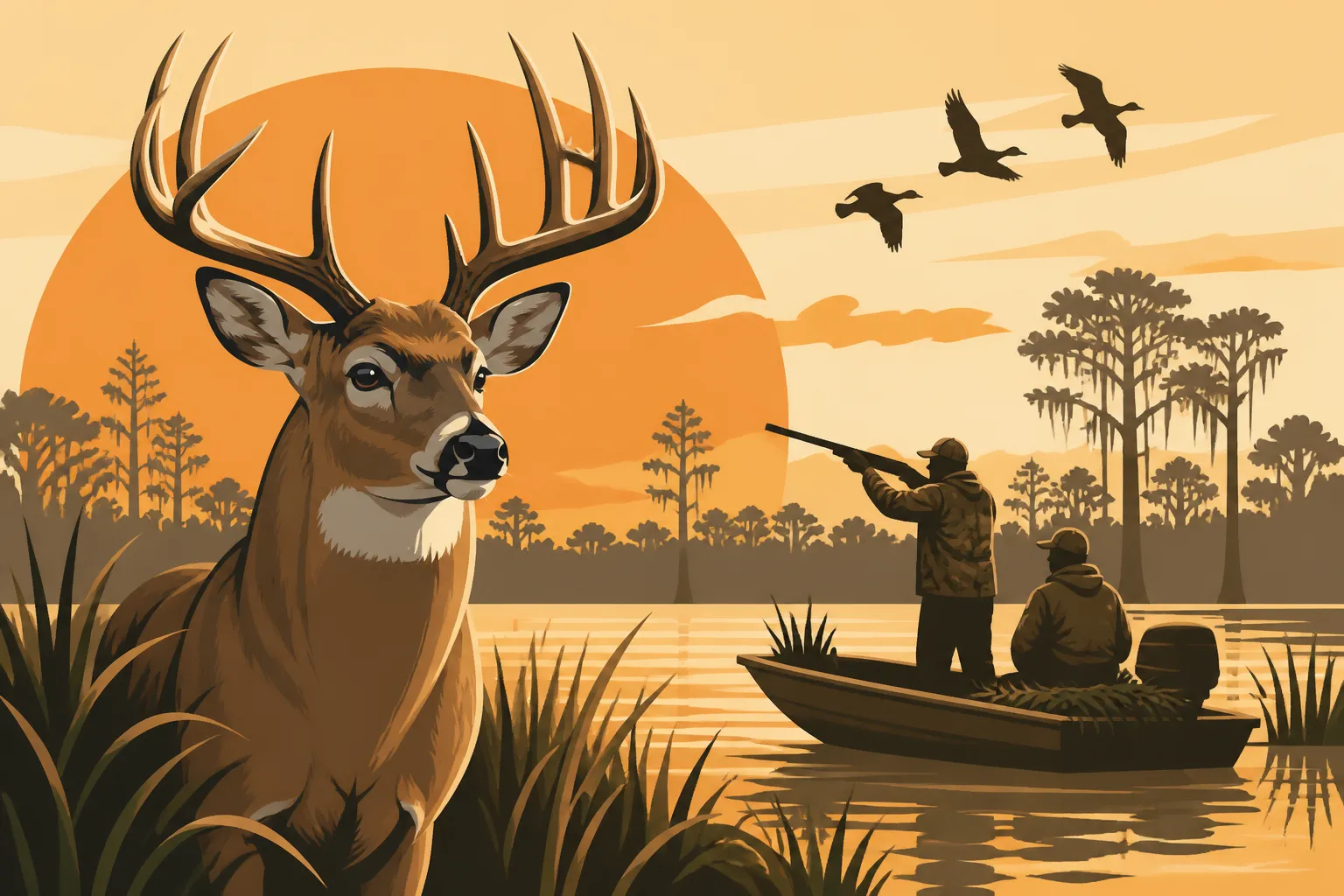
Imagine seemingly endless tracts of rich, fertile bottomland hardwoods, crisscrossed by sloughs and oxbow lakes, surrounded by vast agricultural fields of corn, soybeans, and rice. This is the Mississippi Delta, a true whitetail paradise. The soil here is incredibly productive, leading to lush vegetation that provides an abundance of high-quality forage year-round. Bucks in the Delta have access to consistent, nutrient-dense food sources that fuel exceptional body growth and antler development. It's not uncommon to hear tales of bucks that push the scales with their sheer mass, not just their headgear. The Delta's unique blend of habitat—dense cover in the timber, combined with the open, high-energy food of agricultural fields—creates an environment where deer can grow old and reach their full genetic potential. This region's historic floods and ever-changing landscape also ensure a dynamic ecosystem that keeps deer populations robust and adaptable. You might hear discussions about Why the Delta Grows Big Bucks, and it truly boils down to this incredible combination of nutrition, cover, and genetics.
The Specific Challenges of Hunting Delta Bucks
While the potential is undeniable, hunting the Delta is far from easy. For one, the terrain can be incredibly deceptive and challenging. Think thick, tangled briar patches, dense cane brakes, and vast stretches of flooded timber. Navigating this environment, especially in the dark pre-dawn hours or after a shot, demands a level of physical endurance and navigational skill that city parks simply don't prepare you for. Then there's the sheer size of the landscape; finding specific deer, or even general deer movement patterns, across thousands of acres of similar-looking timber and fields can be daunting. Public land, while available, often sees significant pressure, pushing mature bucks into the thickest, most inaccessible cover. Moreover, understanding the Delta Unit Antler Restriction Rules is critical, as they dictate what constitutes a legal buck, often requiring a minimum 12-inch main beam spread or specific number of points, which can be tough to judge in fleeting moments of encounter. The weather can also be a factor, from sweltering early season humidity to sudden cold fronts that can change deer behavior overnight. For many, tackling these challenges solo is part of the allure, but for those seeking a trophy, a guided hunt often provides the necessary edge.
What to Expect from a Guided Delta Trophy Buck Hunt
When you invest in a guided trophy buck hunt in the Delta, you're not just paying for a place to sit. You're leveraging years of experience, intimate knowledge of specific tracts of land, and professional logistics designed to maximize your chances of success on a big deer. It's a different animal than a DIY public land trip, offering a more structured and often more comfortable experience.
Typical Hunt Packages and Inclusions
Most Delta trophy buck outfitters offer various packages, usually spanning a few days to a week. These packages are typically all-inclusive or semi-inclusive, meaning they cover much more than just the hunt itself. You can expect quality lodging, which might range from comfortable cabins to fully appointed lodges with all the amenities. Meals are often provided, sometimes even prepared by a camp cook, adding to the classic hunting camp atmosphere. Of course, the core inclusion is the guided hunting experience itself, which involves a professional guide who knows the property like the back of their hand. They'll likely handle scouting, transport to and from stands, and possibly even field dressing. Some high-end packages might even include initial caping for taxidermy or basic processing services. It's crucial to understand What a Guided Mississippi Deer Hunt Costs as prices can vary significantly based on duration, inclusions, and the outfitter's reputation for producing big deer. Always get a clear breakdown of what's included before you book.
Common Hunting Methods and Stands
Delta outfitters employ a variety of methods to target trophy bucks, dictated by the terrain, habitat, and time of year. Given the dense cover, permanent box blinds or elevated shooting houses are very common, often strategically placed overlooking agricultural fields, food plots, or clear-cuts. These offer comfort and concealment, especially important during colder weather or when hunting over longer periods. Ladder stands and hang-on stands in key pinch points, funnels, or along travel corridors in the timber are also frequently used, particularly during the rut.
- Box Blinds/Shooting Houses: Excellent for comfort, scent control, and glassing large areas. Often positioned on field edges or overlooking planted food plots.
- Ladder Stands/Hang-ons: Placed in transition zones, creek bottoms, or near bedding areas, offering a stealthier approach for closer encounters.
- Ground Blinds: Less common for trophy hunts due to the elevated visibility needed, but used in specific dense cover situations.
Your guide will have a deep understanding of where deer are moving based on recent trail camera intel, food sources, and prevailing winds. They might utilize rattling and grunting techniques, especially during Hunting the Rut in the Delta Unit, to draw in curious bucks. Expect to spend long hours in the stand, as big Delta bucks often move during low-light conditions.
Antler Restrictions and Management Goals
A significant aspect of hunting trophy bucks in the Mississippi Delta, especially with a reputable guide, revolves around adhering to strict antler restrictions and the outfitter's broader management goals. As mentioned, the Delta Unit has specific rules designed to promote an older age class of bucks. For example, a legal buck often requires a main beam spread of 12 inches or more, or at least one main beam that is 15 inches long. This means passing up younger bucks, even if they have impressive racks for their age. Outfitters often have even stricter harvest criteria than the state minimums, aiming for bucks that are 4.5 years old or older to truly achieve "trophy" status. This commitment to quality deer management is what allows them to consistently offer opportunities at mature animals. Your guide will typically review these rules thoroughly with you, emphasizing the importance of ethical shot placement and proper identification before pulling the trigger. It's not just about taking a deer; it's about taking the right deer. This kind of disciplined management contributes to the overall health and quality of the Mississippi Deer Herd Size in the region.
| Factor | Typical Outfitter Hunt | Solo Public Land Hunt |
|---|---|---|
| Land Access | Exclusive, managed private land | Shared, often pressured public land |
| Scouting | Done by guide, fresh intel, trail cameras | Self-reliant, extensive personal effort required |
| Stand Placement | Professionally located, comfortable, strategic | Self-selected, limited comfort, may be less ideal |
| Lodging/Meals | Often included, comfortable, social | DIY camping or off-site, self-catered |
| Guide Service | Personalized assistance, tracking, knowledge | Independent, reliance on personal skill |
| Trophy Potential | Higher, due to management and exclusive access | Variable, depends on skill and luck |
| Cost | Significant investment | Minimal, primary expenses for gear/licenses |
Choosing the Right Delta Trophy Buck Guide or Outfitter
Selecting a guide for a trophy buck hunt is a significant decision. You're investing time, money, and your hopes into this experience. It's crucial to do your homework and ensure you're choosing a reputable and effective partner.
Key Questions to Ask Prospective Guides
Don't be shy about asking detailed questions. A good outfitter will welcome your inquiries and provide transparent answers. Here are some essential topics to cover:
- Success Rates and Opportunities: Ask about their actual success rates for trophy bucks, not just any deer. What are the typical shot opportunities? Be wary of outfitters who promise guarantees; hunting is never guaranteed.
- Land Management: Inquire about their land management practices. Do they plant food plots? What's their strategy for deer aging and harvest? How many acres do they manage, and how many hunters do they host at once?
- Guide-to-Hunter Ratio: A lower ratio generally means more personalized attention.
- What's Included (and Excluded): Get a precise list of services, lodging, meals, transportation, and any additional fees (e.g., trophy fees, caping, processing).
- Booking and Cancellation Policy: Understand deposits, payment schedules, and what happens if you need to cancel or if weather impacts the hunt.
- References: Always ask for recent references from hunters who pursued similar trophy buck packages. Talk to them and ask about their honest experience.
- Deer Harvest Reporting: Clarify how they assist with Mississippi Deer Reporting Requirements to ensure you stay compliant.
A thorough conversation will give you a good feel for their professionalism and how well their offerings align with your expectations.
The Role of Land Access and Habitat Management
In the Delta, land is king, especially when it comes to consistently producing trophy bucks. Outfitters who have secured access to large tracts of private land, particularly those bordering prime agricultural fields or significant timber blocks, offer a considerable advantage. This allows them to implement long-term habitat management plans that benefit deer. Think about year-round food plots, selective timber harvesting to improve forage and cover, and strict antler restrictions. This level of control over the environment is a major factor in why guided hunts on private land often yield higher success rates for mature deer than hunting pressured public ground. When vetting an outfitter, ask about their property: How large is it? What kind of habitat does it offer? How long have they leased or owned the land? Long-term relationships with landowners and a commitment to habitat improvement are strong indicators of a quality operation. This ties directly into the discussions around Finding a Mississippi Hunting Lease and the importance of managed land.
Reading Reviews and Checking References
In today's digital age, information is readily available, but discernment is key. Websites like BookYourHunt and GoHunt can be excellent resources for finding potential outfitters and reading reviews from past clients. These platforms often provide detailed listings, photos, and verified reviews that can offer insights into an outfitter's professionalism, the quality of their facilities, and their success rates. However, always take reviews with a grain of salt and look for patterns rather than isolated glowing or scathing comments.
Beyond online reviews, always ask the outfitter directly for a list of recent client references, preferably from the past year or two. When you contact these references, ask specific questions:
- Did the hunt meet your expectations?
- Was the guide knowledgeable and helpful?
- Were the accommodations and food as described?
- Was the outfitter transparent about costs and policies?
- Did you feel you had a legitimate opportunity at a trophy buck?
- Would you book with them again?
This combination of online research and personal testimonials is crucial for Vetting a Mississippi Outfitter Before You Book.
Costs and Logistics of a Delta Trophy Hunt
A guided trophy buck hunt is an investment, and understanding the financial and logistical aspects upfront is essential for a smooth and enjoyable experience.
Understanding Pricing Structures and What Drives Them
As mentioned before, specific prices fluctuate, but the shape of the cost for a guided Delta trophy buck hunt is generally higher than for a standard deer hunt. This is due to several factors:
- Exclusivity of Land: Prime Delta ground capable of growing trophy bucks is expensive to lease and manage.
- Intensive Management: Maintaining food plots, managing timber, running trail cameras, and enforcing strict antler restrictions takes significant resources.
- Guide Expertise: Experienced guides who consistently put hunters on big bucks command higher rates.
- Inclusions: High-quality lodging, gourmet meals, and extensive services all contribute to the overall package cost.
- Trophy Fees: Some outfitters charge an additional "trophy fee" if you harvest a buck exceeding a certain size. Always clarify if this applies and what the criteria are.
Packages often range from a few thousand dollars for a shorter, less inclusive trip to considerably more for multi-day, all-inclusive luxury experiences focused on top-tier animals. Be prepared for a substantial deposit to secure your booking, with the balance due closer to the hunt date. Discuss payment plans if needed.
Essential Gear and Preparation for Your Trip
While your guide will handle many logistics, you are responsible for personal gear and ensuring you're ready for the hunt.
- Firearm/Archery Equipment: Bring a rifle or bow you are proficient with. Delta bucks can be heavy-bodied, so appropriate caliber and bullet choice are crucial for clean kills. Ensure your firearm is sighted in accurately. Check Mississippi Legal Firearms for Deer Hunting rules.
- Clothing: Layers are key. Expect everything from chilly mornings to warm afternoons, especially during the early and mid-season. Waterproof outerwear is a must for potential rain or dew. Blaze orange requirements are in effect during specific seasons, so bring a vest and hat.
- Footwear: Waterproof, comfortable boots are essential for navigating damp or muddy terrain.
- Optics: Good binoculars are vital for spotting deer in dense cover or across vast fields. A rangefinder is also highly recommended.
- Hunting Pack: Daypack for snacks, water, calls, extra layers, and any personal medications.
- Personal Items: Toiletries, camera, and any comfort items for the lodge.
Beyond gear, ensure you are physically prepared. Walking to and from stands, climbing into elevated blinds, and potentially tracking a deer can be demanding. A moderate level of fitness will enhance your enjoyment and success.
Licenses, Permits, and Harvest Reporting
Before you even step foot in the Delta, you'll need the proper licensing. This is one area where outfitters typically provide guidance, but it's ultimately your responsibility.
- Mississippi Hunting License: Nonresidents will need a nonresident hunting license, often an "All-Game" license, and potentially a separate nonresident deer permit depending on the package duration. Understand Mississippi Nonresident License Options and what specific permits are required for deer.
- HIP Certification: If you plan on any bird hunting during your trip (e.g., dove or duck as an add-on), you'll also need HIP (Harvest Information Program) certification.
- Federal Duck Stamp: If waterfowl hunting is part of your package, a Federal Duck Stamp is required.
It's wise to purchase your licenses online through the MDWFP portal well in advance of your trip. Don't wait until the last minute, as technical issues can arise. Your guide will likely remind you about Mississippi Deer Reporting Requirements; after you harvest a deer, you are legally obligated to report it to the MDWFP, often through their app or website. Your guide can assist with this process.
Maximizing Your Experience on a Guided Delta Hunt
Booking a guided hunt is more than just showing up; it's a partnership. To truly get the most out of your Delta trophy buck experience, proactive communication, preparation, and understanding post-hunt logistics are paramount.
Communication and Expectations with Your Guide
Your guide is your greatest asset in the field, a walking encyclopedia of local deer knowledge. Establish clear communication from the moment you arrive.
- Be Honest About Your Skills: Let your guide know your experience level, shooting proficiency, and any physical limitations. This helps them tailor the hunt to you and set realistic expectations.
- Listen and Learn: Pay close attention to your guide's instructions regarding stand entry/exit, shot windows, and deer identification. They spend countless hours in this specific area and understand the nuances of local deer behavior.
- Express Your Goals: Reiterate your personal goals for the hunt (e.g., specific antler size, method of take). This ensures you're both on the same page. If the guide sets higher minimums than the state, respect that.
- Provide Feedback: During and after the hunt, give your guide feedback. Did you see deer? What were they doing? This intel is valuable for adjusting strategies.
- Respect Their Knowledge: Trust their judgment, even if it means sitting in a spot you might not have picked yourself. Their decisions are based on deep experience and current conditions. This partnership is vital for success, especially when discussions about Hunting the Rut in the Delta Unit come up.
Physical and Mental Preparation
A trophy hunt in the Delta can be demanding, both physically and mentally.
- Physical Conditioning: While you might not be trekking miles through mountains, sitting still for long hours, climbing into stands, and potentially tracking a large buck through thick cover requires stamina. Incorporate some walking, light cardio, and stretching into your routine before the trip.
- Shooting Practice: Practice shooting from various positions you might encounter (e.g., from a blind, off a rest) at typical hunting distances. Being confident in your shot placement is paramount, especially when presented with a fleeting opportunity at a big buck.
- Mental Toughness: Be prepared for long sits without seeing much, or for seeing several smaller bucks before the right one appears. Patience is a hunter's best friend. Trophy hunting is often about holding out for that single, perfect opportunity. The Delta's unique challenges, like tracking a deer through dense vegetation, require focus and persistence, sometimes even Blood Trailing After Dark in Mississippi.
Post-Hunt Logistics: Processing, Taxidermy, and Travel
Once you've harvested a trophy buck, the work isn't over. Your guide can be invaluable in navigating these crucial next steps.
- Field Dressing and Recovery: Your guide will likely assist with or handle the field dressing and recovery of your animal. This is especially helpful in the dense Delta cover.
- Processing: Discuss options for meat processing. Some outfitters offer basic processing on-site, while most will direct you to a local butcher shop. Factor in these costs, and consider how you'll transport the meat home, especially if traveling a long distance. Vacuum-sealing and freezing are often recommended. If you plan to travel by air, research airline regulations for transporting game meat well in advance.
- Taxidermy: If you've harvested a true trophy, you'll likely want to preserve the memory. Your guide can often recommend local taxidermists who specialize in deer mounts and understand proper caping techniques. Clarify if the outfitter provides any caping services, or if you're responsible for getting the cape and antlers to a taxidermist. Some hunters choose to take their cape and antlers to their preferred taxidermist at home. Understanding Mississippi Carcass Movement Restrictions is especially important if you've hunted in a CWD-management zone and plan to take the carcass across county or state lines.
- Tipping: It's customary to tip your guide and any other camp staff who enhanced your experience. The amount can vary, but generally, 10-20% of the hunt cost is a good guideline, depending on the level of service and success.
A well-planned trophy buck hunt in the Mississippi Delta, with the right guide and a clear understanding of what to expect, can be an unforgettable experience, connecting you with one of the South's most legendary deer hunting regions.
Disclaimer
This article is for general informational purposes only and does not constitute professional advice. Laws, prices and regulations vary by location and change over time. Consult a qualified professional for guidance on your specific situation.