Greentree Reservoir Guide Packages
There's nothing quite like the sound of mallards whistling through flooded timber before dawn, or the splash of a dozen birds cupping their wings into decoys set among cypress knees. But let's be honest, hunting Mississippi's greentree reservoirs can be an incredibly tough nut to crack on your own. Between navigating the dense timber, understanding ever-changing water levels, and knowing where the birds want to be, it’s a challenge that often leaves many of us feeling like we're just guessing. This guide is all about demystifying those incredible, sought-after experiences by exploring what greentree reservoir guide packages offer, helping you navigate the options, and ultimately setting you up for a memorable hunt in the Magnolia State's unique flooded timber.
The Allure and Challenges of Mississippi's Greentree Reservoirs
Mississippi's greentree reservoirs, especially those found within our national forests and Wildlife Management Areas (WMAs), represent some of the most iconic and productive waterfowl hunting grounds in the South. These are not just any flooded fields; these are mature bottomland hardwood forests, intentionally flooded during the duck season to create prime feeding and resting habitat for migratory birds. The towering oaks, sweetgums, and pecans provide natural cover, food in the form of acorns, and a landscape that truly immerses you in the tradition of Southern duck hunting.
However, the very elements that make these areas so magical also present significant challenges for the uninitiated. Water levels can fluctuate dramatically depending on rainfall and management schedules, making access tricky and often changing where ducks prefer to roost and feed. The timber itself, while beautiful, can be disorienting, and navigating a boat or even wading through it in the pre-dawn dark requires specialized knowledge and equipment. Then there's the art of calling in birds in such tight quarters, and understanding how they move through the canopy.
This complexity is precisely why many hunters, both seasoned and new, turn to guided trips. An experienced guide knows the ins and outs of these dynamic environments, often possessing an intimate knowledge of specific areas, current water conditions, and bird patterns that only comes from years of dedicated time afield. They take the guesswork out of scouting, setup, and logistics, allowing you to focus purely on the hunt. For many, a guided greentree reservoir hunt is the ultimate way to experience this quintessential Mississippi waterfowl tradition without the headache of figuring it all out yourself.
What to Expect from a Greentree Reservoir Guide Package
When you start looking into greentree reservoir guide packages in Mississippi, you'll quickly find that they aren't all cut from the same cloth. The offerings can vary quite a bit, from basic day hunts where you meet at a boat ramp and head straight into the woods, to multi-day, all-inclusive lodge experiences that handle everything from your meals to your waders. Understanding these variations is key to finding a package that aligns with your expectations and budget.
Most guide packages will, at a minimum, include the guide themselves, their specialized boat (often a custom-built timber boat), decoys, and expert calling services. The guide's primary role is to get you safely to the birds, set up a realistic spread, call effectively, and retrieve downed birds. They're your personal expert for the morning, navigating the flooded timber and interpreting the flight patterns. They often scout diligently before your hunt, ensuring you're going to a spot where birds have been working.
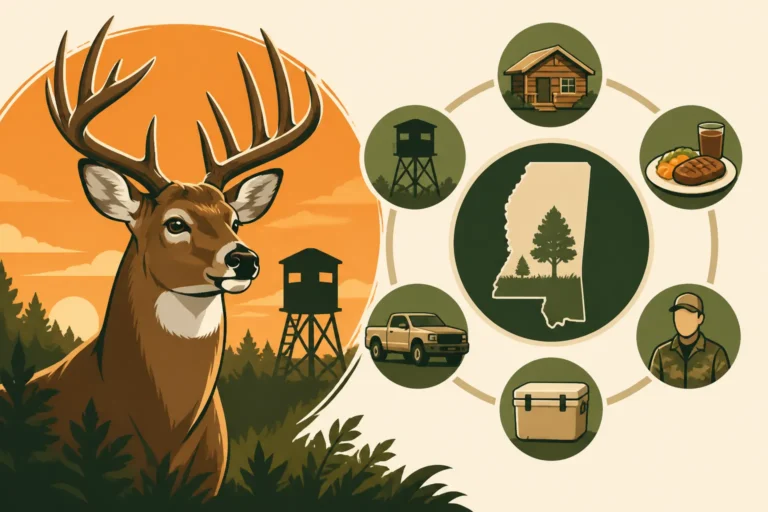
More comprehensive packages might add a whole host of amenities. This could include comfortable lodging, delicious Southern cooking for breakfast and dinner, and even transportation to and from the hunting grounds each day. Some outfits provide waders and shotguns, which can be a huge convenience for out-of-state hunters or those new to the sport who don't want to invest in specialized gear right away. It's truly about determining how much of the logistical heavy lifting you want to offload. For deeper insight into general waterfowl seasons, you might read up on Mississippi Waterfowl Zones and Seasons.
Typical Inclusions in a Guided Hunt
Generally, a guided greentree reservoir package will prioritize the hunting experience itself. You can almost always count on having a seasoned guide who knows the flooded timber like the back of their hand. They’ll usually have a well-maintained spread of decoys, often specialized for timber hunting with jerk strings or motion decoys to add realism. Their calling skills are typically top-notch, allowing them to communicate with birds effectively in the unique acoustics of the woods.
Beyond the core hunting elements, many guides will also handle retrieving birds with a trained dog, which is not only incredibly efficient but also a joy to watch. They’ll also take care of brushing up the blind or ensuring you're well hidden in the natural cover. Some might even offer to process your birds after the hunt, which is a fantastic perk, especially if you're traveling a long distance and don't want to deal with the mess. Always clarify these details when booking, as they can significantly impact your overall experience and any post-hunt chores.
What often distinguishes one package from another is the level of comfort and convenience offered. A basic day hunt might mean you bring your own snacks and drinks, while a high-end lodge package will provide gourmet meals and a fully stocked cooler. These amenities are reflected in the price, of course, but for many, the extra investment is worth it for a truly seamless and enjoyable trip. If you're considering a multi-day stay, you might want to look into Delta Duck Lodge Multi-Day Rates.
Comparing Lodge vs. Day-Rate Greentree Hunts
The choice between a lodge-based package and a simple day-rate hunt usually comes down to budget, time, and how much "experience" you're looking for beyond the actual shooting. A day-rate hunt is often more economical and might appeal to hunters who live locally or prefer to arrange their own lodging and meals. You typically meet the guide at a designated spot—a public boat ramp near Sunflower WMA or a private access point—hunt for the morning, and then you're on your own. It's a focused, no-frills approach to getting into the birds.
Lodge packages, on the other hand, offer an immersive experience. These are often multi-day affairs where you arrive, unpack, and don't have to think about much else besides hunting and relaxing. The camaraderie with other hunters, the stories shared around a fireplace, and the comfort of having everything handled can be a huge draw. These facilities often cater specifically to waterfowl hunters and understand the unique needs, from a warm place to dry gear to hearty meals designed to fuel a cold morning in the timber.
| Feature | Day-Rate Greentree Hunt | Lodge-Based Greentree Hunt |
|---|---|---|
| Duration | Typically 1 morning or afternoon | Multi-day (2-5 days typical) |
| Cost | Generally lower upfront | Higher, all-inclusive pricing |
| Lodging | Self-arranged (local hotels, rentals) | Provided at the lodge, often private rooms/cabins |
| Meals | Bring your own snacks/drinks | Breakfast, lunch (sometimes), dinner provided |
| Guide Service | Included, focus on the hunt | Included, highly focused on the hunt |
| Transportation | Self-drive to meeting point | Often includes transportation to/from hunting grounds |
| Amenities | Minimal beyond the hunt | Drying rooms, common areas, gear storage, bird cleaning service |
| Social Aspect | Limited, primarily with your group | Strong, shared experience with other hunters and staff |
| Ideal For | Local hunters, budget-conscious, focused | Out-of-state hunters, convenience, full experience, groups |
Consider your travel time, whether you're bringing a group, and how important the "after the hunt" experience is to you. For some, the social aspect and convenience of a lodge are just as important as the hunting itself, providing a true Mississippi Deer Camp Traditions style atmosphere, even for ducks.
Finding and Vetting Your Mississippi Waterfowl Outfitter
The sheer number of hunting outfitters and guides can feel overwhelming, and when it comes to booking a specialized hunt like a greentree reservoir experience, you want to make sure you're putting your hard-earned money and precious vacation time into capable hands. Finding the right outfitter isn't just about price; it's about matching your expectations with a guide's expertise, ethics, and style. Don't rush this process.
Many hunters start their search on reputable online booking platforms like BookYourHunt, where you can filter by specific hunt types and locations. These platforms often feature reviews and detailed descriptions of what each outfitter offers, which can be a good starting point for comparison. Another valuable resource is GoHunt, which can help you understand the landscape of available opportunities and provide tools for research. However, these are just starting points. The real vetting comes from digging deeper.
Once you have a few potential outfitters in mind, it’s crucial to make direct contact. A phone call allows you to gauge their personality, ask specific questions, and get a feel for their operation. Don't hesitate to ask for references from past clients; a good outfitter will be happy to provide them. Speaking with someone who has actually hunted with them can offer invaluable insights into what you can truly expect, both good and bad.
Key Questions to Ask Potential Guides
Before you commit to a guided greentree reservoir hunt, equip yourself with a list of questions. This isn't just about being thorough; it's about protecting your investment and ensuring a positive experience. Think about everything from logistics to safety to the actual hunt strategy.
First, ask about their experience specifically in greentree reservoirs. How long have they been guiding in these particular types of environments? What is their typical setup like? Will you be in a natural blind, a permanent blind, or wading in a specific area? Understanding their typical operation helps manage expectations. Next, clarify what exactly is included in the price. Are meals, lodging, and bird cleaning part of the package, or are they additional? Are there any hidden fees you should be aware of? This helps prevent sticker shock later on.
Don't forget to ask about group size – how many hunters will be in your party, and how many guides will be present? What is their policy on inclement weather or low water conditions? Do they have alternative spots or a cancellation/rescheduling policy? Finally, inquire about their safety protocols, especially given the unique challenges of hunting flooded timber. You're putting your trust in their hands, so ensure they prioritize safety. You might find more general vetting tips in Questions to Ask Before Booking a Mississippi Hunt.
Checking References and Online Reviews
After you've spoken with a few outfitters and narrowed down your choices, the next critical step is to check references. Any reputable guide will be happy to provide contact information for several recent clients. When you call these references, don't just ask "Was it good?" Ask specific questions: What was their favorite part of the hunt? What was one thing they wished they had known beforehand? How did the guide handle unexpected challenges, like slow hunting or bad weather? Were the accommodations as advertised?
Beyond personal references, delve into online reviews. While some reviews can be overly enthusiastic or unfairly negative, looking for patterns can be insightful. Do multiple reviews mention excellent dog work, good calling, or comfortable lodging? Conversely, do several point to issues with communication, poor organization, or consistently slow hunting? Websites like BookYourHunt and GoHunt often aggregate reviews, but also check social media pages and independent hunting forums. A balanced view, considering both the glowing and critical feedback, will give you a more realistic picture of what to expect. This due diligence is crucial for a successful trip, helping you avoid Red Flags When Booking in Mississippi.
Understanding the Investment: Costs of Guided Greentree Hunts
Let's talk turkey, or rather, ducks and dollars. A guided greentree reservoir hunt in Mississippi is an investment, and the costs can vary quite a bit depending on the outfitter, the duration of the hunt, and the level of amenities included. It's important to go into this process with a clear understanding of what you're paying for and what you can expect in return. While I can't give you exact figures, I can certainly describe the shape of the costs you'll encounter.
Generally speaking, a day-rate guided greentree hunt will be less expensive than a multi-day, all-inclusive lodge package. Day hunts focus primarily on the hunting experience itself, meaning you're paying for the guide's expertise, equipment, and access. Lodge packages, however, roll in the cost of accommodations, meals, and often other services, presenting a higher overall price tag but a much more hands-off experience for the hunter. The premium you pay for a lodge often reflects the convenience and comfort of having everything arranged.
It's also worth noting that demand can influence pricing. Peak hunting dates, especially during cold fronts that push new birds into the Mississippi Delta, might command a higher price or require booking far in advance. Some outfits might also offer different tiers of service, with "trophy" or specialized hunts for specific species potentially being at the higher end. Always get a detailed quote that breaks down all costs before you commit, and understand their deposit and cancellation policies, which can be quite rigid, especially for popular outfits.
Factors Influencing Guide Package Pricing
Several key factors will play into the final cost of your greentree reservoir guide package. The duration of your hunt is a primary driver; a single morning hunt will naturally cost less than a two or three-day package with overnight stays. Inclusions are also huge – does the price cover just the guide and decoys, or does it also include lodging, all meals, bird processing, and even loaner gear? The more amenities, the higher the price.
The reputation and experience of the outfitter also factor in. Guides with a long-standing track record of success, deep knowledge of prime hunting areas like those found within Delta National Forest Hunting, and top-notch equipment often command a higher rate. Their proven ability to put hunters on birds in challenging environments is a valuable commodity. Lastly, the location can influence price. Highly desirable hunting areas, particularly in the heart of the Mississippi Delta where duck concentrations are typically highest, might see slightly higher rates due to demand and prime real estate access.
Additional Costs to Budget For
Beyond the quoted price of the guide package, there are several other expenses you'll need to factor into your total budget for a guided greentree hunt. First and foremost, you'll need the appropriate Mississippi hunting licenses and stamps. This typically includes a general hunting license, a state waterfowl stamp, and a federal duck stamp. You'll also need to ensure you're HIP certified for migratory birds. Be sure to check what Mississippi Hunting Licenses and What They Cost currently includes.
Don't forget travel expenses, including gas, flights if you're coming from out of state, and any rental car costs. You'll also need to budget for ammunition, which can add up quickly, especially if the shooting is hot. Many hunters also choose to tip their guide and dog handler, which is customary for good service. This is a significant expense that often isn't included in the package price. Finally, consider any lodging or meals not covered by your package, especially if you opt for a day hunt. Having a clear picture of all these potential costs upfront will prevent any surprises. For more on tipping, check out Tipping Guides and Dog Handlers.
Preparing for Your Guided Greentree Reservoir Hunt in Mississippi
So you've booked your greentree reservoir guide package – congratulations! Now comes the fun part: getting ready. Proper preparation can make all the difference between a miserable morning and a truly unforgettable experience. Hunting flooded timber is a unique challenge, and bringing the right gear, having your licenses in order, and being mentally prepared for the conditions are all crucial steps.
One of the most common mistakes I see hunters make is underestimating the demands of a cold, wet, pre-dawn venture into the woods. It's not just about staying warm; it's about staying dry and being able to move comfortably through potentially deep water and thick brush. Even if the forecast seems mild, conditions in the timber can change rapidly, and being wet and cold will quickly ruin even the best duck hunt.
Your guide will provide the expertise for the hunt itself, but your personal readiness is entirely on you. Taking the time to gather the right clothing, practice your shotgun skills, and ensure all your paperwork is in order will allow you to relax and fully immerse yourself in the magic of hunting Mississippi's greentree reservoirs. This is where your investment in a guide truly pays off – by being fully prepared, you can leverage their knowledge to its fullest.
Essential Gear for Flooded Timber
Packing the right gear for a greentree reservoir hunt is paramount. First and foremost, waders are non-negotiable. Choose a pair that is well-insulated, durable, and waterproof, and ensure they fit comfortably for walking through mud and water. You'll also want multiple layers of warm, moisture-wicking clothing, preferably in camouflage patterns that blend with the timber environment. Think fleece, wool, or synthetic materials – avoid cotton for your base layers. A good waterfowl jacket that is waterproof and windproof is also essential.
For your hands and head, bring warm, waterproof gloves and a camo beanie or hat. A headlamp with a red light option is invaluable for navigating in the dark without spooking birds. Your shotgun should be reliable and chambered for steel shot, as lead shot is illegal for waterfowl. Make sure to have plenty of non-toxic shells (steel, bismuth, or tungsten) in sizes appropriate for ducks (e.g., #2, #3, or #4 shot). A waterproof blind bag for your shells, snacks, calls, and other essentials is also a must. Finally, consider bringing a thermos of hot coffee or soup; it can be a real morale booster when the temperatures drop.
| Item | Key Features | Why It's Essential for Greentree |
|---|---|---|
| Insulated Waders | Durable, waterproof, comfortable fit, insulated for cold water | Keeps you dry and warm in deep water, essential for wading |
| Layered Clothing | Moisture-wicking base, insulating mid, waterproof/windproof outer | Adapts to changing temps, manages sweat, provides warmth |
| Waterproof Jacket | Windproof, breathable, appropriate camo pattern | Protects from rain, wind, and chilly conditions |
| Waterproof Gloves | Insulated, allows dexterity for shooting and calling | Keeps hands warm and dry, prevents frostbite |
| Headlamp | Red light option, bright enough for navigation | Safe movement in pre-dawn darkness, minimal bird disturbance |
| Reliable Shotgun | 12-gauge or 20-gauge, handles non-toxic shot | Primary tool for the hunt |
| Non-Toxic Ammo | Steel, bismuth, or tungsten, appropriate shot size | Legal requirement, effective for waterfowl |
| Waterproof Blind Bag | Durable, sufficient capacity, easy access | Protects gear from water, keeps essentials organized |
| Thermos | Insulated, easy to open with cold hands | Provides warm comfort on cold mornings |
License and Hunter Education Requirements
Before you even think about packing your bags, ensure all your licenses and certifications are squared away. For any waterfowl hunting in Mississippi, you'll need a valid Mississippi hunting license, a Mississippi waterfowl stamp, and a federal duck stamp. Additionally, you must be Harvest Information Program (HIP) certified for migratory birds. It's easy to overlook one of these, but missing even one can result in a hefty fine and a ruined hunt. All these can typically be purchased online through the MDWFP website or at authorized license vendors.
If you're an out-of-state hunter, you'll specifically need a non-resident hunting license, which will likely cost more than a resident one. Check the requirements carefully for specific non-resident permits. You also need to be aware of Mississippi Hunter Education Requirements. If you were born after a certain date (check the current regulations), you'll need to have completed an approved hunter education course. Always carry proof of your licenses and certifications with you in the field, either physically or digitally on your phone via the MDWFP app, which is a convenient way to keep everything organized. Don't wait until the last minute to get these in order!
Maximizing Your Experience and Post-Hunt Logistics
You've done the research, booked the hunt, packed your gear, and arrived ready for action. Now, how do you make sure you get the absolute most out of your guided greentree reservoir experience, and what happens once the last shot is fired? A guided hunt is a partnership with your guide, and being a good client can significantly enhance your experience, and theirs.
Communication is key, both before and during the hunt. Listen attentively to your guide's instructions on safety, blind etiquette, and shooting zones. They're trying to put you in the best position for success and safety. Don't be afraid to ask questions, but respect their expertise and judgment, especially when it comes to calling or bird movement. They live and breathe this stuff.
After the hunt, there's still a bit of work to be done, from bird handling to showing appreciation. Understanding these post-hunt logistics will ensure a smooth transition from the timber back to civilization, allowing you to savor the memories and the fruits of your labor.
On-the-Day Tips for a Successful Hunt
Once you're in the timber, settled into your spot, a few things can help ensure a great hunt. Be quiet. The acoustics of flooded timber can carry sound far, and loud talking or rustling can easily spook wary ducks. Listen to your guide's cadence for calling and respond accordingly. When it's time to shoot, know your zone. Your guide will typically tell you when and where to shoot to maximize your chances and ensure safety. Resist the urge to sky-bust; wait for birds to commit to the decoys.
Focus on a single bird. In a flurry of ducks, it's easy to get overwhelmed. Pick one bird, focus on it, and shoot. Having a few practice swings with an unloaded gun at home can help with this target acquisition. Stay still and hidden. Ducks have incredible eyesight, especially in the timber where there's less open sky. Minimize movement and stay camouflaged. And perhaps most importantly, be patient and enjoy the moment. Some days the ducks fly thick and fast, and other days they are scarce. Regardless, being out in a Mississippi greentree reservoir, surrounded by nature, is an experience in itself. Even on slow days, you can learn a lot from observing bird behavior and listening to your guide's insights about Duck Migration Timing Through Mississippi or How Many Ducks Winter in the Delta.
Bird Processing and Trophy Care
After a successful hunt, your guide will typically gather the birds. Many outfitters offer bird cleaning services as part of their package or for an additional fee. This is a huge convenience, as cleaning ducks can be a messy and time-consuming process, especially if you've had a good shoot. If you choose to clean them yourself, ensure you have the proper tools and a designated area. Remember to keep the head or one wing attached to migratory birds until you've reached your final destination to comply with identification regulations.
For those planning to mount a bird, communicate this with your guide as soon as possible, ideally before the hunt. They can help you identify a prime specimen and advise on the best way to handle it immediately after the shot to preserve its plumage. They might even have connections with local taxidermists. Proper care involves gentle handling, avoiding damage to feathers, and prompt cooling. Place the bird in a plastic bag, carefully flatten the feathers, and chill it immediately. This is crucial for maintaining the quality of the trophy. Always confirm what specific rules apply to Mississippi Duck Daily Bag Limit and Mississippi Mallard Sub-Limit Rules.
Disclaimer
This article is for general informational purposes only and does not constitute professional advice. Laws, prices and regulations vary by location and change over time. Consult a qualified professional for guidance on your specific situation.