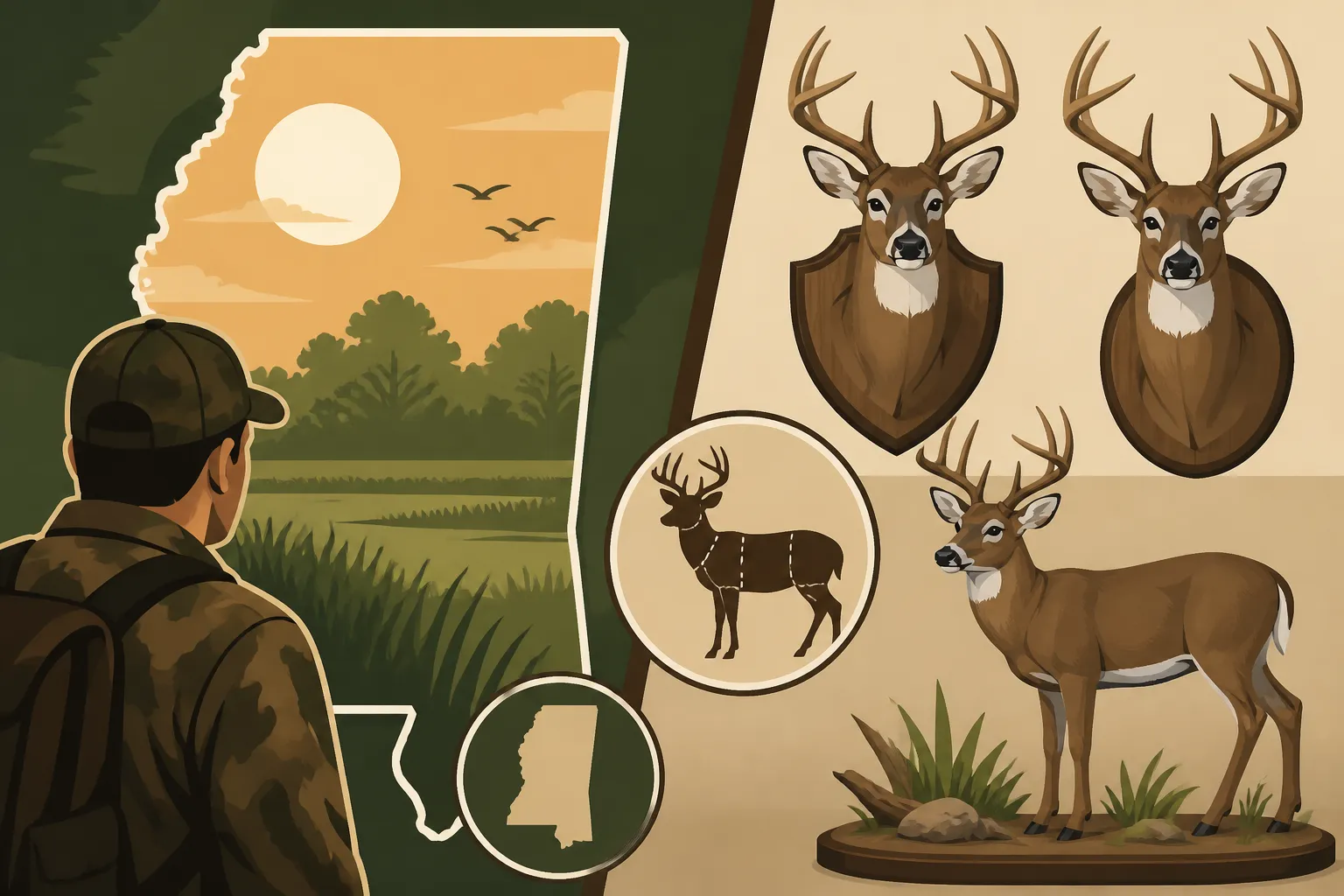
Full-Body Mount Arrangements Through a Guide
You’ve just taken that incredible trophy of a lifetime in the wilds of Mississippi – maybe a magnificent Delta buck or a gobbler strutting proudly in the spring woods. The adrenaline is still coursing, and as you stand over your prize, the thought hits you: "This isn't just a shoulder mount. This deserves the full treatment." But then, a wave of practical concerns washes over you. How do you even begin to manage a full-body mount, especially when you're on a guided hunt, possibly far from home, and you need to ensure every detail is handled perfectly from the field to the taxidermist? This guide will walk you through making full-body mount arrangements through your Mississippi hunting guide, ensuring your trophy is preserved exactly as you envision.
Deciding on a Full-Body Mount: More Than Just a Moment
Before you even think about the logistics, it's crucial to understand the commitment involved with a full-body mount. This isn't just a minor upgrade from a shoulder mount; it's a significant investment in terms of cost, space, and preservation care. Many hunters dream of immortalizing their trophy in this way, but it's a decision that really needs some thought, ideally before you even head out on your hunt.
The Commitment to a Lifelong Display
A full-body mount is a true piece of art, a three-dimensional snapshot of your hunting memory. It captures the animal's essence, its posture, and its presence in a way that other forms of taxidermy often cannot. Think about that majestic gobbler in full strut, tail fanned and beard dragging, or a massive whitetail buck poised as if it’s still scanning the timber. These are powerful images, and a full-body mount brings them to life. However, this level of realism comes with its own set of considerations.
First, consider the sheer size. A full-body deer mount, even a smaller one, takes up considerable floor space. You'll need to envision where this piece will live in your home or lodge. Will it fit through doorways? Do you have the ceiling height? It’s not uncommon for hunters to realize after the fact that their dream mount doesn't quite fit their living space. Beyond space, there's the aesthetic integration. A full-body mount becomes a focal point, sometimes the focal point, of a room. You’ll want to ensure it complements your decor and doesn’t feel out of place. This isn't just a trophy; it's a major piece of furniture and art.
Understanding the Cost and Ongoing Care
Let's be realistic: a full-body mount is a premium service. The cost is significantly higher than a shoulder mount due to the extensive labor, materials, and specialized skills required. Taxidermists invest many hours into meticulously recreating the animal's musculature, hair patterns, and natural pose. While specific figures will vary widely, expect a full-body mount to cost several times what a shoulder mount would. This is an investment you’ll want to budget for, potentially even discussing it with your guide or a recommended taxidermist before your hunt. It’s also wise to check what a typical What a Guided Mississippi Deer Hunt Costs includes, as taxidermy is almost universally an extra expense.
Beyond the initial cost, remember that a full-body mount, like any fine art, requires ongoing care. This means regular dusting, protecting it from direct sunlight to prevent fading, and maintaining stable humidity levels to prevent cracking or shrinking. It's a long-term commitment to preserving your memory, and a good guide or taxidermist can provide advice on these maintenance aspects.
The Guide's Pivotal Role in Field Care and Preservation
This is where having a knowledgeable Mississippi hunting guide truly pays off when planning a full-body mount. The guide is your first line of defense in ensuring your trophy is properly cared for from the moment it hits the ground. Improper field care can ruin a mount before it even reaches the taxidermist's shop, making the guide's expertise invaluable.
Immediate Post-Harvest Preparation: Caping and Initial Cooling
The moment you harvest an animal destined for a full-body mount, your guide's work immediately shifts into high gear. Unlike a shoulder mount where a basic cape cut is sufficient, a full-body mount requires a much more extensive and precise skinning process. This is often referred to as "caping out" the entire animal. The guide, if experienced in trophy preparation, will know exactly where to make the cuts to ensure the taxidermist has ample hide to work with, including paws, ears, and facial features. They understand the intricacies of skinning around the feet and head, which are critical for a realistic mount.
Many guides carry specialized knives and tools specifically for this task. They also understand the urgent need for cooling. Mississippi can be incredibly warm, even into the late deer season or early turkey season. Rapid cooling is paramount to prevent hair slippage or spoilage. Your guide will likely have large coolers, ice, or access to cold storage facilities to get the hide chilled as quickly as possible. This initial, rapid cooling step cannot be overstated in its importance. The quality of your eventual full-body mount hinges directly on how well this first stage is managed. You might even discuss Field Dressing a Deer in Warm Weather tactics with your guide beforehand.
From Field to Freezer: Salt, Storage, and Transport
Once the animal is skinned, the hide needs further preservation if it's not going directly to a taxidermist for immediate processing. The most common method is salting. Your guide, or the staff at your hunting lodge, might have large quantities of non-iodized salt on hand. The hide is spread out, flesh side up, and thoroughly salted to draw out moisture. This acts as a powerful preservative, preventing bacterial growth that leads to hair slippage. After a day or two of salting, the hide is typically rolled up, re-salted, and placed in a freezer.
A well-equipped hunting lodge or guide service will have large freezers capable of storing full hides. This is a huge advantage, especially for non-resident hunters who can't immediately drive their trophy home. This frozen storage buys you time to make arrangements for transport. Discussing these logistics with your guide before the hunt is essential. Ask if they have the facilities and experience for full-body mount preparation and storage. A good guide will be transparent about their capabilities and can reassure you of their plan. For example, if you're booking a guide through a service like BookYourHunt, check their listings or call the outfitter directly to confirm these services.
Connecting with a Local Taxidermist: The Guide's Network
One of the biggest advantages of hunting with a guide, especially for a specific trophy, is their local network. They live and breathe the hunting culture of Mississippi, and that often includes close relationships with reputable taxidermists. This connection can save you a lot of headache and ensure your valuable hide ends up in capable hands.
Leveraging Local Expertise and Trust
Mississippi has a vibrant hunting community, and with it comes a talented pool of taxidermists. Finding the right one, especially from out of state, can be daunting. Your guide likely has years of experience sending trophies to local artisans and knows who does exceptional work, particularly for full-body mounts. They can recommend taxidermists known for their attention to detail, realistic posing, and timely turnaround. This isn't just about convenience; it’s about entrusting your once-in-a-lifetime trophy to someone proven and reliable.
When your guide recommends a taxidermist, it carries weight. This often means the taxidermist understands how the guide operates, what level of field care to expect, and might even offer more streamlined communication. They're often part of the same hunting ecosystem. Ask your guide for a few recommendations and even if they can make the initial contact for you. Some guides have standing arrangements with taxidermists, making the hand-off seamless. You might also want to ask about Which Taxidermists Take CWD Samples as this can be a crucial service, especially if your hunt was in one of Mississippi's Chronic Wasting Disease Zones.
Facilitating the Hand-Off and Initial Consultation
Once the hide is prepped and cooled, your guide can often facilitate the direct transfer to the taxidermist. This might involve a quick trip to the shop, or the taxidermist might even pick up the hide from the lodge. This eliminates the need for you to personally transport a large, frozen hide across distances, freeing you up to enjoy the rest of your trip or focus on your journey home.
At this stage, your guide can help you communicate your vision to the taxidermist. You might have a specific pose in mind for your buck or gobbler, and the guide can articulate the nuances of the animal's behavior in the field that you want captured. This initial consultation, even if brief, sets the stage for the quality and accuracy of your mount. You’ll discuss pose options, habitat bases, and any custom elements you desire. It’s also the time to understand payment schedules and projected completion times.
Logistics of Transport and Pickup: Getting Your Trophy Home
So, your guide has done an amazing job with field care, and your hide is safely with a top-notch Mississippi taxidermist. Now comes the next logistical hurdle: getting the finished full-body mount from Mississippi to your home, wherever that may be. This is often the part that causes the most anxiety for hunters, especially those from out of state.
Shipping Options for Finished Taxidermy
Shipping a full-body mount is significantly more complex than shipping a shoulder mount or antlers. They are large, heavy, and delicate. Most taxidermists have experience with shipping and can advise on the best methods. Often, this involves crating the mount in a custom-built wooden crate to protect it during transit. Specialized freight carriers or art shippers are usually employed for such valuable and fragile items.
When arranging shipping, consider the following:
- Cost: Shipping a full-body mount can be expensive due to its size and the specialized handling required. Get a quote from the taxidermist that includes crating and shipping insurance.
- Insurance: Always insure your mount for its full value. Accidents can happen, and you want to be protected.
- Delivery Logistics: Ensure you have a clear plan for delivery at your end. Do you need a lift-gate service? Will you need help moving the crate into your home or shop?
- Timing: Shipping can take time. Discuss estimated delivery windows with the taxidermist.
It's also important to be aware of any Mississippi Carcass Movement Restrictions, especially concerning CWD zones. While a finished, clean taxidermy mount is generally exempt, it's always wise to double-check current regulations or ask your guide and taxidermist for the most up-to-date information, particularly if you're taking it across state lines.
Planning for Pickup and Alternative Solutions
If you live within driving distance or plan another trip to Mississippi, picking up your mount personally can be a great option. This allows you to inspect the finished product and potentially save on shipping costs. However, remember the size of a full-body mount – you’ll need an appropriately sized vehicle, like a truck with a cap or a large enclosed trailer.
Here's a comparison of shipping vs. personal pickup:
| Feature | Shipping (via Taxidermist) | Personal Pickup |
|---|---|---|
| Convenience | High, professional handling, delivered to your door | Lower, requires dedicated travel and appropriate vehicle |
| Cost | Higher, includes crating, freight, insurance | Lower for transport, but factor in travel expenses (fuel, lodging) |
| Risk | Minimal with insurance, but relies on third-party handling | Minimal if careful, full control over handling |
| Inspection | Often only upon delivery, less immediate interaction | Direct inspection with taxidermist, immediate feedback possible |
| Vehicle Needs | None on your end (unless delivering to a specific room) | Large truck/trailer, proper padding/straps for safe transport |
Some hunters choose to combine their pickup with another hunting trip. For example, if you book a duck hunt through GoHunt in the Delta, you might schedule it around the completion of your deer mount to pick it up on your way through. This can be a great way to save on travel and make the most of your time in Mississippi.
Tips for a Smooth Full-Body Mount Process
Ensuring your full-body mount journey is as smooth as possible requires proactive planning and clear communication. Don't leave anything to chance!
Communicate Early and Often
The single most important tip is to discuss your desire for a full-body mount with your guide before you even book the hunt, or at the very least, as soon as you arrive at camp. This gives them time to prepare for the specific field care requirements and to line up their trusted taxidermy contacts. Don't spring it on them after the animal is down!
- Before the Hunt: Ask about their experience with full-body mounts, their field care process, and their network of taxidermists. Inquire about any additional fees for specialized skinning or initial preservation. This is a good question to ask when Vetting a Mississippi Outfitter Before You Book.
- During the Hunt: Reiterate your intentions, especially if the opportunity for a trophy arises. Confirm the plan for field care and cooling.
- After the Harvest: Stay engaged in the conversation about the skinning process, the taxidermist selection, and the initial transfer.
Document Everything
Take photos of your animal in the field immediately after harvest. These photos are invaluable references for the taxidermist to capture accurate coloring, muscle definition, and natural poses. Document the entire process, from field care to the initial hand-off. Keep records of all communications, agreements, and payment schedules with both your guide and the taxidermist. This paper trail can be helpful if any questions arise later.
Be Patient and Realistic
Creating a high-quality full-body mount takes time – often many months, sometimes even over a year, depending on the taxidermist's workload and the complexity of the piece. Avoid rushing the process. A good taxidermist is an artist, and art cannot be rushed. Be patient, trust the professionals you've chosen, and understand that the wait will be worth it for a truly exceptional piece of work. After all, you've invested heavily in your Mississippi Deer Camp Traditions and the hunt itself; ensure the final product reflects that commitment.
Disclaimer
This article is for general informational purposes only and does not constitute professional advice. Laws, prices and regulations vary by location and change over time. Consult a qualified professional for guidance on your specific situation.