Mississippi Deer Camp Traditions
Hunting in Mississippi isn't just about bagging a deer; for many, it's about a connection to a deep-rooted heritage, a feeling that modern life often struggles to provide. The hustle and bustle of our daily grind can sometimes make us feel disconnected from the traditions that truly matter. This guide dives deep into the heart of Mississippi deer camp culture, exploring the enduring rituals, unspoken rules, and cherished moments that make it far more than just a place to hunt.
The Heart of Deer Camp: More Than Just Hunting
There’s a unique magic to Mississippi deer camp. It’s a place where time slows down, where the scent of coffee and woodsmoke mingles with the crisp morning air, and where the bonds of friendship and family are forged and strengthened over generations. It’s not just a base for hunting; it’s a living, breathing tradition that means something profoundly important to those who participate.
The Gathering Place: From Rustic Cabins to Modern Lodges
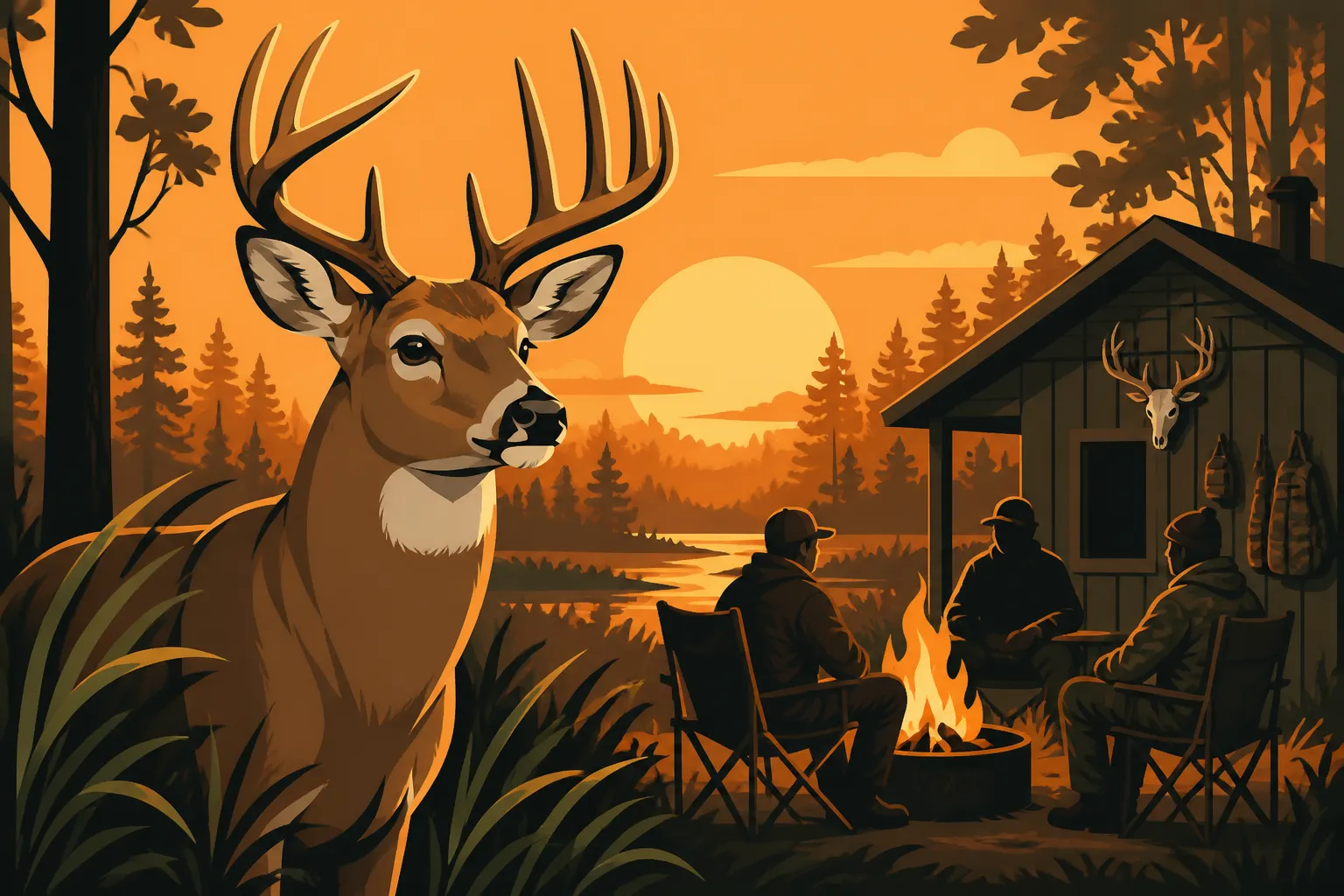
Whether it's an old, weathered cabin that's seen decades of hunting seasons, a beat-up camper trailer parked in a secluded spot, or a newly built lodge with all the creature comforts, the physical space of a deer camp is central to its identity. These aren't just buildings; they're sanctuaries where hunters come together to escape the everyday, to strategize about their next outing, and to simply be in good company. You'll find camps tucked deep into the Delta bottomlands, perched on a piney ridge in the Hills Unit, or nestled near a meandering creek in the Southeast. Each location lends its own flavor to the camp experience.
The evolution of deer camp spaces reflects the changing times, yet the core purpose remains. While some camps might still boast an outhouse and a well, others have Wi-Fi and satellite TV. The key is that it's a shared space, a communal hub. Even with all the advancements in scouting technology, where hunters use apps like GoHunt to pinpoint deer movement or Scouting Mississippi Public Land Before Season, the camp itself is where that information is shared, debated, and ultimately, where plans are cemented over a shared meal. It’s about being together, not just being efficient.
This communal spirit is what truly sets deer camp apart. It’s where stories are told and retold, where new memories are made, and where the younger generation learns from the seasoned veterans. The specific location and amenities might vary wildly from one camp to the next, but the shared purpose of camaraderie and the pursuit of deer is constant. It's a place where everyone has a role, and every contribution, big or small, adds to the collective experience.
Shared Meals and Storytelling
If the camp structure is the body, then the shared meals and storytelling are its very soul. Food at deer camp is rarely fancy, but it’s always hearty and plentiful, often featuring wild game from previous hunts. Venison chili, fried fish, squirrel stew, and homemade biscuits are staples. These aren't just meals; they're events, often cooked communally, with everyone pitching in, chopping vegetables, stirring pots, or tending the grill. The smell of frying bacon and coffee on a cold morning is as much a part of the tradition as the sound of a distant gunshot.
Around these tables, often long wooden ones scarred with years of use, the real magic happens. This is where the day's hunting adventures are relived, sometimes with a fair bit of embellishment. The "one that got away" becomes a legend, the "biggest buck I ever saw" grows a few extra points with each telling, and every successful harvest is celebrated. These stories aren't just entertainment; they're a way to pass down wisdom, to teach new hunters about deer behavior, tracking, and the nuances of the land. It’s an oral tradition as old as hunting itself, tying each generation to the ones that came before.
The bonds forged over these meals and stories often last a lifetime. It's in these moments that hunters share their triumphs and their frustrations, offering encouragement and advice. The laughter around a camp table after a long day in the woods is a powerful sound, a testament to the enduring human need for connection and shared experience. It reminds everyone why they keep coming back, year after year, sometimes more for the camp than for the hunt itself.
Rituals and Rites of Passage
Deer camp is rich with rituals, some ancient, some more personal to specific camps, but all serving to reinforce the values and traditions of hunting. These rituals help mark transitions, instill respect, and build a sense of belonging among hunters. They are the threads that weave the fabric of the camp’s unique culture.
First Deer Ceremony
Perhaps one of the most significant rituals in any deer camp is the celebration of a hunter’s first deer. This isn't just about harvesting an animal; it's a symbolic rite of passage, especially for young hunters. While the specific traditions vary, they often involve a symbolic "blooding" of the face, where a small amount of deer blood is smeared on the new hunter's cheek or forehead. It’s meant to connect the hunter directly to the animal and the earth, reminding them of the life taken and the respect owed.
Another common practice is for the new hunter to share details of the hunt, from the shot placement to the tracking. This isn't just recounting a story; it's an opportunity for experienced hunters to offer advice, validate the effort, and reinforce ethical hunting practices. Sometimes, the new hunter might even be tasked with helping Field Dressing a Deer in Warm Weather or Butchering a Deer at Camp, further cementing their role in the full cycle of the hunt, from field to table.
The first deer ceremony is profoundly meaningful, often met with cheers, handshakes, and good-natured ribbing. It signifies the acceptance of a new member into the hunting fraternity and marks the beginning of their own journey as a responsible, ethical hunter. It’s a moment of immense pride for the new hunter, and for the mentors, it's a proud testament to the successful passing of the torch.
The Camp Work Ethic and Chores
Deer camp isn't all relaxation and tall tales; there's a strong, undeniable work ethic that underpins the entire operation. From setting up camp before the season, maintaining equipment, to the crucial task of processing game, everyone is expected to pull their weight. It’s a collective effort, emphasizing teamwork and shared responsibility, traits that are just as vital in the woods as they are back at camp.
Chores might include everything from splitting firewood, cleaning the kitchen, hauling water, to keeping the generator running. When a deer is harvested, especially a big buck or multiple does, the work intensifies. The communal effort to process the animal, whether skinning it out at a designated processing station or preparing it for the butcher, is a key part of the experience. These tasks, though sometimes messy and physically demanding, are done with a sense of purpose and camaraderie, ensuring that the meat is handled properly and nothing goes to waste.
This shared labor reinforces the idea that hunting is more than an individual pursuit; it's a community endeavor. It teaches practical skills, fosters appreciation for the effort involved in bringing food to the table, and strengthens the bonds between camp members. It’s a reminder that a successful hunt isn't just about the shot; it’s about all the hard work that goes into it, from start to finish.
The Unspoken Rules and Etiquette
Every good Mississippi deer camp operates on a set of unspoken rules and a code of etiquette that, while rarely explicitly written down, are understood and deeply respected by all members. These guidelines ensure harmony, safety, and a positive experience for everyone involved, maintaining the integrity of the tradition.
Respect for Property and Other Hunters
One of the cornerstones of deer camp etiquette is respect. This means respecting the land, whether it’s your own private lease or public ground, and respecting the property of others. It also crucially means respecting other hunters. That includes being mindful of their hunting spots, not walking through areas where someone is set up, and being quiet and considerate in and around camp, especially during early morning hours before a hunt. Understanding the Mississippi Deer Season Structure Explained and specific unit regulations is key, but also understanding the unwritten code of conduct.
It extends to shared equipment and resources. If you borrow a stand, a knife, or a cooler, it's returned promptly and in the condition you received it. Noise levels are kept in check, especially after dark, to ensure everyone gets a good night's sleep before an early morning hunt. In today's world, where mapping tools like those from GoHunt allow unprecedented visibility into property lines and terrain, there's even less excuse for unintentional trespassing or infringing on another hunter's preferred area.
Ultimately, this respect creates an environment of trust and mutual consideration. It prevents conflicts and fosters a sense of unity, ensuring that everyone can enjoy their hunting experience without unnecessary stress or interference. A camp thrives when its members treat each other, and the shared environment, with deference and understanding.
Safety First, Always
In any hunting endeavor, safety is paramount, and nowhere is this more strictly observed than in a well-run deer camp. The unspoken rule is that there are no shortcuts when it comes to firearms, treestands, or any other aspect of the hunt that could pose a risk. This starts with ensuring everyone has completed their Mississippi Hunter Education Requirements and understands fundamental firearm handling. Every firearm is treated as if it's loaded, muzzle control is strictly enforced, and rules about loading/unloading in camp are clear.
Treestand safety is another critical aspect. Checks for harnesses, straps, and secure attachment points are often communal. No one wants to see a fellow hunter get hurt. The experienced hunters take it upon themselves to mentor younger or less experienced individuals, teaching them proper techniques for climbing, descending, and staying secure. The goal isn't just a successful hunt, but a safe return for everyone.
This vigilance extends beyond just weapons. It includes things like safe driving on camp roads, careful handling of knives when field dressing, and awareness of weather conditions. The safety-first mentality isn't about being overly cautious; it's about being responsible and ensuring that everyone can enjoy the hunt and return home without incident. It's a foundational principle that underpins all other camp activities.
The Spirit of Generosity and Sharing
Deer camp embodies a profound spirit of generosity and sharing. It’s rare for a hunter to hoard their bounty or their knowledge. When a deer is harvested, the meat is often shared, especially with those who might not have had success. This can mean sharing processed cuts or even offering up a portion of a deer for a communal camp meal. It's about ensuring everyone benefits from the collective effort, both in terms of food and the experience.
This generosity extends to sharing knowledge, equipment, and even time. An experienced hunter might spend hours with a new hunter, showing them how to read sign, track a deer, or make a difficult shot. Loaned gear, a helping hand dragging a deer, or an extra cup of coffee shared around the fire are all commonplace. It’s this communal support that truly makes a deer camp special, creating a sense of extended family.
The sharing isn't just limited to the tangible. It's also about sharing the joy of the outdoors, the quiet moments in the stand, and the thrill of the chase. This open-handed approach builds a strong, cohesive group where everyone feels valued and supported. It’s a powerful antidote to the individualism that sometimes defines modern society.
Adapting Traditions for the Modern Hunter
While the core spirit of Mississippi deer camp traditions remains timeless, the world around us is constantly evolving. Modern hunters are finding ways to seamlessly integrate new technologies and approaches without sacrificing the essence of what makes deer camp so special. It's about finding that balance between the old and the new.
Integrating Technology Without Losing Soul
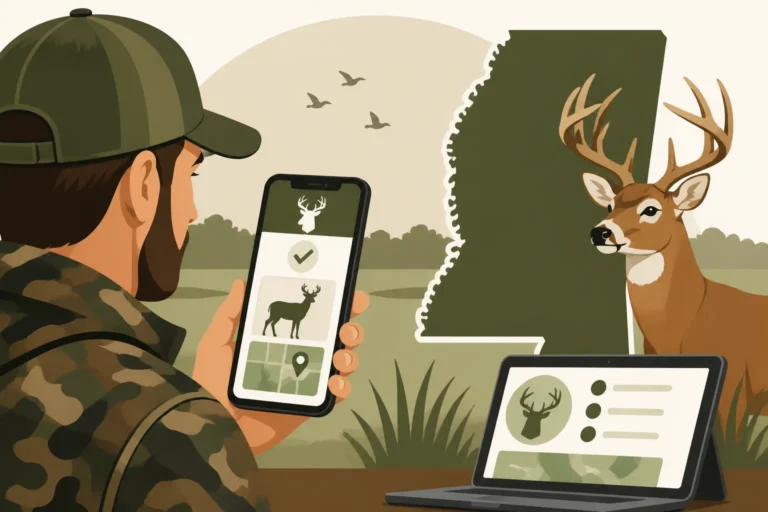
Today’s hunter has access to an incredible array of technological tools, from advanced GPS units and trail cameras to sophisticated scouting apps. Many hunters use platforms like GoHunt not just for public land scouting, but also for mapping private lease boundaries, tracking deer movement patterns, and even planning entry and exit routes. These tools offer undeniable advantages in terms of efficiency and success.
However, the trick is to use technology as an enhancement, not a replacement, for the traditional experience. While a hunting app can help you pinpoint a prime stand location or understand Deer Density by Mississippi Unit, it can’t replace the thrill of seeing a deer through your binoculars or the quiet satisfaction of a well-earned harvest. The conversations around the campfire about the hunt should still dominate, even if some of those conversations now include discussing trail camera footage or analyzing data points. The point is to make technology serve the tradition, not overpower it.
A good deer camp integrates these tools gracefully. Hunters might share new strategies gleaned from their apps, discussing how they plan to Hang a Stand on a Delta Bottomland Funnel or Read a Ridge for Hills Unit Deer based on topographical data. But the ultimate goal remains the same: to enjoy the hunt, respect the animal, and share the experience with fellow hunters. The technology becomes another layer in the rich tapestry of camp life, a helpful aid in the timeless pursuit.
Passing the Torch to New Generations
The future of Mississippi deer hunting, and its cherished camp traditions, rests squarely on the shoulders of the next generation. It’s a deliberate, ongoing effort to involve youth and newcomers, ensuring that the love of the outdoors and the values of ethical hunting are passed down. This isn't just about showing them how to shoot; it's about teaching them the full spectrum of what it means to be a hunter.
Mentorship is key here. Experienced hunters take the time to bring young ones along, patiently explaining everything from tracking techniques to the importance of Mississippi Hunter Education Requirements. They teach respect for wildlife, conservation principles, and the ethical responsibilities that come with hunting. These experiences often start with simpler small game hunts, like Squirrel and Small Game Hunting in Mississippi, building up to the excitement of deer season.
Many camps make a special effort to create a welcoming environment for youth and new hunters. This might involve dedicated youth hunts, opportunities to help with camp chores, or simply ensuring they feel included in the storytelling and camaraderie. The goal is to ignite a passion for hunting and the outdoors, to instill a sense of stewardship for Mississippi’s natural resources, and to ensure that the unique traditions of deer camp continue to thrive for generations to come.
| Deer Camp Aspect | Traditional Approach | Modern Integration | Core Value Retained |
|---|---|---|---|
| Scouting | Boots on the ground, sign reading, local knowledge | GoHunt, aerial maps, GPS, trail cameras | Understanding deer, effective hunting |
| Navigation | Topo maps, compass, memory, landmarks | Handheld GPS, phone apps (e.g., GoHunt), satellite maps | Not getting lost, finding the stand |
| Communication | Hollering, hand signals, face-to-face in camp | Two-way radios, cell phones (where service permits) | Safety, coordination, shared info |
| Game Processing | Camp cleaning station, manual labor, local butcher | Advanced tools, cold storage, specialized processors | Ethical use of harvest, quality meat |
| Socializing | Campfire stories, shared meals, card games | Group texts, shared photos/videos, still camp stories | Camaraderie, bonding, community |
| Licensing | Mail-in forms, sporting goods store | MDWFP online portal, app (e.g., Carrying Proof of License on Your Phone) | Legal compliance, supporting conservation |
| Learning | Mentor guidance, observation, trial and error | Online tutorials, forums, Mississippi Hunter Education Requirements | Skill development, ethical practice |
Disclaimer
The information provided in this guide is for general informational purposes only and does not constitute legal advice. Hunting regulations, license requirements, and season dates in Mississippi are subject to change. Always consult the official Mississippi Department of Wildlife, Fisheries, and Parks (MDWFP) website or printed regulations for the most current and accurate information before planning any hunting activity. Adherence to all state and federal laws is the hunter's sole responsibility.