Which Taxidermists Take CWD Samples
It's an absolutely gut-wrenching feeling when you’ve put in the time, faced the elements, and finally tagged that Mississippi buck or doe you’ve been chasing, only to then remember the looming question of Chronic Wasting Disease (CWD). The last thing any hunter wants is to navigate complex regulations and find testing sites, especially when you're already dreaming of that mount on the wall. This guide is here to untangle that frustration, helping you understand which taxidermists in Mississippi are equipped and authorized to take CWD samples, ensuring your trophy is handled correctly and you comply with all state requirements.
The Crucial Role of CWD Testing for Mississippi Hunters
Chronic Wasting Disease is a serious concern for deer populations and, by extension, for hunters across Mississippi. It’s a reality we all have to contend with now, and understanding your role in monitoring and managing its spread is more important than ever.
Why CWD Matters to Your Hunt
CWD is a progressive, fatal neurological disease affecting deer, elk, and moose. It's caused by an abnormal protein called a prion that slowly damages the brain and nervous system. The disease is highly contagious among cervids, spreading through direct animal-to-animal contact or indirectly through contaminated environments like soil, water, and vegetation. Once a CWD prion is in the environment, it can persist for a very long time, making it incredibly difficult to eradicate.
For us hunters, CWD isn't just a biological issue; it strikes at the heart of our passion. A healthy deer herd is essential for healthy hunting traditions. When CWD takes root, it can lead to declining deer populations, altered herd dynamics, and legitimate concerns about the safety of consuming venison. While there's currently no evidence that CWD can spread to humans, it’s always best to be cautious, especially when dealing with any animal that tests positive. That's why the Mississippi Department of Wildlife, Fisheries, and Parks (MDWFP) has implemented robust surveillance and testing protocols, particularly within designated Mississippi's Chronic Wasting Disease Zones. As hunters, we are on the front lines of detection, and our participation in testing is vital to the long-term health of Mississippi's deer herd.
Mandatory vs. Voluntary Testing in CWD Zones
Navigating the testing requirements can feel like walking through a legal maze, especially when you’re tired from a successful hunt. It boils down to where you harvested your deer. In Mississippi, there are specific CWD Management Zones where testing is either mandatory or highly encouraged.
For instance, if you're lucky enough to harvest a deer in one of the counties within the Mississippi's North Zone CWD Counties or the newer Mississippi's Warren-Claiborne CWD Zone, there are mandatory testing periods. During these periods, all harvested deer, particularly bucks, must have a CWD sample collected. This isn't just a suggestion; it’s a non-negotiable requirement. The MDWFP needs these samples to accurately track the prevalence and spread of the disease within these critical areas. Ignoring these mandates can lead to legal penalties, but more importantly, it hinders the state's ability to protect the deer herd we all cherish.
Outside of the mandatory testing periods, or in areas not designated as CWD Management Zones, testing is generally voluntary. However, the MDWFP strongly encourages all hunters to submit samples, regardless of location, to broaden their surveillance efforts. This is where your personal commitment to conservation really shines through. Even if you're hunting in an area like the Mississippi's Hancock County CWD Zone where mandatory testing might only apply during specific windows, volunteering your sample provides invaluable data. The frustration often comes from the logistics—finding a drop-off point, ensuring proper sample collection, and fitting it into an already packed post-hunt schedule. That's precisely why understanding the role of taxidermists in this process is such a game-changer.
Navigating Taxidermy Services for CWD Sample Collection
Once you've got that deer on the ground and are thinking about preserving its memory, the question of CWD testing comes right back into focus. Thankfully, many Mississippi taxidermists have stepped up to help hunters comply with CWD regulations by becoming certified sample collectors. This integration makes the process significantly smoother.
Finding CWD-Certified Taxidermists
This is the golden ticket, folks. Not every taxidermist is authorized to collect CWD samples, and that's a crucial distinction. The MDWFP trains and certifies specific individuals, including many taxidermists, to ensure samples are collected correctly and consistently. Bringing your trophy to a certified taxidermist means you kill two birds with one stone: getting your mount started and fulfilling your CWD testing obligations in one convenient stop.
So, how do you find these lifesavers? The absolute best resource is the MDWFP website. They maintain an updated list of CWD sampling locations, which often includes certified taxidermists. A quick search on their official site under "CWD Information" or "Deer Program" will usually lead you to a map or a list. It’s always a good idea to call ahead to confirm their current status and operating hours, especially during peak hunting season. Beyond the official list, local hunting forums, Facebook groups for Mississippi hunters, and good old-fashioned word-of-mouth are fantastic ways to find reputable, certified taxidermists in your area. Many seasoned hunters have their go-to pros who understand the CWD protocols inside and out. For those who use platforms like GoHunt for planning hunts and understanding regulations, while GoHunt itself doesn't list taxidermists, it can be a valuable tool for understanding the broader regulatory landscape that necessitates CWD testing in the first place, helping you anticipate this need before you even leave for your hunt.
The benefits of using a certified taxidermist are huge:
- Convenience: No extra trips to a separate drop-off station. You bring your deer to one place, and they handle both your mount and the sample collection.
- Expertise: These taxidermists are trained by the MDWFP. They know exactly which lymph nodes or brain stem (obex) tissue to collect without compromising the integrity of your cape for taxidermy. They also understand the chain of custody for samples, ensuring proper labeling and submission.
- Peace of Mind: You can rest assured that your sample is taken correctly, increasing the likelihood of accurate results and preventing any issues with compliance.
When looking for a certified taxidermist, don't be afraid to ask direct questions like, "Are you currently certified by the MDWFP to collect CWD samples?" and "What is your process for CWD collection?" This upfront communication prevents headaches down the road. Remember, Finding a Mississippi CWD Sampling Location often leads directly to these expert taxidermists.
What the Process Entails at the Taxidermist
Once you’ve found your certified taxidermist, knowing what to expect can ease any lingering anxieties. The process for CWD sample collection is fairly standard among trained individuals, designed to be efficient and minimally invasive to your trophy.
After you bring your field-dressed deer (or at least the head and neck portion, depending on the taxidermist's preference and your plans for the rest of the carcass), the taxidermist will usually:
- Collect Information: They'll need your hunting license number, the county and date of harvest, and contact information. This is all crucial for tracking the sample.
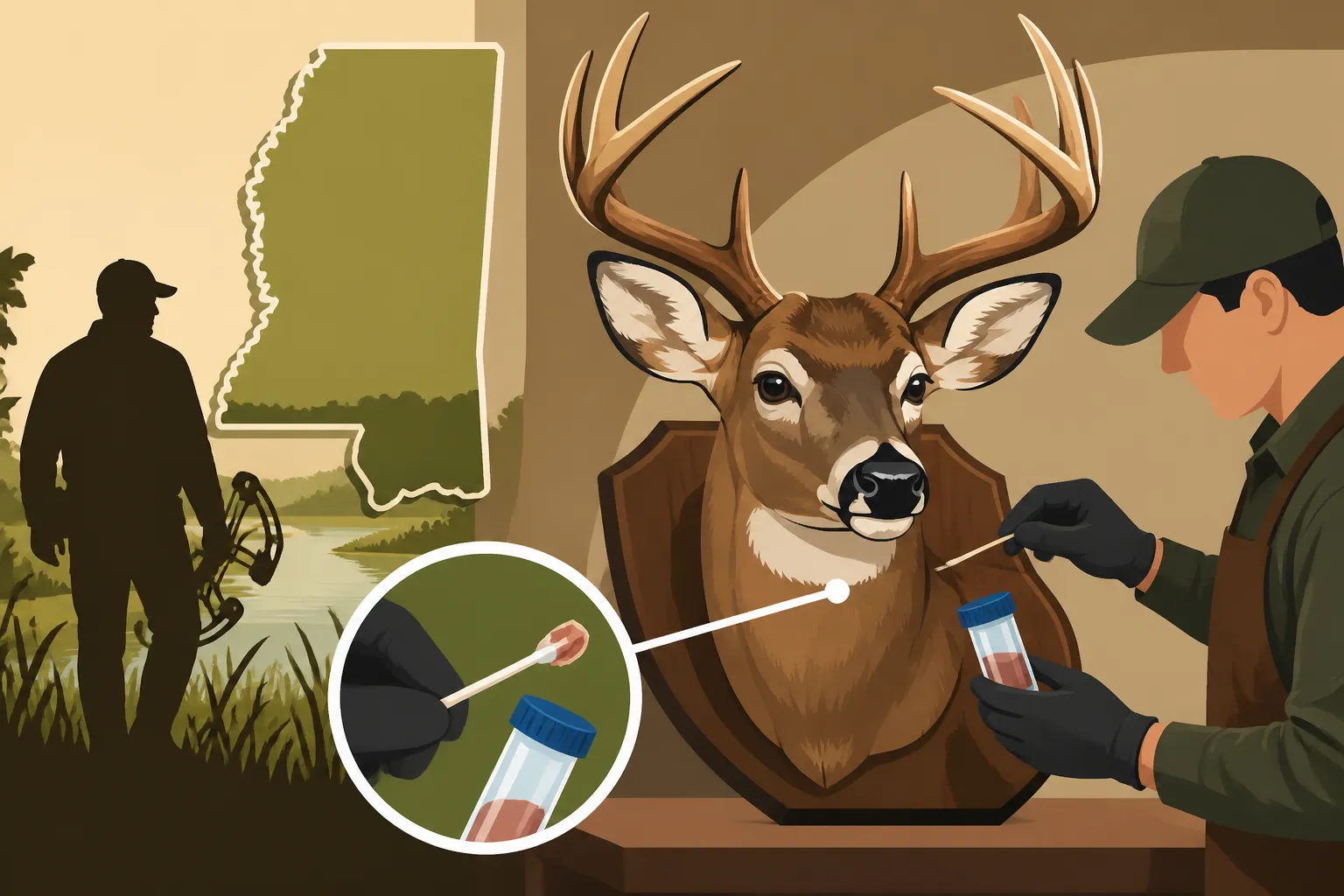
- Locate the Sample Site: For CWD testing, two primary tissue types are collected: the retropharyngeal lymph nodes (located in the throat area) or a section of the obex (part of the brainstem). The taxidermist will carefully access these areas. For a shoulder mount, they are usually able to collect the lymph nodes without damaging the cape. If you're getting a European mount, the obex is often collected. They are skilled at doing this while preserving the skull or cape.
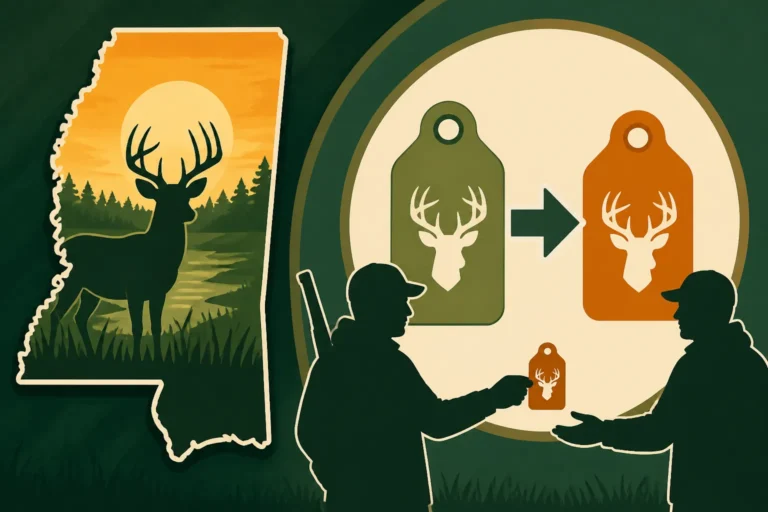
- Prepare the Sample: The collected tissue is placed into a specialized container provided by the MDWFP, along with a unique identification tag or number. This tag is your key to checking the results later.
- Submission: The taxidermist will then ensure the sample is submitted to the MDWFP lab according to their established schedule and protocols.
One common worry is damaging the cape for your mount. Rest assured, certified taxidermists are professionals. They know how to extract the necessary tissues with precision, ensuring your trophy's integrity remains intact. Delays can happen, especially during the busiest parts of the season, but their streamlined process generally makes it quicker than coordinating a separate drop-off. Remember, this whole process ties into broader state regulations, including Mississippi Carcass Movement Restrictions, which your taxidermist can also advise you on. They’re often a wealth of information about local hunting specifics, thanks to their close ties with the hunting community and the MDWFP.
Practical Considerations and What to Expect
Even with certified taxidermists making the CWD process smoother, a few practical considerations can help ensure everything goes off without a hitch. A little preparation and clear communication go a long way.
Communicating with Your Taxidermist
This can’t be stressed enough: ask questions upfront! Before you ever bring your deer, call your chosen taxidermist and confirm a few things. First and foremost, verify that they are indeed certified to pull CWD samples. Their certification might be seasonal, or they might have specific requirements you need to know.
Secondly, discuss any associated costs. While the MDWFP provides testing for free, some taxidermists might charge a small fee for the service of sample collection, akin to a handling fee for their time and effort. This is usually minimal, but it’s good to know ahead of time so there are no surprises.
Third, inquire about the typical turnaround time for CWD results. The MDWFP lab processes a huge volume of samples during hunting season, so results can take anywhere from a few days to several weeks. This timeline can directly impact your taxidermy. If you’re getting a full shoulder mount, the taxidermist will often begin preliminary work like fleshing and salting the cape, but they might hold off on more intensive mounting steps until CWD results are in, especially if the deer was harvested in a CWD-positive zone. This is a good time to bring up any concerns about Handling Venison From a CWD Management Zone as well; your taxidermist might have insights or recommendations for local processors who are also knowledgeable about CWD guidelines. This proactive communication ensures everyone is on the same page and helps manage expectations.
Preparing Your Harvest for the Taxidermist and Sample Collection
Proper preparation of your deer is vital, not just for a quality taxidermy mount but also for ensuring a viable CWD sample. The effort you put in the field directly impacts the final outcome.
When you harvest your deer, the priority is to field dress it quickly and efficiently. If you're planning a shoulder mount, make sure to take extra care when making the cuts for skinning the deer around the neck and chest, leaving ample cape for the taxidermist. Avoid dragging the deer by the head if possible, as this can damage hair and skin, especially around the face and neck. A drag sled or ATV can be a lifesaver here.
Crucially, keep the head cool. Just like any meat, tissue samples degrade with heat. If you're not heading straight to the taxidermist, get the head on ice or in a cooler. This preserves the tissue integrity, making it easier for the taxidermist to collect a good sample and ensuring the lab can accurately test it.
When you arrive at the taxidermist, have your hunting license and harvest tag information readily available. The taxidermist will need this for the CWD submission form. Also, remember that even if your taxidermist is collecting the CWD sample, you are still responsible for reporting your deer harvest to the MDWFP, usually through their app or website. This step is separate from the CWD testing and typically needs to be done within 72 hours of harvest. It’s important not to confuse the two; The Mississippi Deer Reporting Deadline is a hard and fast rule for all deer, regardless of whether a CWD sample is collected.
By taking these steps, you’re not only setting yourself up for a beautiful mount and peace of mind regarding CWD, but you’re also contributing to the critical data collection that helps the MDWFP manage and protect Mississippi's deer population for generations of hunters to come.
| Aspect | Details | Important Notes for Hunters |
|---|---|---|
| Sample Type | Retropharyngeal Lymph Nodes (most common for shoulder mounts) or Obex (brainstem, common for European mounts). | Taxidermists are trained to collect these without damaging your trophy. Communicate your mount preference clearly. |
| Collection Method | Careful surgical removal of designated tissue by trained, MDWFP-certified personnel. | Ensure your chosen taxidermist is certified. Ask for proof or check the MDWFP list. |
| Required Information | Hunter's name, license number, harvest date, county of harvest, contact details. | Have your license and harvest details ready. This information is vital for accurate tracking of the sample. |
| Carcass Preparation | Field dressing is essential. For mounts, ensure the head and neck are kept cool and clean. Avoid dragging by the head to preserve the cape. | Keep the head on ice or refrigerated if not immediately going to the taxidermist. Heat degrades samples. |
| Turnaround Time | Varies depending on lab volume, typically 2-4 weeks during peak season. | Inquire about current wait times. This might influence when your taxidermist proceeds with certain mounting steps. You can often check results online using the sample ID provided. Mississippi CWD Testing for Hunters provides resources on checking test results. |
| Cost | CWD testing by MDWFP is free. Some taxidermists may charge a small handling fee for their time and effort in sample collection. | Clarify any potential fees with your taxidermist beforehand. |
| Hunter Responsibility | You are responsible for ensuring the deer is tested if harvested in a mandatory CWD zone or if you opt for voluntary testing. You are also responsible for reporting your deer harvest to MDWFP, regardless of CWD testing. | Don't confuse CWD sample submission with your mandatory harvest report. These are separate steps. Mandatory Testing Inside a Mississippi CWD Zone means you must do it. |
| Post-Result Handling | If a deer tests positive, specific guidelines will be provided by MDWFP regarding carcass disposal and venison consumption. | Always follow MDWFP guidelines for disposal. Consider processing venison only after negative results are confirmed, especially from CWD zones. If you're wondering how many cases have been detected, the MDWFP website regularly updates data on How Many Deer Have Tested CWD-Positive Since 2018. |
Disclaimer
The information provided in this guide is for general informational purposes only and is subject to change. Always consult the official Mississippi Department of Wildlife, Fisheries, and Parks (MDWFP) regulations and website for the most current and accurate information regarding CWD testing requirements, CWD zones, and hunter education. It is the hunter's responsibility to know and follow all applicable laws and regulations.