Trail Camera Services Offered by Mississippi Outfitters
It's a common dilemma for hunters in Mississippi, especially if you're traveling from a distance or just don't have the luxury of endless pre-season scouting: how do you truly know what's moving on your hunting ground before you ever step foot in the timber? The frustration of arriving for a hunt only to find the deer patterns completely different from your expectations can be a real downer. Thankfully, many Mississippi outfitters are now stepping up, offering trail camera services that provide invaluable intel, helping you arrive prepared and confident.
Why Trail Camera Intel is a Game Changer for Mississippi Hunts
Gone are the days when you'd just show up on opening morning, hoping for the best based on a few drive-by glances or old intel. Trail cameras have revolutionized how we scout and hunt, and when managed by a knowledgeable outfitter, they become an extension of your own scouting efforts, giving you a significant edge.
Bridging the Distance Gap for Non-Residents and Busy Hunters
Let's face it, not everyone lives within a short drive of their hunting property. For non-residents making a dedicated trip to the Magnolia State, or for local hunters juggling demanding jobs and family life, extensive pre-season scouting simply isn't feasible. You might spend days Scouting Mississippi Public Land Before Season only to scratch the surface. This is where outfitter-managed trail camera services shine. An outfitter, already intimately familiar with the land, can strategically place cameras weeks or even months before your arrival. They're your boots on the ground, gathering crucial intelligence that you couldn't possibly get otherwise. This service means you're not just showing up blind; you're arriving with a dossier of recent activity, allowing you to fine-tune your approach and maximize your precious hunting time.
Understanding Deer Movement and Habits Before You Arrive
The pictures and videos from trail cameras aren't just pretty faces; they're data points that tell a story about the local deer herd. An outfitter can analyze this footage to identify consistent travel routes, pinpoint primary feeding areas, and even detect the timing of crucial buck activity like Scrape Lines Along a Logging Road or rub lines. For instance, if cameras are showing a mature buck consistently hitting a particular food plot in the last hour of daylight, your outfitter can suggest specific stand placements and optimal hunt times to intercept him. Conversely, if bucks are primarily nocturnal, it might prompt a shift in strategy, perhaps focusing on transition areas between bedding and feeding. This level of insight allows for dynamic planning, moving beyond generic tactics to highly specific, data-driven decisions that match the current conditions on the ground. You'll know whether the Late-Season Food Sources for Mississippi Whitetails are still attracting deer or if they've moved on to something else.
Vetting the Quality of a Hunting Area
Beyond just individual deer, trail cameras can provide a broader assessment of the hunting area itself. The sheer volume and quality of deer captured on camera can help confirm population density, the age structure of bucks, and the overall health of the herd. If you're hunting in a management unit with specific antler restrictions, like the Delta Unit's requirement, photos can help an outfitter confirm that the bucks present meet criteria like the Delta Unit Twelve-Inch Spread Rule Explained well before you ever see one in person. This transparency from an outfitter about their deer herd helps set realistic expectations for your hunt, ensuring you're not disappointed by an area that might not live up to its marketing claims. It's a way to truly "see" the potential of the property and understand what type of hunt you're signing up for.
Types of Trail Camera Services Provided by Mississippi Outfitters
The landscape of trail camera services can vary, from basic monitoring to advanced, real-time intel. Understanding the different offerings can help you choose the right outfitter and package for your needs.
Pre-Season Scouting and Placement
One of the foundational services outfitters provide is the strategic placement of cameras. This isn't just random deployment; it's a skilled art informed by years of local knowledge and understanding deer behavior. Outfitters will typically conduct extensive pre-season scouting, looking for historical travel corridors, pinch points, bedding areas, and prime food sources before ever hanging a camera. They might use detailed topographic maps, aerial photography, and their own extensive experience in methods like Reading Aerial Photos for Hills Unit Deer to identify key locations. The cameras are then placed to capture maximum activity without alarming the animals. This initial effort ensures that the intel gathered is relevant and captures the true essence of the deer movement on the property.
Regular Card Pulls and Image Sharing
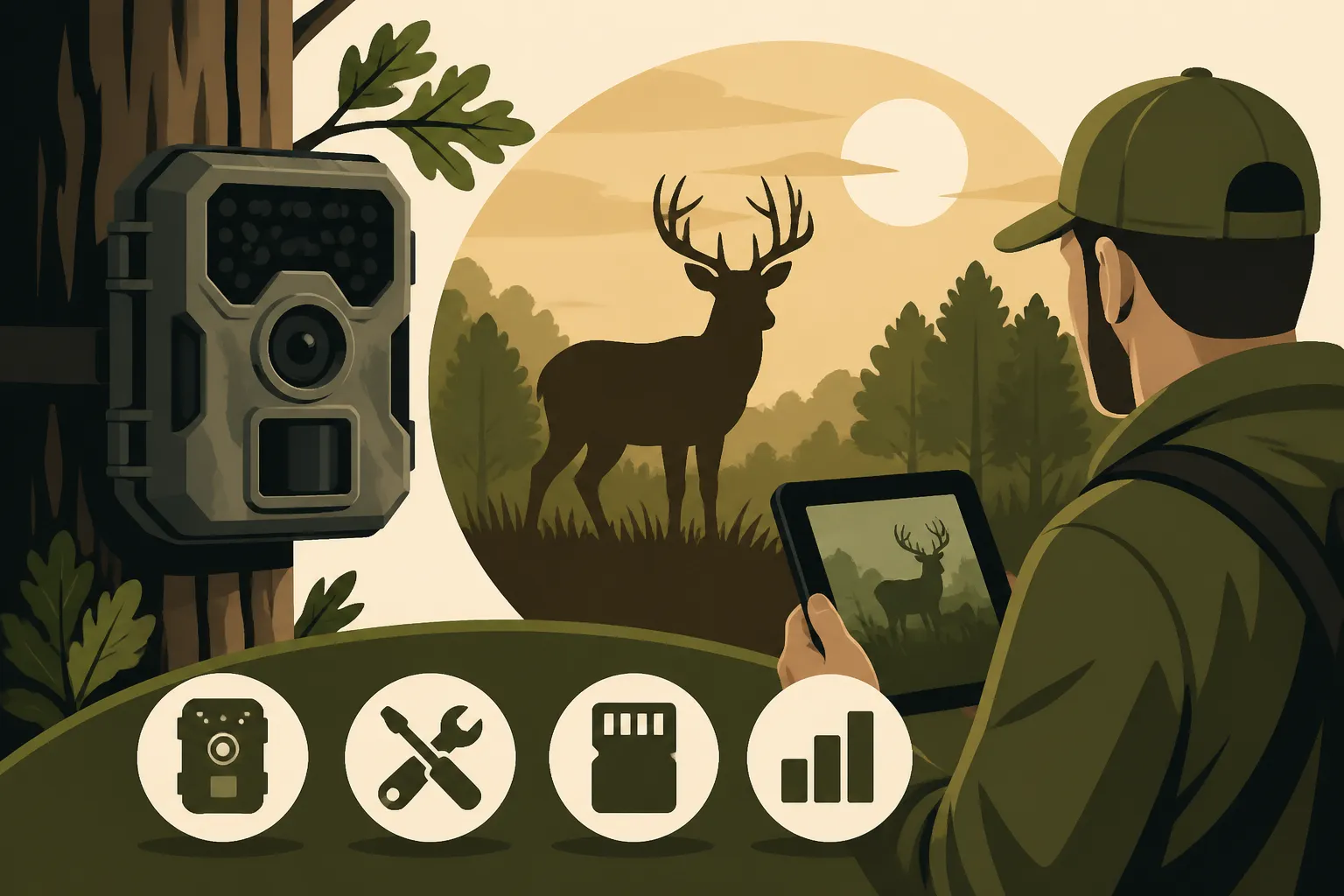
The most common form of trail camera service involves outfitters making periodic trips to the cameras to "pull" the SD cards. The frequency of these pulls can vary, perhaps weekly, bi-weekly, or monthly, depending on the outfitter's policy and the hunting pressure of the area. Once the cards are pulled, the images and videos are reviewed. Reputable outfitters will then share this valuable intel with their clients. This usually happens via email, a shared cloud drive, or sometimes through a dedicated client portal. They'll often highlight specific bucks, identify patterns, and provide notes on activity. It's like getting a personalized scouting report directly to your inbox, preparing you for what you'll encounter on your hunt and helping you assess your chances of success.
Real-Time Cellular Camera Monitoring
For those who crave the most immediate and up-to-date information, some premium Mississippi outfitters offer real-time cellular camera monitoring. These advanced cameras transmit images directly to the outfitter's phone or computer as soon as they're captured. The outfitter can then share these images with you almost instantly. The advantages are obvious: you'll know exactly when a target buck steps into a food plot or crosses a specific trail, even days before your hunt begins. This immediate intelligence allows for unparalleled flexibility in planning and can be invaluable for targeting specific animals or adjusting plans on the fly. The downside is typically a higher cost, both for the specialized equipment and the cellular data plans, plus the necessity of good cell service in the hunting area. However, for a high-stakes hunt or limited time, this can be a worthwhile investment.
Interpreting Data and Tailoring Hunt Strategies
Receiving a gallery of deer photos is one thing; understanding what they mean for your hunt is another. A truly valuable trail camera service goes beyond simply sharing images. Good Mississippi outfitters will interpret the data for you, offering insights and suggesting tailored hunt strategies based on the current intel. They might tell you, "Based on these pictures, this particular buck is primarily moving mid-morning after cold fronts," or "The activity on that clover plot is high right now, especially with the Wind and Thermals in Delta Bottomland shifting to the north." This expert analysis can help you decide when and where to sit, what calling techniques might be effective, or even what gear to prioritize. It transforms raw data into actionable advice, making your hunt more efficient and productive.
What to Look for When Choosing an Outfitter for Camera Services
Selecting the right outfitter for trail camera services involves more than just finding someone who owns a few cameras. It's about ensuring you get valuable, reliable intelligence to enhance your hunting experience.
Transparency and Communication
Before you commit, it's absolutely crucial to have a clear understanding of what the outfitter's trail camera service entails. Ask specific questions: How often will the cameras be checked? What is their policy for sharing images and videos with you? How quickly can you expect updates? What happens if a camera malfunctions or is stolen? A good outfitter will be upfront about these details, laying out their process clearly. Pay attention to how they communicate during these initial conversations; a lack of clarity or slow responses might be a red flag. When browsing platforms like BookYourHunt or GoHunt, look for client reviews that specifically mention communication and transparency regarding pre-hunt intel. This will give you a good idea of their track record.
Experience and Local Knowledge
Anyone can hang a trail camera, but placing it effectively and interpreting its data requires deep experience and local knowledge. An outfitter who truly understands the land, the specific deer patterns in that Mississippi's Four Deer Management Units, and even the subtle impacts of weather and pressure will get far more out of their camera deployments. Ask about their history managing cameras on their properties for clients. How do they choose camera locations? What do they look for in terms of sign before placing a camera? Their ability to explain their strategy and demonstrate a nuanced understanding of deer behavior in their specific area is a huge indicator of their expertise. This expertise is what turns raw images into tactical gold, especially when it comes to understanding patterns like Hunting the Rut in the Delta Unit.
Cost and Package Inclusions
Trail camera services are often an add-on, and the pricing structure can vary. Some outfitters might include a basic level of camera intel in their standard What a Guided Mississippi Deer Hunt Costs, while others will charge an additional fee per camera, per month, or as part of a premium package. Don't be shy about asking for a breakdown of these costs. Does the fee include only image sharing, or does it also cover the outfitter's analysis and strategic recommendations? Is it for traditional card pulls or advanced cellular monitoring? Make sure you understand exactly what you're paying for to avoid any surprises down the line. While I can't give specific prices, expect more comprehensive and high-tech services to naturally come at a higher premium.
Technology and Equipment Used
The quality of the trail camera intel is directly tied to the equipment being used. Ask your prospective outfitter about the types of cameras they deploy. Are they reliable brands with good image quality? Do they use cellular cameras, and if so, what's their plan if cell service is spotty in certain areas? Beyond the cameras themselves, inquire about how they secure the data and how they share it with you. Is it through a secure, private link, or a more casual method? Ensuring the outfitter uses modern, reliable technology and has a solid plan for data management will contribute to a smoother and more informative experience for you.
Maximizing the Value of Outfitter Camera Services
You've invested in a guided hunt and perhaps an additional trail camera service – now it's time to make the most of that investment. It's a collaborative effort between you and your outfitter.
Clear Expectations and Collaboration
From the outset, be very clear with your outfitter about your hunting goals. Are you focused on harvesting any legal buck, or are you strictly holding out for a mature trophy? This helps your outfitter tailor their camera placement and intel reporting to your specific objectives. Think of your outfitter as an extension of your own scouting efforts. Don't just wait for them to send you updates; proactively ask questions, share your own thoughts on the camera data, and discuss potential strategies. The more you collaborate and communicate openly, the more personalized and effective the intel will be.
Pre-Hunt Discussions and Planning
Once the camera intel starts rolling in, dedicate time for detailed discussions with your outfitter well before your trip. Go over the patterns they're observing, ask about specific stand locations they're considering, and discuss potential Entry Routes Through Standing Soybeans or alternative plans based on current conditions. This pre-hunt planning, fueled by fresh camera data, is invaluable. You can arrive with a much clearer picture of what to expect, where you'll likely be hunting, and what tactics might be most effective. This proactive approach helps mentally prepare you for the hunt and ensures you and your guide are on the same page from the moment you meet. Planning your Hunting the Mississippi Youth Gun Weekend can also benefit from this kind of intel, helping to set expectations for young hunters.
Understanding Limitations and Variables
While trail cameras provide incredible insight, it's crucial to remember that they are tools, not crystal balls. Wildlife is inherently unpredictable. A buck that's been consistently on camera for weeks could suddenly change its pattern due to a significant weather front, increased pressure, or the onset of the Hunting the Rut in the Hills Unit. Understand that even the best trail camera intel is a snapshot in time. Your outfitter will be working with the most current information, but remaining adaptable and open to adjusting plans in the field based on real-time observations is key to a successful hunt. Don't expect a specific buck to be waiting under your stand just because he was photographed there yesterday; instead, use the data to understand the likelihood of encountering deer in certain areas and during certain windows.
Here's a quick comparison of basic vs. advanced trail camera services you might encounter:
| Feature | Basic Trail Camera Service | Advanced Trail Camera Service |
|---|---|---|
| Camera Type | Standard SD card cameras | Cellular cameras, higher resolution |
| Data Retrieval | Periodic manual card pulls | Real-time image transmission via cell network |
| Update Frequency | Weekly to bi-weekly | Daily to hourly |
| Client Communication | Email summaries, shared photo folders | Dedicated app access, direct text/email alerts |
| Outfitter Analysis | General observations, pattern identification | Detailed behavioral analysis, tactical guidance |
| Intrusion Level | Moderate (outfitter visits camera sites) | Low (remote monitoring reduces visits) |
| Cost Implication | Typically included or low-cost add-on | Higher premium due to tech and data |
| Ideal For | General intel, validating deer presence | Targeting specific animals, dynamic planning |
Disclaimer
This article is for general informational purposes only and does not constitute professional advice. Laws, prices and regulations vary by location and change over time. Consult a qualified professional for guidance on your specific situation.