Late-Season Food Sources for Mississippi Whitetails
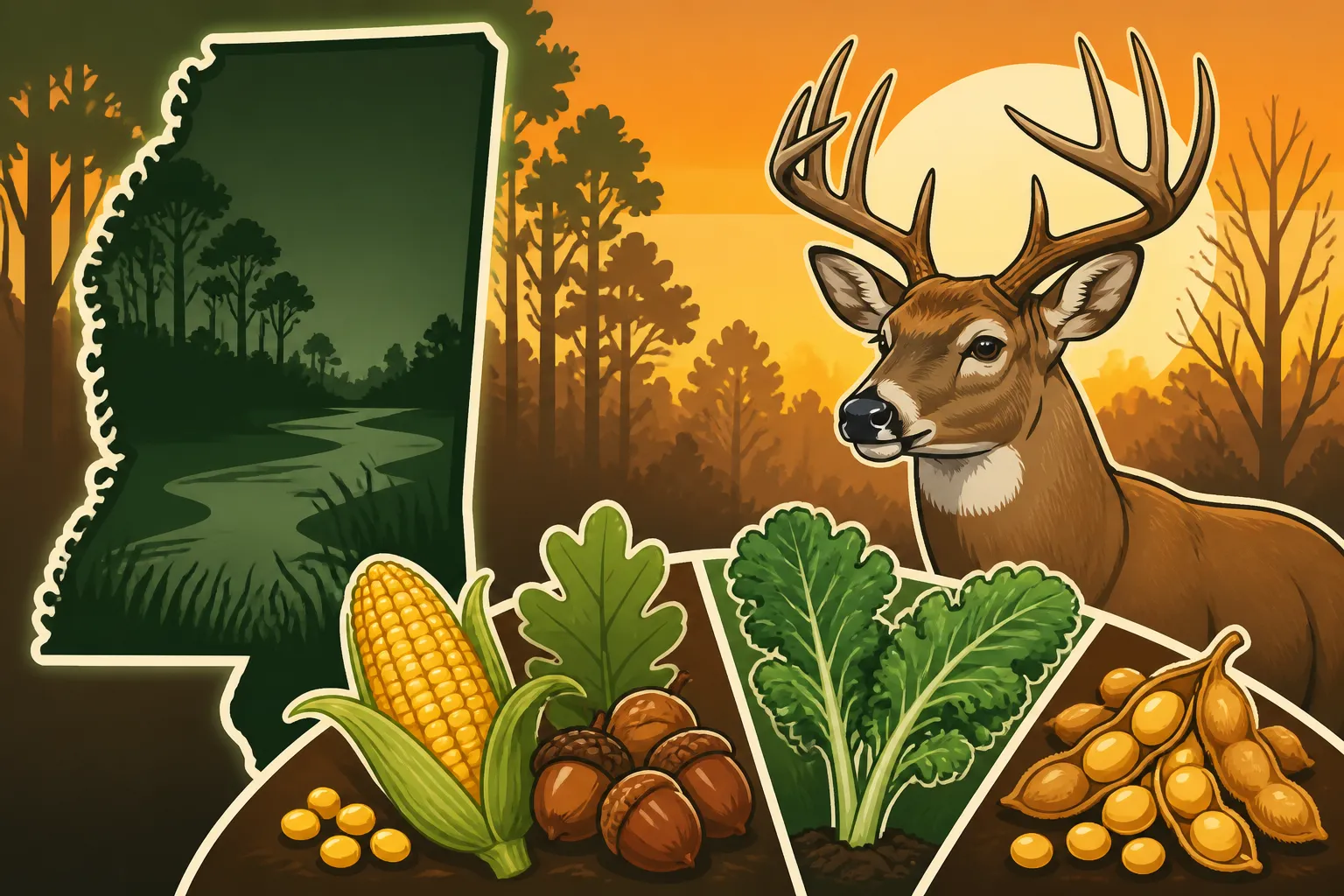
As the late season rolls around in Mississippi, many deer hunters find themselves scratching their heads, wondering why the deer activity they observed earlier in the fall has completely dried up. It’s a common frustration—one day the deer are hitting your acorn flat hard, and the next, it feels like they’ve vanished into thin air. This comprehensive guide will help you pinpoint the critical late-season food sources that Mississippi whitetails rely on, giving you the knowledge to adapt your hunting strategy and find success when the mercury drops.
Understanding Late Season Challenges for Mississippi Deer
The late season in Mississippi, generally running from mid-December through January, presents a unique set of challenges for both deer and hunters. The landscape changes dramatically, and with it, deer behavior shifts in response to dwindling resources and increased pressure.
Pressure and Changing Deer Behavior
By the time the late season arrives, especially after the gun seasons have been open for a while, deer have been pushed and prodded across much of Mississippi. They’ve encountered hunters in the woods, heard gunshots, and felt the constant presence of human activity. This sustained pressure makes them incredibly wary, often turning them nocturnal or pushing them into the densest cover imaginable. You might find that the big buck you were chasing in November is now only moving under the cover of darkness, or has completely abandoned his earlier stomping grounds for a secluded sanctuary.
Their primary instinct becomes survival, and that means minimizing risk. This is why targeting food sources becomes even more critical; deer will still need to eat, but they’ll do it as efficiently and safely as possible. They’ll choose feeding areas that offer quick escape routes, dense cover nearby, or are simply less accessible to hunters. Understanding these behavioral shifts is paramount. For instance, a deer that might have brazenly fed in an open field earlier in the season will now likely stick to the edges or wait until the absolute last moments of daylight, if not after dark. It requires a significant adjustment in tactics, often favoring patient sits in less obvious spots over aggressive approaches.
Decline of Prime Fall Forages
The glorious bounty of early fall, flush with dropping white oak acorns, luscious persimmons, and tender green growth, starts to fade significantly as winter truly sets in. Many of those preferred food sources are either completely consumed, have rotted, or are simply no longer available. This decline forces deer to broaden their diet and seek out more reliable, albeit sometimes less palatable, options. The rich, easily digestible carbohydrates from acorns become scarce, and deer must transition to tougher, more fibrous woody browse or whatever green still persists through the colder temperatures.
A particularly bad year for acorns, for example, can drastically alter deer movement patterns in the late season. If you're trying to figure out Hunting After a Poor Acorn Year, it becomes even more vital to understand the secondary and tertiary food sources they turn to. This scarcity can concentrate deer in areas where these remaining resources are found, making those locations prime hunting spots. It also means that scouting for fresh sign like droppings, tracks, and browsing lines is crucial, as traditional spots might be completely barren.
Key Natural Late-Season Food Sources
While the buffet of early fall might be gone, Mother Nature still provides for Mississippi whitetails, albeit with a slightly tougher menu. Identifying these natural late-season staples is key to consistently finding deer.
Browse and Woody Stems
When acorns and soft mast are depleted, deer switch to browse as their primary food source. Browse refers to the leaves, twigs, and buds of woody plants. Mississippi's diverse landscape offers a variety of species that deer will key in on. Think about those briar thickets and brushy clear-cuts you often walk past—they’re not just bedding cover; they’re often a deer’s winter pantry.
- Greenbrier (Smilax species): This is arguably one of the most important winter food sources in Mississippi. Greenbrier stays green throughout the winter, providing digestible protein and energy when other plants have gone dormant. Deer will eagerly browse its leaves and tender stems. You'll often see distinct browse lines where deer have nipped off the green growth, especially in areas with heavy deer density.
- Honeysuckle (Lonicera japonica): Another fantastic evergreen browse, Japanese honeysuckle is invasive but highly nutritious for deer. It provides a dense mat of green leaves that deer will readily consume, especially after a frost when other broadleaf plants have withered.
- Privet (Ligustrum species): While also invasive, privet is another shrub that retains its leaves through much of the winter, offering a decent browse option for deer when pickings are slim.
- Winged Sumac and Other Woody Twigs: Deer will also browse the tender ends of twigs from plants like winged sumac, sassafras, sweetgum, and even young pine needles, though these are typically less preferred than greenbrier or honeysuckle due to their lower digestibility and nutrient content. Don't underestimate dense cover areas where these species thrive; deer will bed and feed there, sometimes without moving more than a few yards.
Persistent Mast and Remaining Acorns
Even after the main acorn drop, some species of oaks and other mast-producing trees hold their fruit longer into the winter, or simply have an abundance that hasn’t been fully consumed.
- Water Oak, Willow Oak, and Laurel Oak: These are often called "pin oaks" by hunters, and they are notorious for dropping their smaller, darker acorns later in the season and sometimes holding them on the ground well into January, especially if it's a mild winter. Their acorns also have a higher tannin content, which makes them less desirable than white oak acorns initially, but deer will flock to them once the preferred white oaks are gone. If you're hunting in the Delta Unit, these oaks are a huge deal.
- Persimmons: While most persimmons drop in early to mid-fall, some trees might still have a few shriveled, fermented fruits clinging to branches or lying on the ground. Deer will still seek these out for a sugary treat, especially after a hard freeze, which can make them even more palatable.
- Hackberry and Other Hard Mast: Less common but still utilized, hackberry trees produce small, dark berries that can persist through winter and offer a food source. Wild grapes, if available and not completely consumed, can also provide a late-season snack. Keep an eye out for these less obvious sources that often get overlooked by hunters.
Green Forbs and Winter Weeds
Certain herbaceous plants, often referred to as forbs or weeds, can stay green and provide critical nutrition even in colder temperatures. These can be particularly attractive to deer looking for easily digestible greens.
- Clover and Cool-Season Grasses: If you have naturalized clover patches or areas with persistent cool-season grasses, deer will absolutely hammer them in late winter. These provide essential protein and highly digestible energy.
- Winter Wheat and Ryegrass: Often planted in fields as a cover crop or for livestock forage, these can be a magnet for deer. They maintain their green growth through most of the winter, offering a highly attractive food source.
- Wild Radishes and Mustard: These "weeds" often pop up in disturbed soil, old fields, or along field edges. They stay green and offer a strong forage option for deer. Don't discount these small patches; deer will sniff them out.
- Chickweed and Henbit: These low-growing, unassuming plants can form green carpets in open areas and are surprisingly nutritious. Deer will graze these extensively. When scouting, especially after a rain, look for areas where these have been clipped short by browsing.
Agricultural and Supplemental Food Sources
Beyond the natural woods, Mississippi's agricultural landscape offers a huge draw for whitetails in the late season, as do carefully planned food plots. These cultivated areas can be absolute magnets, especially in regions like the Delta or anywhere with extensive farming operations.
Standing Crops and Crop Remnants
When natural browse and mast are scarce, agricultural fields become critical for deer. They offer concentrated, high-energy food sources that can sustain deer through the leanest months.
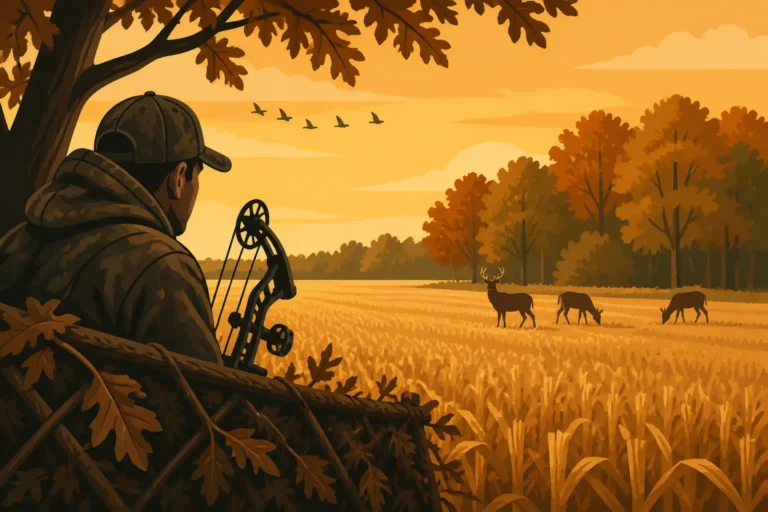
- Standing or Leftover Corn: This is a late-season deer magnet. If a farmer leaves standing corn or if harvest wasn't perfectly efficient, those missed ears or dropped kernels provide an incredibly rich food source. Deer will spend hours pawing through the stubble to find every last morsel. These fields offer a huge caloric payoff that deer desperately need as temperatures drop and their energy requirements increase. You can bet that if you're Hunting a Standing Cornfield in Farm Country, you're in a prime spot.
- Standing Soybeans or Soybean Remnants: While not as calorically dense as corn, leftover soybeans are high in protein and fat. Deer will eagerly pick through harvested soybean fields, finding dropped beans. Standing soybeans, if left unharvested, can provide both food and cover.
- Winter Wheat and Ryegrass Fields: Many farmers plant these as cover crops or for cattle forage. These lush green fields offer a highly palatable and nutritious option for deer, drawing them out of dense cover, especially during daylight hours. A field edge bordering thick woods can be an absolute goldmine. If you're Sitting a Field Edge in Late Season, these fields are your best bet.
It's important to remember that these fields, especially in areas like the Mississippi Delta, can hold a tremendous number of deer. However, accessing private agricultural land always requires explicit permission from the landowner. Respecting their property and operations is crucial.
Winter Food Plots and Forages
For those with private land, or those hunting on properties with managed food plots, these cultivated areas can provide an unparalleled advantage in the late season. A well-maintained winter food plot is designed specifically to offer deer high-quality forage when natural options are limited.
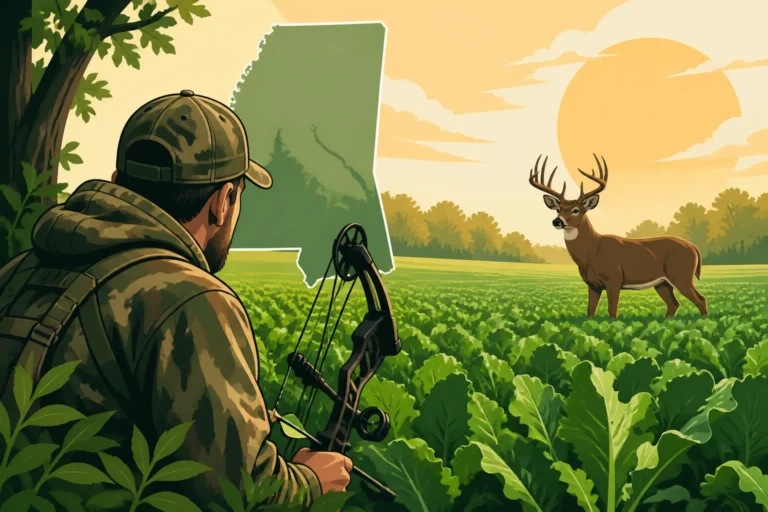
- Brassicas (Turnips, Radishes, Rape, Kale): These are absolute powerhouses for late-season deer. After a few hard frosts, the starches in brassicas convert to sugars, making them incredibly palatable and nutritious. Deer will start by eating the green tops, but as winter progresses, they'll dig up and devour the bulbs and roots. A turnip plot can concentrate deer like almost nothing else.
- Winter Peas and Clover Blends: These legumes provide high protein and remain attractive through the winter. A blend of clover, winter peas, and even some chicory can offer a diverse and consistent food source that deer will keep coming back to.
- Oats, Wheat, and Cereal Rye: These cool-season annual grains are cost-effective and provide excellent forage. They germinate quickly and can be established relatively easily, offering a green draw throughout the winter. Deer will graze these fields heavily. If you're Hunting a Green Field Planted for Deer, these are often what you'll find.
The key to successful late-season food plots is to ensure they are planted at the right time in late summer or early fall, allowing them to establish robust growth before the first hard freezes. Proper soil testing and fertilization are also critical to maximize their appeal and nutritional value. For hunters who manage their own land, these plots can be the difference-maker, creating consistent deer movement patterns.
| Food Source Type | Examples | Key Benefit in Late Season | Best Locations |
|---|---|---|---|
| Natural Browse | Greenbrier, Honeysuckle, Sumac twigs | Stays green, high in protein and digestibility | Thick clear-cuts, briar patches, regenerating timber, creek bottoms |
| Persistent Mast | Water Oak, Willow Oak acorns, Persimmons | Available when primary mast is gone, high energy | Low-lying areas, creek bottoms, mature oak stands, edges of swamps |
| Green Forbs | Chickweed, Henbit, Wild Mustard | Easily digestible greens, high in moisture and some nutrients | Old fields, disturbed soil, logging roads, thinned timber |
| Agricultural | Standing Corn/Soybeans, Wheat/Ryegrass | High calories, concentrated food, consistent draw | Farm fields, crop remnants, cover crop fields, field edges |
| Food Plots | Brassicas, Winter Peas, Clover | Designed for late season, highly palatable and nutritious | Managed plots, small clearings, hidden pockets near bedding |
Scouting and Locating Late-Season Hotspots
Finding these crucial late-season food sources isn't always easy. Deer are smart, pressured, and often move covertly. Effective scouting is paramount, combining traditional woodsman skills with modern technology.
Reading Sign and Trail Camera Intel
By late season, fresh deer sign around food sources can be subtle but incredibly telling. You're not necessarily looking for big rubs or scrapes anymore, as the rut has mostly passed. Instead, focus on direct feeding evidence.
- Fresh Droppings: Look for fresh deer droppings directly in or around potential food sources. These will indicate recent activity. The color and consistency can even tell you a bit about their diet—soft, dark droppings might suggest they’ve been on lush green forage, while firmer, more fragmented droppings point to woody browse.
- Browsing Evidence: Examine woody stems and green forbs for fresh clipping. Deer leave a jagged tear on browse, unlike the clean cut of a rabbit. Look for the distinct absence of leaves or buds on plants like greenbrier or honeysuckle where deer can reach. In a brassica plot, look for disturbed ground where deer have rooted up bulbs.
- Tracks: Fresh tracks entering and exiting feeding areas are obvious indicators. Pay attention to the size of the tracks to gauge the quality of the deer in the area. Muddy areas or soft soil around water sources near food can be excellent places to find clear tracks.
- Trail Cameras: This is where trail cameras truly shine in the late season. Place cameras directly over suspected food sources, especially food plots, standing crops, or persistent oak flats. Not only will they tell you what deer are eating, but also when they are eating, which is crucial for patterning late-season movement. A camera might reveal a mature buck hitting a standing cornfield consistently an hour before dark, providing a vital piece of information. Make sure to check cameras quietly and efficiently to avoid further pressuring deer. Using a service like GoHunt can help you manage your trail camera photos and analyze patterns more effectively.
Using Mapping Tools for Success
Modern mapping tools and apps have revolutionized late-season scouting, allowing you to identify potential food sources without even stepping foot in the woods initially.
- Aerial Imagery: High-resolution aerial maps are your best friend. Look for differences in tree canopy that might indicate oak flats (often distinguishable by their rounded crowns), or pinpoint specific fields with standing crops or cover crops. Identify clear-cuts or areas of dense, brushy regeneration—these are often hotspots for browse. Even faint lines of green along ditches or old fencerows can indicate a hidden patch of honeysuckle or greenbrier.
- Topography and Habitat Layers: Utilize layers that show topography, timber types, and even soil maps. Deer often prefer specific soil types that support preferred forage. Topography can reveal subtle funnels or travel corridors that deer use to access food safely. For instance, a small ridge or a depression might provide a hidden travel route between a bedding thicket and a prime food source. Many apps, like the MDWFP app, offer specific layers for public lands which can be invaluable.
- Identifying Access and Bedding: Use your mapping app to identify potential bedding areas (dense cover, thickets, inaccessible areas) relative to identified food sources. The late-season strategy is often about hunting the routes between bedding and feeding, rather than the feeding area itself, especially for mature deer. Plot out silent entry and exit routes that minimize disturbance. An app that lets you easily mark waypoints and create routes can make your pre-hunt planning much more efficient. When you're trying to figure out Scouting With the MDWFP App or Reading Aerial Photos for Hills Unit Deer, remember to integrate these food source considerations.
By combining diligent on-the-ground scouting with advanced mapping technology, you can drastically increase your chances of locating those critical late-season food sources and, consequently, the deer that are relying on them. Finding areas of Finding Sign in Big Delta Timber becomes much more achievable when you can identify the timber type from your phone.
Disclaimer
The information provided in this guide is for general informational purposes only and does not constitute legal advice. Hunting regulations, seasons, and licensing requirements can change, and it is the responsibility of each hunter to consult the latest official Mississippi Department of Wildlife, Fisheries, and Parks (MDWFP) regulations before engaging in any hunting activities. Always prioritize safety and ethical hunting practices.