Food Plot Consulting From a Mississippi Outfitter
There's nothing quite like the dream of that perfect food plot, lush and green, drawing in deer like a magnet. But if you've ever spent countless hours and dollars tilling, planting, and fertilizing, only to watch your efforts wither under the scorching Mississippi sun or get mowed down by hungry wildlife before the season even starts, you know the frustration is real. This guide is here to walk you through how tapping into the local expertise of a Mississippi outfitter for food plot consulting can save you immense heartache and transform your deer hunting game.
Why Food Plots Are Such a Challenge in Mississippi
Mississippi is a state of incredible diversity, not just in its people and landscapes, but in its hunting conditions. What works for a food plot in the flat, fertile Delta might be an absolute flop in the hilly, sandy soils of the Piney Woods. This isn't just about throwing some seed in the ground; it's a complex science that often leaves even experienced hunters scratching their heads.
Understanding Mississippi's Diverse Soils and Climate
Our state is a patchwork of soil types. You've got the rich, black clay of the Delta, which can hold moisture like a sponge but also compact into concrete if not managed properly. Move east or south, and you hit the sandy loams of the Hills and Piney Woods, which drain quickly and demand different fertilization and watering strategies. Trying to apply a one-size-fits-all approach across these varied terrains is a recipe for disappointment. The constant battle against our high humidity, intense summer heat, and unpredictable rainfall patterns—from drought to deluge—adds another layer of complexity. It's tough to keep delicate young plants alive when they're either baking or drowning, and many hunters have thrown in the towel after multiple failed attempts.
Navigating Wildlife Pressure and Browse
You put in all that work, and suddenly, every deer, hog, and rabbit within a mile radius seems to get the memo. They descend on your tender new greens like it's an all-you-can-eat buffet. Hunting Mississippi's Year-Round Feral Hogs is a testament to how prolific these animals are, and hogs, in particular, can decimate a newly planted plot overnight. It's a constant battle to protect your investment from intense browse pressure, especially if your property holds a high density of deer or if neighboring land isn't providing ample alternative food sources. Many a hunter has checked their trail camera only to see their meticulous plot reduced to stubble, feeling utterly defeated by the relentless appetites of the local wildlife.
The Time and Resource Sink of Trial and Error
Let's be honest, hunting is a passion, but it's also an investment. When you factor in the cost of seed, fertilizer, lime, fuel for your tractor or ATV, and countless hours of physical labor, a failed food plot isn't just a disappointment—it's a significant financial and time drain. Many hunters fall into the trap of repeating the same mistakes year after year, hoping for a different outcome. This trial-and-error approach can lead to burnout and frustration, making you question if food plots are even worth the effort. Without expert guidance, it's easy to waste money on the wrong seed blends for your specific soil or neglect crucial steps in plot preparation that lead to poor germination and growth.
How a Mississippi Outfitter Offers Food Plot Consulting
This is where a seasoned Mississippi outfitter, with their deep understanding of local land and wildlife, can truly step in and make a difference. They're not just selling you a hunt; many are experts in habitat management, having developed successful food plot strategies across various terrains for years.
Initial Site Assessment and Goal Setting
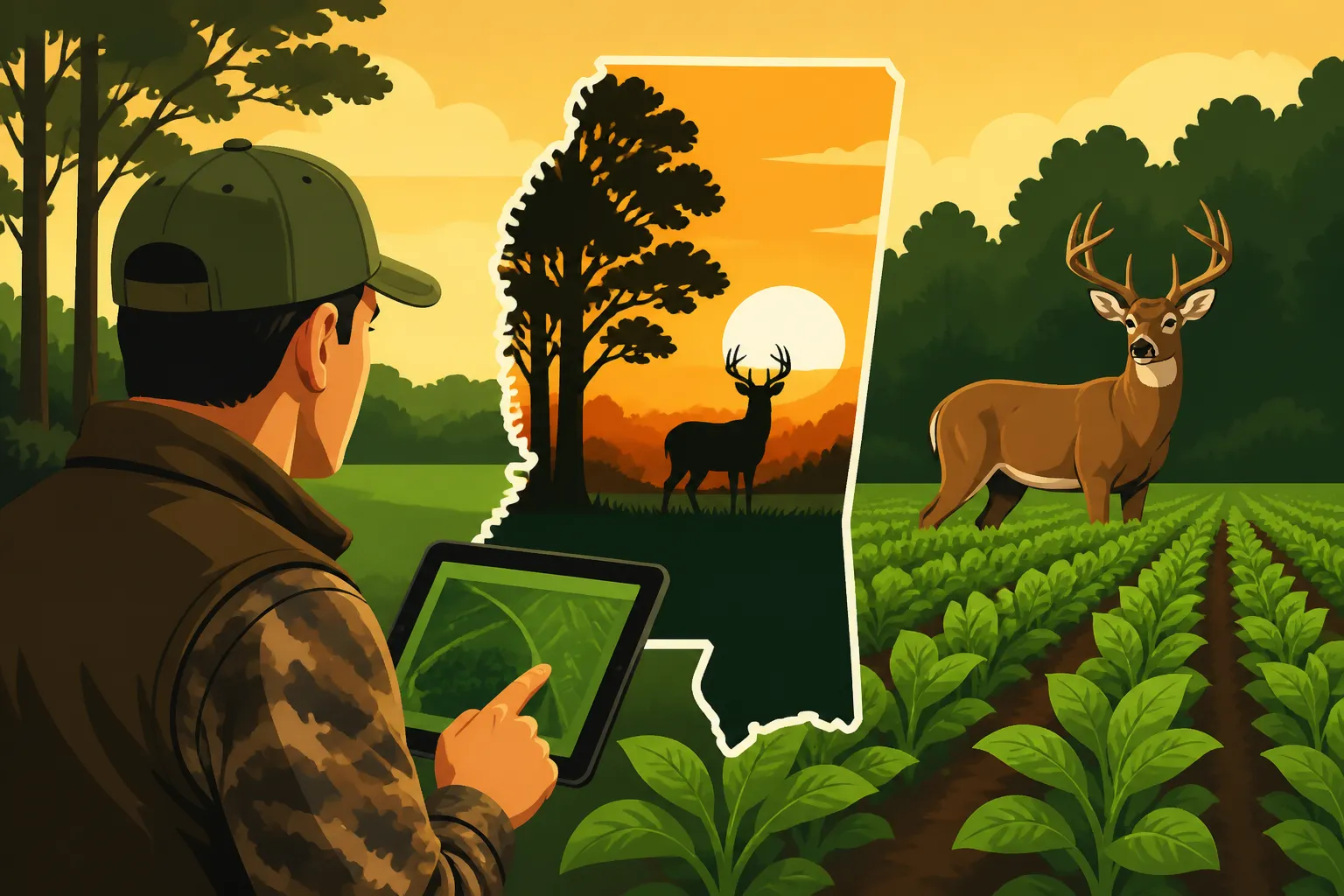
The first thing a good outfitter will do is a thorough on-site assessment. This isn't just a quick glance; it involves taking multiple soil samples to get a precise understanding of your pH levels and nutrient deficiencies. They'll also analyze the topography of your land, looking at slopes, drainage, sunlight exposure, and existing vegetation. Using tools like satellite imagery and topographical maps, they can identify optimal plot locations that maximize sun exposure, minimize erosion, and naturally funnel deer movement. For instance, an outfitter might review Reading Aerial Photos for Hills Unit Deer to identify potential bedding areas and travel corridors that intersect with ideal food plot sites. Crucially, they'll sit down with you to understand your hunting goals. Are you aiming to hold deer on your property year-round, attract trophy bucks during the rut, or simply provide supplemental nutrition? Their recommendations will be tailored directly to these objectives, ensuring every dollar and hour you invest is working towards your specific vision.
Tailored Seed Mixes and Planting Schedules
Generic food plot mixes rarely cut it in Mississippi's varied conditions. A consultant from a reputable outfitter will recommend specific forage types that thrive in your unique soil and climate. This might mean cool-season annuals like oats, wheat, and clover for early archery season and winter nutrition, or warm-season options like soybeans and corn for summer browse and late-season attraction. They understand the nuances, such as which brassicas perform best in certain conditions or the optimal planting window for a perennial clover plot to establish itself before the summer heat. They’ll also advise on the crucial timing. Planting too early can lead to premature bolting, while planting too late can mean a poor establishment before cold weather hits. Their local knowledge is invaluable for nailing that perfect window, which can vary significantly even between counties. Consider the insights you'd gain for maximizing Late-Season Food Sources for Mississippi Whitetails versus early season draw.
Equipment Recommendations and Implementation Guidance
Many hunters struggle with the practicalities of plot preparation and planting. What size tractor do you need? Is a disc harrow sufficient, or do you need a cultipacker? Should you broadcast seed or drill it? An outfitter consulting service can provide specific guidance on the necessary equipment, from basic tools for small plots to heavier machinery for larger agricultural fields. They can explain the pros and cons of different implements, helping you avoid unnecessary purchases or rentals. Beyond just the gear, they'll walk you through the entire process: how to properly prepare your seedbed, when and how much lime and fertilizer to apply based on your soil test results, and the correct seeding rates. If you're not equipped to do the work yourself, they can often connect you with local contractors or even offer their own implementation services, taking the guesswork out of the physical labor.
Beyond Planting: Ongoing Management and Troubleshooting
Getting a food plot started is one thing; keeping it productive and resilient throughout the season, and year after year, is another challenge entirely. A consultant isn't just about the initial setup; they're a long-term partner in your habitat management.
Strategies for Deer Browse Management
Once your plots are growing, the next hurdle is often intense deer browse. While the goal is to attract deer, you don't want them to eat it down to nothing before hunting season even arrives. An outfitter can advise on effective browse management strategies. This might include using temporary electric fences around young plots to give them a head start, designing plots with strategic "sacrificial" areas, or even planning larger plots that can withstand heavier browsing pressure. They can help you determine the optimal size and shape of plots to maximize their effectiveness while minimizing the risk of overgrazing. They might also suggest planting certain less palatable border crops to deter initial browsing, allowing your desired forage to establish itself. Thinking about how deer move in relation to Hunting After a Poor Acorn Year can also influence where and how you place your plots, as deer will be seeking out any available food.
Pest and Weed Control in Mississippi Plots
Beyond deer, food plots in Mississippi are magnets for other wildlife that can be destructive, like feral hogs. Mississippi Feral Hog Trapping Rules are a critical part of managing these destructive animals. An outfitter can advise on strategic trapping locations and methods to reduce hog damage. They'll also help you identify common weeds that plague food plots in our region, such as pigweed, ragweed, or goosegrass, and recommend appropriate herbicides or mechanical control methods that won't harm your desired forage. This includes guidance on application timing, dosage, and safety. Effective pest and weed control is vital for plot longevity and productivity, and an experienced outfitter will have a wealth of knowledge on local challenges and solutions to keep your plots thriving.
Seasonal Adjustments and Long-Term Habitat Integration
A truly successful food plot program isn't static; it evolves with the seasons and the needs of your wildlife. An outfitter will help you think beyond a single planting, guiding you on crop rotation, deciding between annuals for quick results and perennials for sustained forage, and how to integrate your food plots into a broader habitat management strategy. This could include discussing hinge-cutting for cover, creating natural browse areas, or managing timber stands to complement your plots. They can help you create a year-round food source strategy that supports deer health and provides consistent hunting opportunities. It’s all about creating a cohesive ecosystem where your food plots are just one, albeit crucial, piece of the puzzle. This includes long-term planning, similar to how one might approach Food Plots on Mississippi Private Land as part of a multi-year management plan.
Choosing the Right Outfitter for Food Plot Advice
So, you're convinced that professional guidance is the way to go. But how do you pick the right outfitter for your food plot consulting needs in Mississippi? It's about finding someone who is truly invested in your success.
Experience and Local Knowledge Are Key
This is paramount. You need an outfitter who isn't just familiar with generic food plot advice but deeply understands Mississippi's unique hunting units, soil types, weather patterns, and specific deer behavior. An outfitter who primarily hunts the Delta might have different advice than one focused on the Hills or Piney Woods, and both perspectives are valuable depending on your property's location. Look for outfitters who have been operating successfully in your target region for many years, as their experience is a testament to their local knowledge. While platforms like BookYourHunt or GoHunt are excellent resources for finding hunting opportunities, remember to delve into the outfitter's specific services. Many of these outfitters, beyond offering guided hunts, have extensive land management experience and can offer consulting for your private land. Don't be afraid to ask about their own food plot success on their managed properties.
What to Expect from a Consultation Package
Before you commit, it’s crucial to understand what’s included in their consulting service. A comprehensive package should typically involve an initial on-site visit to your property, where they conduct the soil tests and ground assessment we discussed. Following this, you should receive a detailed, written food plot plan, often with maps, specific seed recommendations, fertilizer schedules, and planting instructions. Some outfitters offer follow-up support, either through phone consultations or additional site visits, to help you troubleshoot or adjust your plan as the season progresses. Don't hesitate to ask specific Questions to Ask Before Booking a Mississippi Hunt about their consulting process, deliverables, and any ongoing support they provide. Clarity upfront ensures you get the most value for your investment and avoid any misunderstandings.
Maximizing Your Investment and Avoiding Pitfalls
To truly make the most of an outfitter's food plot consulting, view it as a partnership. Be open and honest about your budget, time constraints, and skill level. Don't be afraid to ask for references from other landowners they've helped with food plots. Always get a clear, written agreement detailing the services provided, timelines, and costs. Be wary of anyone promising instant, miraculous results; food plotting is a long-term strategy that requires ongoing effort. The consultant is there to guide you, but the ultimate success of the plots will still depend on your dedication to implementing their recommendations. By choosing a reputable outfitter with deep local knowledge, you're not just buying advice; you're investing in a more productive property and a more rewarding hunting experience for years to come.
Here's a quick look at some common food plot forages for Mississippi conditions:
| Forage Type | Best Unit/Soil Type | Key Benefits | Considerations | When to Plant |
|---|---|---|---|---|
| Clover | Hills, Piney Woods (well-drained loam) | Perennial, nitrogen fixer, high protein, year-round | pH sensitive, slow establishment, needs weed control | Fall, Spring |
| Oats/Wheat | All Units (especially Delta) | Fast growth, early attraction, good cold tolerance | Annual, needs re-planting, susceptible to heavy browse | Late Summer/Fall |
| Brassicas | All Units (fertile soil) | High tonnage, cold-hardy, excellent late-season | Deer may not prefer until after first frost, annual | Late Summer |
| Soybeans | Delta, Hills (fertile soil) | High protein browse, good late-season pods | Very heavy browse pressure in summer, expensive | Spring |
| Corn | Delta (fertile clay/loam) | High energy late season, cover, drought tolerant | High cost, intensive management, hog magnet | Spring |
| Chicory | Hills, Piney Woods (well-drained) | Drought tolerant, deep roots, long-lasting forage | Slower to establish than clover, can be weedy | Fall, Spring |
Working with a Mississippi outfitter for food plot consulting can truly be the missing link for many hunters. Instead of fumbling through another season with subpar plots, you can leverage their firsthand knowledge of Mississippi's land, weather, and wildlife to create plots that consistently draw and hold deer. It's an investment that pays dividends in deer sightings, healthier herds, and a much more satisfying hunting experience, transforming your frustrations into triumphs.
Disclaimer
This article is for general informational purposes only and does not constitute professional advice. Laws, prices and regulations vary by location and change over time. Consult a qualified professional for guidance on your specific situation.