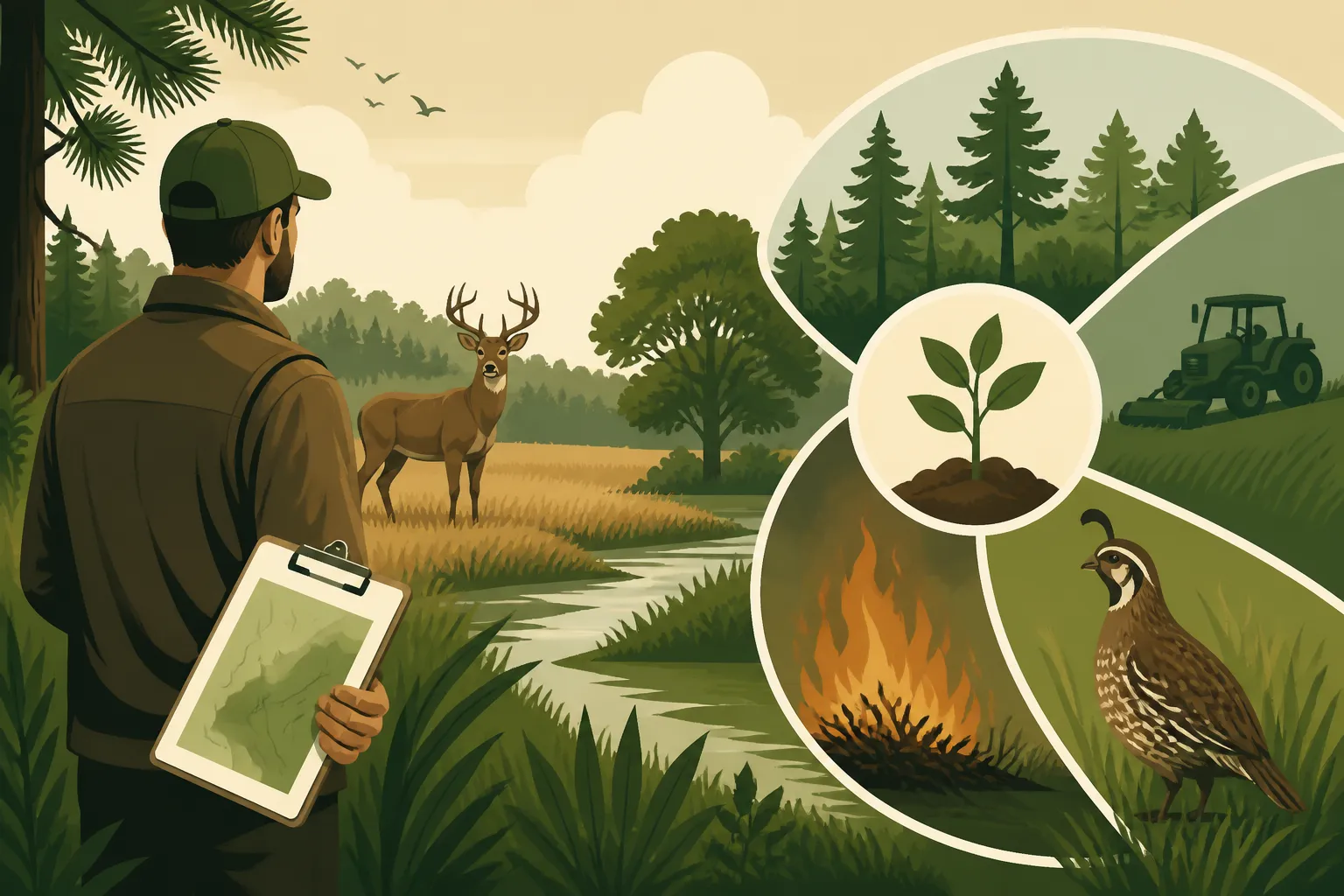
Land Management Services Beyond the Hunt
It's incredibly frustrating when you invest countless hours into hunting your land, year after year, only to see the deer sign dwindle, the turkey gobblers become ghosts, or the hog damage escalate out of control. Many landowners and hunt clubs face this very dilemma, pouring effort into annual hunts but feeling overwhelmed by the bigger picture of actually managing their property for long-term wildlife success. This guide is all about diving deep into the world of land management services available to Mississippi hunters, explaining how professional help can transform your hunting grounds and elevate your experience beyond just the seasonal pursuit.
Why Land Management Matters for Mississippi Hunters
Hunting in Mississippi is a tradition, a passion, and for many, a way of life. But as any seasoned hunter knows, the quality of your hunt is intrinsically linked to the health and vitality of the land itself. Simply putting out a feeder or planting a small food plot isn't always enough to create a thriving wildlife ecosystem, especially in the face of changing environmental factors and increasing hunting pressure. Thinking beyond the immediate season and focusing on sustainable land management is the key to unlocking your property's full potential.
Beyond Just a Season: Year-Round Habitat
A truly productive hunting property doesn't just "turn on" when deer season opens or when the first gobbler starts sounding off in spring. Wildlife, particularly species like our beloved White-Tailed Deer Across Mississippi and Wild Turkeys in Mississippi, require robust habitat year-round. This includes diverse food sources, secure bedding areas, ample cover from predators and weather, and reliable water. When these elements are consistently present and strategically arranged, wildlife populations can thrive, leading to healthier animals and more consistent hunting opportunities.
This comprehensive approach means considering how your land provides for wildlife during every month, not just the ones with open seasons. Are there winter browse options when acorns are gone? Does your property offer thermal cover for deer during cold snaps or nesting cover for turkeys in spring? Without a thoughtful, long-term strategy, you might find that while you have game animals passing through, they aren't truly living on and benefiting from your land, leading to hit-or-miss hunting success.
The Frustration of Declining Quality
Many hunters have experienced the disheartening reality of declining hunting quality on their properties. Perhaps the mature buck sightings are fewer, or the turkeys are more wary than ever. This isn't just bad luck; often, it's a symptom of habitat degradation or insufficient management. Over-browsing by deer, unchecked invasive species, poor timber practices, or even a lack of water sources can gradually erode the land's ability to support a healthy game population.
It's easy to get caught in a cycle of frustration, especially when you've invested significant time and money into seasonal efforts. The good news is that these declines are often reversible with the right strategy. Professional land management services offer the expertise to diagnose these issues, identify underlying problems, and implement targeted solutions that can turn things around. Many of these outfitters, some of whom list their guided hunts on platforms like BookYourHunt, understand that their clients want more than just a quick hunt; they want a sustained, high-quality experience year after year.
Core Land Management Services Offered by Outfitters and Consultants
When you start looking into professional land management, you'll find a wide array of services designed to improve your property for hunting. These aren't just one-off tasks; they are often integrated into a holistic plan tailored to your specific land, budget, and hunting goals.
Habitat Improvement for Deer and Turkey
One of the most common and impactful services is direct habitat improvement. This goes far beyond simply planting a food plot. It involves understanding the entire ecosystem of your property and identifying gaps or deficiencies. For deer, this might mean creating bedding thickets, enhancing native browse, or managing timber to promote understory growth that provides both food and cover. Consultants can help you implement practices like hinge-cutting or selective timber thinning to create the ideal deer sanctuary. For turkeys, focus might be on establishing open areas for strutting, promoting insect-rich environments for poults, and ensuring good roosting trees.
A professional will analyze your soil, existing vegetation, and topography to develop a customized plan. This could include prescribed burning, which is an incredibly effective tool for stimulating new growth and controlling undesirable vegetation, but requires careful planning and execution. They might also help with establishing hard and soft mast trees, creating transition zones, or even designing specific travel corridors to influence deer movement. Resources from sites like GoHunt often highlight the importance of understanding the local ecosystem, something a professional land manager brings to the table, ensuring that habitat improvements are appropriate for your region.
Waterfowl Impoundment and Green Tree Reservoir Development
For those interested in Waterfowl Hunting the Mississippi Delta or other low-lying areas, managing wetlands is a specialized skill. Outfitters or consultants with waterfowl expertise can design and implement impoundments (managed shallow-water areas) or green tree reservoirs (GTRs). These projects involve engineering the land to allow for controlled flooding and draining, creating ideal feeding and resting areas for migrating ducks and geese.
Developing these features is a significant undertaking that requires knowledge of hydrology, native plant species, and proper water control structures. A professional will guide you through the permitting process, design the layout, select appropriate plantings (like various moist-soil plants or timber that can tolerate periodic flooding), and advise on the operational management to maximize waterfowl attraction. This can transform marginal ground into a waterfowl magnet.
Feral Hog Control Strategies
Feral Hogs Across Mississippi are a constant menace for landowners and hunters alike. They destroy food plots, damage timber, and compete directly with native wildlife for food. Effective hog control is a year-round battle that often requires a multi-pronged approach beyond just recreational hunting. Land management services can provide comprehensive hog control strategies.
This might include strategic trapping programs, utilizing large corrals and remote trigger systems for maximum efficiency. They can also advise on night hunting tactics, including thermal equipment and spotlighting, where legal and appropriate for the property. Some services even offer professional dog-drive teams. The goal isn't just to kill hogs, but to significantly reduce their population and minimize damage, which is a continuous effort that a professional can help manage and execute.
Food Plot Planning and Implementation
While many hunters plant food plots, a professional takes it to the next level. They understand that a truly effective food plot isn't just about throwing out some seed. It involves a detailed analysis of your soil, sunlight exposure, topography, and the specific nutritional needs of the wildlife you're targeting. They can perform soil tests to determine exact nutrient deficiencies and recommend appropriate amendments.
Beyond basic planting, a land manager can help you design a food plot system that integrates different forage types (annuals, perennials, brassicas, legumes) to provide nutrition throughout the entire year, not just peak season. This also includes placement of plots for optimal hunting opportunities, considering wind, access, and bedding areas. They can advise on proper seed selection, planting techniques, and ongoing maintenance to ensure your plots are as productive as possible, maximizing the investment you make in Food Plots on Mississippi Private Land.
| Service Category | Description | Common Goals |
|---|---|---|
| Habitat Enhancement | Timber thinning, prescribed burns, native plant restoration, cover creation. | Improve deer bedding, turkey nesting, natural food sources. |
| Water Management | Impoundment construction, levee maintenance, water control structures. | Attract migratory waterfowl, create fish habitat. |
| Invasive Species/Pest Control | Feral hog trapping, exotic plant removal, predator management. | Reduce crop damage, protect native wildlife, improve herd health. |
| Food Plot Design | Soil testing, species selection, year-round forage planning, planting. | Provide consistent nutrition, attract game, optimize hunting sites. |
| Trail System Development | Creating or improving access roads and paths. | Improve hunter access, facilitate equipment movement, reduce disturbance. |
| Wildlife Surveys | Camera surveys, track counts, spotlight counts. | Estimate population numbers, monitor herd health, assess buck age structure. |
The Benefits of Professional Land Management for Your Property
Engaging a professional for land management goes beyond just getting tasks done; it's an investment in the future of your property and your hunting legacy. The benefits ripple through various aspects of land ownership and wildlife conservation.
Maximizing Hunting Potential
Perhaps the most immediate and tangible benefit for hunters is the maximization of hunting potential. When your land is professionally managed, you're not just hoping for good hunting; you're actively cultivating it. This means more frequent sightings of healthier, larger game animals. For deer hunters, this translates to improved Mississippi Buck Age Structure and a better chance at harvesting mature bucks. For turkey hunters, it means more consistent gobbling activity and increased poult survival.
A well-managed property also creates a more predictable and enjoyable hunting experience. Deer movement can be influenced by strategic cover and food placement, allowing for more effective stand locations and still-hunting opportunities. Whether you're targeting Hunting the Rut in the Delta Unit or focusing on late-season food sources, a professional plan helps ensure the game is where you need it to be. You'll find yourself not just hunting on the land, but hunting with the land, understanding its rhythms and design.
Long-Term Wildlife Sustainability
Beyond a single season's success, professional land management fosters long-term wildlife sustainability. This isn't just about ethical hunting; it's about ensuring future generations have robust populations to pursue. By improving habitat diversity, managing timber responsibly, and controlling detrimental invasive species like Feral Hogs Across Mississippi, you contribute to the overall ecological health of your property.
This approach often aligns with broader conservation efforts. For example, creating optimal habitat for deer and turkey often benefits a host of non-game species as well. Investing in expert advice means you're building a resilient ecosystem that can withstand environmental pressures and continue to support healthy wildlife populations for decades to come. It's worth researching success stories on platforms like GoHunt that feature properties managed with long-term goals in mind.
Enhancing Property Value and Enjoyment
A professionally managed hunting property isn't just better for wildlife; it's also a more valuable and enjoyable asset for you. A property with well-maintained food plots, established travel corridors, thriving timber stands, and robust game populations will command a premium if you ever decide to sell or lease it. The infrastructure of managed wetlands or extensive trail systems adds significant value.
Furthermore, the sheer enjoyment you derive from your land increases. Instead of battling persistent problems, you'll be able to appreciate a healthier, more beautiful environment. Imagine walking your property and seeing tangible evidence of your management efforts: flourishing native plants, abundant deer sign, or healthy turkey poults. This deep connection to the land and the satisfaction of stewarding it properly adds an immeasurable layer of fulfillment to your outdoor experience.
Choosing the Right Land Management Professional in Mississippi
Deciding to invest in professional land management is a big step, and choosing the right partner is crucial. Mississippi has a diverse landscape, from the Delta's bottomland to the Piney Woods, and you want someone who understands the local nuances and your specific goals.
Vetting Experience and Specialization
Just like you wouldn't hire any general contractor to build a custom home, you shouldn't hire just anyone to manage your complex wildlife habitat. Look for professionals with a strong background in wildlife biology, forestry, or conservation. Ask about their experience with similar properties in Mississippi, specifically in your region (e.g., Delta, Hills, Southeast). Do they specialize in Mississippi Deer Season Structure Explained and habitat, or are they more focused on Mississippi Waterfowl Zones and Seasons?
Check their credentials, certifications, and any professional affiliations. A reputable consultant will have a proven track record, be able to provide references from other satisfied landowners, and explain their philosophy clearly. Don't be afraid to ask for examples of past projects and what kind of results they achieved. You're looking for someone who can translate scientific principles into practical, effective strategies for your land.
Understanding Costs and Return on Investment
Professional land management is an investment, and the costs can vary widely depending on the scope of work, the size of your property, and the services required. It's essential to get a clear, detailed proposal that outlines all costs, including labor, materials, equipment, and consulting fees. Understand if it's a one-time project, an ongoing retainer, or a phased approach.
Think about the return on your investment, not just in terms of monetary value, but in hunting quality and personal enjoyment. A well-managed property can reduce the need for extensive yearly work, increase success rates, and even generate income through selective timber harvests or hunting leases. Discuss potential grant opportunities or cost-share programs that might be available for certain conservation practices, as these can help offset initial expenses.
Asking the Right Questions Before Committing
Before you sign any agreement, arm yourself with a list of thoughtful questions. Beyond costs and experience, delve into the specifics of their approach. Here are a few examples:
- "What is your assessment of my property's current strengths and weaknesses for wildlife?" (This shows they've done their homework).
- "What are your top three recommendations for immediate improvements, and why?"
- "How will you measure success, and what kind of timelines should I expect for seeing results?" (Wildlife management is rarely instantaneous).
- "How do you involve the landowner in the decision-making and implementation process?" (You want a collaborative partner, not just someone who dictates).
- "Can you provide a comprehensive plan that integrates Mississippi's Chronic Wasting Disease Zones considerations into deer management?"
- "What are the typical challenges for managing properties like mine in this specific part of Mississippi?"
When you're sifting through potential services, consider checking if the consultants have affiliations or if their managed properties are featured on reputable sites that cater to serious hunters, such as BookYourHunt. Choosing the right professional can be the difference between a frustrating plateau and a truly transformative journey for your hunting land.
Disclaimer
This article is for general informational purposes only and does not constitute professional advice. Laws, prices and regulations vary by location and change over time. Consult a qualified professional for guidance on your specific situation.