Hanging a Stand on a Delta Bottomland Funnel
Hunting deer in Mississippi's vast Delta bottomlands can feel like trying to find a needle in a haystack. The sheer amount of dense cover, standing water, and often monotonous timber can make locating consistent deer movement an absolute nightmare, leaving many hunters frustrated and wondering where the deer even are. This guide is here to cut through that confusion, helping you identify, scout, and effectively hang a stand in those critical Delta bottomland funnels where deer are most likely to travel.
Understanding Delta Bottomland Funnels
The Mississippi Delta is a unique hunting landscape, characterized by its flat topography, fertile soil, and a labyrinth of waterways. For deer, this means travel isn't always straightforward. They look for the path of least resistance, and that's where funnels come into play.
What Makes a Funnel in the Delta?
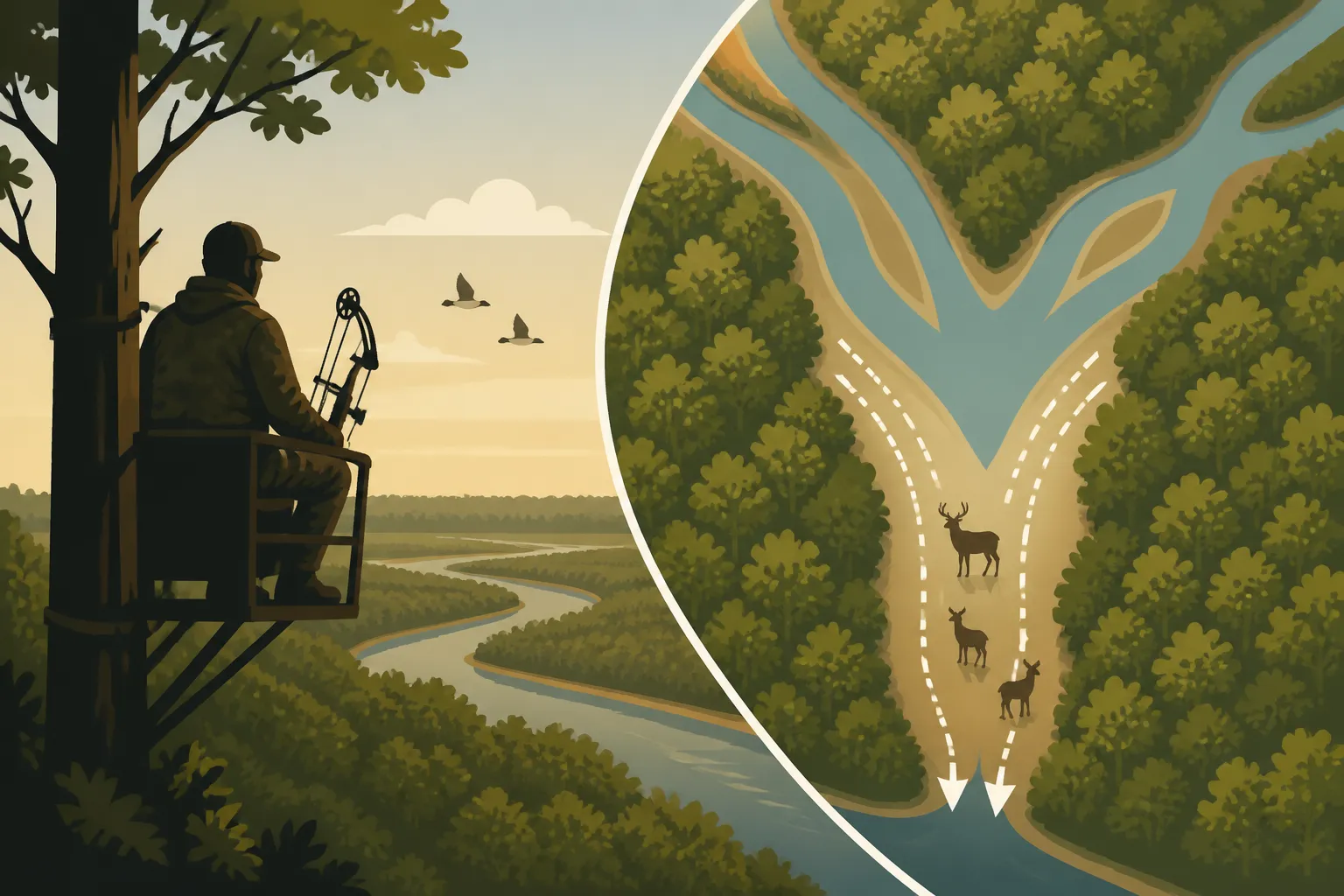
In the Delta, a funnel isn't always a dramatic terrain feature like a mountain saddle. Often, it's a subtle constriction that deer exploit for efficient and secure travel. Natural features are abundant here. Think about those long, winding sloughs or old oxbow lakes that cut through the timber. Deer are reluctant to swim or wade through deep water if they don't have to, so they'll skirt the edges, creating natural travel corridors. Similarly, cypress brakes or areas of dense, impenetrable cane thickets can create a "wall" that pushes deer into narrower pathways. Even a subtle change in timber type, from a thick, brushy clear-cut edge to mature, open hardwoods, can dictate how deer move through an area.
Man-made features also play a massive role. The extensive levee systems built for flood control can act as superhighways for deer, offering dry, elevated travel. Often, older, less-used logging roads or ATV trails become preferred routes, especially if they follow a slightly higher elevation or offer easier walking. Drainage ditches or even old, grown-up fence lines can subtly guide deer movement for miles. The key is to look for where these features converge or narrow, forcing deer into a predictable choke point. These are the places where deer traffic naturally concentrates, increasing your odds of an encounter.
Why Funnels Are Prime Stand Locations
Deer are creatures of habit, and above all, they seek security and efficiency in their movements. Funnels offer both. When a deer can travel from bedding to feeding, or from one security cover to another, along a route that is both direct and offers protection from predators (including hunters), they'll take it every time. These constricted pathways mean that a deer moving through an area has fewer options for travel, making their movements more predictable for us as hunters.
During the rut, funnels become absolutely explosive. Bucks, particularly mature ones, are constantly cruising for does, and they will instinctively use these natural travel corridors to cover ground efficiently while staying somewhat concealed. This is where you might catch a buck that you've never seen before on your property, simply because he's following a doe or scent-checking a scrape line that leads him right through your funnel. Even outside the rut, funnels often connect bedding areas to food sources, or provide routes between different pockets of security cover. This concentration of deer activity, whether it's daily patterns or rut-driven cruising, makes them invaluable locations for a stand.
Scouting for the Perfect Funnel Stand Location
Identifying a promising funnel on a map is one thing; confirming it on the ground and pinpointing the exact stand location is another entirely. This two-pronged approach is essential for success in the Delta.
Aerial Reconnaissance and Map Study
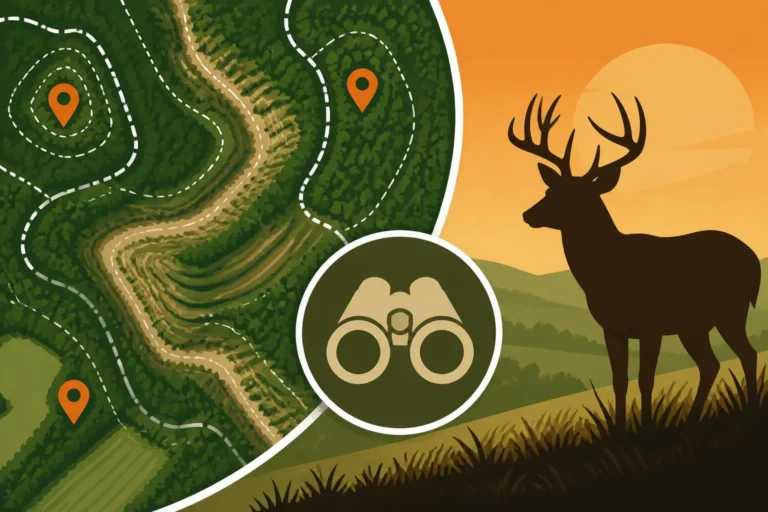
Before you ever step foot into the mosquito-laden Delta bottomland, grab your tablet or computer and open up a mapping application. Tools like GoHunt (and others like onX Hunt or Basemaps) are absolutely invaluable for this initial phase. Start by zooming out and looking for those tell-tale linear features: the curves of ancient riverbeds, the straight lines of levees, the dark veins of sloughs. Look for where these features come close together or where a change in timber type creates a natural pinch. For example, you might see a long, narrow finger of mature hardwoods surrounded by thick regeneration or standing water. That finger is a prime candidate for a funnel.
Pay close attention to water levels. What might be a dry walking path in late summer could be waist-deep water during deer season, completely altering deer movement. Some mapping apps allow you to view historical imagery, which can give clues about seasonal water fluctuations. Also, look for any clearings or food plots, as these will indicate where deer are likely to be headed, and thus, where your funnel leads. A funnel connecting a dense bedding area in a cypress brake to a lush food plot on a higher ridge is gold. Take your time with this step, marking potential funnel locations as waypoints on your app. You might also want to consult maps for Where Delta National Forest Bucks Bed to identify high-potential areas.
Boots-on-the-Ground Scouting Techniques
Once you've identified potential funnels from above, it's time to put boots on the ground. This is where you confirm your theories and get truly intimate with the landscape. Your goal here is to find fresh deer sign. Look for well-worn trails, especially those that parallel water features or follow subtle rises. Pay close attention to how deer cross obstacles—are there specific narrow spots they prefer? Seek out fresh tracks in the mud or soft soil, noting their direction and frequency.
Rubs and scrapes are also huge indicators, especially if you're scouting closer to the rut. A line of rubs along the edge of a slough or a cluster of scrapes at the mouth of a funnel tells you that bucks are actively using this corridor. When scouting, remember the wind. In the Delta, thermals can be tricky. Early mornings, air often drains into the low spots, while evenings see it rise. Always approach a potential stand location from downwind, just as you would when hunting, to avoid contaminating the area with your scent. I've found that effective Reading Delta Mud for Fresh Deer Movement can tell you exactly when and how deer are using these funnels. Sometimes, an old logging road that looks great on a map might be completely devoid of sign, while a seemingly insignificant tangle turns out to be a major crossing point. Don't be afraid to adjust your plans based on what the deer are telling you. Consider scouting methods like Scouting Mississippi Public Land Before Season for broader strategies applicable to these specific areas.
Strategic Stand Placement and Setup
Once you've confirmed a hot funnel, the next crucial step is placing your stand strategically. This isn't just about finding any tree; it's about finding the right tree and planning your entire approach and exit.
Choosing the Right Tree and Entry/Exit Routes
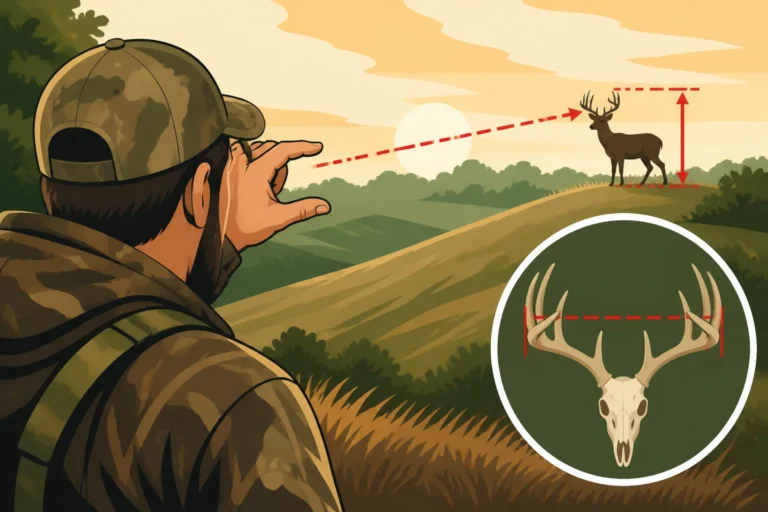
Selecting the perfect tree for your stand is paramount. You're looking for a tree that offers good cover, preferably with some limbs or foliage to break up your silhouette, even when leaves are down. Aim for a height that gives you a commanding view of the funnel and potential shooting lanes, typically 18-25 feet in a relatively flat bottomland, but always adjusting for available cover. A tree that's slightly off the main trail, allowing deer to pass in front of or below you without directly looking into your position, is ideal.
Your entry and exit routes are just as critical as the stand itself. Many hunters blow their chances before they even get into the stand by spooking deer on their way in or out. In the Delta, this often means utilizing water. If you can use a small boat or canoe to access your stand without walking through bedding areas or heavily traveled routes, that's a huge advantage. Otherwise, plan a route that uses natural cover, elevation changes (however subtle), or runs parallel to a less-used feature like a very deep ditch. Always try to approach with the wind in your face or a crosswind that carries your scent away from the funnel. For example, if you're hunting a morning hunt, plan an entry that uses the rising thermals to carry your scent up and away from where deer might be moving into the funnel. Conversely, for an evening hunt, an entry that keeps your scent from drifting into their afternoon feeding area is key. These considerations are vital when thinking about Hanging a Stand on a Delta Bottomland Funnel.
Stand Height, Camouflage, and Shooting Lanes
In the dense environment of Delta bottomlands, your stand height needs to be adequate but also consider visibility. While higher is generally better for scent control and a wider field of view, if you're too high and exposed, deer will still spot you. A good rule of thumb is to get high enough to be above the deer's primary line of sight and to allow for slightly downward shots, minimizing deflection. Most hunters aim for 20-25 feet, depending on the surrounding canopy and terrain.
Camouflage isn't just about what you wear; it's about how your stand integrates into the environment. Use the natural cover around your chosen tree. Trim branches judiciously to create shooting lanes, but avoid over-clearing. You want enough room for an ethical shot, but not so much that you've created a giant hole in the canopy that screams "hunter here!" A good practice is to trim only what is absolutely necessary from your stand, and only at angles you expect deer to approach. For lock-on stands, adding some natural foliage around the platform can help break up your outline further. When choosing stand types, consider durable lock-ons, or carefully selected climbers if the trees allow. Ladder stands can be effective in more open areas but might be too conspicuous in denser funnels. Good Treestand Setups in Delta National Forest often prioritize stealth and blending in with the surroundings. Lastly, scent control is paramount. The humid Delta air can hold scent for a long time. Invest in good scent-eliminating sprays and wash your hunting clothes in scent-free detergent.
Hunting the Delta Funnel Effectively
Hanging the perfect stand is only half the battle. To truly capitalize on a Delta bottomland funnel, you need to hunt it smartly, understanding deer behavior and adapting to the dynamic environment.
Timing Your Hunts for Peak Activity
Knowing when to hunt your funnel is just as important as knowing where to hang your stand. The best times are almost always during the first few hours of daylight and the last few hours before dark. Deer are most active during these low-light periods, moving between bedding and feeding areas. During the middle of the day, activity often slows, but a good funnel can still produce, especially if it connects two bedding areas or offers secure travel in heavy cover.
Cold fronts are a deer hunter's best friend in Mississippi. Following a significant drop in temperature, especially after a warm spell, deer activity tends to surge. They'll often be on their feet longer, making them more susceptible to interception in a funnel. The rut, of course, is prime time. Bucks are on the move, actively seeking does, and they will utilize funnels heavily for cruising. Understanding When the Mississippi Rut Peaks by Unit is crucial for timing your hunts in these funnels. During the rut, you might see more midday activity as bucks are relentless in their search. Pay attention to local intel and historical data for your specific area. Every funnel is a little different, and over time, you'll learn its unique rhythm.
Adapting to Changing Conditions
The Delta bottomlands are constantly changing, and a static approach to hunting simply won't cut it. One of the biggest factors is water levels. Heavy rains can quickly flood areas, turning dry trails into impassable swamps or, conversely, opening up new travel routes on slightly higher ground. Always check local river gauges or recent rainfall to anticipate how water levels might affect your funnel. What was a perfect pinch point last week might be completely submerged or bypassed this week.
Food sources are another dynamic element. Early season, deer might be focused on specific browse, while later in the season, falling acorns become king. If your funnel leads to a specific food source, be aware of its availability. If the acorns are gone, deer patterns will shift. Hunting pressure from other hunters can also drastically alter deer behavior. If your funnel starts seeing a lot of human activity, deer will quickly become nocturnal or find alternative, more secure routes. Having a few backup stand locations or scouting for alternate funnels is always a smart move. Sometimes, ditching the treestand for a well-brushed-in ground blind might be the answer, especially if deer are being heavily pressured or if specific conditions make a treestand less effective. Learning how to effectively Use a Ground Blind on Mississippi Public Land can be a valuable skill for adapting to changing circumstances. Remember, the most successful Delta hunters are those who can read the land and adapt their tactics on the fly.
Here's a quick look at common Delta funnel features and what to look for:
| Funnel Feature | Description | Deer Movement Implications | Scouting Indicators |
|---|---|---|---|
| Slough/Oxbow Edge | Narrow strip of dry land bordering a long, often stagnant water body. | Deer walk parallel to the water, avoiding wading/swimming. | Well-worn trails along the bank, rubs/scrapes on bordering trees. |
| Levee System | Elevated, man-made embankment for flood control. | Provides dry, easy travel, often connect large areas. | Heavy main trails, often with side trails branching off. |
| Logging Road/ATV Trail | Old, overgrown roads through timber, often slightly elevated. | Easy walking for deer, especially if brushy for cover. | Tracks, droppings, occasional rubs, can be used for cruising. |
| Cypress Brake Edge | Interface between dense cypress swamp and more upland timber. | Deer skirt the impenetrable brake, staying on drier ground. | Strong trails at the edge of the swamp, often muddy. |
| Timber Type Transition | Where a thick clear-cut meets mature hardwoods, or pine meets bottomland. | Deer prefer the edge for security and access to diverse food. | Parallel trails, often heavier sign along the seam. |
| Drainage Ditch | Man-made ditches or small creeks, usually running straight. | Deer cross at narrowest, shallowest points or walk banks. | Faint trails leading to specific crossing points, tracks in mud. |
Disclaimer
Hunting is an inherently dangerous activity. Always prioritize safety by wearing a safety harness when using a treestand, inspecting your equipment before each use, and informing someone of your hunting location and expected return time. Be familiar with all Mississippi hunting regulations and obtain the necessary licenses and permits. This guide is for informational purposes only and does not supersede official MDWFP guidelines.