Hunting Hogs Without Bait or Dogs
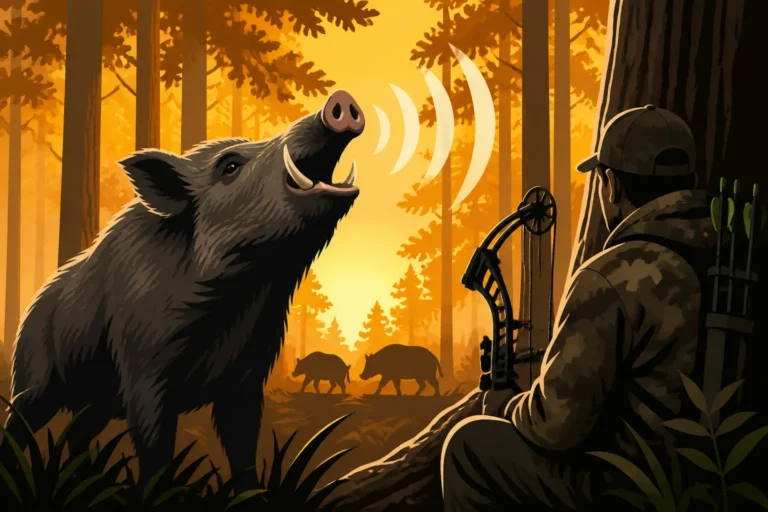
Hunting feral hogs in Mississippi can be one of the most exhilarating and challenging pursuits, but let's be real: trying to do it without the convenience of bait piles or the raw power of a dog pack can feel like searching for a needle in a haystack. Many hunters, especially those relying on public land or who simply prefer a more traditional, stealthy approach, find themselves wondering how on earth to even locate these elusive, intelligent animals when they're not coming to a predictable food source. This guide is all about equipping you with the knowledge and tactics to successfully pursue Mississippi's abundant wild hog population when you're going completely free-range, relying on your woodsmanship rather than artificial attractants or canine companions.
Understanding Feral Hog Behavior Without Bait Influence
When hogs aren't conditioned to a bait site, their movements become much more organic, driven purely by survival instincts. To hunt them effectively, you need to think like a hog, understanding their natural rhythms and preferences.
Daily Movement Patterns and Feeding Habits
Feral hogs are primarily nocturnal or crepuscular, meaning they're most active at dawn and dusk. However, unpressured hogs, or those in very thick cover, might move and feed throughout the day, especially during cooler weather or when cloudy conditions persist. Their daily routine is a simple cycle: feed, water, bed, repeat. They'll typically move from thick bedding cover to feeding areas, then to a water source, and back to bed. Understanding these natural pathways is crucial. In agricultural areas, this might mean moving from a dense creek bottom to a cornfield edge under the cover of darkness, then retreating before daylight. In forested lands, they'll forage through oak flats for acorns, root around in moist bottomlands for tubers, or browse green shoots in new growth.
Their feeding habits are incredibly diverse, making them opportunistic omnivores. This is both a blessing and a curse for hunters. On one hand, it means they aren't picky; on the other, it means their food sources can shift rapidly with the seasons. They'll root up tender roots and bulbs, eat fallen fruits and nuts, consume insects, carrion, and even small animals. If you're not using bait, you're looking for where nature provides their buffet. When scouting, you'll need to identify what's currently "on the menu" in the specific area you're hunting.
Social Structures and Group Dynamics
Feral hogs often live in social groups called sounders, which usually consist of a sow and her offspring, sometimes with a few other related sows and their young. Boars, especially mature ones, tend to be more solitary, though they might join a sounder temporarily during breeding season. The size of sounders can vary greatly, from a handful to dozens of individuals. A large sounder can cause significant damage to the landscape in a short amount of time, making their presence quite evident.
Understanding these dynamics helps with your hunting strategy. If you locate a sounder, you often have multiple targets, but also more eyes, ears, and noses to contend with. Solitary boars, while harder to find, can sometimes be less wary and offer a more predictable pattern once located. Observing the type of sign—whether it's widespread rooting from a large group or smaller, more concentrated damage from a single hog—can give you clues about the social structure of the hogs in the area. This insight can help you decide whether to attempt a stealthy approach on a sounder or focus on tracking a lone boar.
Seasonal Changes and Habitat Use
Mississippi's diverse landscape means hog behavior shifts with the seasons. In the spring and summer, hogs will gravitate towards cooler, wetter areas. Think dense creek bottoms, river swamps, and shady timber. They'll also seek out agricultural fields where crops are emerging or ripening. As temperatures rise, wallows become extremely important for cooling off and shedding parasites. During the fall and winter, their focus shifts to food sources like acorns in oak bottoms and other mast crops. They might move into pine plantations or clear-cuts that offer thick bedding cover and forage on roots.
The availability of water is a constant driver for hogs. Even in the dead of winter, they need daily access to water. This means focusing your scouting efforts around natural water sources like streams, sloughs, ponds, and even small drainage ditches, especially in dryer periods. The Delta, with its network of bayous and ditches, provides ample water sources, while the Hills Unit might see hogs concentrated around fewer, larger water bodies during dry spells. Always consider the time of year and recent weather patterns when trying to predict where hogs will be.
Scouting and Locating Hogs Without Artificial Attractants
Since you're not relying on bait to draw them in, your boots-on-the-ground scouting, combined with modern tools, becomes your most potent weapon. This is where the true hunter's craft shines.
Interpreting Hog Sign and Tracks
The woods tell a story, and hogs leave plenty of chapters behind. When you're not using bait, learning to read these signs is paramount. Look for:
- Rooting: This is the most obvious sign. Hogs use their powerful snouts to dig up roots, tubers, and invertebrates. Fresh rooting means hogs have been there recently. The size and depth can indicate the size of the hogs. Widespread, shallow rooting might be a sounder, while deeper, more concentrated rooting could be a single, large hog.
- Wallows: These are muddy depressions where hogs roll to cool off and remove parasites. Fresh mud, often with hair rubbed off on nearby trees, indicates recent activity. Wallows are typically found near water sources or in wet, boggy areas.
- Tracks: Hog tracks are cloven, similar to deer, but typically rounder and wider, with shorter, blunter toes. The dewclaws (side toes) are often visible in the track, especially in soft mud, and tend to splay out more than a deer's. The depth and clarity of tracks can tell you how fresh they are and the size of the hog. Large, deep tracks with prominent dewclaws usually belong to a big boar.
- Scat (Droppings): Hog scat varies greatly depending on their diet. It can resemble deer droppings but is often more irregularly shaped, larger, and may contain bits of undigested plant matter, seeds, or even insect parts. Fresh scat is shiny and moist, while older scat is dry and crumbly.
- Rubs and Tusk Marks: Hogs, especially boars, will rub on trees or posts to mark territory or relieve an itch. They'll often leave mud and hair. Boars will also "tusk" trees, leaving distinctive horizontal gashes with their lower tusks. These are clear indicators of a mature boar in the area.
- Trails: Hogs create discernible trails through thick cover, leading between bedding, feeding, and watering areas. These trails are often narrower and deeper than deer trails, especially in soft soil, and may show rooting activity along their edges.
Pay close attention to the freshness of the sign. You're looking for indicators that hogs are using the area now, not last week. The more fresh sign you find, the closer you are to locating your quarry.
Identifying Natural Food Sources
Without bait, you're effectively identifying the hog's natural grocery store. This requires understanding local flora and seasonal cycles.
- Mast Crops: Acorns are king in the fall and winter. Identify white oaks, red oaks, and water oaks. Hogs will concentrate heavily under productive trees. During other seasons, look for other mast like wild plums, persimmons, muscadines, and even mulberries. Knowing the timing of these fruits is critical.
- Roots and Tubers: Moist, fertile soil is prime real estate for rooting. Hogs will dig for various roots and tubers. Look in creek bottoms, along drainage ditches, and in marshy areas.
- Agricultural Fields: If you're hunting near private land with agricultural activity (and have permission to access the edges), hogs will often raid fields of corn, soybeans, peanuts, or even planted food plots. Remember to always respect property lines and adhere to Mississippi's Mississippi Feral Hog Regulations regarding private land hunting.
- Green Forage: In early spring, hogs will graze on tender green shoots and grasses, particularly in open timber or along field edges.
Use your scouting to identify active feeding areas based on what's available naturally. If acorns are dropping, focus on oak flats. If corn is ripening, look to field edges near heavy cover.
Using Technology for Remote Scouting
Modern technology can significantly enhance your scouting efforts, especially when covering large tracts of public land.
- Mapping Applications: Tools like GoHunt (and others like OnX Hunt, BaseMap) are invaluable. They allow you to study topography, identify water sources, pinpoint potential bedding cover (dense areas, thickets), and mark natural travel corridors (creek bends, saddles, transition lines). You can mark all your found hog sign, potential ambush points, and escape routes, building a comprehensive understanding of the area before you even set foot on it. Knowing Scouting Mississippi Public Land Before Season is crucial for maximizing these tools.
- Trail Cameras: While you're not baiting, trail cameras can still be highly effective. Place them on well-used hog trails, near wallows, along creek crossings, or at the edges of natural food sources (e.g., under a productive oak tree). They can reveal movement patterns, times of activity, and the size and composition of sounders. Wireless cameras can transmit images to your phone, saving you trips.
- Binoculars and Spotting Scopes: High-quality optics are essential for glassing large areas, especially during dawn and dusk. You can often spot hogs moving through distant clear-cuts, along field edges, or even detect movement in sparse timber from a vantage point.
Remember, technology is a tool to supplement your woodsmanship, not replace it. The best results come from combining thorough ground scouting with intelligent use of mapping and cameras.
Stalking and Ambush Tactics for Unpressured Hogs
Once you've done your homework and identified areas of high hog activity, it's time to put your hunting skills to the test. Hunting hogs without bait or dogs requires patience, stealth, and an intimate understanding of the wind.
Wind, Scent, and Noise Management
This is arguably the most critical factor when still-hunting or stalking hogs. Feral hogs have an incredibly keen sense of smell, far superior to a deer's. They will bust you every time if they get a whiff of human odor.
- Play the Wind: Always, always hunt with the wind in your face or quartering. Never let the wind blow your scent into the area you expect hogs to be. This means constantly checking wind direction and adjusting your approach. If the wind shifts, you often need to reposition or back out entirely.
- Scent Control: While no method is 100% foolproof, take all possible precautions. Wash your hunting clothes in scent-free detergent, store them in airtight containers, and use scent-eliminating sprays on yourself and your gear. Avoid using scented soaps, deodorants, or strong colognes before hunting.
- Noise Management: Hogs also have good hearing, though perhaps not as acute as their sense of smell. Move slowly and deliberately. Wear soft, quiet clothing. Avoid snapping twigs or rustling leaves unnecessarily. If you're stalking, take one slow, quiet step at a time, pausing frequently to listen and scan. Every sound you make echoes through the quiet woods.
Effective Stalking Techniques
Stalking hogs successfully is a chess match against a wary opponent.
- Slow and Deliberate: Move at a snail's pace. Think about how slowly you can move rather than how quickly. Take advantage of cover, using thick vegetation, topography, and shadows to break up your outline.
- Stop and Scan: Hogs can be incredibly still and blend seamlessly into their surroundings. Stop every few steps, scan thoroughly with your eyes, and use your binoculars. Look for parts of an animal – an ear flick, a patch of black hide, a rooting snout.
- Listen Intently: Use your ears! Hogs are often noisy while feeding. Listen for grunts, squeals, rooting sounds, or the snapping of twigs as they move. These sounds can guide you directly to them.
- Use Topography: Creeks, ridges, and drainage ditches can provide natural cover for your approach. Utilize these features to stay out of sight and mask your movement. When Still-Hunting Hills Unit Ridges, for example, staying just below the crest can conceal you while allowing you to peek over to spot hogs.
- Be Patient: A successful stalk often takes hours. Don't rush. If you get within range, assess the situation, find a solid rest, and wait for the perfect shot opportunity. For ethical reasons, a clean Shot Placement on a Feral Hog is paramount.
Setting Up for Ambushes in Natural Travel Corridors
Ambushes are often more effective than pure stalking, especially for sounders or when you've patterned a hog's movement.
- Identify Funnels and Crossings: Look for natural funnels where hogs are forced to travel through a confined area. This could be a narrow strip of timber between two fields, a pinch point along a creek, or a crossing over a ditch or levee. Game trails leading to water sources or feeding areas are prime ambush spots.
- Bedding to Feeding/Watering Routes: If you can identify active bedding areas and known food or water sources, the trails connecting them are excellent places for an ambush. Hogs will often use these routes at predictable times, typically early morning or late evening.
- Concealment is Key: Whether from a ground blind or a treestand, maximum concealment is essential. You need to be hidden not only from their eyes but also from their acute sense of smell. Consider using a ground blind that's brushed in thoroughly, or a comfortable treestand on a well-used trail. Remember, Using a Ground Blind on Mississippi Public Land requires thoughtful placement and setup.
- Patience in the Stand: Once set up, remain absolutely still and silent. Wait for the hogs to come to you. This might mean sitting for hours, but the reward of a successful ambush on unpressured hogs is incredibly satisfying.
Equipment Considerations for Still-Hunting Hogs
Choosing the right gear can make a significant difference in your success rate and comfort when hunting hogs without bait or dogs.
Firearm and Ammunition Choices
Hogs are tough animals, so reliable stopping power is crucial.
- Rifles: A variety of rifle calibers are suitable. Popular choices include .223/5.56 (with appropriate, heavier bullet weights), 6.5 Grendel, 6.8 SPC, .300 Blackout, .30-30, .308 Winchester, and .270 Winchester. The key is bullet construction: you want a tough, expanding bullet that will penetrate the thick hide and bone, especially the shoulder plate, of a large boar. Many hunters favor AR-platform rifles for their capacity and quick follow-up shots, which can be advantageous when encountering a sounder. Suppressors are excellent for reducing noise and recoil, making follow-up shots easier and less disruptive to nearby hogs.
- Shotguns: A 12-gauge or 20-gauge shotgun loaded with slugs can be highly effective at closer ranges, especially in thick cover where shots might be quick.
- Archery Equipment: Bowhunting for hogs is an ultimate challenge in stealth. A compound bow or crossbow with heavy, sharp broadheads designed for deep penetration is a must. Crossbow Rules During Mississippi Archery Season specifies what's permitted. Shot placement is even more critical with archery gear.
- Ammunition: Choose bonded, monolithic, or controlled-expansion bullets designed for big game. Avoid varmint-specific rounds. Good options include Hornady Full Boar, Federal Fusion, Barnes TSX, and Winchester Deer Season XP.
Optics and Thermal Imaging
These tools can be game-changers for locating and identifying hogs, particularly in low light.
- Binoculars: High-quality binoculars (e.g., 8×42 or 10×42) are essential for scanning cover, identifying distant hog movement, and confirming signs. They allow you to survey an area without making excessive movements that could give you away.
- Thermal Imaging: While often associated with night hunting (which typically requires specific rules in Mississippi, especially on public land), thermal monoculars and binoculars can be incredibly useful for locating hogs at dawn, dusk, or even during the day in dense cover. They detect heat signatures, allowing you to "see" hogs that would otherwise be invisible to the naked eye. This can significantly reduce scouting time and increase your chances of an encounter. Many hunters use thermal for spotting and then use traditional optics for positive identification and the shot, assuming legal daylight hours. Some mapping platforms like GoHunt also integrate with thermal data in some advanced systems, though primarily for mapping thermal-identified areas for later follow-up. Always check current Mississippi regulations on the use of thermal imaging for hunting.
- Rifle Scopes: A variable power scope (e.g., 1-4x, 2-7x, or 3-9x) offers versatility for both close-quarters encounters and longer shots across clearings. illuminated reticles can be helpful in low light.
Apparel and Other Gear
Comfort and preparedness are key to long hours of still-hunting.
- Quiet Clothing: Wear layers of quiet, durable clothing that blends into the environment. Avoid noisy synthetic fabrics. Natural fibers like wool or fleece are excellent choices.
- Comfortable Boots: You'll be doing a lot of walking, often through rough terrain. Invest in comfortable, waterproof hunting boots with good ankle support.
- Headlamp with Red Light Option: Essential for navigating to and from your hunting spot in the dark. A red light option preserves your night vision and is less disruptive to wildlife.
- Game Cart or Pack: If you successfully harvest a hog, especially a large one, you'll need a way to get it out of the woods. A sturdy game cart or a robust hunting pack for quartering out the animal is invaluable. Don't forget the importance of Handling a Hog After the Shot to preserve the meat.
- First-Aid Kit: Always carry a basic first-aid kit for emergencies.
- Navigation: While mapping apps are great, always have a backup, whether it's a compass and paper map or a fully charged dedicated GPS unit. Cell service can be spotty in many remote hunting areas.
Hunting hogs without bait or dogs is a true test of a hunter's skill. It demands patience, keen observation, and an intimate understanding of the animal's natural world. While challenging, the satisfaction of outsmarting a wild hog on its own terms is immensely rewarding.
Disclaimer
Please remember that hunting regulations, seasons, and licensing requirements can change. Always consult the latest Mississippi Department of Wildlife, Fisheries, and Parks (MDWFP) official regulations before heading afield. Ensure you have all necessary licenses and permits for the species and method you intend to hunt. Safety should always be your top priority.