Dove Hunting Mississippi Opening Weekend
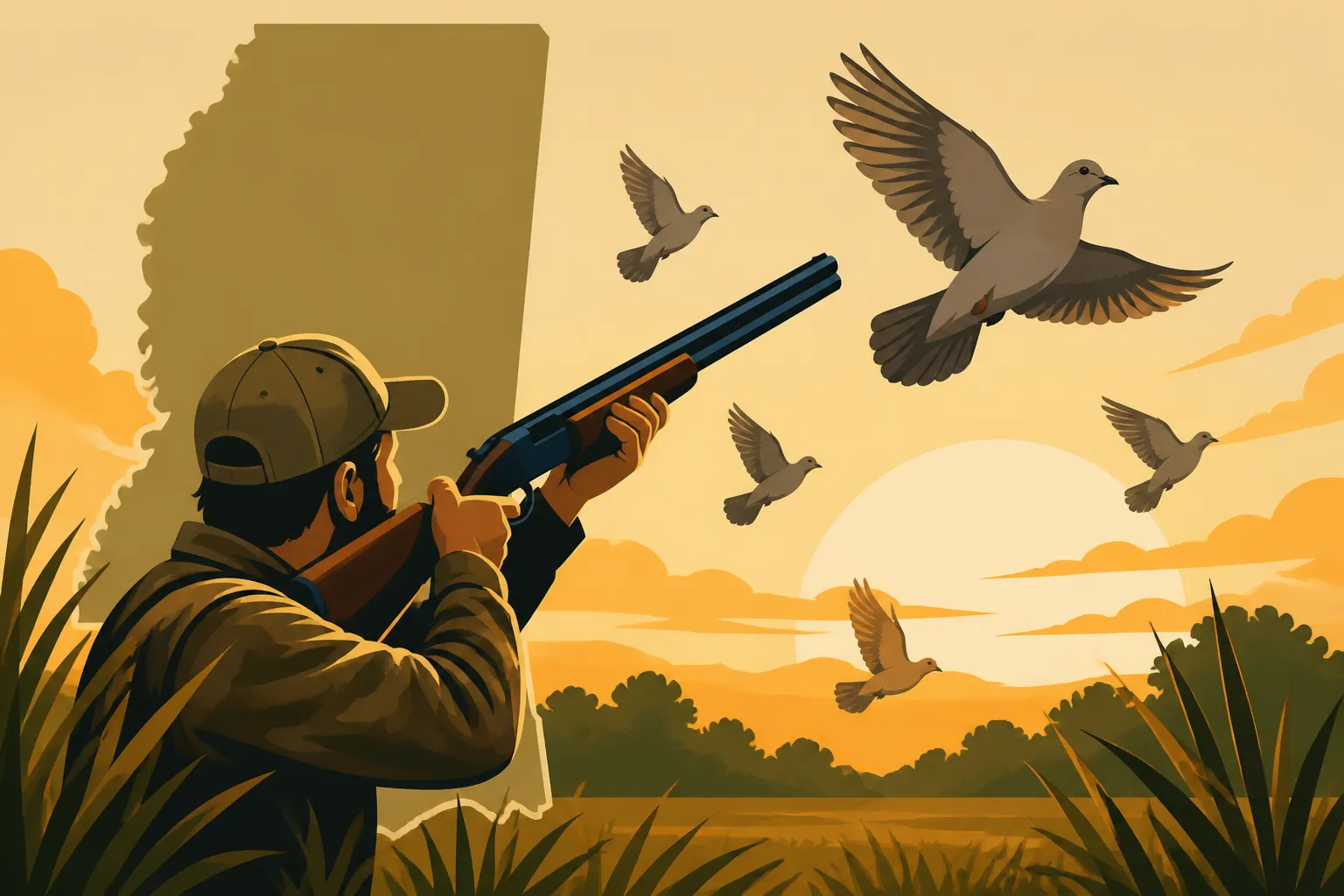
There’s nothing quite like the electric buzz of anticipation that fills the air on opening weekend of dove season here in Mississippi. You’ve waited all summer, scouting fields, cleaning shotguns, and daydreaming of fast-flying birds zipping past. But let’s be real, that excitement often comes with a dose of frustration: crowded fields, missed shots, and trying to figure out where the birds are actually flying. This comprehensive guide is designed to cut through the chaos, equipping you with the knowledge and tactics you need to make this year's opening weekend dove hunt a truly successful and enjoyable one, even amidst the crowds.
Understanding Mississippi's Dove Seasons and Regulations
Before you even think about loading a shell, you absolutely have to be squared away on the rules. Mississippi’s dove seasons, especially that highly anticipated opening weekend, are structured with specific dates, bag limits, and licensing requirements that every hunter needs to know inside and out. Misunderstandings can quickly turn a fun day into a frustrating or even illegal one, and nobody wants that.
Statewide Opening Weekend Dates and Splits
The first weekend of September usually signals the start of Mississippi’s dove season, and it's a date circled in red on calendars across the state. This initial burst of activity is often referred to as the "first split" of the dove season. It's when the local, resident doves are most abundant, often before the migratory birds from further north start making their way down the Mississippi Flyway in significant numbers. This early split is typically a couple of weeks long, then there's a break before the second and sometimes third splits open later in the fall and winter.
What makes opening weekend so special, yet so challenging, is that everyone is out there. Farmers have just cut their fields, word has spread about where the birds are hitting, and folks are itching to get out after a long off-season. You'll find families, seasoned veterans, and brand-new hunters all trying to get in on the action. The early September heat and humidity are usually intense, which adds another layer to the experience. It’s important to remember that these dates can shift slightly year to year, so always, always double-check the latest Mississippi Department of Wildlife, Fisheries, and Parks (MDWFP) migratory bird regulations before heading afield. A quick check of their website or a call to a local office can save you a lot of headache. Understanding Hunting the Second Dove Split in October can offer a contrast to the high-pressure opening weekend, but for now, let’s focus on that first glorious, chaotic weekend.
Daily Bag Limits and Possession Limits
The daily bag limit for mourning doves in Mississippi is usually 15 birds. This means that in any single day of hunting, you cannot legally harvest more than 15 doves. Sounds simple, right? But here's where it can get tricky, especially if you're hunting multiple days or with a group. The possession limit is typically three times the daily bag limit, which would be 45 doves. This possession limit applies to birds that are transported or stored away from your immediate hunting location. For example, if you hunt Saturday and harvest 15 birds, and then hunt Sunday and harvest another 15, you now have 30 birds in possession. If you were to hunt a third day, you could harvest 15 more, bringing your total to 45, which would be your possession limit.
It's crucial to keep track of your birds and be honest with yourself about your count. Ethical hunting means adhering strictly to these limits. Don't be "that guy" who tries to stretch the rules. Game wardens are out there, especially on opening weekend, and they take these regulations seriously. When hunting with a group, ensure each hunter is keeping their birds separate and not pooling them together in a communal cooler, unless everyone's individual limit is clearly maintained. This not only keeps you legal but also ensures the sustainability of our dove populations, so we can all enjoy this tradition for years to come. Checking the Mississippi Dove Season Bag Limit can provide a quick reference for the current rules.
Licenses, Permits, and HIP Certification
Alright, this is where some folks get tripped up, and it’s arguably the most important administrative step. To hunt doves in Mississippi, you’re going to need a few things:
First, a valid Mississippi hunting license. For residents, this is typically a "Sportsman's License" or an "All-Game Hunting & Fishing License." If you're a non-resident, you'll need a non-resident hunting license, which can come in various durations like a 7-day or annual option. These licenses cover your general hunting privileges. Understanding Mississippi Resident Sportsman's License Cost can help you budget for the season.
Second, because doves are migratory birds, you must also have a valid Harvest Information Program (HIP) certification. This isn't a physical stamp or a separate permit you buy; it's a registration process where you provide basic information about your past migratory bird hunting success. It’s free and can be done quickly online through the MDWFP website or when you purchase your hunting license. The data collected from HIP helps wildlife agencies manage migratory bird populations effectively. Seriously, do not forget this. If a game warden checks you and you don't have HIP certification, even if everything else is in order, you could face a fine.
Lastly, while not directly required for doves, if you plan on hunting ducks or geese later in the season, you'll also need a Federal Duck Stamp. It’s important to distinguish this, but for doves, just remember: hunting license + HIP certification. Don’t wait until the last minute on Friday night to realize you’re missing something. Get it all squared away a week or two beforehand. If you’re a new hunter, remember that Mississippi Hunter Education Requirements also apply, so make sure you’ve taken the necessary course if you fall within the age and birthdate criteria.
Scouting and Selecting a Productive Dove Field
One of the biggest frustrations on opening weekend is showing up to a field only to find it devoid of birds, or worse, so crowded you can barely swing a shotgun. The key to avoiding this disappointment, and truly making the most of your time, lies in thorough scouting. Doves are creatures of habit, and understanding their preferences for food, water, and roosting areas is half the battle.
Identifying Prime Dove Habitat and Food Sources
Doves aren't complicated; they're looking for three things: food, water, and grit for digestion, usually near some good roosting cover. On opening weekend, the absolute magnet for doves in Mississippi is typically a freshly cut agricultural field. These are often fields of sunflowers, millet, wheat, corn, or sorghum that have recently been harvested or mowed, leaving seeds exposed on the ground. Doves prefer to feed on the ground in open areas where they can easily spot predators.
Look for:
- Cut Grain Fields: Corn, wheat, milo, and especially sunflowers are top contenders. A dove field specifically planted for hunting will often be mowed in strips or sections just before the season to expose the seeds.
- Power Lines and Dead Trees: Doves love to perch on elevated structures before dropping down to feed or water. A power line running through or adjacent to a field is a huge plus.
- Water Sources: Ponds, sloughs, or even ditches with shallow water are vital. Doves need to drink frequently, especially in the hot Mississippi sun. A field near a water source is often a winner.
- Gravel/Grit: Doves consume small stones to help them digest seeds. Look for gravel roads, exposed dirt patches, or creek beds nearby.
When you're scouting, don't just drive by; park your truck and actually observe. Watch for doves flying in and out, where they land, and where they seem to concentrate. Pay attention to specific trees they might be flying toward for roosting or particular spots on a field edge they seem to favor. A field that’s been cut too early might have already been picked clean or had its seeds washed away by rain. Conversely, a field that’s still standing or only partially cut won't offer the same appeal. This on-the-ground recon is far more valuable than any map or rumor.
Public Land Opportunities for Dove Hunting
Mississippi offers some fantastic public land, including Wildlife Management Areas (WMAs) that are specifically managed for dove hunting. The MDWFP often plants and prepares fields on WMAs like Black Prairie WMA, Caney Creek WMA, or some units within the National Forests to attract doves. These areas provide excellent opportunities, especially if you don't have private land access.
However, a major reality check for public land on opening weekend: it's going to be crowded. This isn’t a secret. Hunters will line up before dawn, sometimes even the night before, to secure their spot. You’ll often find dozens, if not hundreds, of hunters spread across a managed dove field. This means increased competition, potentially less consistent shooting, and the need for extra vigilance regarding safety and etiquette.
If you plan to hunt public land:
- Arrive Early: And I mean early. Like, hours before legal shooting light. This gives you the best chance to scout a good spot and beat the rush.
- Be Flexible: Your "dream spot" might already be taken. Have backup plans and be willing to move if a spot isn't producing or becomes too crowded.
- Look for Overlooked Spots: Sometimes, the most obvious spots are the most pressured. Try to find pockets of cover, isolated trees, or corners of the field that might be slightly off the beaten path but still within a flight path.
- Check WMA Regulations: Each WMA might have specific rules for dove hunting, including shooting hours, non-toxic shot requirements (though usually not for doves unless near water), or designated parking. Always consult the specific WMA rules on the MDWFP website. Scouting Mississippi Public Land Before Season is invaluable, and resources like the MDWFP map tool can help you identify these public fields.
Gaining Private Land Access and Permission
For many, the holy grail of opening weekend dove hunting is securing access to a good private field. Private land often means fewer hunters, less pressure on the birds, and a potentially more consistent hunting experience. However, gaining access requires effort and a polite, respectful approach.
Here’s how to go about it:
- Scout from the Road: Drive around rural areas a few weeks before the season. Look for those tell-tale cut fields—especially sunflowers or wheat stubble. Keep an eye out for power lines, water, and signs of dove activity (flocks flying, birds perched).
- Knock on Doors: Once you've identified a promising field, find the landowner. This might involve looking up county tax records, or simply knocking on the door of the nearest farmhouse.
- Be Respectful and Prepared: When you approach a landowner, be polite, well-groomed, and clearly state your intentions. Offer to share your harvest, clean up any shells, and be flexible with dates if they have other plans. Acknowledge their property rights and thank them for their time, whether they grant permission or not. Sometimes, a short, handwritten note with your contact info is appreciated if they're not home.
- Offer to Help: If you have a skill like fence mending, small equipment repair, or even just offering to help with light chores, this can go a long way in building rapport.
- GoHunt: For landowners, tools like GoHunt can be incredibly useful. While primarily a mapping app for public land, its detailed satellite imagery can help you identify crops and potential dove fields on private land from a distance. You can then use the property line overlays to determine ownership and potentially find contact information. This is a powerful scouting tool for identifying potential private land opportunities and streamlining your permission-seeking process. Always use these tools ethically and respect privacy.
Remember, building a relationship with a landowner often takes time. Don't get discouraged if you're turned down initially. Persistence, politeness, and proven trustworthiness can open doors for future seasons. Once you get permission, treat that land and that relationship like gold. Picking up all your trash, closing gates, and not driving where you shouldn’t are absolute minimums. For an excellent overview of the preparatory work, consider reading Setting Up a Dove Field Before Opening Day.
| Common Dove Food Sources | Appeal to Doves | Best Time to Find Doves Feeding | Notes |
|---|---|---|---|
| Sunflower | Very High | Early Morning & Late Afternoon | Doves love the oil-rich seeds. Best when fields are recently cut or mowed. |
| Millet/Sorghum | High | Throughout the Day | Small, easily digestible seeds. Often planted specifically for doves on WMAs. |
| Wheat Stubble | Medium-High | Early Morning | After wheat harvest, residual seeds are a good draw. |
| Corn (Cut/Harvested) | Medium | Mid-Morning | Larger seeds, but residual kernels are attractive, especially in drought. |
| Chufa | Medium | Afternoon | Less common for doves, more for turkeys, but they'll hit it if available. |
| Ragweed | Opportunistic | Irregularly | A natural food source, doves will utilize it in lieu of planted fields. |
Essential Gear for a Successful Dove Hunt
You wouldn't head into a deer stand without your rifle, right? The same logic applies to dove hunting. While it might seem less gear-intensive than, say, a flooded timber duck hunt, having the right equipment makes a world of difference in your comfort, safety, and ultimately, your success. Overlooking simple items can quickly turn a fun outing into a miserable one, especially in the Mississippi heat.
Shotguns, Ammunition, and Choke Selection
Let's talk scatterguns. For dove hunting, speed and smooth swing are key, and a good fit makes all the difference.
- Shotgun Gauge: The most popular gauges are 12-gauge and 20-gauge, and either is perfectly capable of bringing down doves. A 12-gauge offers a denser pattern and more pellets, which can be forgiving on those longer shots. A 20-gauge, being lighter, can be a joy to carry and swing, especially for younger hunters or those who prefer less recoil. Some folks even use 28-gauge or .410, which can be challenging but incredibly rewarding for skilled shooters. Ultimately, use the gun you're most comfortable and proficient with.
- Ammunition: When it comes to shells, you'll want to stick with smaller shot sizes. Number 7.5 or 8 shot is the go-to for doves. These smaller pellets create a dense pattern, increasing your chances of hitting the fast-flying birds. Don't go for anything too heavy; a standard field load (like 1 1/8 oz for 12-gauge or 7/8 oz for 20-gauge) is usually plenty. High-brass or heavy-hitting loads aren’t necessary and just add to recoil. Buy a few boxes; doves can make you shoot a lot!
- Choke Selection: This is crucial. For opening weekend doves, where shots can range from close-in flaring birds to longer pass-shooting opportunities, a modified or improved cylinder choke is typically your best bet.
- Improved Cylinder (IC): This choke provides a relatively open pattern, great for close-range shots (20-30 yards) and quick, incoming birds. It's forgiving and lets you get a good spread on fast targets.
- Modified (MOD): This is often considered the most versatile choke. It offers a tighter pattern than IC but is still open enough for common dove ranges (25-40 yards). It's a great all-around choice if you're unsure of the specific shooting distances you'll encounter.
- Light Modified (LM): Some guns offer this, sitting between IC and MOD, providing a nice balance.
Full chokes are generally too tight for doves unless you are exclusively pass-shooting at extreme distances, which is rare on opening weekend fields. Pattern your shotgun with your chosen ammunition and choke before the season. This helps you understand where your gun shoots and how dense your pattern is at various ranges.
Decoys, Seating, and Concealment Strategies
Doves are smart, but they're also social. Using decoys can dramatically increase your success, drawing birds right into your shooting zone.
- Decoys:
- Clip-on Doves: These are static decoys that clip onto fences, branches, or decoy stakes. They simulate resting or feeding birds and are essential for creating a natural-looking spread.
- Spinning Wing Decoys (e.g., Mojo Dove): These are game-changers. The rotating wings mimic a landing dove, catching the attention of distant birds and drawing them in. Place them strategically, often a bit higher than your static decoys, to maximize visibility. Don't overdo it with too many spinners on public land, as other hunters might not appreciate it. One or two are usually sufficient.
- Seating: You're going to be sitting for a while, especially in the morning and late afternoon. A comfortable, portable seat is a must. A simple five-gallon bucket (which can also hold shells and trash) is a classic choice. Portable folding chairs or dove stools designed for hunting are also excellent options. Make sure it's stable and won't sink into soft ground.
- Concealment: Doves have excellent eyesight. Blending into your surroundings is crucial.
- Camouflage: Wear full camouflage, including a hat and ideally a face mask or paint. Break up your outline as much as possible.
- Natural Cover: Utilize existing cover like fencerows, standing weeds, brush piles, or the edge of a timber line. Position yourself with a solid background, so you don't silhouette against the sky.
- Ground Blinds: Simple pop-up ground blinds or even a ghillie suit can provide excellent concealment, especially in open fields. Just ensure you have clear shooting lanes. Remember, for good Brushing In a Blind on a Field Edge, you want to make sure your blind is completely integrated into the natural environment.
Hydration, Eye Protection, and Other Necessities
Mississippi’s early September weather is no joke. Heat, humidity, and bugs can turn a pleasant hunt into a miserable one if you’re not prepared.
- Hydration: Bring plenty of water, and then bring more. Electrolyte drinks are also a good idea. Stay hydrated before, during, and after the hunt to prevent heat exhaustion. A cooler full of ice for drinks (and birds) is non-negotiable.
- Eye Protection: This is a safety must-have. Shotgun pellets can ricochet, and stray shot from other hunters is always a possibility on crowded fields. Clear or tinted shooting glasses will protect your eyes and improve your vision in varying light conditions.
- Ear Protection: Shotguns are loud. Protect your hearing with earplugs or electronic earmuffs. Electronic muffs are fantastic because they amplify low sounds (like doves winging in) while suppressing harmful blast noises.
- Bug Spray: Mosquitoes, gnats, and horseflies are abundant in Mississippi's late summer. Get a good bug spray with DEET or an equivalent, and reapply as needed.
- Sunscreen: Hours in direct sunlight can lead to a nasty sunburn. Apply sunscreen to all exposed skin.
- Game Vest/Bag: You’ll need somewhere to put your harvested birds. A comfortable game vest with a large back pouch or a dedicated dove bag is ideal. This keeps your hands free and your birds cool.
- Cooler: As mentioned, a cooler for drinks is vital, but also for your birds. Get them on ice as quickly as possible to preserve meat quality, especially in the heat.
- Knife/Shears: For field dressing your birds quickly.
- Trash Bag: Pack out everything you pack in, including spent shell casings. Leave the field cleaner than you found it.
Setting Up Your Dove Blind or Hunting Position
Once you've scouted a promising field and gathered your gear, the next critical step is setting up your actual hunting position. This isn't just about finding a place to sit; it's about strategically placing yourself to intercept doves, maximize your shooting opportunities, and remain undetected. This is where subtle tactical choices can make a huge difference in your success.
Optimizing Stand Placement for Flight Paths
Doves are habitual fliers, often using the same pathways to and from feeding areas, water, and roosts. Your goal is to intercept these routes.
- Identify Natural Funnels: Look for areas where doves are naturally funneled. This could be a gap in a treeline, a low spot in a fencerow, or a specific corner of a field where they always seem to enter. Doves prefer not to fly over tall, dense timber, so openings become hot spots.
- Consider Sun and Wind:
- Sun: Try to place the sun at your back, if possible. This makes it harder for doves to see you and gives you a clear view of incoming birds without squinting. Hunting with the sun in your face is a losing battle.
- Wind: Doves, like most birds, tend to fly into the wind when landing or taking off. When they're flying cross-wind or with the wind, they'll often dip and swirl unpredictably. Position yourself so incoming birds are flying into the wind as they approach your decoys, giving you a slightly slower, more predictable shot.
- Field Edges and Obstacles: Doves often skirt the edges of fields rather than flying directly over the middle. Setting up along a fencerow, a drainage ditch, or the treeline bordering a field can put you right in their flight path. Look for isolated trees or clumps of brush within the field that doves might use as a landing zone before dropping to feed.
- Avoid Silhouetting: Never set up on a high point or in the open where your silhouette will be stark against the sky. Always have some kind of background, whether it’s a tree, a brush pile, or even a standing crop, to break up your outline. Even on heavily hunted public land, if you can find a slightly less obvious entry point or a subtle bend in a treeline, it can pay off.
Decoy Spacing and Movement for Attraction
Decoys are your best friend for pulling birds into range, but they need to look natural and inviting.
- Create a Landing Zone: Think about where a dove would naturally want to land. This is your "kill zone." Place your static decoys (clip-ons) around this area, mimicking birds feeding on the ground or perched on low branches or decoy stakes. Don't clump them all together; spread them out naturally, as if a small flock is scattered and feeding.
- Utilize Motion Decoys: This is where the magic happens. Your spinning wing decoys (like a Mojo Dove) should be placed where they are highly visible to incoming birds, but not directly where you expect to shoot. A common strategy is to place them 15-20 yards out from your position, perhaps slightly upwind, and slightly elevated (on a tall stake) so their movement catches the eye. The flash of the spinning wings is incredibly effective at drawing attention.
- Mix it Up: Don't be afraid to experiment. Use a mix of static decoys on the ground and some perched on stakes or nearby branches. The goal is to create the illusion of a vibrant, active feeding area that other doves will want to join. Some hunters even add a few full-body field decoys for extra realism. The success of Decoy Placement for Pressured Mississippi Birds often comes down to adapting to the specific field and bird behavior.
Understanding Wind Direction and Its Impact
Wind is a critical, often underestimated factor in dove hunting. Doves don't like to fight the wind when they can avoid it, especially when landing.
- Landing into the Wind: Just like airplanes, doves almost always land into the wind. When a flock approaches your setup, they'll circle, get into the wind, and then try to set their wings to drop into your decoys. Knowing this allows you to position yourself for shots where birds are slowing down and presenting a more predictable target.
- Positioning Your Stand: You want the doves to finish their approach and ideally present a broadside or slightly incoming shot as they commit to your decoys. If the wind is blowing from your left to right, doves will approach from the right, turn into the wind, and then land. You want to be positioned to intercept them as they make this final approach.
- Decoy Orientation: While spinning wing decoys are effective regardless of wind direction due to their motion, static decoys look more natural if they are facing into the prevailing wind. This subtle detail contributes to the overall realism of your setup.
- High Wind Considerations: On extremely windy days, doves may fly lower and hug cover more. They also might be more scattered. Adjust your expectations and try to find natural windbreaks or sheltered areas where they might seek refuge. Conversely, very calm days can make doves more unpredictable, as they don't have a strong wind direction to dictate their flight path. Always factor in the wind when you choose your spot for Wind and Thermals in Delta Bottomland, even if the principles are slightly different for doves than deer.
Effective Shooting Techniques and Field Ethics
Dove hunting is often referred to as "wing shooting 101." The birds are fast, erratic, and small, making them challenging targets. It’s a fantastic way to sharpen your shooting skills, but it also demands a strong adherence to safety and ethics. Missing birds is part of the game; compromising safety or acting unethically is not.
Leading Doves and Consistent Swing
The biggest mistake new dove hunters make is aiming directly at the bird. Doves are moving, sometimes incredibly fast, and you have to lead them.
- Sustained Lead: This is a popular technique. You determine how much lead you need (how far in front of the bird to aim), then maintain that lead while swinging through the bird and pulling the trigger. The key is to keep the gun moving after the shot.
- Swing-Through Method: Another effective technique involves mounting the gun behind the bird, swinging through it, and pulling the trigger when your barrel passes the bird, continuing your swing. This helps ensure you're not stopping your gun.
- Proper Gun Mount: A consistent, fluid gun mount is fundamental. Bring the gun to your shoulder and cheek smoothly, looking down the rib as you track the bird. Practice this at home without ammunition.
- Focus on the Bird's Head: Instead of looking at the whole bird, focus intently on its head. This helps you track its true line of flight and subconsciously helps you with lead.
- Anticipate Flight Paths: Doves don't fly in straight lines. Learn to anticipate their dips, dives, and sudden changes in direction. If a bird is heading directly for your decoys, it might flare or "cup" its wings right before it gets into range. Be ready for that.
- Practice, Practice, Practice: The best way to improve is to shoot. A round of skeet or sporting clays before the season can work wonders for your confidence and lead judgment. Remember, these birds are challenging, so don't get discouraged by misses. Everyone misses doves!
Retrieving Shot Birds and Minimizing Cripples
This is a critical ethical component of dove hunting. With 15 birds in the bag limit, and often many more shots fired, you're responsible for every bird you hit.
- Mark Your Bird: The moment you shoot, keep your eyes glued to that bird. Watch where it falls, note any landmarks (a particular tree, a fence post, a patch of weeds). This is especially important in dense cover or if multiple birds fall.
- Dogs Are Gold: If you have a retrieving dog, opening weekend dove hunting is their time to shine. A good retriever saves countless lost birds and speeds up the recovery process. Train your dog to be steady to shot and retrieve quickly.
- Immediate Retrieval: Don't wait. As soon as a bird falls, and it's safe to do so, go directly to retrieve it. In the heat, meat spoils quickly. Plus, a downed bird might still be alive and could crawl into cover, becoming lost.
- Search Thoroughly: If you don’t have a dog, be meticulous. Walk a grid pattern around where you think the bird fell. Doves are surprisingly well-camouflaged against the ground. Don't give up after a quick glance. Every lost bird is wasted game. Minimizing cripples comes from good shooting, but quick retrieval is key for those that do hit the ground running.
- Cool Quickly: Once retrieved, get your birds on ice in your cooler as soon as possible. This preserves the meat quality, which is essential in Mississippi's warm climate.
Hunter Safety, Spacing, and Courtesy
Opening weekend dove fields, particularly public ones, can be crowded. Hunter safety and courtesy are paramount.
- Safe Shooting Zones: Be aware of your shooting lanes and the hunters around you. Never swing your gun toward another hunter. Establish safe shooting zones. If you're in a line of hunters, ensure you're only shooting at birds flying high enough and safely away from others.
- Maintain Distance: Give other hunters ample space. On public land, this can be tough, but try to spread out as much as possible, usually at least 40-50 yards between hunters. If someone sets up too close, politely ask them to give you some more room.
- Know Your Background: Always be aware of what's beyond your target. Never shoot towards buildings, roads, or livestock. Even at long ranges, shotgun pellets can travel surprisingly far.
- Respect Property Lines: If hunting near private land, know where the property line is and do not trespass to retrieve a bird without explicit permission. Use a tool like GoHunt's property line feature to stay legal.
- Communicate: If you see a flock coming in high, a quick "High bird!" call can alert others. If you see a potentially unsafe situation, speak up calmly.
- Pick Up Your Shells: This is non-negotiable. Leave no trace. Pick up every single spent shell casing. It shows respect for the land and for other hunters.
- No Alcohol While Hunting: This should go without saying, but firearms and alcohol do not mix. Save the celebratory drinks for after the hunt.
- Be a Good Neighbor: Share information on where birds are flying (if appropriate), help someone look for a lost bird, and offer a friendly wave. The hunting community is strongest when we support each other. Why Mississippi's Gun Opener Draws the Biggest Crowds highlights the importance of managing expectations around busy times.
Navigating the Crowds and Pressure of Opening Weekend
Let’s face it: opening weekend dove hunting in Mississippi isn’t usually a serene, solitary experience. It’s often a lively, sometimes chaotic, affair, especially on popular fields. While the energy can be infectious, the crowds and pressure can also present unique challenges. Learning to navigate these elements effectively will enhance your enjoyment and success.
Public Land Pressure and Early Arrival Tactics
Public dove fields, particularly those on Wildlife Management Areas (WMAs) or other managed public hunting lands, are absolute magnets for hunters on opening weekend. Everyone knows these spots are often planted and prepared for doves, and the draw is undeniable. This means you should expect significant hunting pressure.
- The Early Bird Gets the Worm (or Dove): If you're committed to a WMA, the single most important tactic is to arrive extremely early. We're talking hours before legal shooting light. Many hunters will be there before dawn, staking out their preferred spots. This gives you the best chance to get a desired position, set up your decoys, and ensure you have clear shooting lanes before the madness begins. If you arrive late, you might be relegated to less-than-ideal spots or find yourself squeezed between other hunters.
- Scout Beyond the Obvious: During your pre-season scouting, don't just look at the main field. Explore the surrounding areas on public land. Sometimes, a smaller, less obvious pocket of cover, a power line running through a different section, or a watering hole a little off the beaten path might hold birds that are avoiding the main commotion. Doves will often use these quieter areas as staging grounds or escape routes.
- Be Prepared to Adapt: Your ideal spot might be taken. Have a backup plan, and be willing to move if a spot isn't producing or if you feel unsafe due to too many hunters in close proximity. A little flexibility goes a long way. Sometimes, sitting farther back from the main line of fire can actually put you in a better position for birds flaring off the pressure.
- Check-In Procedures: Some WMAs might have mandatory check-in/check-out procedures for dove hunting. Make sure you understand and follow these rules. This might include drawing for spots or specific entry points.
The sheer volume of hunters can be a lot. Manage your expectations. It might not be nonstop shooting, but the camaraderie and shared experience can still be very rewarding. For additional tips on navigating shared spaces, remember the advice from Hunting Pressure on Mississippi Public Land.
Finding Undisturbed Pockets on Larger Properties
Even on large, busy fields—whether public or private—there are often overlooked corners or less-pressured areas. Doves are smart; they'll quickly learn where the hunting pressure is heaviest and try to avoid it.
- Walk Deeper: Many hunters stick to the field edges closest to roads or parking areas. If you're willing to walk a bit further into a large field, you might find pockets of doves that haven't been harassed as much.
- Look for Irregularities: Doves are attracted to irregularities in a field. This could be a small ditch, a clump of weeds, a lone standing tree, or an unharvested strip of grain. These spots offer both food and a sense of security. Hunters often overlook these subtle features, making them prime spots for a less-pressured setup.
- Observe Flight Patterns Throughout the Day: Doves' flight patterns can change as the day progresses and pressure builds. Birds might shift from feeding in the middle of a field to using flight corridors along fencerows or treelines as they move toward roosting areas later in the afternoon. Pay attention to where birds are actually flying, not just where everyone thinks they should be.
- Utilize GoHunt's Satellite Imagery: GoHunt, with its detailed satellite and topo maps, can be incredibly helpful for identifying these nuances. You can zoom in and spot subtle changes in terrain, isolated cover, or potential flight corridors that might be invisible from the ground. Use these tools to virtually scout for those "undisturbed pockets" before you even step foot in the field. This detailed mapping can highlight features like small water sources or logging roads that funnel birds, which might be missed otherwise.
Dealing with Distractions and Maintaining Focus
With multiple guns going off, dogs running, and general chatter, a busy dove field can be a sensory overload. Staying focused on your hunt is key to success.
- Tune Out the Noise: It's easy to get distracted by other hunters shooting (or missing!) or by birds flying far out of range. Focus on your immediate airspace and your shooting zone. Don't worry about what everyone else is doing.
- Patience is a Virtue: Sometimes, the birds won't fly consistently for an hour or more. Resist the urge to pack up and leave too early. Doves often have distinct flight windows (early morning and late afternoon), but midday lulls are common. Take a break, hydrate, and be ready for the next flurry.
- Call Your Shot (Internally): When a bird comes into range, commit to it. Decide when and where you'll shoot, make your lead, and execute. Don't second-guess yourself mid-swing.
- Positive Mindset: Missed shots are part of dove hunting. Don't let them get you down. Every miss is a learning opportunity. Shake it off, reload, and get ready for the next bird. A positive attitude makes the day far more enjoyable, regardless of your bag count.
- Safety First: In a crowded environment, safety cannot be overstated. Constantly be aware of where other hunters are. Never swing your gun in a direction that could endanger someone. If a situation feels unsafe, it's always better to move or even call it a day than risk an accident. Your focus should always be on ethical, safe shooting.
Post-Hunt Care and Regulations
You've put in the work, honed your skills, and hopefully, filled your limit. But the hunt isn't truly over until your birds are properly cared for and you're in compliance with all transportation and reporting regulations. This is particularly important with migratory birds like doves, and especially in the warm Mississippi climate.
Field Dressing and Cooling Your Harvest
The Mississippi heat is no friend to freshly harvested game meat. Proper field dressing and cooling are critical to ensuring your doves are delicious on the dinner table.
- Immediate Field Dressing: As soon as you retrieve a bird, especially on a hot day, it's best to field dress it. This means removing the entrails and often the breast meat. Doves are small, so many hunters simply breast them out in the field.
- Breast Out Method: Lay the bird on its back. Pluck a small area of feathers from the breast bone. With your thumbs, push down on either side of the breast bone, gently tearing the skin and exposing the meat. Then, pull the two halves of the breast apart. The breast meat should peel cleanly off the bone. Some hunters also twist off the wings and legs for additional meat, but the breast is the primary prize.
- Gutting Method: If you prefer to keep the bird whole for cooking, simply make a small incision near the vent and remove the entrails.
- Get Them on Ice, Fast: After field dressing, place the meat directly into a cooler filled with ice. Don’t just throw them in a bag and expect the cooler to do its magic; direct contact with ice is key to rapidly cooling the meat. This stops bacterial growth and prevents spoilage. Many hunters use Ziploc bags or mesh game bags to keep the meat clean while it's on ice. Proper cooling will make a massive difference in the flavor and tenderness of your doves. Remember, a quick field dress and chilling are essential to Aging Venison in Warm Weather, and the principle holds true for small game too.
Transportation and Storage of Doves
There are specific federal and state regulations regarding how you can transport migratory birds. Ignoring these can lead to fines, even if you harvested them legally.
- Leaving a Wing Attached: This is the golden rule for transporting migratory game birds. When you're transporting doves (or any migratory bird), you must leave one fully feathered wing attached to the bird until it reaches your "final destination." Your final destination is usually your home, a taxidermist, or a commercial processing facility. The reason for this rule is to allow game wardens to identify the species and number of birds, verifying bag and possession limits. If you've breasted out your birds, you'll need to leave one wing attached to the breast. Many hunters simply pack a breast with a wing attached in individual bags.
- Separate from Other Hunters: If you're hunting with a group, ensure each hunter's birds are kept separate and identifiable. You can't just throw all the birds into one cooler and claim "we all shot them." Each person is responsible for their own bag limit.
- Storage at Home: Once you're home, you can remove the wing for final cleaning and preparation. Doves can be kept in the refrigerator for a few days, or frozen for longer storage. Vacuum sealing is an excellent way to prevent freezer burn and keep the meat fresh for months.
Reporting Requirements for Migratory Birds (HIP Data)
While Mississippi doesn't typically require individual dove harvest reporting in the same way it does for deer or turkey, your Harvest Information Program (HIP) certification is directly related to understanding migratory bird populations.
- HIP is for Data: When you register for HIP, you're asked questions about your hunting success from the previous season (e.g., "Did you hunt doves last year? How many did you harvest?"). This information, along with data from bird banding and wing collections, is crucial for wildlife biologists. They use it to monitor population trends, assess harvest impacts, and set future season dates and bag limits.
- The Importance of Your Information: Your honest participation in HIP directly contributes to the sustainable management of migratory birds across North America. So, while there's no "check-in" system for individual doves like there is for deer, your HIP data helps ensure that the traditions of dove hunting can continue for generations. Always ensure your HIP certification is current before heading out, as it is a mandatory requirement.
By taking these final steps seriously, you’re not just following the rules; you’re ensuring your hard-earned harvest is treated with respect and contributes to the broader conservation efforts that make hunting in Mississippi so special.
Disclaimer
Please note that hunting regulations, seasons, and licensing requirements can change. While every effort has been made to provide accurate and up-to-date information, it is the hunter's responsibility to consult the latest official regulations published by the Mississippi Department of Wildlife, Fisheries, and Parks (MDWFP) before engaging in any hunting activities. This guide is for informational purposes only and should not be considered a substitute for official legal guidance.