Running Beagles on Mississippi Cottontails
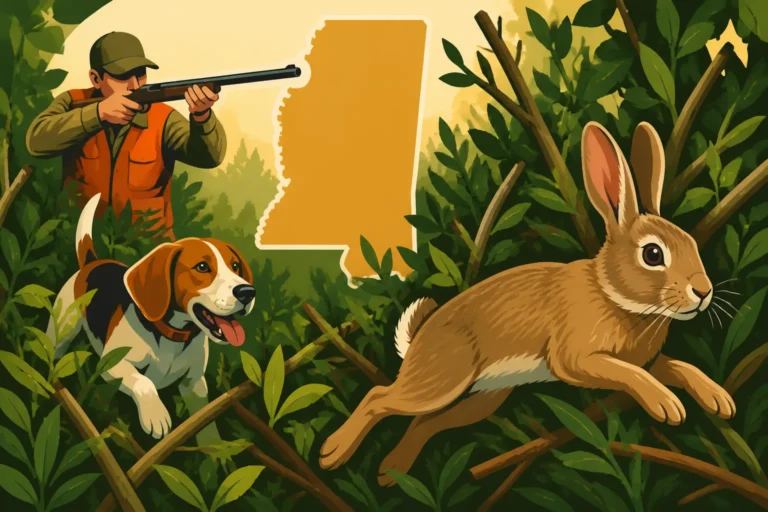
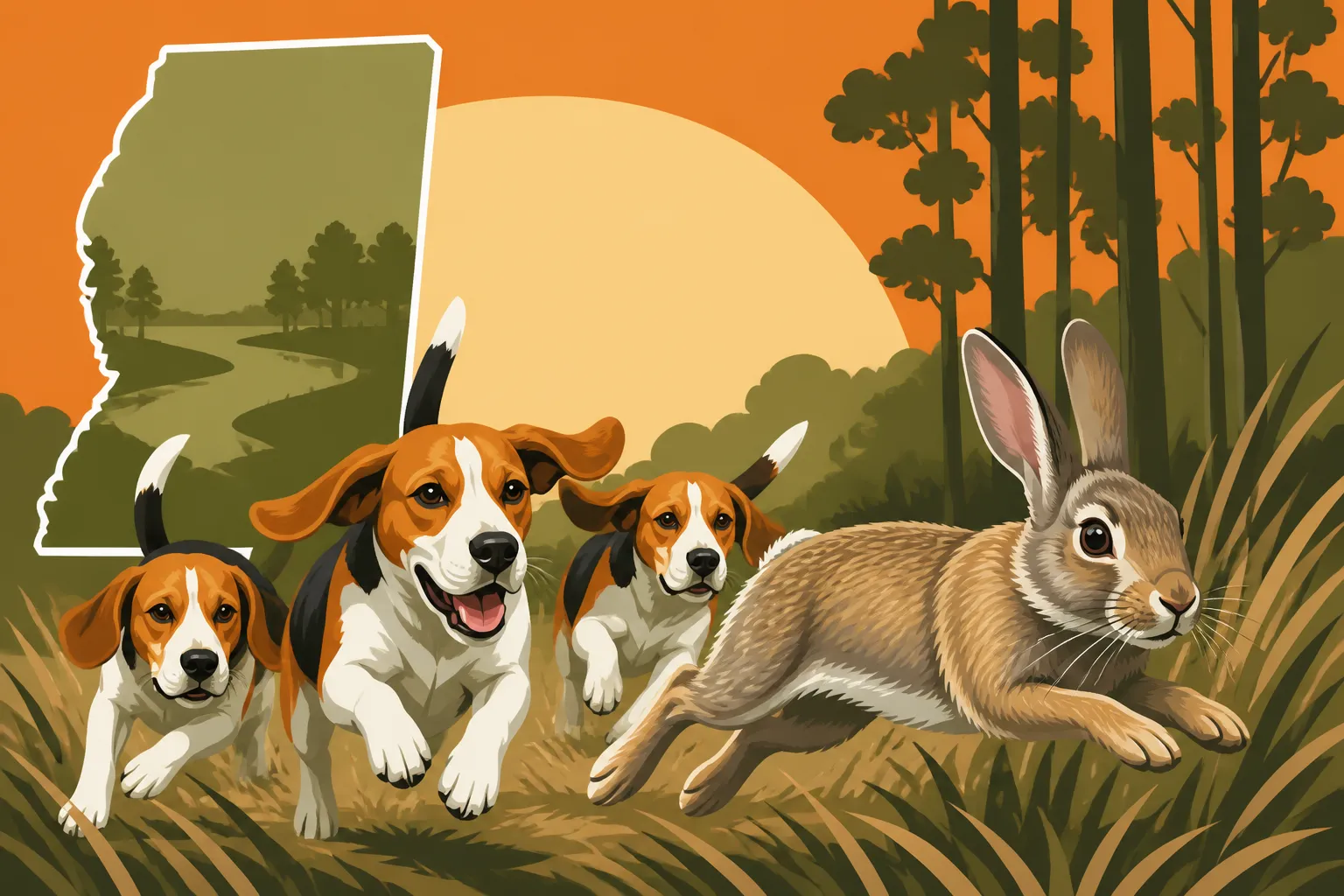
There's nothing quite like the sound of beagles in full cry, a melody that stirs the soul of any small game hunter, but consistently finding and flushing those wily Mississippi cottontails can be a real challenge if you're not prepared. This guide will walk you through everything from understanding the Magnolia State's season specifics to effective dog training and successful hunting strategies for running beagles on rabbits in our beloved home state.
The Deep Roots of Beagle Hunting in Mississippi
For generations, the crisp morning air of a Mississippi autumn has been punctuated by the excited yaps and melodious baying of beagles hot on a rabbit's trail. This isn't just a hunt; it's a cherished tradition, a deep connection to the land, and a testament to the incredible working relationship between a hunter and their hounds. The sheer joy of watching well-trained dogs unravel a rabbit's scent trail, followed by the adrenaline rush of the chase, is an experience that keeps hunters coming back year after year. It's a sport that builds camaraderie, fosters patience, and teaches us to appreciate the simpler, wilder moments.
Why Cottontails Are the Perfect Quarry
Cottontail rabbits are, without a doubt, the quintessential small game animal for beagles. They provide fast-paced, challenging chases without the intense speed or range of some other game, making them ideal for a beagle's methodical, nose-to-the-ground hunting style. Mississippi's varied landscape, from dense briar thickets to open agricultural fields, offers abundant habitat for these prolific creatures, ensuring a sustainable population for dedicated rabbit hunters. Their tendency to run in circles when pursued means your dogs will often bring the rabbit right back to you, setting up exciting shot opportunities and allowing for a longer, more engaging chase. Plus, there's nothing quite like a mess of fried rabbit after a long day in the field, a delicious reward for your efforts and your dogs' hard work.
Understanding Mississippi's Rabbit Season
Before you even think about loading up your dogs, it's absolutely crucial to familiarize yourself with the current regulations set forth by the Mississippi Department of Wildlife, Fisheries, and Parks (MDWFP). The statewide rabbit season typically offers a generous window, often running from late fall well into the following winter months, but specific dates can shift slightly year to year. You can find the exact dates for the current season by checking the official MDWFP hunting guide or their website. It’s also wise to remember that while the general season is long, local conditions like heavy rains or early cold snaps can influence when rabbits are most active and accessible. Always ensure your license is up-to-date; a Mississippi Resident Sportsman's License covers small game, but non-residents will need to secure the appropriate permits. Remember to check the statewide daily bag limit for rabbits, as exceeding this is a serious violation. This kind of planning helps ensure you're always hunting legally and responsibly.
Gearing Up and Training Your Rabbit Hounds
A successful rabbit hunt with beagles is a symphony of preparation and teamwork. It starts long before opening day, with careful attention to your dogs' training and ensuring you have all the necessary gear to support them and yourself in the field. There's nothing more frustrating than having a hunt cut short because of a forgotten item or a dog that isn't performing up to par.
Training Your Hounds for Mississippi Terrain
Training a beagle for rabbit hunting is a labor of love that pays dividends in the field. It's not just about turning them loose; it's about developing their natural instincts and shaping them into effective hunting partners. Start with basic obedience commands like "come," "stay," and "kennel," as these are the foundation for control in the field. Scent training is paramount; introduce them to rabbit scents early, perhaps with rabbit fur or a training dummy. Crucially, allow them to develop their noses by giving them opportunities to trail live rabbits in safe, controlled environments.
For Mississippi's specific challenges, focus on conditioning your dogs for thick cover. Briar patches, honeysuckle thickets, and dense fencerows are rabbit havens, and your beagles need to be fearless and persistent in working through them. Encourage them to push into these areas and to vocalize when they're on a hot trail. Work on developing a strong pack mentality if you're running multiple dogs; they should learn to honor each other's finds and work together to push the rabbit. This is especially important when you're hunting areas with varying cover, from the open pine flats to the dense bottomlands. A handy tool like GoHunt can provide satellite imagery to scout potential training grounds and identify areas with good cover and likely rabbit concentrations, helping you tailor your training. You can learn more about specific habitat needs by exploring topics like Rabbit Hunting Mississippi Fencerows.
Essential Gear for Hunter and Dog
Being well-equipped is non-negotiable for a productive and safe rabbit hunt. For the hunter, sturdy brush pants or chaps are a lifesaver against thorns and briars that dominate prime rabbit cover. A comfortable, blaze orange vest or jacket is mandatory for safety, especially if you're hunting with a group or on public lands where other hunters might be present. Good waterproof boots are essential for navigating damp fields and sloughs. A reliable 12 or 20-gauge shotgun, loaded with birdshot (like #6 or #7.5), is the standard choice for rabbits, offering a good pattern for fast-moving targets. Don't forget plenty of shells!
For your dogs, their well-being is paramount. Heavy-duty protective vests can shield them from briars and sharp sticks, minimizing cuts and scrapes. GPS collars, like those offered by companies such as Garmin or SportDOG, are invaluable for keeping track of your hounds, especially in dense cover where they might get out of sight. These collars can often integrate with mapping apps, so you can track your dogs' movements on your phone, a feature that GoHunt users often appreciate for an added layer of navigation and dog tracking. Carry plenty of water for your dogs, especially on warmer days, and a first-aid kit for both humans and canines. A leash for each dog, a lead for the pack, and a whistle for recall are also essential.
Here’s a quick overview of critical gear:
| Category | Hunter's Gear | Dog's Gear |
|---|---|---|
| Protection | Blaze Orange Vest/Jacket, Brush Pants/Chaps | Protective Vest, GPS Collar with Tracking |
| Footwear | Waterproof Boots (e.g., snake boots) | N/A (focus on paw pads during conditioning) |
| Weaponry | 12 or 20 Gauge Shotgun, Birdshot (#6 or #7.5) | N/A |
| Navigation | GPS Device/Smartphone with mapping app (e.g., GoHunt) | GPS Collar integrated with tracking app |
| Essentials | Water, First-Aid Kit, Knife, Game Vest/Pouch | Water, First-Aid Kit, Leash, Whistle, Treats |
| Miscellaneous | Shooting Glasses, Hearing Protection | Bell on collar (for non-GPS dogs) |
Tactics for Successful Cottontail Chases
Once your beagles are ready and your gear is packed, it's time to hit the field. But simply letting the dogs out of the kennel isn't enough; successful rabbit hunting is about understanding rabbit behavior, knowing where to look, and working in harmony with your hounds. It's a dynamic experience that changes with the weather, time of day, and even the pressure from other hunters.
Locating Prime Rabbit Habitat
Rabbits are creatures of edge and cover. They thrive where different types of habitat meet, providing them with food, shelter, and escape routes. In Mississippi, this means focusing your efforts on specific types of terrain. Look for areas with dense, thorny cover like briar thickets, honeysuckle patches, and blackberry brambles. These are rabbit magnets, offering protection from predators and harsh weather. Fencerows, especially those overgrown with brush, act as natural highways for rabbits and are excellent places to start your dogs. Old clear-cuts that have regrown into thick, young pines or hardwoods also hold good numbers of rabbits. The edges of agricultural fields, particularly soybean or cornfields after harvest, are another prime location, providing both food and nearby cover.
Consider the time of day and recent weather. Rabbits are often most active during dawn and dusk. After a light rain, scenting conditions can be excellent for your dogs, but a heavy downpour can wash away trails. Using scouting tools, like the aerial photos available on GoHunt, can help you identify these transition areas and dense cover patches before you even step foot on the ground. This allows you to plan your approach and save valuable hunting time. Remember, rabbits are usually in the nastiest, thickest cover imaginable, so don't be afraid to push your dogs into places you might hesitate to go yourself. For more insights on where to find small game, consider scouting techniques like those detailed in Reading Aerial Photos for Hills Unit Deer, which apply well to understanding habitat for various game.
Working Your Dogs and Reading the Chase
Once you're in promising habitat, it's time to unleash your beagles. Start them slowly, allowing them to thoroughly work an area, crisscrossing through the cover. Pay close attention to their behavior: a sudden change in tail wag, an increased pace, or a distinct whine can signal they've picked up a fresh scent. When a rabbit is jumped, the true fun begins. Your beagles will erupt into full cry, their baying following the rabbit's erratic path through the brush.
Your role as the hunter is to position yourself strategically. Rabbits, when pressured by dogs, often run in large circles. Try to anticipate where the rabbit might complete its loop and set up along a likely escape route or an opening in the cover. This requires patience and a good understanding of the local topography. Sometimes, a rabbit will "hole up" in a hollow log, a drain pipe, or a groundhog burrow; if your dogs bay intensely at one spot, it's a good indication the rabbit has gone to ground. At this point, it’s a matter of sportsmanship and regulations whether you try to flush it or move on. Keep communicating with your dogs, encouraging them, and intervening only if they get off track or pursue an undesirable animal. This kind of focused engagement is why many hunters consider Squirrel and Small Game Hunting in Mississippi to be such an engaging pursuit. Being mindful of Hunting Pressure on Mississippi Public Land can also help in choosing less disturbed areas where rabbits might be more plentiful and less prone to bolting far off.
Beyond the Hunt: Care, Regulations, and Sustaining the Tradition
The hunt doesn't end when the shot is fired. Responsible hunting encompasses everything from ethical harvest to the proper care of your canine companions and understanding your role in conservation. It's about respecting the animals, the land, and the future of our hunting heritage.
Caring for Your Hard-Working Hounds
Your beagles put in incredible effort during a hunt, and their well-being should be your top priority. Immediately after the hunt, check them thoroughly for any cuts, scrapes, or embedded briars, especially in their paws, ears, and underbellies. Administer any necessary first aid from your dog-specific kit. Dehydration is a real threat, so offer them fresh water immediately. A good-quality, high-protein dog food will help them recover their energy. During the season, ensure they're on a consistent feeding schedule to maintain peak condition.
Regular health check-ups with a vet are essential, including vaccinations and preventative treatments for fleas, ticks, and heartworms. A well-cared-for beagle is a happy, effective hunting partner, and neglecting their needs can lead to serious health issues and diminished performance in the field. Remember, these dogs are athletes, and they need to be treated as such.
Handling Your Harvest and Reporting
Once you've successfully harvested a cottontail, proper field dressing is crucial, especially in Mississippi's often-mild climate. Remove the entrails as quickly as possible to cool the meat and prevent spoilage. If you're hunting in warmer conditions, consider bringing a cooler with ice to store your rabbits until you can get them home for processing. Many hunters prefer to skin and butcher rabbits at home, preparing them for the freezer or the dinner table. There’s a lot of pride in bringing home a delicious wild game meal.
While individual rabbit harvests generally don't require the same detailed reporting as deer or turkey, it’s still good practice to understand any specific requirements. The MDWFP monitors small game populations through various surveys and hunter participation, and your compliance with general bag limits and season dates is part of contributing to that data. If you have questions about specific regulations or best practices, don't hesitate to consult the MDWFP website or contact a local conservation officer. Ensuring you have the appropriate license is the first step, so always confirm your compliance with Mississippi Hunting Licenses and What They Cost.
The tradition of Running Beagles on Mississippi Cottontails is a precious one, deeply woven into the fabric of our state's hunting culture. By understanding the regulations, preparing your dogs and gear, employing effective strategies, and practicing responsible post-hunt care, you'll not only enjoy successful hunts but also help preserve this fantastic experience for generations to come.
Disclaimer
The information provided in this guide is for general informational purposes only and does not constitute legal advice. Hunting regulations in Mississippi can change. Always consult the official Mississippi Department of Wildlife, Fisheries, and Parks (MDWFP) website or current hunting digest for the most up-to-date and accurate regulations before engaging in any hunting activities. Adherence to all local, state, and federal laws is the sole responsibility of the hunter.