Hunting the Mississippi River Backwaters
Hunting the vast, often unpredictable backwaters of the Mississippi River can feel like trying to solve a complex puzzle that changes with every ebb and flow of the water. Many hunters get overwhelmed by the sheer scale, the constantly shifting landscape, and the unique challenges these areas present, often leading to frustration and fewer successful outings. This guide is here to break down the mysteries of hunting the Mississippi River backwaters, offering practical advice and seasoned strategies to help you confidently navigate and hunt these incredibly productive, yet demanding, natural environments.
Understanding the Unique World of Mississippi River Backwater Hunting
The Mississippi River is more than just a waterway; it's an entire ecosystem, and its backwaters offer some of the most challenging yet rewarding hunting experiences in the state. If you've ever felt like you're stepping into a different world compared to hunting a typical pine plantation or a small private woodlot, you're not wrong. These areas demand a different mindset and a specific set of skills.
What Exactly Are the Backwaters?
When we talk about the Mississippi River backwaters, we're not just talking about the main channel. We're referring to the network of sloughs, oxbow lakes, secondary channels, swamps, and dense bottomland hardwood forests that lie adjacent to the main river itself. These areas are incredibly dynamic, constantly being shaped by the river's floods and droughts. During high water, they become expansive, inundated wetlands, pushing wildlife to higher ground or isolated pockets. As the water recedes, shallow pools form, mudflats emerge, and countless natural funnels and travel corridors become visible. This constant flux means that what was a prime hunting spot one year might be completely different the next, or even week to week.
Imagine a vast, sprawling floodplain where old river channels have been cut off, forming crescent-shaped lakes like Lake Chotard or Lake Washington. These are classic backwater features. Then there are the smaller, nameless sloughs that fill and empty, acting like highways for deer and hogs. The habitat is typically characterized by massive cypress trees, water oaks, pecan, and various other hardwoods, providing an abundant food source, especially acorns. This isn't your neatly managed timberland; it's wild, rugged, and often requires a boat to even reach your desired hunting ground.
Why They're Different from Inland Hunting
Hunting the backwaters is a whole different ballgame compared to your typical inland hunt in Mississippi. For starters, access is often dictated by water levels. You might need a john boat or even a kayak to get to your spot, wading through knee-deep water in some areas, or navigating tight timber in others. This immediately cuts down on hunting pressure from those unwilling or unable to put in the extra effort.
The sheer scale is another factor. These areas can be enormous, encompassing thousands of acres of contiguous habitat. This means deer and other game have vast tracts of undisturbed cover, making them harder to pattern. Unlike a small block of woods where deer might feel pressure from every direction, backwater deer can move miles without encountering human disturbance. The game here tends to be wilder, more attuned to natural cycles rather than human schedules. The challenges of Wind and Thermals in Delta Bottomland are magnified when dealing with large bodies of water and dense, varied topography. You're not just dealing with the wind, but also water currents and thermals influenced by the temperature of the water itself.
Another crucial difference is the reliance on river levels. A drop of just a few feet can expose new land, creating fresh trails and food sources. A rise can flood out favorite bedding areas, pushing deer to higher ridges or levees. Hunters who consistently find success in the backwaters are those who track river conditions almost as closely as they track deer sign.
The Dynamic Nature of the River System
The Mississippi River is a living, breathing entity, and its constant movement and change are the defining characteristics of its backwaters. High water events, often driven by heavy rains far upstream, can completely inundate these areas. This isn't just a minor inconvenience; it completely reshapes the landscape, depositing new silt, eroding old banks, and sometimes even changing the course of smaller sloughs.
Consider the impacts of annual flooding:
- Habitat Alteration: Flooding creates new cover, opens up new travel routes, and can drown out some vegetation while encouraging the growth of water-tolerant species. After the water recedes, you'll often find fresh mud lines on trees, indicating the high-water mark, and new trails emerging in the softer ground.
- Wildlife Relocation: Deer, hogs, and other mammals are forced to move to higher ground – often the main river levee, isolated islands of timber, or man-made structures. This creates predictable pinch points and funnels that smart hunters can exploit.
- Food Source Availability: As water levels drop, fresh vegetation and previously submerged mast crops become accessible. These newly exposed areas can be incredible draws for wildlife. For example, a patch of oaks that was under three feet of water might suddenly become a feeding hotspot as the acorns become available.
To truly master hunting the backwaters, you need to think like the river. Anticipate its movements, understand how it influences game, and be prepared to adapt your strategies on the fly. This means staying up-to-date with river gauges, weather forecasts, and, if you're using a tool like GoHunt, leveraging its mapping capabilities to understand how topography interacts with water levels. The river doesn't care about your plans, so flexibility is your best friend out here.
Key Game Species and Prime Seasons in the Backwaters
The Mississippi River backwaters are teeming with wildlife, offering diverse hunting opportunities. While deer and ducks often steal the spotlight, a host of other species call these bottomlands home, providing action throughout the year. Understanding their habits in this unique environment is crucial for success.
Whitetails in the River Bottoms
Hunting whitetail deer in the Mississippi River bottomlands is an experience unlike any other. These bucks often grow large due to the rich food sources and the dense, often difficult-to-access cover. The challenges here are often offset by the potential rewards of a true river-bottom giant.
- Deer Movement: River bottom deer often follow very specific patterns dictated by water levels and available dry ground. During high water, they'll congregate on any high ground they can find, such as natural ridges, old Indian mounds, levees, or even the small, elevated edges of sloughs. When the water is low, they'll spread out, but still tend to use the natural funnels created by the winding sloughs and changes in elevation. Understanding how deer move through these areas is critical, and a good resource to consult might be the information on Hunting Delta Unit Bottomland Deer. These deer are masters of navigating the thick cover, often using dense canebrakes and briar patches for bedding.
- The Rut: The timing of the rut in these areas is crucial, and it can vary slightly even within the broader region. Generally, Mississippi's rut can be quite variable by unit, and knowing Hunting the Rut in the Delta Unit will provide a good baseline for the prime breeding period. During the rut, bucks will be actively searching for does, and those natural funnels and high-ground travel corridors become even more active. A cold front during the rut can really kick things into high gear, with deer moving more aggressively.
- Food Sources: Acorns from water oaks, nuttall oaks, and willow oaks are absolute magnets for deer in the backwaters. When the acorn crop is good, deer will abandon almost everything else to feed on them. Other important food sources include persimmons, greenbrier, honeysuckle, and various browse species that thrive in the rich river soil. Scout for active feeding signs, especially fresh droppings and disturbed leaves under oak trees, or look for trails leading to browse lines.
Waterfowl Haven
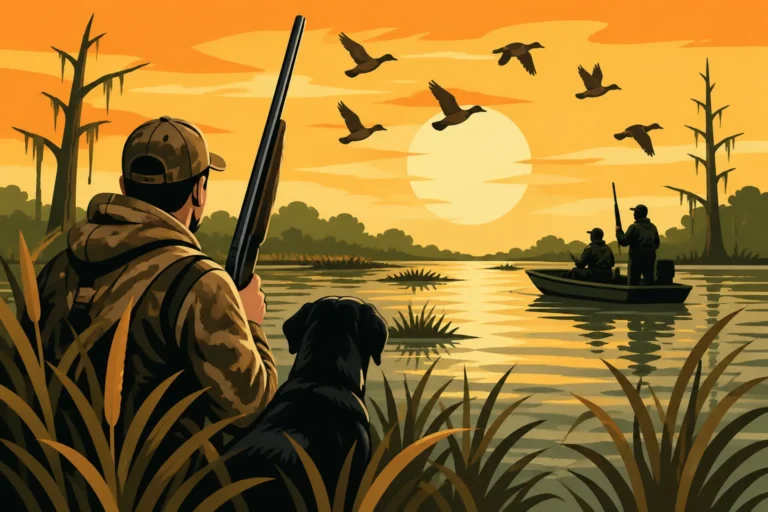
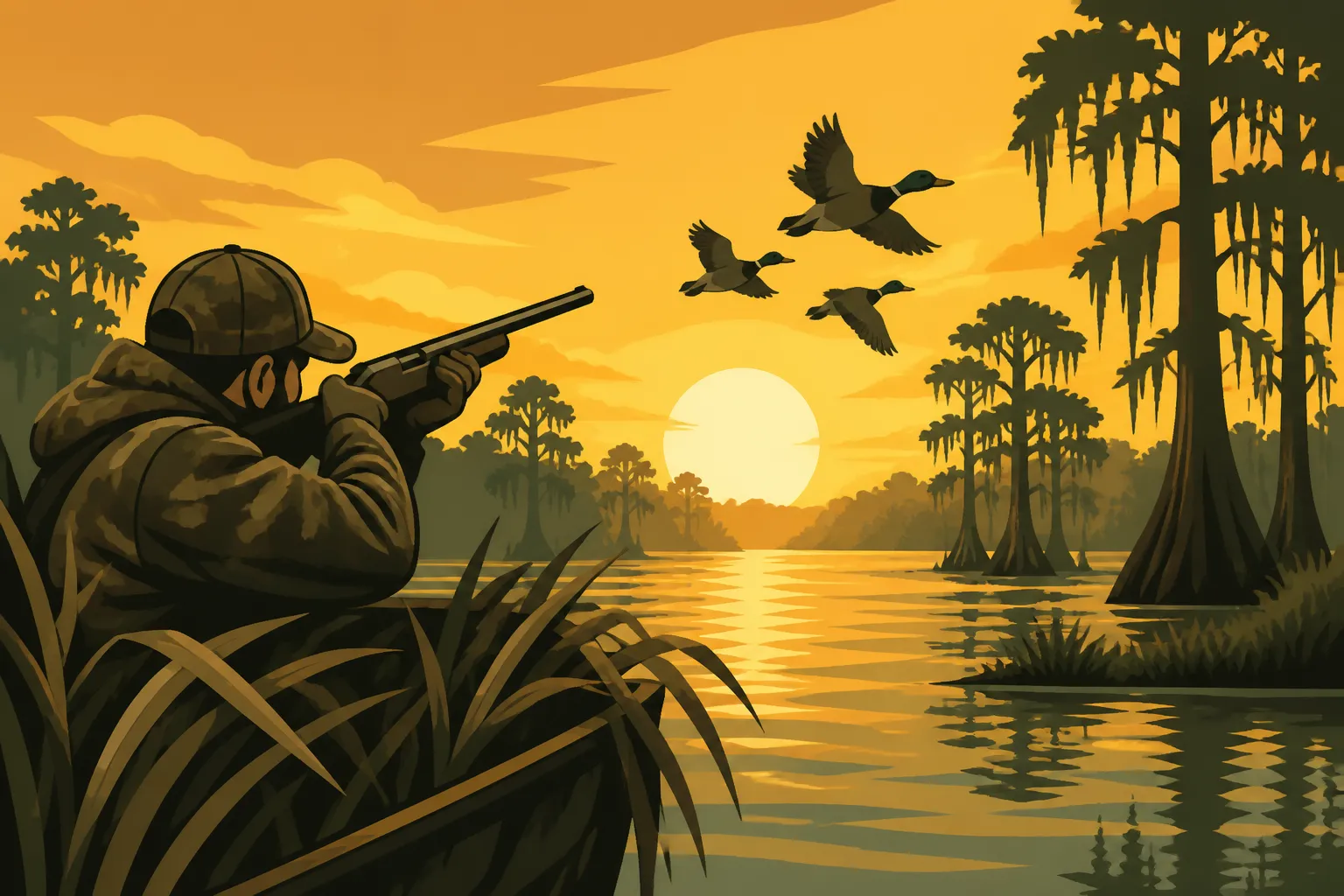
The Mississippi River backwaters are legendary for waterfowl hunting, sitting squarely within the Mississippi Flyway. Thousands of ducks and geese utilize these areas for feeding, resting, and wintering, making it a prime destination for hunters.
- Ducks and Geese: You'll find a wide variety of ducks here, with mallards, wood ducks, and gadwalls being particularly common. Mallards are the kings of the flooded timber, while wood ducks often frequent the smaller, tighter sloughs and cypress swamps. Green-winged teal, wigeon, and other puddle ducks are also frequent visitors. Goose hunting, particularly for specklebellies and Canada geese, can also be excellent, especially in agricultural fields adjacent to the backwater timber. Consult Mississippi Waterfowl Zones and Seasons for specific dates and bag limits.
- Migration Patterns: Duck migration is highly dependent on weather patterns to the north. Cold fronts pushing south will bring in new waves of birds, making scouting and staying informed about weather crucial. The Mississippi Delta acts as a massive funnel for these birds, and the backwaters provide ideal habitat. Early season hunts might see more local birds and wood ducks, while mid-to-late season typically brings in the bulk of the mallards and other northern migrants.
- Species Targeted: While mallards are often the target, don't overlook the abundance of wood ducks, which provide fast-paced action, especially around dawn and dusk. Setting up in a small, tight slough can be incredibly productive for woodies. For geese, targeting cut fields or open areas where they loaf and feed requires different tactics than timber hunting. Many hunters will pair a timber hunt in the morning for ducks with an afternoon field hunt for geese. Access to these flooded areas often involves special permits or navigating difficult terrain, which is where a comprehensive mapping tool like GoHunt can be invaluable for identifying potential access points and understanding the lay of the land, even when it's under water.
Small Game and Furbearers
Beyond deer and ducks, the backwaters offer excellent opportunities for small game and furbearer hunting, often providing action during seasons when other species are closed or less active.
- Squirrels: The mature bottomland hardwoods are prime squirrel habitat. Fox squirrels and gray squirrels thrive here, feasting on the abundant acorns and other mast crops. Early morning hunts, especially after a cold night, can be incredibly productive. Focus on areas with a high density of oak, pecan, and hickory trees. The deep woods offer a quiet, challenging hunt, but the rewards of a squirrel stew are well worth the effort. Learn more about Squirrel Hunting Delta Bottomland Hardwoods for specific strategies.
- Rabbits: While not as widespread in the deepest swamps, rabbits can be found along the edges of the backwaters, particularly where there are thickets, briar patches, and fencerows bordering fields or slightly higher ground. A good dog can make a rabbit hunt incredibly fun and productive.
- Feral Hogs: Feral hogs are prolific throughout the Mississippi River system and are a constant presence in the backwaters. They thrive in the dense cover and abundant food sources. Hogs are an excellent year-round hunting opportunity, especially since Hunting Mississippi's Year-Round Feral Hogs regulations allow for continuous pursuit. They create significant damage to the ecosystem, so removing them is beneficial. Look for rooting, wallows, and fresh tracks, particularly along slough edges or on higher ground during floods. Night hunting with thermal or night vision is also a popular and effective method for hogs in these areas.
Navigating and Accessing the Backwater Labyrinth
Getting to your hunting spot in the Mississippi River backwaters is often half the battle. These areas are wild and untamed, and proper preparation for access and navigation is paramount for a safe and successful hunt.
Essential Gear for River Hunters
You simply can't head into the backwaters without the right equipment. This isn't a walk-in deer stand situation; it requires specialized gear.
- Boats and Motors: A reliable boat is non-negotiable for most backwater hunting. A flat-bottom john boat or an aluminum duck boat, typically 14 to 18 feet long, is ideal. You'll want a rugged, stable boat that can handle stumps and shallow water. A mud motor (surface drive or long-tail) is often preferred over a traditional outboard because it can power through incredibly shallow, muddy, or vegetation-choked waters where an outboard would foul or get stuck. If you're running a traditional outboard, a jack plate can help adjust prop depth in varying conditions. Make sure your motor is in top working order and always carry spare shear pins, a prop wrench, and basic tools.
- Safety Equipment: The river doesn't care if you're alone or with friends. Life jackets are a must for everyone on board, regardless of swimming ability. A whistle, air horn, or other signaling device can be crucial if you break down or get lost. A fully charged cell phone is important, but don't rely solely on it as service can be spotty. Carry a waterproof VHF radio, especially if you're on the main river or venturing far into remote sloughs. A well-stocked first-aid kit, emergency blankets, and a fire starter are also highly recommended. Always let someone know your float plan – where you're going, when you expect to return, and who is with you.
- Navigation Tools: GPS is your best friend out here. A dedicated handheld GPS unit with pre-loaded maps or a robust hunting app on your smartphone (like GoHunt) with downloaded offline maps is essential. Mark your launch point, key navigation channels, and your hunting spots. The landscape changes, but your GPS can keep you oriented. A physical compass and paper map are also vital backups in case your electronics fail.
- Other Gear: Waders (chest waders are often necessary) are a must for walking through shallow water and retrieving game. Headlamps or good flashlights are essential for pre-dawn and post-dusk movements. Bring plenty of rope, a sturdy paddle, and extra fuel. For deer and hog hunting, a quality backpack to carry gear and game processing tools is important. For waterfowl, plenty of decoys, a reliable shotgun, and appropriate calls are obvious necessities.
Public Access Points and Regulations
While much of the river's batture land is private, there are significant public access opportunities in the Mississippi River backwaters. Understanding where you can go and the rules that apply is paramount.
- Batture Land Rules: The "batture" refers to the land between the main levee and the main channel of the river. Much of this land is publicly accessible, though it may be leased for agriculture or timber. You'll often find specific regulations regarding vehicle use, camping, and stand placement. Always verify the current rules with the Mississippi Department of Wildlife, Fisheries, and Parks (MDWFP). For specific information, look into Mississippi River Batture Public Access.
- Wildlife Management Areas (WMAs) and National Wildlife Refuges (NWRs): Several WMAs and NWRs are situated within the Mississippi River floodplain, offering incredible public hunting opportunities. Places like Mahannah WMA, Panther Swamp NWR, and Yazoo NWR are prime examples. These areas often have specific draw hunts for deer and ducks, as well as general hunting for small game and hogs. Always check the specific regulations for the WMA or NWR you plan to hunt, as they often differ from statewide rules. Remember, you'll likely need a Mississippi WMA Permit Requirement in addition to your regular hunting license. Using GoHunt to identify WMA boundaries and access points can save you a lot of time and potential headaches.
- Private vs. Public: It's easy to get turned around in the vast backwaters, and inadvertently trespassing onto private land is a real concern. Always confirm land ownership before hunting. Property lines can be hard to discern without proper mapping tools. Satellite imagery on your GoHunt app can help you see old logging roads, sloughs, and high ground that might not be obvious from the water. Always err on the side of caution.
Reading the River: Water Levels and Currents
The river's pulse dictates everything in the backwaters. Successful hunters are those who become adept at interpreting its language.
- Hydrographic Maps and USACE Data: Before you even leave the house, check river gauge readings. Websites from the National Weather Service or the U.S. Army Corps of Engineers (USACE) provide real-time data for various points along the Mississippi. Understanding what different gauge readings mean for your specific hunting area is critical. For example, a "30-foot stage" at Vicksburg might mean flooded timber in one area and exposed mudflats in another. Over time, you'll learn what water levels are optimal for certain types of hunting.
- Understanding Flow and Currents: Even in the backwaters, currents can be surprisingly strong, especially in connecting sloughs or during falling water. This can affect boat navigation, decoy spreads, and even how game moves. Look for areas where currents create eddies or slack water, as these can be natural holding areas for ducks or travel corridors for deer. Falling water often concentrates ducks in shrinking pools and pushes deer onto emerging land, making them easier to pattern.
- Seasonal Changes: The river goes through distinct seasonal phases. Late summer and early fall often see lower water levels, perfect for scouting newly exposed areas and setting stands. Winter brings colder temperatures, often higher water, and the arrival of migratory waterfowl. Spring is characterized by rising water from snowmelt and heavy rains, often creating extensive flooding, which impacts turkey and early season hog hunting. Adapt your species and tactics to the river's seasonal dance.
Effective Hunting Tactics for Backwater Success
Once you understand the backwater environment and how to access it, the next step is developing tactics that put you on game. This requires patience, adaptability, and an understanding of how wildlife interacts with this dynamic landscape.
Scouting Strategies Amidst the Water
Scouting in the backwaters is a unique challenge, often requiring a boat and a keen eye for subtle signs. It's a year-round endeavor for serious river hunters.
- Pre-Season Reconnaissance: Even before hunting season opens, get out on the water. Use your boat to explore new areas, paying close attention to changes in the landscape from the previous year. What was dry last year might be holding water now, and vice-versa. Look for existing trails on high ground, rubbed trees, and old scrapes from the previous season. Identify potential bedding areas in dense cover and likely travel corridors between them and feeding areas. A mapping application like GoHunt can be critical here, allowing you to mark waypoints, measure distances, and visualize elevation changes even when the ground is submerged.
- Watercraft for Scouting: A small, quiet boat like a canoe, kayak, or an electric trolling motor on your john boat is invaluable for stealthy scouting. You can slip into tight sloughs, explore pockets of timber, and get close enough to identify fresh sign without spooking game. Look for areas of exposed mud along slough edges for fresh tracks, especially after a water level drop.
- Interpreting Sign: Learning to read the subtle cues of the backwaters is an art. Look for mud lines on trees, which tell you the maximum water level. This helps you anticipate where deer will go during floods. Fresh droppings, particularly under mast trees, indicate active feeding. Hog rooting and wallows are unmistakable. For ducks, look for feeding activity (dabbling marks in mud, disturbed vegetation) and fresh droppings in areas they're using. Pay attention to natural funnels where water bottlenecks, or where high ground forces game into a confined area. Scouting Mississippi Public Land Before Season is a good general guide, but in the backwaters, add water level data to your pre-season checklist.
Setting Up for Deer and Hogs
Stand placement for deer and hogs in the backwaters revolves around understanding their movement patterns in relation to water and high ground.
- Stand Placement: Focus your efforts on any elevated terrain: natural ridges, abandoned logging roads, old levee breaks, or islands of high ground within the flooded timber. These areas become critical travel routes and bedding sites when the water rises, or funnels when it falls. Look for tight timber lines or dense cover that funnels game past your position. Often, a small rise of just a few feet can be a major draw for deer trying to stay dry.
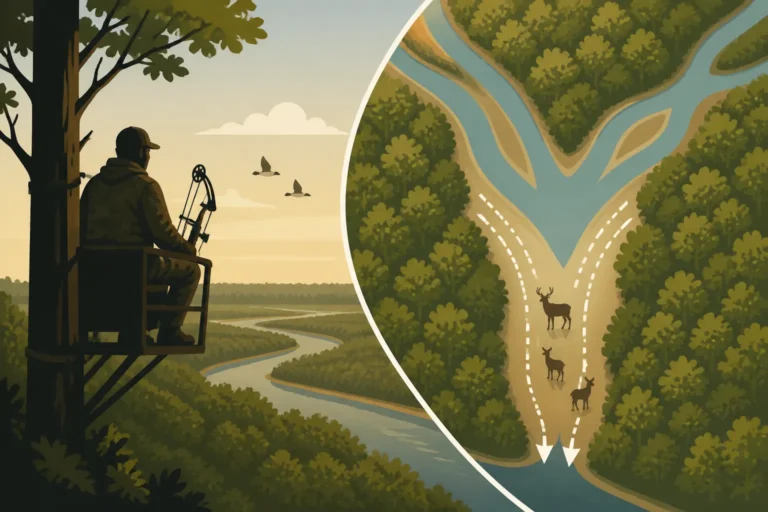
- Natural Funnels: The backwaters are full of natural funnels. The narrow strips of dry ground between two sloughs, the high side of an oxbow lake, or a pinch point where dense canebrakes meet open timber are all prime locations. Deer and hogs are creatures of least resistance, and they will utilize these natural corridors. Consider Hunting a Funnel Between Two Sloughs as a specific tactical approach.
- Elevated Positions: Treestands are typically preferred for deer, allowing you to get above their line of sight and improve your scent control. Hang stands well before the season, if possible, allowing game to get used to their presence. For hogs, ground blinds can be effective, especially if brushed in well against a thicket or log. Be mindful of rising water and secure your stand well above anticipated flood levels. Safety harnesses are non-negotiable when hunting from any elevated position, especially over water.
Waterfowl Spreads and Blind Placement
Waterfowl hunting in the backwaters often means flooded timber, requiring specific decoy spreads and blind strategies.
- Decoy Setups: The key to successful flooded timber hunting is to create an inviting landing zone within the timber. A common setup involves creating a pocket or opening in the trees, often by clearing out some debris or using natural openings. Place your decoys (mostly mallards, with some wood ducks or gadwalls mixed in) in this opening, leaving a clear "hole" for birds to land. Use jerk strings to add motion to your spread. A spinning wing decoy or two can also be very effective, especially on calm days. For field hunting geese, larger spreads of full-body or silhouette decoys are necessary.
- Natural Blinds: Blending into the environment is crucial. Utilize existing cover like fallen logs, thick cypress knees, or dense vegetation to create your blind. A small boat camouflaged with natural vegetation can also serve as an excellent mobile blind. Avoid anything that looks out of place. The more natural your setup, the more comfortable the ducks will be. If hunting from a boat, brush it in thoroughly.
- Calling: Effective calling is paramount for waterfowl, especially in timber. Mallard calls are a must, but learning to use a wood duck squeal or gadwall whistle can also be productive. Don't overcall; let the birds tell you what they want. Start with soft greetings and only get more aggressive if they're not committing. Practice your calling before the season opens!
Safety First: Mitigating River Risks
The Mississippi River backwaters are beautiful but unforgiving. Safety should always be your top priority.
- Boating Safety: Never overload your boat. Ensure all required safety equipment is on board and easily accessible. File a float plan with someone reliable. Check weather forecasts before you go and be prepared for sudden changes. A calm morning can turn into a windy, white-capped mess in a matter of hours. Always wear your life jacket, especially when moving in your boat.
- Weather Awareness: Pop-up thunderstorms, fog, and rapidly dropping temperatures can all pose serious threats. Monitor a weather app constantly and don't hesitate to cut a hunt short if conditions become dangerous. Fog can be particularly disorienting in the backwaters, making navigation extremely difficult.
- Communication: As mentioned, cell service can be spotty. Carry a reliable two-way radio or a satellite communication device (like a Garmin inReach or Zoleo) for emergencies, especially if you're alone or in a remote area. A fully charged power bank for your phone and other electronics is also a wise addition to your pack. Tell a non-hunting friend or family member exactly where you plan to hunt and when you expect to check in.
- Navigation Caution: Stumps, submerged logs, and shallow sandbars are constant hazards. Run at a safe speed, especially in unfamiliar waters. Watch for debris in the current, particularly after heavy rains. If you encounter a new area, proceed slowly and cautiously. The backwaters are not the place to be in a hurry.
Disclaimer
Hunting is an inherently dangerous activity. This guide provides general information and recommendations. Always consult the most current Mississippi Department of Wildlife, Fisheries, and Parks (MDWFP) regulations, local laws, and adhere to all safety guidelines. The author and publisher are not responsible for any accidents, injuries, or legal consequences that may result from hunting activities. Hunt safely and responsibly.