Hunting the South Zone Duck Split
Ah, the South Zone duck split in Mississippi. If you've spent any time chasing waterfowl here, you know that mid-season break can feel like a lifetime, leaving you itching to get back in the blind and wondering if the birds will even stick around. It’s a common frustration, waiting for those season dates to align perfectly, only to worry about whether the ducks will have moved on or become so educated they practically laugh at your decoys. But fear not, fellow duck hunters; this guide is all about navigating those specific challenges and giving you the edge when the South Zone reopens.
Understanding Mississippi's South Zone Duck Split
Hunting Mississippi's various duck zones can feel like trying to solve a puzzle, especially when you factor in those pesky season splits. It’s not just about knowing when to hunt, but understanding why the seasons are structured the way they are, and what that means for the birds you're chasing. The South Zone, in particular, offers its own unique set of opportunities and challenges that seasoned hunters have learned to anticipate.
Why We Have Splits and What They Mean
You might wonder why we even have these splits. From a management perspective, wildlife agencies like the Mississippi Department of Wildlife, Fisheries, and Parks (MDWFP), in conjunction with federal guidelines, design these season structures for a couple of key reasons. First, they aim to balance harvest opportunities across various flyway zones and species, ensuring healthy populations for future years. This is especially critical for species like mallards and wood ducks that might be targeted heavily in certain areas. Second, and perhaps more importantly for us hunters, these splits often coincide with historical migration patterns. The idea is to allow for hunting periods when birds are most abundant, followed by a break that can help spread out hunting pressure. This break lets birds rest, regroup, and settle into new areas without constant harassment, potentially making them more callable and decoying when the season reopens. However, this also means that the ducks you were hunting before the split might not be the same ducks, or even in the same spots, after the break. It forces us to scout constantly and adapt.
Key Dates and Season Nuances for the South Zone
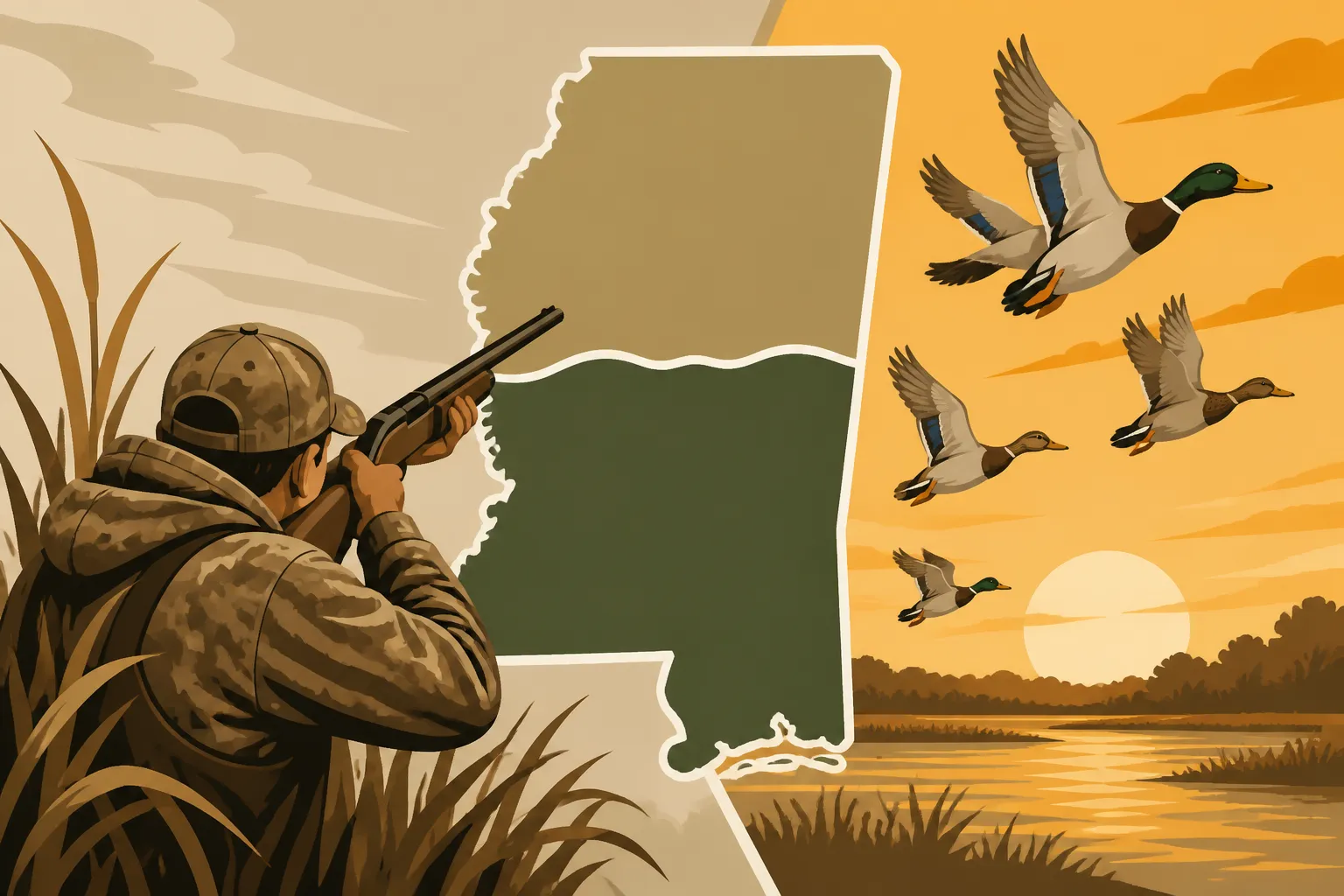
The Mississippi South Zone typically covers the southernmost counties, reaching down to the Gulf Coast. The season dates are set annually, so it's always crucial to check the most current MDWFP migratory bird regulations before heading out. Generally, the South Zone will have an early split, often in late November, followed by a significant break, and then a longer, later split that might run from mid-December through January. For example, in a typical season, the South Zone might open for a short stint, say, the third weekend of November, close for a few weeks, and then reopen around the second week of December, running continuously until the last day of January.
During these periods, specific daily bag limits apply, and it’s important to remember that these aren't always uniform across all species. You'll need to know your mallard limits, pintail limits, and any other species-specific restrictions. The later part of the split, especially as cold fronts push through in December and January, is when many hunters hope for a fresh push of northern ducks, reinvigorating the hunting after local birds have become wary. The rules for Mississippi Duck and Goose Bag Limits are clearly laid out each year, and knowing them inside and out is as important as knowing your shotgun. Don't forget, you'll also need your Mississippi Federal Duck Stamp Requirement and state HIP Certification for Bird Hunters before you even think about putting a decoy in the water.
Scouting and Strategy for the South Zone Split
The interval between the early and late splits in the South Zone isn't just a waiting game; it's a prime opportunity for strategic scouting. Ducks are constantly moving, and the landscape changes with weather and agricultural cycles. If you go into the second split relying solely on your knowledge from the first, you’re likely to be disappointed.
Locating Waterfowl During the Mid-Season Break
When the hunting pressure lets up, ducks tend to relax and spread out. They’ll gravitate towards undisturbed areas with abundant food and sanctuary. In the South Zone, this often means focusing on flooded agricultural fields—think cut rice, soybeans, or corn that might still hold some waste grain. These areas provide high-energy food sources that migrating birds desperately need. Beyond farmed lands, don't overlook natural moist soil units on public lands like the Pascagoula River Wildlife Management Area or even smaller, overlooked beaver ponds and sloughs that might fill with rain. Ducks will seek out these places to rest and feed without being bombarded by hunters.
Utilizing aerial imagery and scouting tools like GoHunt can be invaluable during this break. You can literally scan miles of countryside from your computer, identifying potential sheet water in fields, new timber floods, or changes in vegetation that might attract ducks. Look for isolated pockets of water away from roads and known access points; these are often high-priority resting areas. If you're physically scouting, drive backroads at dawn and dusk, listening for distant quacks and looking for birds flying in and out of fields or wooded areas. Pay attention to how the birds are using the landscape; are they favoring deeper water, or are they dabbling in shallow sheet water? Their preferences can change daily. Hunters often find success jump-shooting Mississippi beaver ponds for wood ducks, especially during the splits when other spots are pressured.
Adapting to Changing Weather and Duck Behavior
The weather in Mississippi during the late split can be a real rollercoaster. You might have mild, almost spring-like days followed by brutal cold fronts that drop temperatures dramatically. Each scenario requires a different approach. During warm spells, ducks tend to be more spread out, loafing on large bodies of water, and might not decoy as readily. They're not as hungry or desperate for refuge. In these conditions, smaller, subtle spreads, light calling, and focusing on small, hidden honey holes can be more effective.
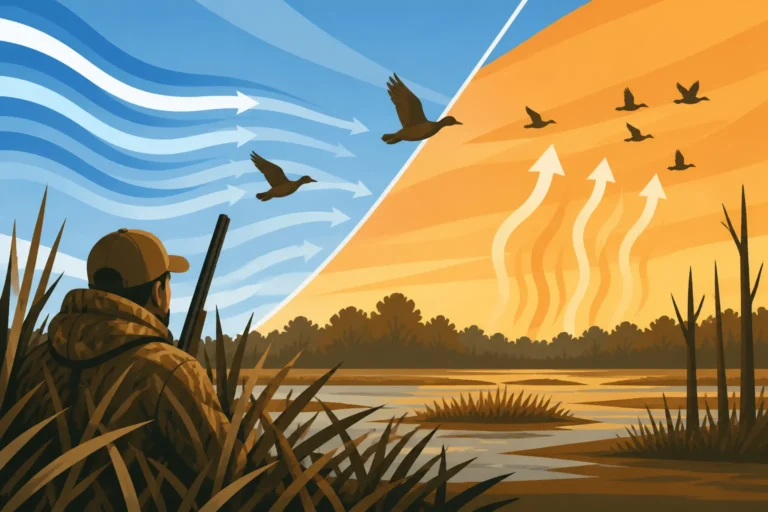
However, when a strong cold front blasts through, it's a game-changer. These fronts often push new waves of birds down the Mississippi Flyway. Ducks will be actively seeking food and shelter, often concentrated in areas that offer both. This is when larger decoy spreads, more aggressive calling, and hunting in high-traffic feeding or roosting areas can pay off. Birds will be lower, faster, and much more responsive. Keep a close eye on weather forecasts, not just for the immediate area, but for states to our north like Arkansas, Missouri, and Illinois. A significant cold snap up there often means new birds are heading our way, making the late split in the Mississippi South Zone truly special. Understanding Mississippi Waterfowl Migration Timing is key to anticipating these movements.
Gear, Decoys, and Calling Tactics for the Split
Once you've done your homework and found where the ducks want to be, the next step is setting yourself up for success. This involves more than just throwing out a few decoys; it's about making smart gear choices and adapting your calling and decoy spreads to the specific conditions of the South Zone split.
Essential Gear Considerations for Late Season
Hunting the late split in Mississippi means being prepared for anything Mother Nature throws at you. You might start a morning in freezing temperatures, only for it to warm up significantly by noon, or vice versa. Layered clothing is your best friend. Quality waterproof and insulated waders are non-negotiable, especially if you're hunting flooded timber or marshy areas. Consider a good quality blind bag with extra shells, a thermos of hot coffee, and emergency supplies. If you're hunting from a boat, make sure it’s reliable and equipped with navigation lights, especially for those pre-dawn runs or after-dark retrieves.
For remote areas, a reliable GPS or a mapping application is crucial. Tools like GoHunt can provide detailed aerial maps, property lines (especially important when hunting near private land), and even weather overlays, helping you navigate through unfamiliar territory in the dark. It’s a great way to mark your exact blind location, plan entry and exit routes, and stay on top of any restricted zones. A dependable headlamp, a good retriever (if you have one), and a shotgun you're comfortable with round out the essentials. Remember, the later in the season it gets, the tougher the birds are, so having reliable gear that won't let you down is paramount.
Decoy Spreads and Calling Techniques
By the time the South Zone split reopens, those ducks have seen it all. They've flown over countless decoy spreads and heard every call imaginable. This means you need to be smart and subtle with your presentation.
For decoy spreads, less is often more. A smaller, realistic spread of a dozen to two dozen decoys can be more effective than a massive spread of 100+ fakes. Focus on creating a natural-looking landing zone for the birds. A classic J-hook or U-shape spread, with the open end facing into the wind and towards your blind, is always a good starting point. This creates an inviting "pocket" for incoming birds. Mix in some feeder decoys to convey a sense of calm and safety, and consider adding a few motion decoys (spinners, jerk strings) on calm days to create some ripple and flash. On bright, sunny days, be mindful of decoy glare; a duller finish can sometimes be better.
Calling techniques also need to evolve. Instead of loud, aggressive hail calls, opt for softer, more realistic quacks, chuckles, and greeting calls. Let the birds work, and only call when they seem to be losing interest or need a little encouragement. A few soft feed calls can be incredibly effective when birds are circling high. If you're hunting a diverse area, be prepared with calls for different species. For instance, if you're targeting wood ducks in flooded timber, a specialized wood duck call can make all the difference, especially when combined with knowledge of Hunting Flooded Timber for Wood Ducks. Learning to read the birds' reactions to your calling is paramount. If they flare, back off. If they start to turn, give them just enough to keep them coming.
Common Challenges and Overcoming Them
Hunting the South Zone duck split isn't always smooth sailing. There are unique challenges that require creative solutions and a bit of patience. Being prepared for these hurdles can make the difference between a successful hunt and a frustrating one.
Dealing with Pressure and Educated Birds
This is probably the biggest headache for most late-season duck hunters. By the time the South Zone reopens after the split, many local ducks have been shot at repeatedly. They're wary, they're educated, and they've learned to avoid obvious setups. They'll often circle high, looking for any sign of danger, or completely bypass areas with visible blinds and large spreads.
One key strategy is to hunt areas that receive less pressure. This might mean walking further, getting into swamps or sloughs that are harder to access, or targeting smaller, less obvious water sources. Sometimes, the birds will be using tiny pockets of water that most hunters overlook. When you find these hidden gems, set up a simple, natural blind that blends perfectly with the surroundings. Think about using a layout blind brushed into a field edge, or setting up against a large cypress tree in the timber.
Another tactic is to scale down your spread and calling. Instead of a bustling flock, aim for a small, contented family group of a dozen or fewer decoys. Avoid aggressive calling unless absolutely necessary. Often, a few soft quacks or a feeding chuckle are enough to pique their interest. Consider going completely silent; sometimes, the best call is no call at all. Just let the natural draw of the water and your realistic spread do the work. Remember, these birds are looking for safety, not a party. When the ducks are stale, even simple adjustments like switching your decoy placement can sometimes fool them. You can find more detail on this in Hunting the South Zone Duck Split.
Navigating Public and Private Land Access
Access can be a major hurdle, especially in the more populated parts of the South Zone. Public lands often receive heavy pressure, and private lands are tightly controlled. But there are still opportunities if you know where to look and how to approach landowners respectfully.
For public land, focus on areas that require a bit more effort to reach. This might mean a longer walk-in, using a kayak or canoe to access remote sloughs, or hunting specific WMAs that are less known for waterfowl. The Pascagoula River Wildlife Management Area offers extensive bottomland habitat that can hold ducks, especially during the later split. Always check WMA regulations carefully, as many have specific rules regarding boat motors, blind construction, and hunting hours. You can often find detailed maps and access points using the MDWFP website or apps. GoHunt, for instance, can overlay public land boundaries directly onto detailed satellite maps, making it easier to plan your approach and ensure you're not trespassing.
Securing private land permission is often the holy grail. Start by knocking on doors of landowners who have flooded fields or ponds. Be polite, offer to share some of your harvest, and always respect their property. Don't show up on opening morning; try to make contact weeks or months in advance. Many farmers in the Mississippi Delta and the southern counties deal with crop damage from species like feral hogs, so offering to help with other nuisance animals might open a door for duck hunting opportunities. Building a relationship is key. Even a small, out-of-the-way farm pond can offer incredible hunting during the split if it's undisturbed and holds food. For more general information on season rules, check out Mississippi Waterfowl Zones and Seasons.
Here's a quick comparison of considerations during the different splits in the South Zone:
| Feature | Early Split (e.g., Nov) | Late Split (e.g., Dec-Jan) |
|---|---|---|
| Typical Weather | Milder, some early cold fronts possible | Often much colder, significant cold fronts, potential ice |
| Duck Species | Early migrants, local birds, wood ducks, teal | Mallards, gadwall, wigeon, canvasbacks, divers; all species |
| Behavior | More naive, respond well to aggressive calling | Educated, wary, less responsive to aggressive calling, seeking refuge |
| Food Sources | Still abundant waste grain, moist soil units | Remaining waste grain, natural browse, deeper water |
| Habitat Focus | Sheet water in fields, shallow timber, small ponds | Flooded timber, large open water, deep marsh, river backwaters |
| Pressure | Moderate, but birds quick to get wise | High, birds are extremely sensitive |
| Scouting | Look for fresh birds, active feeding in fields | Focus on undisturbed areas, new water, cold-weather refuges |
| Calling Style | Can be more aggressive with hail calls | Soft, subtle, realistic quacks and chuckles |
| Decoy Spreads | Can be larger, more motion | Smaller, realistic, inviting landing zones |
Disclaimer
Please remember that hunting regulations, seasons, and bag limits are subject to change. Always consult the most current Mississippi Department of Wildlife, Fisheries, and Parks (MDWFP) official regulations before planning any hunt. This guide is for informational purposes only and does not supersede state or federal law.