Layout Blind Hunting a Cut Cornfield
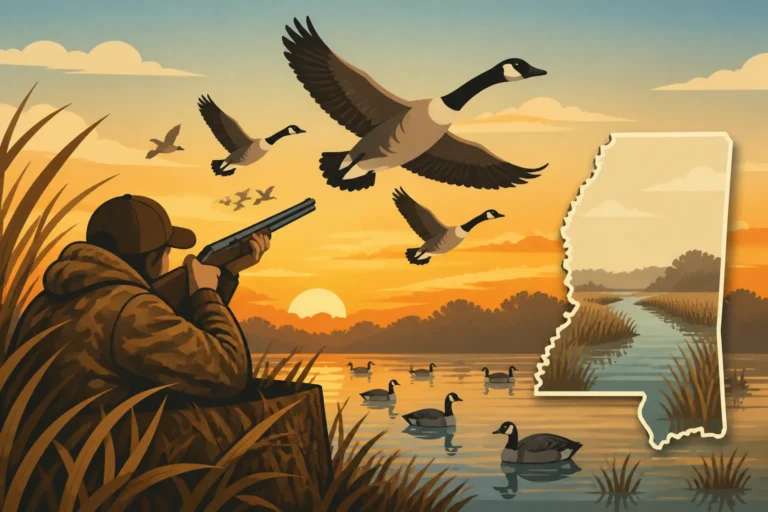
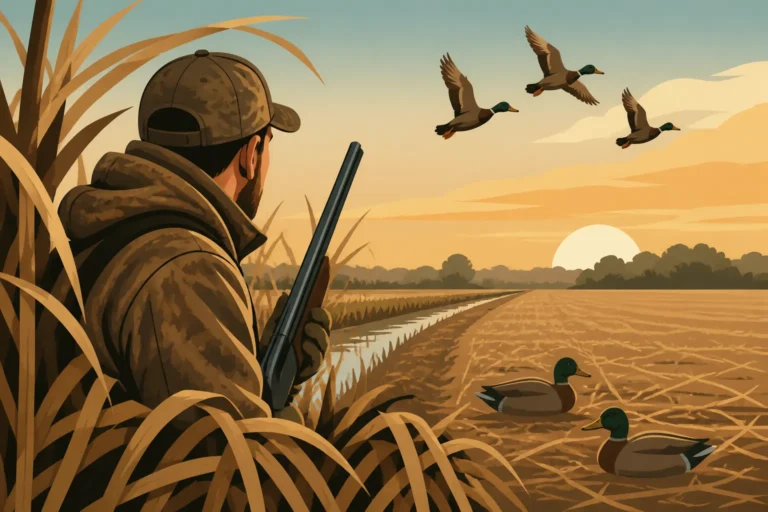
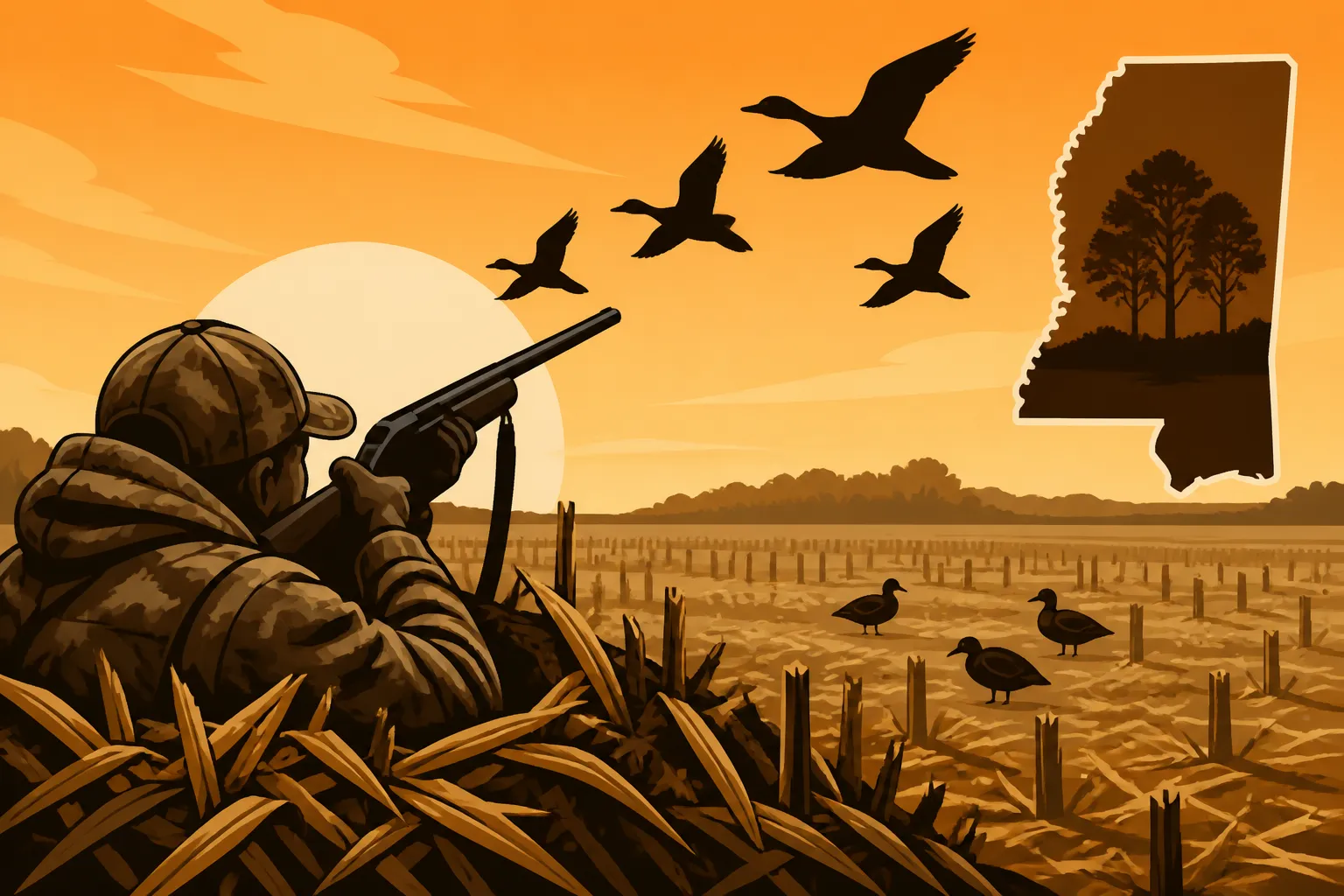
There's nothing quite like the sight of ducks and geese cupping their wings, committing to your spread, but in open fields, getting them to finish can be a real challenge. Those wary birds have seen it all, and a poorly concealed blind sticks out like a sore thumb. This guide is all about mastering the art of layout blind hunting in Mississippi's cut cornfields, giving you the strategies and tips to disappear into the landscape and consistently bring those birds into range.
Understanding the Cut Cornfield Advantage
Mississippi's agricultural landscape offers prime feeding grounds for migrating waterfowl, and cut cornfields are a magnet for ducks and geese, especially as the temperatures drop. These fields aren't just pretty backdrops; they're vital refueling stations for birds making their long journeys along the Mississippi Flyway.
Why Ducks and Geese Love Cut Corn
Once the combines have rolled through, leaving behind a stubble field, they also leave behind a bounty of waste grain. This readily available, high-energy food source is irresistible to waterfowl. Ducks, particularly mallards and pintails, will gorge on cracked corn and spilled kernels, packing on fat reserves critical for survival and migration. Geese, whether you're talking about the big Canada geese or the smaller specklebellies, absolutely hammer these fields, often returning day after day to the same exact spots until the food supply is exhausted or they're pressured too heavily. This predictable feeding pattern is precisely what makes cut cornfields such a hot commodity for hunters. They're not just passing through; they're actively working the field, which gives us an opportunity to intercept them.
Beyond the food, these open fields also offer a sense of security for waterfowl. While they might seem exposed to us, the wide-open spaces allow birds to spot predators from a distance. They often prefer to feed in these areas before heading to more secure loafing or roosting waters. Understanding this dual appeal – food and security – is key to successful field hunting. It's not just about setting out decoys; it's about replicating an inviting, safe feeding scenario. When you combine the allure of food with the feeling of security, you create an environment birds want to be in.
The type of corn and how it was harvested can also play a role. Some farmers leave more waste grain than others, and a field that was harvested quickly after a rain might have more accessible kernels than one that dried out significantly. Birds will quickly learn which fields are the most productive. Keep an eye out for fields that might have had some equipment issues during harvest, as these can often hold an unexpected treasure trove of grain that keeps birds coming back.
Reading the Field for Prime Setup Locations
You can't just plop down anywhere in a cut cornfield and expect success. Waterfowl are creatures of habit, and they'll often land and feed in the same general areas within a large field. Your job is to identify these "hot spots." Look for concentrations of droppings, disturbed stubble, or even feathers. These are all clear indicators of recent bird activity. These areas often correspond to slightly elevated ground or patches where the corn was particularly dense, leading to more spilled grain.
The direction of prevailing winds also plays a massive role. Ducks and geese almost always land and take off into the wind. This means you want your layout blinds positioned downwind of where you expect the birds to commit, allowing them to approach head-on into your spread. Observing how birds are flying into and out of the field on previous days can give you invaluable clues about their preferred flight lines and landing zones. Pay attention to fence lines, tree lines, and even power lines, as these can create natural funnels or obstacles that influence bird movement.
Another crucial factor is access. Can you get your gear and decoys into your chosen spot discreetly without spooking birds already in the area? Are there ditches, low spots, or existing tracks that can help you hide your approach? Sometimes the best spot for birds might be the worst spot for hunters due to lack of concealment or difficult access. It’s a balance you have to strike between where the birds want to be and where you can effectively hide. You might find some excellent information on land contours and access points using mapping tools like GoHunt, which can help you visualize the field before you even step foot in it.
Scouting Before the Hunt
This is, without a doubt, the most critical step for field hunting success. You simply cannot show up on opening morning to a random field and expect to be in the birds. Scouting needs to happen days, or even hours, before your planned hunt. Drive around the countryside, preferably in the early morning or late afternoon, and look for fields with active birds. Pay close attention to flight paths, how they're landing, and where they're concentrating. Binoculars and spotting scopes are your best friends here.
Once you’ve identified a promising field, observe it for a few days if possible. Are the birds consistently using it? Are they showing up at the same time each day? What direction are they coming from? What time do they leave? All this information helps you piece together their daily patterns. Remember, waterfowl are incredibly sensitive to pressure. If you see them using a particular field, avoid disturbing it before your hunt. Don't walk through it, don't drive right up to the edge in your truck. Be discreet.
Modern tools can really streamline this process. Apps like GoHunt offer detailed aerial imagery and land ownership maps that can help you identify potential private land access points and plan your scouting routes efficiently. When Scouting Mississippi Public Land Before Season, always double-check regulations for specific WMA or refuge areas, as some have restrictions on entry or scouting hours. Don't forget to confirm Mississippi Waterfowl Zones and Seasons and make sure the species you're targeting are actually in season and that you have the proper Mississippi HIP Certification for Bird Hunters and a Mississippi Federal Duck Stamp Requirement before heading out.
Essential Gear for Layout Blind Success
Hunting in open fields requires a specialized approach, and your gear selection is paramount to staying comfortable, concealed, and effective. It's more than just throwing some decoys out; it's about creating a believable illusion.
Choosing the Right Layout Blind
The layout blind is your ultimate camouflage in a cut cornfield. These low-profile blinds allow you to lie down almost completely flat, disappearing into the stubble. When choosing one, comfort is a huge factor, especially if you plan on long hunts. Look for models with adjustable backrests, padded seats, and enough room to shift positions without giving away your presence. Brands like Avery, Final Approach, and Rogers Sporting Goods offer a range of well-regarded options that can withstand the rigors of field hunting.
Concealment is, of course, the primary function. The blind's material and color should ideally match the local environment. Most come in shades of brown, tan, and camouflage patterns designed for agricultural settings. More importantly, look for blinds with plenty of stubble straps or pockets where you can add natural vegetation from the field itself. This "brushing in" process is absolutely non-negotiable for success. A bare layout blind is just a lump in the field; a well-brushed blind becomes part of it. Consider the weight and ease of transport. You'll likely be moving these blinds by hand, sled, or ATV, so a lighter, more compact design can save you a lot of backache.
Another thing to consider is how quickly you can get in and out of it, and how easily you can swing your gun for a shot. Many modern layout blinds feature spring-loaded doors that open quickly and cleanly, allowing for a fast and unimpeded shot. Practicing this motion at home, without birds staring you down, is a good idea. Some blinds even offer flag slots, which can be incredibly useful for flagging wary birds that are circling just out of range.
Decoy Spreads for Field Hunting
A good decoy spread is the visual magnet that draws birds into your shooting zone. For cut cornfields, you'll want a mix of full-body and shell decoys, or even silhouettes, to create a realistic feeding frenzy. Full-body decoys offer the most realism and movement in the wind, but they are bulky and expensive. Shells and silhouettes are lighter and more economical, allowing you to deploy larger numbers for a bigger impression. For Canada Geese on Mississippi Farmland, full-body goose decoys are often crucial, as these birds are incredibly intelligent and wary.
The key to a believable spread is density and variety. Waterfowl typically feed in loose family groups or small flocks, so clustering decoys in different sizes and positions (feeders, sentries, resters) mimics natural behavior. Don't make everything too uniform. Leave an open landing zone, or "kill hole," in the middle or just downwind of your spread, directly in front of your blinds. This is where you want the birds to commit, providing clean shots. The size of your spread often depends on the species you're targeting; ducks might respond to smaller, tighter spreads, while geese often prefer large, expansive sets that suggest a huge, safe feeding party.
Consider adding motion to your spread. A few spinning-wing decoys (known as Mojos) can dramatically increase visibility and draw distant birds, especially for ducks. Just be mindful of local regulations on motorized decoys. Flags, operated by hand from your blind, are also incredibly effective, mimicking the flash of wings from birds landing or stretching, and can often turn a circling flock. Positioning a few feeder decoys right in front of your blinds helps break up your silhouette even further, making you less visible to incoming birds.
Calls and Other Accessories
No field hunt is complete without a good call. For ducks, a mallard call is indispensable, but having a pintail whistle or a gadwall call can add realism. For geese, a short-reed Canada goose call is a must, and a specklebelly call can be deadly if those birds are in the area. Practice, practice, practice! A poorly executed call can scare birds away just as easily as a good one can bring them in. Learning to make soft clucks, feeding chuckles, and excited greetings, rather than just loud hail calls, will serve you well, especially with wary birds.
Beyond calls, several other accessories can make your hunt more comfortable and successful. A comfortable stool or seat for inside your blind, especially during lulls, is a lifesaver. A good thermos of coffee or hot chocolate on a cold Hunting the North Zone Duck Split morning can boost morale. Small shovels or spades can help you dig out slight depressions for your blinds for even better concealment. Gear bags specifically designed for layout blinds or decoy bags that can be easily pulled on a sled are also incredibly useful.
Don't forget the essentials for safety and comfort: proper layered clothing to adapt to changing Mississippi weather, waterproof boots, gloves, and a face mask to eliminate any shine from your skin. Always carry a headlamp for setting up in the dark and packing out after shooting hours. A reliable shotgun, appropriate ammunition for waterfowl, and of course, your valid hunting license and Mississippi Waterfowl Zones and Seasons documentation are non-negotiable.
Strategic Setup and Concealment
Even with the best gear, a poor setup can doom your hunt. The goal is to become truly invisible to the sharp eyes of incoming waterfowl, integrating seamlessly into the field.
Blending Your Blind into the Landscape
This is where the rubber meets the road. Your layout blind, no matter how well-camouflaged it is from the factory, will stand out if not properly brushed in. Before dawn, gather cornstalks, dry grass, and any other natural vegetation from the immediate vicinity. Weave these into the stubble straps of your blind, covering every inch. The goal is to break up the hard lines of the blind and make it look like just another clump of vegetation or a small rise in the field. Don't be afraid to overdo it; it's better to be too brushed in than not enough.
Consider the angle of the sun. As the sun rises, it can cast shadows that reveal the blind's outline. Position your blinds so the sun is behind you, if possible, helping to conceal your silhouette from incoming birds. If you're hunting private land, a landowner might even allow you to create small, permanent depressions for your blinds, which can offer incredible concealment. But on public land, Using a Ground Blind on Mississippi Public Land or a layout blind requires strict adherence to regulations, often meaning no digging or altering the landscape.
When setting up multiple blinds, spread them out slightly. Avoid placing them in a perfectly straight line, which looks unnatural. Stagger them, mimicking how birds would naturally be spread out while feeding. Also, think about your entry and exit paths. Plan them so you don't spook any early morning birds already in the area or disturb birds you're trying to work as you pack up. Getting to your chosen spot under the cover of darkness is crucial, which is where scouting with GoHunt to identify the best approach can pay dividends.
Optimizing Your Decoy Spread for Cut Corn
The arrangement of your decoys is just as critical as your blind concealment. The classic "U" or "J" shaped spread is a popular choice for cut cornfields. This configuration creates an inviting pocket or landing zone directly in front of your blinds, funneling birds right into your shooting lane. Place the open end of the "U" facing into the wind, encouraging birds to approach from that direction. For Early Goose Season Tactics in Mississippi, you might use a larger, more dispersed spread to appeal to the bigger, more wary birds.
Mix your decoys intelligently. Have a good percentage of feeding decoys with heads down, indicating calm and safety. Sprinkle in a few sentry or active decoys with heads up, suggesting that some birds are keeping watch. If you have full-body decoys, place them closest to your blinds for maximum realism, and use shells or silhouettes further out to give the impression of a larger flock. Don't be afraid to experiment with your spread; what works one day might not work the next, depending on bird pressure and weather conditions.
Motion decoys, like spinning wings or fluttering flags, should be strategically placed to maximize visibility without looking unnatural. Sometimes just one or two spinning-wing decoys are enough to draw attention without making the birds too suspicious. A common mistake is using too many motion decoys, which can look artificial to wary birds. For Mississippi Duck and Goose Bag Limits, understanding how many of each species you can harvest will influence your focus for decoy spreads, whether you're heavily weighted for ducks or geese.
Positioning for Wind and Sun
Wind direction is paramount in waterfowl hunting. Birds land and take off into the wind for aerodynamic reasons. Therefore, you want to set your blinds and decoys so that incoming birds will finish their approach directly into the wind, presenting broadside or slightly quartering shots as they cup their wings. This usually means positioning your blinds downwind of your primary landing zone. If the wind shifts during the day, be prepared to adjust your blinds or your shooting angles, though a full decoy spread readjustment might not be feasible mid-hunt.
The sun can be both your friend and your enemy. Ideally, you want the sun at your back. This makes it difficult for incoming birds to see into your blinds due to the glare, and it illuminates the birds clearly for your shot. However, this isn't always possible, especially on long hunts as the sun moves. If you have to face the sun, make sure your blind is extremely well-brushed in and consider wearing dark, non-reflective clothing and face paint. A bright face staring into the sun is an easy give-away.
Finally, think about natural cover elements within the field. Even in a cut cornfield, there might be a small ditch, a low spot, a slight rise, or a line of uncut vegetation along a fencerow. These subtle features can provide excellent natural concealment for your blinds, reducing the amount of brushing in you need to do and making you even harder to spot. Integrating these features into your setup adds another layer of realism and can make all the difference when those wary birds decide whether or not to commit.
Tactics for Calling and Decoying Birds
Calling and decoying are an art form, especially when dealing with intelligent and pressured waterfowl in open fields. It's about knowing when to be aggressive and when to be silent.
Adapting Your Calling to Field Conditions
Calling in a wide-open cut cornfield is different from calling in Hunting Greentree Reservoirs for Mallards or Hunting the Mississippi River Backwaters. In open areas, sounds travel further, and birds can pinpoint the source more easily. This means your calling needs to be realistic and match the scenario. Early in the season, Mississippi Waterfowl Migration Timing might bring less pressured birds, allowing for more aggressive, loud hail calls to grab their attention. But as the season progresses and birds become "call shy," subtle, soft calling often works best.
When birds are far out, a loud hail call or highball is appropriate to get their attention. Once they acknowledge your call and start heading your way, immediately reduce the volume and switch to softer greeting calls, contented feeding chuckles, and clucks. The goal is to sound like a happy, relaxed group of birds already on the ground, inviting others to join. If birds start to turn away or seem hesitant, a well-timed comeback call can sometimes turn them back, but don't overdo it. Too much calling can sometimes make wary birds suspicious and send them packing.
Pay close attention to how the birds are reacting to your calls. If they're cupping their wings and committing, stop calling and let the decoys do the work. If they're circling high and looking, a few soft, reassuring calls might be needed. The wind can also play tricks on how sound travels, so adjust your calling volume and cadence accordingly. On a very windy day, you might need to call a bit louder to be heard, but always err on the side of caution with volume.
Working Flights and Singles
Each flight of birds presents a unique challenge. A large, distant flock might require loud, persistent calling to get their attention, while a smaller, closer group might need a more subdued approach. For Canada Geese on Mississippi Farmland, often groups are quite large, and convincing just a few to peel off can be a victory. If you see a large flock in the distance, try to get one or two birds to break off from the main group; often, if they commit, the rest will follow.
Singles and pairs are often the trickiest. These birds have usually been shot at, are wary, and are looking for real birds, not plastic imposters. They will scrutinize your spread intensely. For these, soft, realistic calling is paramount. Avoid aggressive highballs; instead, use contented feeding calls and soft clucks. Keep your flagging to a minimum, if at all, and only use it subtly to mimic a natural wing flap. Patience is key with singles; let them work, let them look, and be ready when they finally commit to the "kill hole."
It's tempting to get excited and call aggressively, but often, the less you do, the better, especially with wary birds. Your job is to facilitate their decision to land, not to force it. Many experienced hunters will tell you that the most effective call is often the one that's not blown at all, once the birds are well within range and committed. Just be still, be quiet, and be ready.
The Importance of Patience and Discipline
Waterfowl hunting in cut cornfields, especially during late season, is a test of patience and discipline. You might sit for hours without seeing a single bird, and then suddenly, a flock appears out of nowhere. You have to be ready for those moments. Stay still, stay silent, and resist the urge to peek over your blind's edge. Even a slight movement can flare a bird that's already eyeing your spread.
Discipline extends to your shooting. Wait until the birds are within effective range and presenting good, ethical shots. Don't sky-bust just because you're eager to shoot. A long, missed shot will educate birds, making them even warier for future flights. Let them work your decoys, let them get close, and then make your move. This also means being disciplined with your blind partners; ensure everyone understands the shot calling and knows when to rise and shoot simultaneously.
Finally, remember that not every bird will commit. Some days, they'll circle, look, and fly off, no matter how perfect your setup or how good your calling. That's just part of the game. Don't get discouraged. Learn from each encounter, adjust your tactics, and always be prepared for the next flock. The satisfaction of watching birds dive into a well-executed spread, after hours of patience, is what keeps us coming back season after season.
Disclaimer
Hunting is an inherently dangerous activity. Always prioritize safety, understand and adhere to all local, state, and federal hunting regulations, and obtain proper licensing before participating. The information provided here is for educational and entertainment purposes only and should not replace professional guidance or legal consultation. Ensure all firearms are handled safely and responsibly.