Mississippi Quota Hunt Application Window
Oh, the Mississippi quota hunt application window! If you're anything like me, you've probably stared at the calendar, scratching your head, trying to figure out exactly when those elusive dates pop up. It’s a common frustration, especially with all the different seasons and hunt types we have here in Mississippi. But trust me, understanding how and when to apply for those coveted limited-entry hunts doesn't have to be a headache. This guide is all about demystifying the process, helping you nail down those application deadlines, and increasing your chances of getting drawn for a fantastic hunting experience in our beautiful state.
Understanding Mississippi's Quota Hunt System
Before we dive into the nitty-gritty of application dates, let's talk about why we even have quota hunts in Mississippi. It's not just to make us pull our hair out, I promise! These hunts serve a really important purpose, both for wildlife management and for providing hunters with exceptional opportunities.
Why Quota Hunts Exist in Mississippi
The Mississippi Department of Wildlife, Fisheries, and Parks (MDWFP) implements quota hunts primarily to manage wildlife populations and hunting pressure on specific public lands. Think about it: if every hunter in the state could show up at a prime location like Mahannah Wildlife Management Area on opening day, it would be a chaotic mess, and the wildlife wouldn't stand a chance. Quota hunts help maintain a balanced ecosystem by controlling the number of hunters in a given area. This limits disturbance, reduces stress on game animals, and allows for more sustainable harvests.
For us hunters, this translates into a higher quality experience. Less pressure often means more mature animals, a quieter hunting environment, and a better chance of success. Whether it's a special buck hunt in the Delta or a limited-entry turkey hunt in the Hills, these draws ensure that those prime spots aren't overcrowded. The MDWFP uses data on deer density by Mississippi Unit, turkey populations, and waterfowl migration patterns to determine where and when these limited entry hunts are most beneficial. It's a science-backed approach to ensuring great hunting for generations to come.
Different Types of Quota Hunts You Might Encounter
Here in Mississippi, quota hunts aren't just a one-size-fits-all deal. We have a variety of opportunities that require a draw, catering to different game species and hunting styles. It's important to know what you're looking for!
- Deer Quota Hunts: These are perhaps the most popular and competitive. Many of our Wildlife Management Areas (WMAs) and even some state parks offer specific quota hunts for deer, often with stricter antler restrictions or specific weapon types. These are usually designed to manage herd health and provide opportunities for harvesting older-age-class bucks. You might find archery-only hunts, primitive weapon hunts, or even youth hunts that require a draw. For instance, specific units might have stringent requirements like the Delta Unit Twelve-Inch Spread Rule Explained or the Hills Unit Ten-Inch Spread Rule Explained, which are often highlighted in quota hunt opportunities.
- Turkey Quota Hunts: Spring turkey season is a big deal in Mississippi, and some WMAs offer limited-entry hunts for gobblers. These can be incredible opportunities to hunt less-pressured birds. Given the importance of Turkey Tactics for Delta Field Edges or Run-and-Gun Turkey Tactics on Public Land, being on a less-pressured quota hunt can make a huge difference in your success.
- Waterfowl Quota Hunts: If you're a duck hunter, you know how good the Delta can be. Many of the MDWFP's premier waterfowl WMAs, especially those with managed greentree reservoirs like Sunflower WMA Inside Delta National Forest, operate on a quota system to distribute hunters and prevent overcrowding. These draws are essential for ensuring quality hunts for Mallards in Delta Flooded Timber and other migratory birds.
- Other Small Game/Special Opportunity Quota Hunts: Occasionally, you might see quota hunts pop up for other species or special hunts like feral hogs in sensitive areas, though these are less common for draw than deer, turkey, or waterfowl. Always keep an eye on the MDWFP website for these unique opportunities!
The application process and windows can vary slightly depending on the type of hunt, so always double-check the specific regulations for the hunt you're interested in.
Navigating the Mississippi Quota Hunt Application Window
Alright, let's get down to brass tacks: when can you actually apply for these hunts? This is where many hunters get tripped up, missing out on chances because they didn't have the dates on their radar.
When to Mark Your Calendar: Key Dates and Deadlines
The biggest challenge with Mississippi quota hunts is that there isn't one single, universal application window for all hunts. The MDWFP typically opens applications for different hunt types at different times of the year. This can feel a bit like chasing a moving target, but once you understand the general pattern, it becomes much easier.
Generally speaking, here's a rundown of the typical application periods:
- Spring Turkey Quota Hunts: Applications for spring turkey hunts on WMAs usually open in the late fall or early winter, often in November or December of the preceding year. The deadline might fall in early January. So, if you're eyeing those March gobblers, you need to be thinking about applying before Christmas! Checking the MDWFP's official announcements for When Mississippi's Spring Turkey Season Opens will often clarify these dates.
- Deer Quota Hunts (General & Special WMA): For the majority of deer quota hunts, you'll typically find the application period opening in late summer, usually in July or August. The deadlines often land in September. These draws cover many of the coveted WMA deer hunts across the state.
- Waterfowl Quota Hunts: Duck hunters should mark their calendars for late summer to early fall. Applications for WMA waterfowl draws, particularly for the Mississippi Delta, commonly open around September or October, with deadlines typically falling a few weeks later in October. This timing allows the MDWFP to process applications before the main waterfowl seasons kick off.
Important Tip: While these are general guidelines, the MDWFP does occasionally adjust dates. My absolute best advice is to make it a habit to regularly check the official MDWFP website in these key months. Better yet, sign up for their email newsletters or follow their social media channels. Tools like GoHunt can also be incredibly helpful, as they often aggregate these dates and even send out reminders, which is a lifesaver when you're juggling work, family, and scouting trips.
Here’s a quick glance at typical application and notification windows:
| Hunt Type | Typical Application Open | Typical Application Close | Typical Notification |
|---|---|---|---|
| Spring Turkey | November – December | December – January | January – February |
| Deer (WMA/Special) | July – August | August – September | September – October |
| Waterfowl (WMA) | September – October | October | October – November |
| Other Special Hunts | Varies (check MDWFP site) | Varies (check MDWFP site) | Varies |
The Application Process: Step-by-Step
Once you know when to apply, the how is usually straightforward, but missing a step can cost you.
- Head to the MDWFP Website: The official Mississippi Department of Wildlife, Fisheries, and Parks website (www.mdwfp.com) is your primary portal. Look for sections dedicated to "Public Lands," "Hunting," or "Quota Hunts."
- Locate the Quota Hunt Application Link: During the active application window, there will be a prominent link to the online application system. Don't go searching for it too early, as it might not appear until the window opens.
- Review Hunt Details Carefully: Before applying, read everything. This includes dates, legal weapons, bag limits, and any special instructions for the specific WMA or hunt type. Some hunts might have specific rules, like those detailed in Mississippi's Gun Deer Season by Unit or Muzzleloader Deer Hunting in Mississippi guides, that you need to be aware of.
- Log In or Create an Account: You'll likely need an existing MDWFP customer account. If you don't have one, you'll be prompted to create one. This is where your personal information and hunting license details are stored. Make sure your account information, especially contact details, is up to date!
- Select Your Desired Hunts: The system will present a list of available quota hunts for that application period. You can usually apply for multiple hunts, but be mindful of any overlapping dates or restrictions.
- Enter Required Information: This typically includes your hunting license number (make sure you've already obtained your Mississippi Hunting Licenses and What They Cost), any WMA user permits you might need (like a Mississippi WMA Permit Requirement), and possibly your desired hunting party information if it's a group application.
- Pay the Application Fee: Most quota hunts have a small, non-refundable application fee. This fee covers the administrative costs of running the draw. Make sure you have a valid credit or debit card ready.
- Confirm and Submit: Double-check all your entries before hitting submit. Once confirmed, you should receive an email confirmation of your application. Save this for your records!
Pro Tip: This is where a service like GoHunt really shines. Beyond just tracking dates, some of these platforms integrate directly or provide clear pathways to the MDWFP application system, helping streamline the process and minimize errors. They can often provide insights into hunt odds, which, while not a guarantee, can help you make more strategic choices.
Strategies for a Successful Quota Hunt Application
Just getting your application in on time is half the battle, but there's more you can do to put yourself in the best possible position.
Planning Ahead: Researching Your Desired Hunt
Don't just apply for the sake of applying. A little homework goes a long way!
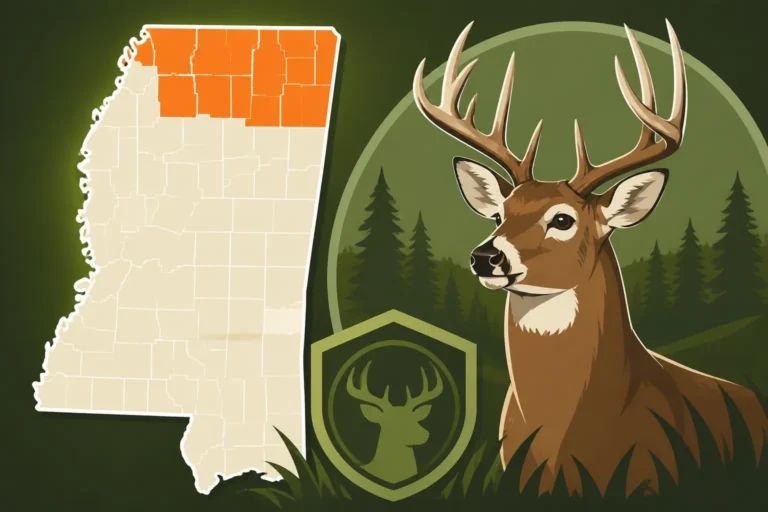
- Know Your Units: Mississippi has four distinct Deer Management Units, each with different seasons and regulations. Understand which unit your desired WMA falls into. For example, if you're looking at a Delta WMA, you'll need to know the Delta Unit Antler Restriction Rules.
- Review Past Harvest Data: The MDWFP often publishes annual harvest reports for WMAs. Looking at these can give you an idea of success rates, average deer age, and turkey harvest numbers for specific areas. This can help you gauge the quality of a particular hunt.
- Scout Virtually and Physically: Even before the application window opens, you can start scouting! Use online mapping tools like the MDWFP app or GoHunt's mapping layers to identify potential pinch points, food sources, and bedding areas. While you can't always physically scout a WMA during closed seasons, you can still get a lay of the land. Consider when Scouting Mississippi Public Land Before Season is allowed and make a plan to be there.
- Understand Hunt Types: Some quota hunts are for primitive weapons, some are archery-only, and others are gun hunts. Make sure your gear aligns with the hunt you're applying for. If you’re a bowhunter, you’ll want to look at opportunities relevant to Bowhunting Mississippi's Long Archery Season.
By doing your research, you're not just applying blindly; you're making an informed decision about where and when you'll have the best chance at a fulfilling hunt.
Avoiding Common Application Pitfalls
The last thing you want is to miss out on a hunt because of a preventable error. I've seen it happen too many times, and it's always a gut punch.
- Missing the Deadline: This is, hands down, the most common mistake. Life gets busy, and those dates can sneak up on you. Set multiple reminders on your phone, mark it on your physical calendar, or use a service like GoHunt that sends you notifications directly. There are no extensions for quota hunt applications, so "better late than never" simply doesn't apply here.
- Incorrect or Incomplete Information: Double-check every field on the application. Make sure your license number is correct, your contact information is current, and all required sections are filled out. A simple typo can invalidate your application.
- Forgetting Prerequisites: Some hunts might require specific licenses or permits before you apply. For example, you might need a valid All-Game or Sportsman's License and a WMA Permit. Don't wait until the last minute to buy these. Ensure you have everything in order well in advance.
- Technical Glitches: While rare, technology can be finicky. Don't wait until 11:59 PM on the deadline day to submit your application. What if your internet goes out? What if the MDWFP site experiences heavy traffic? Apply a few days, or even a week, before the deadline to give yourself a buffer. If you run into issues, you'll have time to call MDWFP customer service.
- Not Confirming Submission: Always ensure you receive a confirmation email or a confirmation number after submitting your application. If you don't, check your spam folder, and if it's still missing, contact MDWFP to verify your application status.
Staying organized and being proactive are your best friends when it comes to quota hunt applications.
After the Draw: What Happens Next?
You’ve applied, you’ve waited patiently (or impatiently, like me!), and now it’s time for the results. What happens whether you get drawn or not?
Receiving Your Results and Confirming Your Spot
The MDWFP will announce draw results a few weeks to a month after the application period closes.
- Notification: You'll typically receive an email notification indicating whether you were drawn or not. It's crucial to ensure your email address on file with the MDWFP is current and to check your spam or junk folders regularly during the notification period.
- Checking Online: Even if you don't get an email, you can usually log back into your MDWFP account online to check your application status. This is often the most reliable way to find out your fate.
- Confirmation and Fees: If you are drawn, congratulations! There might be a short window to confirm your acceptance of the hunt and pay any additional permit fees associated with the draw, beyond the initial application fee. Don't miss this step, or your spot could be forfeited. The system will guide you through this process.
If you weren't drawn, don't despair! It happens to everyone. These hunts are competitive, and sometimes it just comes down to luck. Use it as motivation to improve your scouting for next year or explore other opportunities. There are often leftover tags or general public land seasons that offer fantastic hunting as well. You can always check the Mississippi WMA Quota Hunt Sign-In Process for specific WMA opportunities if you didn't draw a special permit.
Preparing for Your Quota Hunt
Getting drawn is just the beginning! Now the real planning begins.
- Study the Regulations: Reread the specific regulations for your drawn hunt. These can be very detailed and might include specific check-in/check-out procedures, weapon restrictions, and bag limits that differ from general season rules. For instance, some WMAs might have unique rules for "Using a Ground Blind on Mississippi Public Land" or specific requirements for "Treestand Setups in Delta National Forest."
- Physical Scouting: If possible, visit the WMA or area you've been drawn for. Even if it's just a quick trip, understanding the terrain, identifying potential access points, and finding fresh sign can be invaluable. This physical scouting complements the "Reading Aerial Photos for Hills Unit Deer" or "Finding Sign in Big Delta Timber" you might have done virtually.
- Gear Check: Ensure all your hunting gear is in top shape. Is your rifle sighted in? Is your archery equipment tuned? Are your calls working? Do you have the right blaze orange (and enough of it, as detailed in "How Much Blaze Orange Mississippi Requires")?
- Accommodation and Logistics: Plan your travel, lodging (if necessary), and any other logistical details. Some WMAs have designated camping areas, while others might require you to find accommodations nearby. Consider how you'll handle game retrieval and processing, especially if you're traveling a distance. "Mississippi Deer Camp Traditions" are a huge part of the experience, so plan accordingly!
- Weather Preparedness: Mississippi weather can be unpredictable. Pack layers, rain gear, and be prepared for both warm spells and cold fronts, depending on the season. A "Warm-Weather Sitting Strategy in Mississippi" is very different from "Hunting Deer After a Cold Front."
Quota hunts are a fantastic way to experience some of Mississippi's best hunting opportunities. By being prepared, understanding the application process, and staying diligent with deadlines, you significantly increase your chances of having your name called for one of these special hunts. Good luck, and happy hunting!
Disclaimer
The information provided in this guide is for general informational purposes only and is not intended as legal advice or a substitute for official regulations. Hunting regulations, seasons, and application dates can change frequently. Always consult the official Mississippi Department of Wildlife, Fisheries, and Parks (MDWFP) website and current year's hunting guides for the most accurate and up-to-date information before planning any hunting trip.